Mi accingo ad affrontare il concerto al mio juke joint preferito in condizioni non eccellenti, è una settimana infatti che mi sento semi influenzato, quella sensazione di ossa rotte, di bronchi infiammati, di poche speranza di vita che viene a noi uomini quando ci avviciniamo ai 36,5 di febbre. Sono inoltre tre settimane che l’articolazione dell’anulare sinistro (in pratica il dito più importante per un chitarrista) mi duole spesso. Mi chiedo se tutto questo sia sintomatico, ovvero se io mi faccia suggestionare dai malanni quelle poche volte che devo fare un concerto.Dovessi suonare non dico al Madison Square Garden ma al Palapanini di Mutina capirei, ma visto che si tratta di uno dei nostri soliti concertini (come li chiama la Siae) mi chiedo davvero se sia il caso che ogni volta che sto per affrontarne uno mi debba sempre capitare qualche blues fisico di origine (credo) spirituale.
Fatto sta che è venerdì sera, sono a casa da solo (la pollastrella è naturalmente al palasport per la semifinale di Eurocup di basket) e nonostante gli acciacchi do una controllata alle chitarre. Con la doppio manico ripasso Stairway To Heaven seguendo la versione live del 1973 dei LZ.
◊
◊
Prendo poi in mano la Les Paul Cherry Red Sunburst; ogni volta rimango incantato, per me è forse l’oggetto più bello che esista sulla Terra. Infilo il jack nell’amplificatorino Orange, ripasso i passaggi più impegnativi, accenno a qualche riff della Bad Company e della Cattiva Compagnia, la pulisco per bene e la ripongo nella custodia. A domani amore mio.
Checking the guitars: The Cherry Red Sunburst beauty – foto TT
Mi metto poi alla chitarra acustica, almeno un’oretta di esercizi, di scale e di accordi particolari. L’anulare continua a farmi male. Un volta adempiuto il dovere del bravo chitarrista, cerco di rilassarmi. Metto la Mahavishnu Orchestra sul giradischi. Dopo un po’ mi chiedo se sia una buona idea, perché sì, ascoltare uno come John McLaughlin è di certo inspiring ma anche depressing…
Sul giradischi Mahavishnu Orchestra – photo TT
◊
◊
Sabato partiamo verso le 17,30. La blues mobile è piena come un uovo, come al solito. Le terre basse di Regium Lepidi hanno sempre quel fascino un po’ dismesso che sa di malinconia, di blues insomma. La stradina che conduce al locale sa suggestionare ogni volta, mentre la percorri e ti guardi intorno ti aspetti di vedere apparire un chitarrista nero vestito di tutto punto mentre canta di incroci, di cani dell’infermo e di scope da tirare fuori dal ripostiglio…
Driving into Il Livello – photo TT
◊
◊
Montiamo l’attrezzatura, facciamo il soundcheck, mi bevo la birra bianca che mi offre Yurj, il titolare de Il Livello, e scruto gli argini dei fiumi non troppo lontani da qui.
The Equinox – Circolo Il Livello 24/3/2018
Mentre ceniamo iniziano ad arrivare gli amici e i primi avventori. Insieme a Mario e Patty trovo con mia grande sorpresa un mio vecchio amico, Luca. Con lo stesso grande piacere rivedo Gianluca & Eleonora, Francesco & Teresa, la Simonetta Iotti Blues Band e The Peita, la sorella della Saura. Il Livello è pienissimo, c’è tantissima gente a cena, quasi impossibile girare tra i tavoli. Sono molto felice per Yurj e penso che è così che si porta avanti un locale: ottimo cibo, musica rock e buone vibrazioni. Il Livello è fuori mano, molto fuori mano, dunque non ci capiti di passaggio, qui bisogna venire intenzionalmente. Hats off to Yurj.
Saura si cambia nel bagno delle donne, Pol nella stanza antistante ai servizi, io nell’angolo più buio del corridoio che porta alla toilette. Sono quei momenti sempre un po’ deprimenti, quando aneli ad uno straccio di camerino ma sai benissimo che il tuo stato da operaio del rock non te lo permette. Sono le 22,50 si parte.
The Equinox – Circolo Il Livello 24/3/2018 – photo TT
Iniziamo con un nuovo medley composto da Custard Pie-Over The Hills (la parte rock, che Pol canta divinamente)-Immigrant Song. Alla fine mi pare sia stata una bella botta di rock. Proseguiamo con Black Dog, Heartbreaker, Dazed And Confused e What Is. Saura quindi passa al piano e alla pedaliera basso per Misty Mountain Hop e Sibly, durante la quale io e Lele per un attimo siamo sul punto di perderci. Seguono Nobody’s Fault But Mine, Moby Dick/Bring It on Home, I’m gonna Crawl, Gallows Pole e The Song Remains The Same.
Mentre parto col riff iniziale di Hot Dog mi dico una volta di più quanto sia duro dal punto di vista chitarristico questo sciocco country & western… riff e assolo sono suonati a gran velocità e affrontarli nel modo giusto non è semplicissimo (almeno per me). In Kashmir io e Lele torniamo a deconcentraci e finiamo per fare la stessa figura che fecero i LZ a Zurigo il 29-6-1980 (minuto 2:30 del video qui sotto).
◊
◊
Entrambi guardiamo Saura, la vediamo contrariata; non c’è niente da fare è lei la nostra musical director. Io posso anche essere quello che dà certi stacchi, ma alla fine il pilastro su cui tutti facciamo affidamento è lei. Che razza di musicista e che donna! La nostra arma segreta, proprio come fu John Paul Jones per i LZ.
Finito il buraccione di Kashmir è tempo per la doppio manico: Stairway To Heaven. Segue il piombo Zeppelin: Whole Lotta Love, (dove aggiungiamo Goin’ Down come fecero i LZ a San Diego il 28/5/1973),
◊
◊
Communication Breakdown, Rock And Roll. Noi saremmo già a posto, siamo un po’ cotti, ma ci chiedono il bis: The Ocean.
Facciamo l’inchino e ringraziamo. “Grazie della bella serata, Baton Rouge … goodnight”
The Equinox – Circolo Il Livello 24/3/2018
◊
◊
Gente sconosciuta ci viene a stringere la mano, amiche bionde ci vengono a dire: “siete fantastici”… beh, sono le nostre piccole soddisfazioni. Suonare in una tribute band è sempre un po’ strano per me (e Lele), sono da sempre concentrato più sui pezzi che scrivo, sarebbe bello avere l’opportunità di suonare dal vivo proponendo materiale originale e inoltre di solito le tribute dei LZ non le reggo, ma devo venire a patti con la mia condizione, se voglio ancora provare l’ebrezza del suonare dal vivo gli Equinox sono la mia unica possibilità, e suonare con musicisti del livello di Lele, Saura e Pol è comunque un privilegio, lo stesso dicasi per i pezzi con cui ho a che fare, che sono quelli della mia band preferita in assoluto.
Smontiamo l’ambaradan, carichiamo le macchine, abbracciamo Yurj e ci inoltriamo nella notte nera. Siamo sul confine dell’ora legale, così di colpo ci troviamo immersi nelle ombre delle tre di notte, attraversiamo campagne desolate e scure, passiamo vecchie case di campagna diroccate, entriamo nel territorio della metafisica, dell’esistenzialismo, dell’esoterismo. Io la pollastrella ci guardiamo sorridendo, è l’ora giusta per Death Wish 2.
◊
◊
Arrivati alla Domus Saurea il solito blues legato allo scaricare e alla sistemazione degli strumenti. Una doccia, una tisana (anche se per un minuto valuto se non sia il caso di farmi un rum) e a letto. Sono le 4,15.
Domenica mattina, durante la colazione leggo su facebook una considerazione di Gianluca a commento del post da me pubblicato per pubblicizzare il concerto:
“Prima del concerto esco a fumare e un altro cliente del locale mi chiede: ma questi sono bravi? Non è mica facile fare cover degli Zeppelin.
La mia risposta è stata: sono sempre bravi, ma se stanno bene fisicamente possono scartavetrare chiunque. Dopo il concerto ho pensato che sono molto felice che stiate tutti bene.”
.
Con questa sono a posto per tutta la settimana. Thank you man.
♦♦♦
PROSSIME DATE:
14 luglio 2018 – MILLY BAR – Parco Ferrari – Modena
02 agosto 2018 – AREA 24 ROCK STATION – Rio Saliceto (RE)
20 ottobre 2018 – CIRCOLO IL LIVELLO – Gualtieri (RE)
Cambio di stagione in arrivo, smetto i blues invernali e inizio a preparare i blues estivi, nella speranza siano più leggeri.
Neve d’Equinozio
L’Equinozio quest’anno porta la neve, è già la seconda buriana che arriva. Sugli alberi dei cagnetti in fiore si posa pesante, le campagne intorno alla Domus Saurea ritornano bianche e io finisco per rimanere ipnotizzato dinnanzi alla finestra. E’ lunedì 19, per un fortuito caso sono a casa, così (scusate, ma è un periodo in cui sono ossessionato dalle allitterazioni) me la godo tutta. La vedo fioccare mentre me ne sto al calduccio, la stufa accesa, il giradischi che macina long playing, un thè caldo, una spremuta di arance rosse, le braci del blues che per il momento riposano sotto la cenere e rinunciano a farsi incendio. Quei piccoli momenti della vita in cui sei quasi felice. I am a snow man.
Neve d’Equinozio – Domus Saurea 19/03/2018 – foto TT
Una sera al Palasport – Reggiana – Zenit San Pietroburgo – Eurocup di Basket
E’ da qualche anno che la pollastrella ha ricominciato a seguire la Pallacanestro Reggiana, finisce per coinvolgere il sottoscritto e i suoi genitori, così eccoci lì, in una fredda serata di marzo, al Palasport ad assistere una gara di Eurocup.
Una sera al Palasport – Reggiana – Zenit San Pietroburgo – Eurocup di Basket – foto TT
E’ una gran bella partita, combattuta e passionale. Alla fine vinciamo e passiamo il turno. Durante le pause mi perdo a pensare che 38 anni fa in questo stesso palasport vidi i Police nel tour relativo al disco Reggatta De Blanc. Mi sembrava di essere distante dal palco (causa gli immancabili tumulti e scontri con i Carabinieri entrare fu difficoltoso) ma a guardar bene le cose non stavano così, entrai dalla porta che è a destra nella foto qui sotto, mi fermai dopo pochi metri e il palco era sistemato nella zona del canestro a sinistra…
Una sera al Palasport – Reggiana – Zenit San Pietroburgo – Eurocup di Basket – foto TT
The stage on 1980-04-03. Photograph by Silvio Amenduni.
Finiti i ricordi continuo a godermi il bell’incontro di basket a cui sto assistendo e il continuo sostegno alla squadra profuso dalla curva degli “arsân”, una delle curve più calde d’Italia. Il coro classico deriva da quello del San Lorenzo de Alagro, squadra di calcio di Buenos Aires, che come melodia si ispirò a Bad Moon Rising dei Creedence Clearwater Revival. Qui da noi è stato modificato naturalmente nel testo e anche nella melodia.
Totalmente dipendente, non so stare senza te, biancorosso nelle vene, tifo Reggiana alè
◊ ◊ ◊
◊ ◊ ◊
Simpatico anche l’altro, utilizzato pure dai tifosi dell’Inter, dunque un ragione in più per unirmi al grido di:
“Tu non chiedermi perché, non ci sono nel weekend, giro il mondo insieme a lei, sola non la lascio mai, lotta e vinci insieme a noi”
Una sera al Palasport – Reggiana – Zenit San Pietroburgo – Eurocup di Basket – foto TT
Alla fine è una festa con i giocatori richiamati fuori a gran voce. Due file più sotto le amiche della pollastrella e fan scatenate della Grissin Bon festeggiano e anche noi due ci uniamo al sentimento comune. Il sangue reggiano che abbiamo nelle vene non è acqua (casomai lambrusco).
Una sera al Palasport – Reggiana – Zenit San Pietroburgo – Eurocup di Basket – foto TT
Oé oé Mister Spelucchino
Compro una di quelle macchinette che tolgono lanugine, pelucchi e palline di lana dai maglioni. Una sera, mentre la pollastrella stirava mi son messo lì con pazienza ad espletare il compito dello “spelucchino” su alcuni maglioni. Dopo circa mezz’ora, alzo la testa, guardo la finestra e mi dico:”se i miei amici mi vedessero adesso direbbero che sono perlomeno unanuffia”. Rifletto ancora una po’, guardo Saura e le dico, in dialetto, mentre ripongo maglioni e macchinino: “Però, an s’è mai vest Johnny Winter fèr chi lavòr chè” … non si è mai visto Johnny Winter far di quei lavori qui. Povero me.
◊ ◊ ◊
◊ ◊ ◊
Oè oè Mister Spelucchino – foto TT
CAT TALES: Strichetto versus il ragno assassino
Strichetto, la gattina che si è accasata da noi la scorsa estate, è sempre più parte della famiglia, il gatto Palmiro ormai la vede come una sorellina scatenata e l’armonia oramai è ad un buon livello. Solo la gatta Ragni e la gatta Spaventina faticano ancora ad accettare questa presenza e io credo che sia l’esuberanza della Stricchi ad infastidirle, sì perché la diavoletta beige della Tasmania è spesso scatenata, un missile di pelo rosa che corre tra stanze, un presenza che chiede costantemente attenzione sebbene lei stessa non sappia esattamente cosa volere. Per certi versi è una gattina difficile. E’ stata cresciuta da una famiglia che non avrebbe dovuto nemmeno pensare di aver gatti, una famiglia che la ha lasciata alla mercé di due figlie piccole che si sono sentite libere di fargliene di tutti i colori, col capofamiglia che di gatti non ne voleva proprio sentir parlare; una gatta che viene cresciuta in un contesto simile (e taccio altri aspetti che sarebbero passibili di segnalazione all’ENPA) non può che essere un po’ disturbata.
Per fortuna l’istinto di sopravvivenza e la curiosità innata l’hanno portata a cercare un’altra via e ad intrufolarsi qui alla Domus Saurea così, dopo aver valutato i due umani che la abitano, si è trasferita definitivamente certa che la sua vita sarebbe di certo migliorata. E’ una gattina irresistibile, bella, smorfiosetta, molto “figa”, con un musino e delle zampine deliziose, però è davvero impetuosa, così quando non ne posso più la do in pasto al ragno assassino.
Stricchi e il ragno assassino – foto TT
Stricchi e il ragno assassino – foto TT
Stricchi e il ragno assassino – foto TT
Stricchi e il ragno assassino – foto TT
Stricchi e il ragno assassino – foto TT
Ma va a finire che è sempre il ragno a soccombere, così lei – mentre al mattino sono in bagno a prepararmi – entra dalla finestra e mi guarda con quegli occhi come a dire: ragno sistemato, e adesso che si fa?
Strichetto came in throught my bathroom window – foto TT
COOP TALES: Hello Baby (may you stay forever young)
Coop di Regium Lepidi, sabato mattina, solita spesa settimanale. Giro tra gli scaffali cercando di non perdere di vista la pollastrella, davanti a me un uomo intorno ai settanta. Sono giorni di neve, ha in testa un cappello di lana rosso con sopra appiccicate alcune toppe che sanno di auto, di vernice, di donne, di velocità, si vede che è un tipo sveglio, da giovane doveva essere di certo un vasco, come diciamo noi qui in Emilia, e uno che conosce la sua città come le sue tasche.
Incrociamo una signora, anch’ella sulla settantina, di sicuro una sua amica di gioventù perchè il vasco le fa “Ciao bella” e prosegue le sue faccende. Mi scatta il pensiero che in fondo interagiamo con i nostri amici come se fossero sempre quelli incontrati da giovani. E’ una riflessione che ho già affrontato col Pike Boy, alla fin fine siamo sempre quelli dei vent’anni, con le caratteristiche cristallizzate a quell’epoca e che seppur consci del passare degli anni, vecchi ci sembrano sempre gli altri. Ricordo che Brian, all’età di 80 e passa anni, chiamava le persone anziane “vecchi” con un accento quasi dispregiativo, nel senso che le vedeva molto avanti con gli anni e lui riteneva che quella fosse una condizione che non lo riguardasse. Scopro lo stesso approccio anche nel padre di Saura, che quest’anno compirà 80 anni. Chissà se è un escamotage del nostro cervello per non farci piombare nella disperazione più nera quando siamo ad un passo dall’abisso.
◊ ◊ ◊
◊ ◊ ◊
Inter will rise again
Dopo alcuni mesi di sconforto, l’Inter sembra essere uscita dal pantano. Sulla tribunetta arancio della Domus Saura io e Mario, partecipiamo alla risalita della squadra che ci fa battere il cuore.
Tim & Mario: tribunetta arancio Domus Saurea – Inter Club Brigata Alvaro Recoba Borgo Massenzio – foto Saura
Un buon 0 a 0 col Napoli e uno spettacolare 0 – 5 sul campo della Samp, con 4 goal di Maurito. Strichetto mi guarda incredula, “possibile?” sembra chiedermi, sì, Stricchi, è possibile, ecco perché per me c’è solo l’Inter. Quando tutto sembra volgere al peggio ecco che la grandeur torna a riempirci l’animo.
Sampdoria – Inter – 0 – 5 – Strichetto tifa Inter – foto TT
◊ ◊ ◊
◊ ◊ ◊
Giradischi Blues
Tempo d’equinozio, tempo per Gian Michele Jarre.
Sul giradischi – foto TT
◊ ◊ ◊
◊ ◊ ◊
Era da un po’ che volevo prendere la nuova ristampa di Under A Red Sky degli U2, uno degli album simbolo per quelli della mia generazione per quanto riguarda i primi anni ottanta.
Sul giradischi – foto TT
◊ ◊ ◊
◊ ◊ ◊
Tutto mi riporta alla mia giovinezza quando si tratta di acquistare nuove vinili. Nel riaffacciarmi a dischi di quando ero adolescente, mi accorgo una volta di più come negli anni settanta era quasi impossibile per gli italiani “far suonare” decentemente dischi registrati qui da noi, per fortuna l’affetto e la qualità di certi pezzi sopperiscono alle mancanze della qualità audio. Quello di Vasco soprattutto sembra registrato in uno sgabuzzino, i master originali devono avere una qualità sonora piuttosto mediocre, così il risultato non è granché malgrado gli sforzi (la nuova versione è stata masterizzata a 45 giri visto che tale velocità fornisce maggiore fedeltà) ma come detto è uno degli album della mia adolescenza e lo amo nonostante tutto.
Sul giradischi – foto TT
◊ ◊ ◊
◊ ◊ ◊
Sul giradischi – foto TT
◊ ◊ ◊
◊ ◊ ◊
Alla fine per ritrovare energia e good vibration torno alla mia cara, vecchia, Bad Company. Che Mick Ralphs illumini il mio cammino in questa nuova stagione.
Vista la recente uscita di questo box set cogliamo l’occasione per riesaminare gli album di un gruppo che qui sul blog amiamo davvero tanto.
Ho letto critiche a questo cofanetto e anche amici miei mi hanno riferito di non essere soddisfatti dalla operazione della BMG. Io invece sono entusiasta. E’ vero, con i vari cambi di etichetta degli ultimi anni i dischi ufficiali degli ELP sono stati ripubblicati più volte, troppe volte per meglio dire, ma se si decide di fare un cofanetto come questo i dischi ufficiali li si deve inserire, per me anzi è un peccato che non sia stato incluso anche In Concert del 1979 (live 1977 con l’orchestra poi trasformato in Works Live negli anni seguenti). Il materiale bonus ad ogni modo è eccellente ed oltre ad esso sono inclusi anche un paio di 45 giri e un bel booklet.
1. The Barbarian 2. Take a Pebble 3. Knife-Edge (2 4. The Three Fates (i) Clotho ii) Lachesis iii) Atropos) 5. Tank 6. Lucky Man
Recentemente il mio giovane amico Marco Priulla – autore di alcuni libri musicali – ha definito il primo album degli ELP “sconfinata magia, poesia dell’aria, architettura dell’immaginazione “. Già, è di questo che si tratta. Scremate le prime serie pulsioni serie con i loro gruppi precedenti (Nice, King Crimson, Atomic Rooster) i tre, seppur giovanissimi, riescono a produrre un disco già maturo, completo, definito. The Barbarian è una trasposizione di Allegro Barbaro di Bartòk preceduta e chiusa da clamori elettrici di derivazione hendrixiana. Take A Pebble è un prodigio poetico, piano, melodie, prova d’insieme, testo … musica contemporanea ai massimi livelli.
Just take a pebble and cast it to the sea, Then watch the ripples that unfold into me My face spills so gently into your eyes Disturbing the waters of our lives
Shreds of our memories are lying on your grass Wounded words of laughter are graveyards of the past Photographs are grey and torn, scattered in your fields Letters of your memories are not real
Wear sadness on your shoulders like a worn-out overcoat In pockets creased and tattered hang the rags of your hopes The daybreak is your midnight, the colours have all died Disturbing the waters of our lives, Of our lives, of our lives, lives, lives, lives Of our lives
◊ ◊ ◊
◊ ◊ ◊
Knife Edge è costruita sulla Sinfonietta di Janáček da cui poi si scosta per far posto a Allemande dalla French Suite In D minor BWV812 di Bach. Come altri gruppi traevano spunto da vecchi blues, gli ELP sviluppavano temi della musica classica (e contemporanea) dei grandi compositori. The Three Fates è un brano diviso in tre movimenti intitolati alla mitologia greca, organo a canne e piano si danno il cambio, sul finale Palmer accompagna Emerson, il tempo tenuto dai due è difficile da decifrare, così come le ardite espressioni musicali. Tank è costruita sul clavinet di Emerson e sui botta e risposta tra la coppia Emerson/Lake e Palmer. Tank contiene l’immancabile assolo di batteria e nel finale un riff di moog e clavinet famoso per quelli della mia generazione perché scelto dalla Rai di quegli anni come sigla del programma di approfondimento del telegiornale “Stasera G7”. Chiude il disco Lucky Man, la ballata più celebre del gruppo. Inutile aggiungere altro per un brano così leggendario, ricordiamo – senza voler nulla togliere a Lake autore del brano – lo storico assolo di moog di Emerson nel finale, mai moog fu immortalato meglio nella storia dell’umanità (e pensare che a quanto si dice fu intesa da Keith Emerson solo come una take di prova).
◊ ◊ ◊
◊ ◊ ◊
La copertina è opera dell’artista britannico Nic Dartnell.
L’album arrivò tra i primi 5 nel Regno Unito e nei primi 20 negli USA. 20esimo in Italia
Rimasterizzazione del 2012.
CD2 – Tarkus (1971) [2012 Remaster] – TTTT
1. Tarkus (i. Eruption, ii. Stones of Years, iii. Iconoclast, iv. Mass, v. Manticore, vi. Battlefield, vii. Aquatarkus) 2. Jeremy Bender 3. Bitches Crystal 4. The Only Way (Hymn) 5. Infinite Space (Conclusion) 6. A Time and a Place 7. Are You Ready Eddy?
A) Eruption: un 5/4 schizoide con un riff e una prova d’insieme magnifica
B)Stone Of Years: si lascia alle spalle la frenesia e si adagia su una maestosa melodia in puro stile ELP cullata dal “vento del tempo”.
C)Iconoclast: un minuto spaventoso di furia iconoclasta, appunto.
D) Mass: altro riff che si innesta sulla trama tessuta l’intermezzo con l’organo che cerca di spezzettare il ritmo; la chitarra elettrica si inserisce su un contesto di controllata confusione.
E)Manticore: altra sezione piuttosto complicata; botta e risposta tra il riff ed Emerson, che con la mano sinistra tiene una figura musicale delle sue e con la destra emersoneggia alla grande.
D) The Batterfield: tutto si fa più epico…di nuovo la bella voce di Lake attraversata da sfumature sinistre. La chitarra acustica accompagna una solista quasi psichedelica.
F) Acquatarkus: chiusura strumentale della suite riprendendo, per gli ultimi colpi d’ala, il riff iniziale.
Jeremy Bender èquadretto simil western, di quelli emersoniani che tanto mi piacciono. Lo stacco di atmosfera con la suite di TARKUS è notevole…un po’ di leggerezza dopo tempeste musicali violentissime. Con Bitches Crystal si ritorna sui territori consoni al mood principe di questo secondo album degli Elp. Riff strumentali frenetici e costanti a cui risponde la voce di Lake. L’assolo di Emerson al piano è bellissimo. The Only Way (Hym) incastonato sulla Toccata E Fuga in Fa Maggiore BWN 540 di Bach, è un momento imponente e sublime. Ancora sfumature sinistre nella voce di Lake. Testo dalla ironia tenebrosa su tematiche anche religiose.
Infinite Space è uno strumentale modesto, sembra un riempitivo con improvvisazioni su un giro un po’ monotono. Certo però che quando Emerson suona il pianoforte partono comunque vibrazioni profonde. A Time And A Space altro brano non particolarmente interessante pur mantenendosi in linea con il tenore e lo spessore dell’album. Are You Ready Eddie è unmomento ludico dedicato all’ingegnere del suono Eddie Offord. Stravagante rock and roll pianistico che ho sempre trovato gustoso, basato su The Girl Can’t Help It scritta nel 1956 da Bobby Troup e cantata in origine da Little Richard
◊ ◊ ◊
◊ ◊ ◊
◊ ◊ ◊
Tarkus è un album complesso, difficile, ricco e pulsante, concepito nel cuore del periodo più straordinario per la musica del genere umano da tre giovani ragazzi inglesi in un momento di estasi creativa.
William Neat e David Herbet, graphic designer dell’epoca, avevano preparato un schizzo con un armadillo per la copertina di un altro gruppo che però non gradì la cosa. Lo scarabocchio fu notato da Keith Emerson che si disse entusiasta dell’idea, l’idea fu sviluppata e l’armadillo carro armato diventò un punto fermo dell’iconografia della band.
Il disco arrivò al primo posto nel Regno Unito e nella top 10 Usa. Primo anche in Italia e nei primi 10 in tutta Europa.
Rimasterizzazione del 2012.
CD3 – Pictures At An Exhibition (1971) (Live At Newcastle City Hall, 26.3.71)[2016 Remaster] – TTTT
1. Promenade 2. The Gnome 3. Promenade 4. The Sage 5. The Old Castle 6. Blues Variation 7. Promenade 8. The Hut of Baba Yaga 9. The Curse of Baba Yaga 10. The Hut of Baba Yaga 11. The Great Gates of Kiev 12. Nutrocker
L’idea di fare una propria versione dei Quadri Di Una Esposizione di Modest Musorgskij venne a Emerson dopo aver assistito ad una messa in scena della composizione per pianoforte con gli arrangiamenti per orchestra di Maurice Ravel. Lake e Palmer accettarono di buon grado. Il gruppo iniziò a lavorarci sopra sin dai primissimi giorni della sua formazione. Visto la lunghezza della suite evitarono di registrarla in occasione delle session per il primo album ma l’idea di metterla su disco restò. Il 9 dicembre 1970 filmarono l’esibizione della loro versione di Pictures At An Exhibition London Lyceum Theatre, l’esibizione fu un successo, il gruppo suonò benissimo ma a causa di fastidiosi rumori di sottofondo dovuti a problemi tecnici la registrazione fu ritenuta inutilizzabile, tuttavia il filmato fu trasmesso dalla TV inglese (disponibile ora in DVD), filmato per buona parte poco godibile a causa degli effetti psichedelici dell’epoca, ma la parte che riprende il gruppo dal vivo alle prese con Musorgskij fa capire la grandezza della proposta.
◊ ◊ ◊
◊ ◊ ◊
Grazie ai progressi della tecnologia l’audio del 9 dicembre 1970 è stato pubblicato ufficialmente nel 2007 nel cofanetto From The Begininng e nel cd bonus della deluxe edition dell’album del 2008.
La registrazione audio ufficiale è quella che avvenne alla City Hall di Newcastle il 26 marzo 1971. Il gruppo arrivò al mattino alla City Hall e provò varie volte la suite tanto per far capire bene a tutti i tecnici con che cosa avevano a che fare, nessuno volle più avere problemi durante la registrazione della sera. Come ingegnere del suono fu naturalmente scelto l’affidabile Eddie Offord.
Abbiamo scritto più volte qui sul blog che il connubio musica classica/gruppi rock è spesso sinonimo di ostentazione fine a se stessa, di forzature, di proposte kitsch, quasi nessuno è riuscito ad essere credibile nella riproposizione di tematiche classiche in versione rock. Quasi nessuno, appunto, perché se c’è stata una band capace di rendere credibile questa relazione è quella degli Emerson Lake & Palmer.
La maestosa introduzione d’organo di Promenade promette grandi cose, tutte mantenute. The Gnome rende chiaro sin da subito il tenore dell’arrangiamento rock e l’abilità del gruppo. Si torna a Promenade con il limpido cantato di Lake. The Sage è uno dei momenti originali aggiunti e scritti dal gruppo. Il solo Lake con la chitarra acustica e la voce, semplicemente divino.
The Old Castle è stravolta rispetto all’originale, Palmer e Lake tengono la base di Tank mentre Emerson fa di tutto per rendere irriconoscibile la melodia pianistica di Musorgskij. Tutto poi sfocia in Blues Variation, variante blues scritta dal gruppo con un grande Emerson all’organo sospinto dalla solita magnifica sezione ritmica. Torna poi il tema di Promenade, seguito da The Hut Of Baba Yaga, altro strumentale portentoso. The Curse Of Baba Yaga è un supplemento musicale da giorno del giudizio scritto dal gruppo. Il riff di basso al minuto 0:53 è eroico, il cantato di Lake demoniaco, l’orgia di tastiere paurosa. Si rientra poi in The Hut Of Baba Yaga per confluire nella solenne The Great Gates Of Kiev, a cui il gruppo aggiunge cantato e testo. Chiusura magniloquente.
Come forth, from love’s pyre Born in life’s fire, Born in life’s fire Come forth, from love’s pyre In the burning, of our yearning For life to be And in pain there will (must) be gain New Life!Stirring in salty streams And dark hidden seams Where the fossil sun gleamsThey were, sent from (to) the gates Ride the tides of fate Ride the tides of fate They were, sent from (to) the gates In the burning of our yearning For life to be
◊ ◊ ◊
◊ ◊ ◊
Chiude il disco una spassosa e furibonda versione di Nut Rocker (lo Schiaccianoci insomma), un adattamento della marcia di Tchaikovsky arrangiato nel 1962 da Kim Fowley, produttore del singolo omonimo che in quell’anno arrivò primo nel Regno Unito e nella Top 30 americana.
Copertina commissionata a William Neal.
PAAE arrivò al terzo posto della classifica UK, al quinto di quella italiana e si posizionò nella Top 10 in Usa e in quella dei maggiori paesi europei
Rimasterizzazione del 2016.
CD4 – Trilogy (1972)[2015 Remaster] – TTTTT
1. The Endless Enigma, Pt. 1 2. Fugue 3. The Endless Enigma, Pt. Two 4. From the Beginning 5. The Sheriff 6. Hoedown 7. Trilogy 8. Living Sin 9. Abaddon’s Bolero
Trilogy è forse il disco più melodico del periodo magico del gruppo, ed era il preferito di Lake. Produzione (di Lake) impeccabile, grandissimo suono di batteria. L’album è di una bellezza stupefacente, ricco di melodie non sprofonda mai nel romanticume, nella melassa, il concept melodico è scevro da formule per mammolette, tale aspetto qui è intenso, maschio, virile, anche quando è poco più che un sussurro. The Endless Enigma, Pt. 1 è una meraviglia, il rincorrersi tra organo e basso, il gioco di grancassa di Palmer, il gran cantato di Lake
Please, please, please open their eyes Please, please, please don’t give me lies
Fugue di Emerson è uno dei passaggi musicali che più amo al mondo. Keith con il suo piano, accompagnato a tratti dal basso. I 15 secondi tra il minuto 1:40 e il minuti 1:55, toccano le mie corde come solo pochi altri momenti musicali sanno fare. Vibro, tremo, cado preda di un fervore mistico, Emerson è il mio pastor, nulla mi può mancar nei suoi pascoli… The Endless Enigma, Pt. Twochiude questa mini suite di 11 minuti. From the Beginning è una delle splendide ballate che Lake scrisse per il gruppo, una delle tre più belle. Da ricordare l’assolo finale di Emerson.
The Sheriff è un gran impasto, uno strano modo di conciliare quadretti western e grande musica euro-americana. Un trionfo.
Di Hoedown avevamo già scritto nel 2014. Il brano è una cover dell’omonimo pezzo del 1942 del compositore contemporaneo Aaron Copland, che a sua volta si ispirò ad un brano del 1892 che prese poi diverse strade.
McLEOD’S REEL (la danza scozzese di McLeod) – traditional scozzese del 1700 circa…
◊ ◊ ◊
◊ ◊ ◊
BONYPARTE aka BONAPARTE’S RETREAT (Bonyparte era il nome di un cavallo da corsa) – William Hamilton Stepp 1937 (recorded by Alan Lomax)
(probabilmente scritta nel 1892 da James Thornton col nome di O’BRIEN’S HORSE, BONYPARTE)
◊ ◊ ◊
◊ ◊ ◊
HOE-DOWN from RODEO (l’Hoe-down è una festa campagnola dove si balla. Hoe significa zappa/ dare addosso/ andare all’assalto/ sarchiare / togliere le erbacce) – Aaron Copland 1942
◊ ◊ ◊
◊ ◊ ◊
HOEDOWN – Emerson Lake & Palmer 1972
◊ ◊ ◊
◊ ◊ ◊
Trilogy inizia in maniera soave con il piano di Keith e il canto di Greg, poi dal minuto 3:00 diventa un brano duro costruito su un tenace riff che va a trasformarsi in articolate varianti. Living Sin è un po’ demoniaca mentre Abaddon’s Bolero è un sinuoso e riuscitissimo bolero.
L’album arrivò nella top 5 americana, secondo in Italia e in UK e nella top 5 di tutti i principali paesi europei. La copertina è della famigerata Hipgnosis, raffigura i busti dei tre musicisti e, all’interno della versione apribile del long playing, i tre ritratti nella foresta di Epping nel nord est di Londra.
Remaster del 2015.
CD5 – Brain Salad Surgery (1973)[2014 Remaster] – TTTTT
1. Jerusalem 2. Toccata 3. Still…You Turn Me On 4. Benny the Bouncer 5. Karn Evil 9 1st Impression, Pt. 1 6. Karn Evil 9 1st Impression, Pt. 2 7. Karn Evil 9 2nd Impression 8. Karn Evil 9 3rd Impression
L’album con cui fui iniziato agli ELP. Non dimenticherò mai l’impatto che un visual del genere, la musica ad esso collegata e la confezione della copertina ebbero sulla formazione dell’adolescente che ero. Mi si aprirono porte che nemmeno pensavo esistessero. BSS è un disco forte, non facile, conturbante, una cattedrale musicale dove l’aria sonora si snoda attraverso ombre, paure e riflessi del sole. In altre parole un’opera degna di questo nome.
E’ cosa nota a chi si interessa a questo gruppo e chi ama approfondire le proprie conoscenze musicali che Jerusalem è la messa in musica da parte del compositore inglese Hubert Parry di un poemetto di William Blake, pittore e poeta della Perfida Albione. Nel corso degli anni Jerusalem diventò per gli inglesi un chiaro inno patriottico, tanto importante quante l’inno nazionale God Save The Queen. Gli Elp ne danno uno versione fluida e vibrante.
◊ ◊ ◊
◊ ◊ ◊
Toccata è la rivisitazione del 1st piano concerto, 4th movement del compositore argentino Alberto Ginastera che Emerson aveva in testa già da un po’. Uno strumentale che ribolle di magma musicale bollente. Le tastiere demoniache di Keith Emerson, la batteria trattata elettronicamente di Palmer e il basso pulsante di Lake. Musica per cuori forti.
Still…You Turn Me On per me è la ballata più bella di Lake. Il tipico modo di arpeggiare di Greg, la voce più sofferta del solito, le tastiere che rendono l’atmosfera una favola.
◊ ◊ ◊
◊ ◊ ◊
Benny the Bouncer è un altro momento di straordinaria follia, un intervallo che sa di musica western e di risse da saloon. Per me gli Elp sono anche questi, sorprendenti e irresistibili quando alle prese con la musica americana. Karn Evil 9 è una suite di 30 minuti. Nell’LP era ed è divisa tra l’ultima parte del lato A e il lato B. Ardite architetture tastieristiche, sezioni musicali articolate, ricchi spunti compositivi. La 1st Impression, Pt. 2 è uno dei momenti musicali più classici e conosciuti del gruppo.
◊ ◊ ◊
◊ ◊ ◊
La 2nd Impression è costruita sul piano ed è molto suggestiva.
2° posto nelle classifiche del Regno Unito e Top 10 per Usa e Italia. E’ risaputo che con questo disco da studio si chiuse il periodo più proficuo e fertile degli Emerson Lake And Palmer. Magnifica e gotica copertina a cura di HR Giger. Per chi non lo sapesse Brain Salad Surgery è uno slang (di New Orleans, vedi Dr John) che sta a significare fellatio. E infatti sotto al mento dalla donna biomeccanica creata da Giger era previsto un fallo che poi fu fatto sfumare in un getto di luce. Il titolo in principio sembrava dovesse essere “Whip Some Skull On Ya” dal medesimo significato del titolo definitivo. Concludendo, uno dei capolavori della musica rock.
Remaster del 2014
CD6 &7 – Welcome Back, My Friends, to the Show That Never Ends ~ Ladies and Gentlemen ELP (1974) [2014 Remaster] – TTTT
1. Hoedown 2. Jerusalem 3. Toccata (An Adaption of Ginastera’s ‘1st Piano Concerto, 4th Movement) 4. Tarkus (i. Eruption, ii. Stones of Years’ iii. Iconoclast, iv. Mass, v. Manticore, vi. Battlefield (including Epitaph), vii. Aquatarkus) 5. Take a Pebble (Including Still You Turn Me On and Lucky Man)
1. Piano Improvisations (Including Friedrich Gulda’s Fugue and Joe Sullivan’s Little Rock Getaway) 2. Take a Pebble (Conclusion) 3. Jeremy Bender / The Sheriff 4. Karn Evil 9 (i. 1st Impression, ii. 2nd Impression, iii. 3rd Impression)
Convention Center, Anaheim, 10 febbraio 1974, il gruppo si avvale del personale del Wally Heider Studios di Los Angeles per registrare il concerto che finirà (non tutto però) sul triplo Welcome Back, My Friends, to the Show That Never Ends ~ Ladies and Gentlemen ELP. Si sa che il gruppo suonò anche Pictures At An Exhibition ma sfortunatamente sembra che la registrazione non si sia salvata. Il gruppo parte in quarta con la solita furiosa versione di Hoedown, i ragazzi sono in forma e ben oliati e si sente. Il ritmo rallenta un po’ con Jerusalem ma l’intensità rimane alta. La voce di Lake è così rotonda e potente da incantare. I tamburi pieni di effetti di Palmer contraddistinguono Toccata. Con Tarkus inizia il viaggio nei tempi dispari e nelle sontuose divagazioni musicali. La voce di Greg ancora magnifica in Take A Pebble che include anche Still You Turn Me On, Lucky Man e le Piano Improvisations. I due momenti di Lake con la chitarra acustica sono come sempre speciali. Cantare due ballate con la sola chitarra davanti a 22.000 persone nel bel mezzo di un uragano musicale non è lavoro per tutti, ma Greg riesce a farsi seguire con attenzione. Fastidiosetto il rumore di sottofondo che a tratti altera la registrazione. Alla fin fine non è che i tecnici del Wally Heider Studios abbiano fatto poi un lavoro eccellente. Le Piano Improvisations sono spettacolari, come sempre. Quando Emerson suona il piano in quel modo sembra di essere ad un passo dalle risposte alle domande insite nella metafisica. Il finale in trio è semplicemente superlativo. Il velocissimo walking bass di Lake, i contrappunti ritmici di Palmer e quella musica che esce dal piano, un ibrido meraviglioso di jazz, blues, rock and roll e arte emersoniana. Chiude la parte finale di Take A Pebble.
Jeremy Bender / The Sheriff sono proposte l’una attaccata all’altra. Un momento di sintesi melodica che scende dalle altezze di una sorta di Olimpo western-europeo.
◊ ◊ ◊
◊ ◊ ◊
Il lungo momento dedicato a Karn Evil 9 (con tanto di assolo di batteria) impressiona: 35 minuti di musica impegnativa e piena di varianti e stacchi suonati con una precisione che sconcerta. Non tutti i gruppi negli anni settanta suonavano bene, e forse nessuno come questo, ma è indubbio che mai decennio fu più importante e fruttuoso in campo musicale nella storia di questo piccolo pianeta sospeso nell’Universo.
Copertina senza infamia e senza lode. Il triplo album arrivò nella top 5 USA e nella TOP 10 di UK, Italia, Austria e Canada. Remaster del 2017
CD8 & CD9 – Works Volume 1 [2017 Remaster] – TTTT
1. Piano Concerto No. 1 (i. 1st Movement: Allegro Giojoso; ii. 2nd Movement: Andante Molto Cantabile; iii. 3rd Movement: Toccata Con Fuoco;) 2. Lend Your Love to Me Tonight 3. C’est La Vie 4. Hallowed Be Thy Name 5. Nobody Loves You Like I Do 6. Closer to Believing
1. The Enemy God Dances With the Black Spirits 2. L.A. Nights 3. New Orleans 4. Two Part Invention in D Minor 5. Food for Your Soul 6. Tank 7. Fanfare for the Common Man 8. Pirates
Con il triplo live di cui abbiamo parlato qui sopra si chiude il periodo d’oro degli ELP. Le scelte fatte dal 1975 in avanti sono per certi versi discutibili. Emerson impone che album e tour siano affrontati con l’ausilio di una orchestra, Lake non crede sia una buona idea, timoroso com’è di perdere il senso e l’unità del gruppo, l’approccio rock, l’essenza stessa degli Emerson Lake & Palmer. Emerson è irremovibile, “o così o continuo con un progetto tutto mio“, al di là dell’ego sono i pruriti del compositore a dettare il cammino. Pur di non rinunciare agli ELP Lake accetta. Works viene concepito come un doppio album con un lato per ogni musicista e il quarto dedicato al gruppo. Prima della sua pubblicazione escono due fortunatissimi singoli: I Believe In Father Christmas a nome Greg Lake e Honky Tonk Train Blues a nome Keith Emerson.
Fu davvero una mossa azzardata far uscire nel 1977, con il Punk e la Discomusic padroni della scena (perlomeno europea), un disco doppio con un piano concerto di oltre 18 minuti, cinque pezzi di Lake uno di seguito all’altro e un lato lasciato ad un batterista. Works si comportò bene nelle classifiche ma è indubbio che vendette meno dei precedenti e di quello che si aspettavano tutti.
L’album tuttavia contiene pezzi monumentali, una ricchezza compositiva indiscutibile e un affascinante tocco di grandeur. Piano Concerto No. 1è stupefacente, tre movimenti di genio pianistico assoluto. Sarà perché sono un grande fan di Keith Emerson, sarà perché sentirlo suonare il pianoforte è una delle sensazioni più belle che provo in questa vita, ma considero Concerto uno dei migliori momenti composti da un musicista rock. Sussurri di solo pianoforte alternati da intricati passaggi al piano sospinti dal maestoso respiro dell’orchestra. Lend Your Love to Me Tonight è una discreta ballata giocata sul rapporto non proprio riuscitissimo tra gruppo rock e orchestra. C’est La Vie è in puro stile Greg Lake con quel modo di arpeggiare tipico del gigante del Dorset. Fu fatto uscire come singolo ma non ottenne il successo sperato sebbene ricevette grandi applausi ogni volta che fu proposta dal vivo. Nella sua recente biografia Lake scrive che fu Keith Emerson a suonare il leggendario passaggio di fisarmonica, ma più volte lo stesso Emerson disse che fu un session man e non lui a registrare l’intermezzo di fisarmonica, intermezzo da lui stesso suggerito a Lake. Hallowed Be Thy Name ha un ritmo più sostenuto, è un pezzo discreto ma niente di particolare esattamente come Nobody Loves You Like I Do.Closer to Believing invece è un brano di livello superiore che beneficia dell’apporto al contempo riservato ed imponente dell’orchestra. Ricorda un po’ il Greg Lake dei King Crimson.
Il lato dedicato a Palmer inizia con The Enemy God Dances With the Black Spirits che è una rilettura niente male – in chiave ELP – del secondo movimento della Scythian Suite di Prokofiev. L.A. Nights è registrata con Emerson alle tastiere e Joe Walsh alla chitarra. Inizia con una specie di jazz rock funk che si tramuta in un rock swingato condotto dalla slide guitar di Walsh. New Orleans cerca di ricreare le vibrazioni creole del French Quarter. Al basso il grande Colin Hodgkinson, al sax Ron Aspery (anch’egli proveniente dai Back Door) e alla chitarra Snuffy Walden. Two Part Invention in D Minor è un esercizietto su tema di Bach. Food For Your Soul sta tra il jazz e la Big Band, mentre Tank è la riproposizione del pezzo tratto dal primo album. Piuttosto interessante l’arrangiamento costruito con l’orchestra.
Gli ELP in quanto gruppo compaiono finalmente sul quarto lato con due grandi pezzi. Fanfare for the Common Man è la loro versione del brano che Aaron Copland scrisse nel 1943 e fu Lake a lanciare l’idea. Quasi 10 minuti di possente cavalcata attraverso le immense praterie della grande musica musica contemporanea americana. Emerson riadattò il tema principale per l’uso con basso e batteria e dedicò la parte centrale alle improvvisazioni. Una versione ridotta venne pubblicata come singolo che nel Regno Unito raggiunse il N.2 della classifica.
◊ ◊ ◊
◊ ◊ ◊
Pirates nasce come progetto solista di Emerson ad uso di colonna sonora per un film poi accantonato, così che Keith fece sentire la cosa a Greg. Lake e Pete Sinfield lavorarono sulla melodia e sul testo che incentrarono sul tema dei pirati. La scelta fu azzeccata, basta ascoltare la lunga parte introduttiva per immaginare galeoni solcare l’orizzonte dei mari. Con questo pezzo il gruppo dimostrò di poter ancore scrivere musica superlativa insieme. Tutto funziona: le tastiere di Keith, l’orchestra, il basso di Greg, la batteria di Carl, la splendida voce di Lake e il testo evocativo.
◊ ◊ ◊
◊ ◊ ◊
Facile riflettere sul fatto che con questi due brani finali uniti ai momenti migliori contenuti nei tre lati precedenti si sarebbe potuto creare un album singolo più coerente e di grande impatto, ma la storia come sappiamo andò diversamente e non resta che godere comunque di un album che seppur un po’ spezzettato rimane ad ogni modo di ottimo livello.
Works arrivò tra le Top10 e le Top20 di Europa e Nord America, in Italia salì fino alla Top5. Copertina semplice ma egualmente elegante e funzionale, così come il titolo, ma certo fuori sincrono con il mood dei tempi che si stavano vivendo. Remaster del 2017.
CD10 – Works Volume 2 [2017 Remaster] – TTT½
1. Tiger in a Spotlight 2. When the Apple Blossoms Bloom in the Windmills of Your Mind I’ll Be Your Valentine 3. Bullfrog 4. Brain Salad Surgery 5. Barrelhouse Shake-Down 6. Watching Over You 7. So Far to Fall 8. Maple Leaf Rag 9. I Believe in Father Christmas 11. Honky Tonk Train Blues 12. Show Me the Way to Go Home
A causa dei grossi problemi e i debiti del tour del 1977 con l’orchestra il gruppo tra la fine del 1977 a marzo 1978 intraprese un nuovo tour – come trio – per rientrare nelle spese e nel novembre del 1977 pubblicò Works Volume 2 con lo stesso intento. Per molti fu una mezza delusione, dopo un progetto magari non centratissimo ma comunque imponente come Works Volume 1, far uscire una raccolta di scarti di album precedenti e di singoli usciti a nome Emerson e Lake a molti non sembrò una gran mossa. Oggi è un album che può essere rivalutato senza troppi problemi, è spezzettato, ma la varietà proposta e la bontà di alcuni momenti lo rendono un disco di un certo spessore.
I nuovi pezzi furono due, So far To Fall e Show Me The Way To Go Home. La prima è una composizione a firma Emerson, Lake e Sinfield, uno swing un po’ schizzato con un buon lavoro dell’orchestra che riascoltato con attenzione acquista più valore di ciò che si potrebbe pensare, il secondo è la rielaborazione di un vecchio standard del 1925 scritto da “Irving King”(pseudonimo del duo duo di autori Reginald Connelly e Jimmy Campbell). L’inizio è a cura del piano di Emerson e la voce di Lake, quindi entrano la London Symphony Orchestra e il gruppo. Quadretto molto carino. Questi due pezzi sarebbero potuti comparire nel quarto lato di Works Volume 1 se “Fanfare For The Common Man” fosse stata declassata e non giudicata idonea (e quindi relegata a Works Volume 2) come sembrò in un primo momento. Tiger in a Spotlight uscì come singolo nel 1977 ma è un pezzo registrato nelle sessions di Brian Salad Surgery. Si dice che sarebbe stata inserita nell’album se Ginastera non avesse dato il permesso per Toccata.
◊ ◊ ◊
◊ ◊ ◊
When the Apple Blossoms Bloom in the Windmills of Your Mind I’ll Be Your Valentine proviene anch’esso dal sessions di Brian Salad Surgery, è uno strumentale meno inutile di quel che sembra. Bullfrog è una outtake delle sedute di registrazione di Works dedicate a Palmer, registrata anch’essa insieme ai Back Door, Ron Aspery (sax e flauto) e Colin Hodgkinson (basso) seppur non presenti nelle note di copertine (tra l’altro il brano presenta una sovraincisione di tastiere con tutta probabilità ad opera di Emerson). Brain Salad Surgery è il terzo brano proveniente dalle session del 1973 ad essere incluso. Barrelhouse Shake-Down è un gran bel honky-tonk scritto da Emerson che apparve per la prima volte come lato B del singolo Honky Tonk Train Blues. Per quelli della mia generazione fu un 45 giri importantissimo perché divenne la sigla della fortunatissima trasmissione della RAI “Odeon”. Honky Tonk Train Blues è una meraviglia. Ne abbiamo parlato qui sul blog un paio di anni fa:
Watching Over You è la dolce ninna nanna che Greg scisse per sua figlia, mentre I Believe in Father Christmas è la versione del gruppo del fortunatissimo singolo di Lake, versione che preferisco a quella originale con l’orchestra. Anche Maple Leaf Rag diventò la sigla del programma Odeon e anche esso sarà un singolo di gran successo qui in Italia.
◊ ◊ ◊
◊ ◊ ◊
Works volume 2 diventò comunque disco d’oro in USA (entrò nella Top 40) mentre in UK arrivò fino alla Top 20. Remaster del 2017.
CD11 – Love Beach[2017 Remaster] – TTT½
1. All I Want Is You 2. Love Beach 3. Taste of My Love 4. The Gambler 5. For You 6. Canario 7. Memoirs of an Officer and a Gentleman: i. Prologue / The Education of a Gentleman, ii. Love At First Sight, iii. Letters from the Front, iv. Honourable Company (A March)
Terminato il tribolato ma grandioso tour legato al progetto Works, il gruppo avrebbe gradito una pausa di qualche mese, ma il contratto con la Atlantic prevedeva un ulteriore album da studio così, dopo un meeting con i loro discografici, i tre furono convinti ad iniziare le fasi di preparazioni per il nuovo disco. Fu loro suggerito di seguire linee musicali più semplici da tramutare in brani che potessero essere trasmessi in radio. L’idea era quella di seguire il percorso intrapreso dai Genesis con And Then There Were Three, disco forse più accessibile e trainato da un singolo (molto bello) di facile impatto come Follow You Follow Me che portò l’album a risultati di vendita mai raggiunti prima, spingendo il gruppo nella top 20 americana.
L’idea non è che rendesse Emerson entusiasta, ma il dio delle tastiere finì per acconsentire viste anche le pressanti richieste di Lake circa una formula musicale più prossima al suo modo di scrivere e al tornare al concetto di gruppo in senso stretto. I tre si trasferirono alle Bahamas, a Nassau, e usufruirono dei Compass Point Studios, situati su di una spiaggia chiamata Love Beach.
Lake e Palmer fecero giusto in tempo a registrare le loro parti poi fuggirono via, il mood generale non era granché, lasciando a Emerson l’onere di finire, mixare e produrre l’album. Love Beach è un disco un po’ strambo, manca un minimo di filo conduttore, a un lato A pieno di canzoni segue un lato B immerso in un mondo musicale diverso, quello più vicino al passato del gruppo.
All I Want Is You potrà anche essere leggera nelle intenzioni ma il maestoso respiro degli ELP permea la composizione. Scritta da Lake e Sinfield, la canzone si basa sulla chitarra di Lake e su una melodia tutt’altro che banale. Ottima la batteria di Palmer e gli interventi alle tastiere di Emerson.
◊ ◊ ◊
◊ ◊ ◊
Love Beach, sempre della coppia Lake/Sinfield, è anch’essa guidata dalla chitarra di Lake. L’aria da disimpegno persiste ma sotto sotto l’approccio ELP non manca. Taste Of My Love è un altro pezzo dal titolo discutibile ma è meno stupido di quel che sembri. Scritto sempre da Lake e Sinfield e con la chitarra ben presente, come i precedenti due contiene comunque il marchio di fabbrica degli ELP. Per The Gambler Emerson si aggiunge al songwriting. Un brano con accenti rock blues e tutto sommato per niente scadente. Contiene un assolo di Emerson e di nuovo un grande Carl Palmer. Il suono della batteria di quest’album è uno dei miei preferiti di sempre. Stucchevoli i cori femminili. Per For You si torna alla coppia di autori Lake/Sinfield. Un lenta e sofferta riflessione sul mal d’amore. La voce profonda di Lake scende potente su un arrangiamento costruito su chitarre e tastiere. Bel pezzo.
◊ ◊ ◊
◊ ◊ ◊
Il lato B è guidato da Emerson. Canario è la versione del gruppo del 4# movimento del concerto per chitarra ed orchestra Fantasía para un gentilhombre del compositore spagnolo Joaquín Rodrigo Vidre. Il pezzo è magnifico così come l’interpretazione del gruppo in cui io da sempre sento echi della PFM, che i maestri si siano fatti influenzare dai loro allievi?
◊ ◊ ◊
◊ ◊ ◊
◊ ◊ ◊
Memoirs of an Officer and a Gentleman offre il fianco a chi critica questo album, una lunga suite (di 20 minuti) dedicata all’amore tra un soldato e la sua bella ambientato nella prima guerra mondiale dopo momenti un po’ frivoli del lato A, non apparve il massimo della coerenza. Il testo, del solo Sinfield, sembra non sia esattamente un capolavoro, ma il contesto musicale regge alla grande. L’inizio con solo piano e voce sembra (ed è) il preludio di uno dei grandi momenti della band. L’entrata della batteria (con basso e tastiere) è di grande effetto. Ritorna poi il piano accompagnato dalla sola voce di Lake e la classe dei due si innalza di nuovo come se le difficoltà e i rapporti incrinati non esistessero. Risentire questa parte mi fa soffrire molto, l’assenza di Keith e Greg è un lutto che non riesco ad elaborare. La chitarra acustica di Lake entra e accompagna divinamente il piano. Altro istante altissimo. Rientra poi la batteria per un intermezzo strumentale con basso e tastiere, Carl Palmer è uno spettacolo, ma anche gli altri due non sono da meno. Occorre che ci si decida a considerare Memoirs Of An Officer And A Gentleman uno dei grandi momenti del gruppo. La marcetta finale scritta da Emerson è la degnissima conclusione di un brano che andrebbe dunque rivalutato e immortalato tra i grandi quadri da inserire nella esposizione dedicata alla storia di questo gruppo leggendario.
◊ ◊ ◊
◊ ◊ ◊
La copertina ritrae i tre su di una isoletta dei Caraibi, in un posto chiamato Salt Cay. Più che un gruppo rock l’immagine data è quella di un gruppo che strizza l’occhio all’easy listening e alla disco di fine settanta. Emerson cercò di far cambiare copertina all’Atlantic, ma invano. Lo abbiamo sempre scritto qui sul blog, Love Beach è un album assai meno peggio di quel che si dica, un album che i critici “intelligentoni” adorano fare a pezzi, mentre tutto sommato è un disco onesto e perlomeno discreto partorito da un gruppo in un momento non entusiasmante. La copertina fu la principale responsabile del fallimento dell’album, lontana com’era dal mood del gruppo. Anche il titolo dato al disco contribuì a non invogliare all’acquisto i fan. Senza citare i soliti riferimenti che tutti fanno, proviamo ad immaginare un album della PFM del 1978 intitolato La Spiaggia Dell’Amore (Love Beach appunto) con in copertina musicisti come Flavio Premoli e Franco Mussida vestiti come l’Alan Sorrenti del periodo Figli Delle Stelle e ritratti al tramonto sulla spiaggia di Cesenatico. Avremmo comprato nel 1978 – nel pieno della nostra missione rock – un album con quella veste? Fu la Atlantic ad insistere per foto e titolo (col beneplacito di Ahmet Ertegun), a volte gli uffici marketing e i massimi dirigenti vanno in totale confusione.
Love Beach fu pubblicato nel novembre del 1978 e, per quanto sia considerato un insuccesso, nel gennaio del 1979 guadagnò comunque il disco d’oro in USA. Essendo un amante dei dischi “obliqui” ascolto sempre volentieri Love Beach. Si parlò di un ultimo tour da programmare nel 1979 come ultimo saluto ai fan, ma i tre musicisti non si accordarono sulla impostazione da dare alla cosa e tutto finì. Per me questo rimane un cruccio, perché fossero tornati in Italia nel 1979 oggi potrei dire di aver visto gli ELP negli anni settanta, una faccenda che sarebbe stata basilare per la mia crescita e la mia felicità.
Negli anni successivi Palmer entrò negli Asia, Lake fece uscire un paio di album solisti, mentre Emerson – dopo aver fatto uscire un buon album solista per una etichetta italiana (l’album Honky del 1981) scrisse alcune colonne sonore. Nel 1986 Emerson e Lake si misero con Cozy Powell, con il quale fecero un disco e relativo tour. Nel 1988 Emerson e Palmer formarono con Robert Berry il gruppo Three, anche in questo caso, disco e tour.
Remaster del 2017
PS: bene, tolti i panni del recensore più o meno razionale, posso dire che Love Beach per me è un album (quasi) bellissimo. Uno dei miei preferiti.
CD12 – Black Moon – [2017 Remaster] TTT½
1. Black Moon 2. Paper Blood 3. Affairs of the Heart 4. Romeo and Juliet 5. Farewell to Arms 6. Changing States 7. Burning Bridges 8. Close to Home
9. Better Days
10. Footprints in the Snow
Nel 1991 Phil Carson, ex direttore dell’Atlantic inglese mise in piedi l’etichetta Victory Records, contattò Emerson Lake And Palmer con la proposta di lavorare su di una colonna sonora, ma in realtà fu una scusa per far tornare insieme la band. Così infatti avvenne. Il gruppo iniziò a rielaborare alcuni pezzi che Keith aveva scritto e registrato sul finire degli anni ottanta. Black Moon e Paper Blood in fondo si assomigliano, sono tentativi del gruppo di restare al passo con i tempi per quanto riguarda suoni e arrangiamenti. Fu girato un video nella cave di Carrara che sancì ancora una volta il legame tra il gruppo e l’Italia.
◊ ◊ ◊
◊ ◊ ◊
Affairs Of The Heart è una bella ballata che Lake sul finire degli anni ottanta scrisse e registrò durante alcune sedute che fece con Geoff Downes, Romeo and Juliet è la riuscita rilettura dell’omonimo pezzo di Sergei Prokofiev voluta da Emerson da sempre convinto delle similarità del pezzo con Purple Haze di Hendrix. Farewell To Arms è una solenne dichiarazione contro la guerra. Sul finale un nuovo grande inno scritto col moog
◊ ◊ ◊
◊ ◊ ◊
Changing States è un veloce strumentale scritto da Emerson, a tratti è un po’ forzato ma l’incedere è notevole. Burning Bridges, scritto dal produttore del disco Mark Mancina, non lascia grandi ricordi, tipica traccia di rock classico anni novanta piuttosto inutile. Il quadretto pianistico Close To Home quieta gli animi e infonde la bellezza nel cuore di chi, come me, ama immensamente sentire Emerson suonare il piano. Better Days è costruita su di un riff simile a Immigrant Song dei Led Zeppelin. Brano inutile. Footprints In The Snow è il brano di Lake che chiude il disco, la chitarra acustica richiama quella di Lucky Man. Bel finale.
L’album non scosse le classifiche più di tanto, ma ricordo perfettamente che allora la reunion degli ELP fu una faccenda di alto profilo. Il tour che seguì fu importante, con il gruppo costretto ad aggiungere in alcuni casi altre date per far fronte alla richiesta. Personalmente ho ancora negli occhi il gruppo incorniciato nell’incanto della arena di Verona nel settembre del 1992.
Un paio di anni dopo Emerson iniziò ad avere problemi alla mano, e non fu mai più lo stesso.
Remaster del 2017
CD13 – In The Hot Seat –[2017 Remaster] TT½
1. Hand of Truth 2. Daddy 3. One by One 4. Heart On Ice 5. Thin Line 6. Man in the Long Black Coat 7. Change 8. Give Me a Reason to Stay 9. Gone Too Soon 10. Street War
Nel 1993 il gruppo si trova in studio per registrare di nuovo alcuni pezzi del passato per il cofanetto The Return Of The Manticore; una volta finiti la Victory li costringe a restare in studio per preparare un nuovo disco, l’input del produttore e dei discografici è netto: dovete fare un disco commerciale. L’etichetta sta per fallire, il secondo disco dei Tin Machine di Bowie non è nemmeno entrato nella Top 100 in America e anche Talk degli Yes fatica e finisce per vendere solo 300.000 copie in tutto i mondo, una cifra non esattamente soddisfacente per l’epoca. I tempi sono cambiati, gli anni novanta a quasi tutti i grandi gruppi del passato non hanno portato nulla di buono, quasi nessuno vende in modo consono, col grunge è cambiato il vento. Le imposizioni della etichetta si dimostreranno errate, il disco non entrerà nemmeno nella Top 200 americana; l’album oltre ad essere brutto non ha senso, il produttore Keith Olsen e la sua cricca impongono la loro collaborazione nel songwriting e il risultato è deprimente. A tutto questo vanno aggiunti i problemi alla mano destra di Emerson che nel mezzo delle registrazioni lo costringono ad operarsi, con conseguente riduzione della sua capacità tecnica.
Hand of Truth è composta da Emerson e Lake ed ha una lunga introduzione strumentale, è un brano tutto sommato brioso piuttosto anni novanta. Greg scrisse Daddy dopo aver guardato un programma della Tv americana dove si parlava della scomparsa di una bambina. Per quanto buone fossero le intenzioni e per quanto la canzone non sia poi malaccio, un brano del genere non può che portare con sé vibrazioni negative. One By One è una mediocrità scritta con l’aiuto di Olsen, Heart On Ice (Olsen – Lake) si basa sul quel genere radiofonico americano che vuole un pezzo lento e mediamente triste sostenuto da una batteria ben presente. Thin Line (Emerson, Olsen, Wray)è un pseudo classic rock americano degli anni novanta…una schifezza insomma. Man in the Long Black Coat è una cover di Bob Dylan di cui certo non si sentiva il bisogno, Change (Emerson, Lake, Olsen, Wray) è semplicemente un brutto pezzo mentre Give Me a Reason to Stay (S.Diamond, S.Lober)si fa perlomeno ascoltare pur essendo smaccatamente commerciale. Gone Too Soon (Wechsler, Lake, Wray) è invece un’altra schifezza e anche Street War (Emerson, Lake) non si discosta molto dal basso livello degli episodi peggiori del disco. Lake e Emerson erano evidentemente alla frutta.
Album senza nessuna velleità. Inutile aggiungere altro. Remaster del 2017.
CD14 – Live at Pocono International Raceway, USA 8th July 1972 – TTTTT
1. Hoedown (Live at Pocono International Raceway, Long Pond, PA, U.S.A., 9th July 1972) 2. Tarkus (Live at Pocono International Raceway, Long Pond, PA, U.S.A., 9th July 1972) 3. Take a Pebble (Live at Pocono International Raceway, Long Pond, PA, U.S.A., 9th July 1972) 4. Lucky Man (Live at Pocono International Raceway, Long Pond, PA, U.S.A., 9th July 1972) 5. Piano Improvisations (Live at Pocono International Raceway, Long Pond, PA, U.S.A., 9th July 1972) 6. Take a Pebble (Reprise; Live at Pocono International Raceway, Long Pond, PA, U.S.A., 9th July 1972) 7. Pictures At an Exhibition (Live at Pocono International Raceway, Long Pond, PA, U.S.A., 9th July 1972) 8. Blue Rondo a la Turk (Live at Pocono International Raceway, Long Pond, PA, U S A , 9th July 1972)
Nel luglio del 1972 si tenne in Pennsylvania un festival rock di grosse dimensioni, 200.000 persone si presentarono per vedere tra gli altri Cactus, Edgar Winter, ELP, Faces e Humble Pie. La situazione descritta nei resoconti dell’epoca è simile a ciò che successe a Woodstock tre anni prima, congestioni di traffico e tanta confusione, il tutto condito da un tempo inclemente. Pioggia e freddo turbarono la serata e la nottata, grossi ritardi sulla scaletta di marcia furono inevitabili, gli ELP salirono sul palco tra le 4 e le 5 del mattino.
La qualità delle performance live degli ELP è sempre di un livello impressionante e anche in questa occasione, seppur fosse quasi l’alba, il concerto è una meraviglia. Hoedown è la consueta e impeccabile festa. Rumori di sottofondo sono presenti nella registrazione, lo si capisce bene nella pausa tra un pezzo e l’altro e nei momenti dove la musica quasi si ferma, intendiamoci però: la registrazione è comunque ottima. Tarkus è magnifica. Nella prima parte dai microfoni arriva qualche accenno di fischio e di larsen. Il basso di Lake è ben presente e se lo si segue con attenzione si comprende benissimo che razza di bassista fosse, quando poi passa alla chitarra in Battlefield ci si bea anche della sua versatilità. Take a Pebble: dopo il primo cantato durante il primo spazio al piano di Emerson, Palmer (immagino) si aggiunge alle percussioni poi tutto si spegne per lasciare spazio a Lucky Man, versione corta con chitarra acustica, batteria e in sottofondo, molto in sottofondo, le tastiere di Emerson che sembrano non funzionare a dovere in quanto ad amplificazione. Rientra in scena il re delle tastiere per le sue ineguagliabili Piano Improvisations. Minuti dove il genio del genere umano si manifesta. Il finale è un po’ improvvisato, infatti si sentono i ragazzi ridere tra di loro prima di tornare al tema di Take A Pebble. Il sound della batteria di Palmer mia piace proprio tanto; di solito in questi festival i suoni vanno un po’ a farsi benedire, ma qui tutto è quasi perfetto. L’attacco di Pictures At An Exhibition è carico di potenza, incredibile …sono le 5 del mattino, si è alzata la nebbia dopo la pioggia battente, e nonostante il gruppo abbia atteso ore interminabili nel tedio più snervante si presenta sul palco con quella “cazzimma”! Professionismo massimo. Intorno al minuto 7:00 le tastiere spariscono, devono essere intervenuti problemi all’impianto. Palmer si lancia in un assolo presto accompagnato da Lake al basso fino a che 90 secondi dopo the keyboards god riprende il suo lavoro. Dopo la sperimentazione, quando il gruppo torna al tema principale, il boato del pubblico (alle 5 di mattina) è tutto dire. Il gruppo saluta, ma il pubblico chiede ancora una razione di elpower. Dopo qualche schizzo musicale futurista a mo’ di introduzione arriva Blue Rondo a la Turk, la cover del Dave Brubeck Quarter che Emerson si portava dietro dal tempo dei Nice. E’ il siparietto in cui l’entertrainer Keith Emerson sale alla ribalta. C’è comunque anche spazio per Palmer, l’assolo di batteria in mezzo al pezzo dura 8 minuti. Ottimo concerto e ottimo disco bonus!
◊ ◊ ◊
◊ ◊ ◊
CD15 – On The BBC (Whistle Test ’79 / Pop Goes Summer ’93) – TTT½
1. The Old Grey Whistle Test (First Broadcast On 23rd January 1979; Presented by Bob Harris;) 2. Pop Goes Summer, 1993 (First Broadcast On 16th September 1993; Band Interviews and Excerpts from the ‘Black Moon Tour’, Live At Arena di Verona, Italy, 26th September 1992;)
La traccia 1 del Cd contiene la trasmissione registrata nel 1977 ( e nel 1978) e andata in onda il 23/1/1979 della BBC “The Old Grey Whistle Test presentato da Bob Harris. Interviste a Emerson , Lake e Palmer e messa in onda di brani tratti dal concerto di Memphis del 20/11/1977.
Karn Evil e Watching You sono presentate in forma quasi completa, mentre Tank/Drums Solo è inframezzata dalle risposte di Lake e Palmer. La qualità è buona anche se c’è parecchia compressione, tipica delle riprese live poi passate in radio. Anche Tiger In The Spotlight è completa, così come Show Me The Way To Go Home. Personalmente amo moltissimo anche il tour 1977/78. C’è il sentore del sentimento che chiamo “orizzonti perduti”, quella foschia di decadenza e di incertezza musicale ma il gruppo suonava molto benee il pubblico era davvero caldo.
Bob Harris poi trasmise alcuni brani presi dall’ultra famoso concerto dello Stadio Olimpico di Montreal, lo show con l’orchestra che fu registrato professionalmente (ma è bene ricordare che diversi pezzi non poterono essere usati per il live In Concert uscito nel novembre 1979 a causa del mancato funzionamento di alcuni cavi responsabili di una cattiva registrazione). Per il pubblico inglese di quel gennaio fu senza dubbio una rivelazione poter ascoltare in anteprima gli ELP sospinti dall’orchestra in Piano Concerto e Pirates.
La traccia 2 invece è dedicata al reunion tour del 1992, nel dettaglio alla data di Verona del 26 settembre 1992, data a me molto cara visto che ero presente- nelle prime file – all’Arena. Sulle note di Romeo & Juliet Palmer parla del tour in Italia del 1972 e del fatto che suonare all’Arena di Verona è un gran cosa. Una volta partita Karn Evil ho avuto un momento di sbandamento, iniziarono con quella e ricordare quel magico momento di 25 anni fa della mia vita personale mi ha fatto venire la tremarella. Ad ogni modo la traccia si snoda alternando dichiarazioni dei tre moschettieri e spezzoni dei pezzi riportati nel retro copertina.
CD16 – Live at Waterloo Concert Field Stanhope NJ USA, 31st July 1992– TTT½
1. Karn Evil 9 1st Impression Part 2 / Tarkus 2. Knife-Edge 3. Black Moon 4. From The Beginning 5. Affairs Of The Heart 6. Lucky Man 7. Fanfare For The Common Man / America / Blue Rondo a la Turk
Quello che nel tour del 1992 mi disturba maggiormente è il suono della batteria di Palmer, lo faceva anche allora figuriamoci oggi. Non è facile convivere con quel sound elettronico, ma occorre fare qualche sforzo anche perché pure le tastiere di Emerson sono vittima della modernità di quegli anni. Già, non siamo più negli anni settanta, bisogna calarsi in quel contesto dove musicalmente tutto doveva essere sopra le righe. Fatico molto, perché oltre al suono anche gli arrangiamenti di batteria mi paiono insopportabili soprattutto in Tarkus.
Nemmeno due minuti di Karn Evil 9 first impression part 2 e poi parte Tarkus (non riportata nel retro copertina) che sfocia in Knife Edge. Segue Black Moon, di nuovo la batteria sopra le righe. Il tour del 1992 andava documentato certo, ma un concerto del genere con queste sonorità per me è di difficile fruizione; meno male che arrivano From The Beginning (presentata in versione non completa) e Affairs Of The Heart a quietare il rumore della batteria. Il sottofondo di tastiere in quest’ultima è comunque molto suggestivo. Lake prova il livello delle spie e poi – insieme al gruppo – parte con Lucky Man. Greg incita Keith a replicare l’assolo che nella versione da studio è appannaggio della chitarra. Il pubblico si fa sentire durante l’introduzione di Fanfare For The Common Man. La performance è serrata. Quasi sette i minuti dedicati a omaggiare Aaron Copland, dopodiché di vira su America e quindi su Rondo. Buon concerto, ma come detto suoni spesso insopportabili.
CD17 – Live at Birmingham Symphony Hall, 27th November 1992 TTT½
1. Knife-Edge (Live At Birmingham Symphonic Hall, U.K., 27th November 1992) 2. Paper Blood (Live At Birmingham Symphonic Hall, U.K., 27th November 1992) 3. Close to Home (Live At Birmingham Symphonic Hall, U.K., 27th November 1992) 4. Creole Dance (Live At Birmingham Symphonic Hall, U.K., 27th November 1992) 5. From the Beginning (Live At Birmingham Symphonic Hall, U.K., 27th November 1992) 6. Pictures At an Exhibition (Live At Birmingham Symphonic Hall, U.K., 27th November 1992) 7. Fanfare for the Common Man (Live At Birmingham Symphonic Hall, U.K., 27th November 1992)
La fine dell’anno vede la band in giro per il Regno Unito. Il Cd parte con Knife Edge ma è chiaro che il dischetto non presenta il concerto nella sua interezza, si è evidentemente scelto di presentare nei due concerti del 1992 meno doppioni possibili. La voce di Lake è meno efficace che in altre occasioni. Paper Blood è uno dei brani su cui il gruppo puntava di quello che all’epoca era il nuovo disco. C’è anche Close To Home, delizioso quadretto pianistico di Emerson. Altro spazio emersoniano è Creole Dance di Ginastera. Il piano lascia il posto alla chitarra per From The Beginning a cui seguono 15 minuti di Pictures At An Exhibition. La chiusura è simile al concerto del New Jersey.
CD18 – Live at Élysée Montmartre, Paris, 2nd July 1997 – TTT½
1. Karn Evil 9 1st impression part 2 2.Tiger in a Spotlight 3. Hoedown 4. Touch and Go 5. From The Beginning 6. Knife-Edge 7. Bitches Crystal 8. Creole Dance 9. Honky Tonk Train Blues 10. Take A Pebble 11. Lucky Man 12. Tarkus 13. Pictures at an Exhibition (Medley) 14. 21st Century Schizoid Man / America
Per certi versi i tour degli anni novanta degli ELP mi ricordano quelli di Page e Plant, le prove sono buone, tutto è curato e professionale, ma manca quel furore dinamico, quello swing selvaggio degli anni settanta. Intendiamoci, è fisiologico, in più dobbiamo considerare che erano periodi difficili per i grandi gruppi e musicisti degli anni d’oro, ma è un aspetto che di certo si avverte. La batteria di Palmer nel 1997 aveva un sound più accettabile, dimenticati i fastidiosi suoni elettronici dei 4/5 anni precedenti, la batteria torna ad avere le vibrazioni (più o meno) giuste. Karn Evil 9 si sviluppa bene, Tiger In A Spotlight, pur non essendo un pezzo particolare è una boccata d’aria fresca per quanto riguarda la scaletta. Hoedown è come sempre decisa, con un Keith Emerson scatenato nell’intermezzo. Touch And Go è un brano da centurioni, quel riff di tastiere, quell’incedere sinfonico piuttosto coatto, ma il gruppo lo affronta dignitosamente. From The Beginning è suonata da tutta la band, versione piacevole, l’assolo di Keith nel finale si avvale di un suono non esattamente convincente. Knife Edge si mantiene su buoni livelli, idem per Bitches Crystal che mi pare uno dei momenti più alti del concerto. Lo spazio dedicato a Keith è composto da Creole Dance e Honky Tonk Train Blues, la prima col piano la seconda accompagnata da Lake e Palmer. Take A Pebble parte un poco incerta, il nuovo arrangiamento con le tastiere che ogni tanto affiancano il piano è quantomeno strano. Emerson poco preciso. Keith si rifà nelle piano improvisiations. Versione che non ingloba altri pezzi come succedeva in passato, infatti Lucky Man è proposta a parte e interpretata da tutta la band, finalmente con un moog col suono vincente. Tarkus presenta qualche variazione rispetto alla versione standard, come è logico che sia visto che siamo nel 1997; il brano è collegato a Pictures At An Exhibition, trasposizione abbreviata di circa di 10 minuti. Di nuovo Emerson un po’ incerto. Anche qui parecchie variazioni e novità. L’assolo di batteria di Palmer (non certo indimenticabile) è il collegamento all’ultimo pezzo: un breve assaggio di 21st Century Schizoid Man dei King Crimson e chiusura con America.
Questa registrazione dovrebbe essere un semplice soundboard (un nastro registrato in diretta e preso dal mixer) dunque nessuna possibilità di regolare successivamente il livello e il suono degli strumenti, come si fa di solito per le registrazioni multitraccia usate per i dischi live ufficiali.
3LP Vinyl – ELP Live In Italy: Rome & Milan 1973 – TTTTT
(Live At Stadio Flaminio, Rome, Italy, May, 2nd 1973 and Velodromo Vigorelli, Milan, Italy, May 4th,1973)
LP 1 1. Tarkus (Live in Italy, Rome & Milan, May 1973) 2. Karn Evil 9 1st Impression, Pt. 1 / Karn Evil 9 1st Impression Pt. 2 (Live in Italy, Rome & Milan, May 1973)
LP 3 1. Pictures At an Exhibition (Live in Italy, Rome & Milan, May 1973) 2. Blue Rondo a la Turk (Live in Italy, Rome & Milan, 1973)
LP 2 1. Still…You Turn Me On (Live in Italy, Rome & Milan, May 1973) 2. Lucky Man (Live in Italy, Rome & Milan, May 1973) 3. Jazzy Jam (Live in Italy, Rome & Milan, May 1973) 4. Take a Pebble (Live in Italy, Rome & Milan, May 1973) 5. Hoedown (Live in Italy, Rome & Milan, May 1973)
LP 3 1. Pictures At an Exhibition (Live in Italy, Rome & Milan, May 1973) 2. Blue Rondo a la Turk (Live in Italy, Rome & Milan, 1973
Il quarto tour europeo degli ELP consistette in 22 concerti spesi tra il 30 marzo e il 4 maggio 1973. Le tre date italiane (oltre a Roma e Milano anche Bologna il 3 maggio) furono le ultime. La scaletta tipo era la seguente: Abaddon’s Bolero/Tarkus/Karn Evil 1st & 2nd impression/Jeremy Bender-The Sheriff/Take A Pebble-Still You Turn Me On-Lucky Man-Piano Improvisation-Take A Pebble/Hoedown/Pictures At An Exhibition/Toccata-Rondo. Le registrazioni multitraccia qui presentate su di un triplo long playing sono una testimonianza fantastica della prima parte del tour del 1973, quello di Brain Salad Surgery, denominato “Get Me A Ladder Tour”. Da tenere presente che Brain Salad Surgery sarebbe uscito solo in novembre e che dunque i pezzi in esso contenuti presentati nel tour erano vere e proprie novità per il pubblico. E’ bene rimarcare inoltre che i due album precedenti, Tarkus e Trilogy, arrivarono al 1° e al 2° posto rispettivamente della classifica italiana. Gli ELP in quel momento erano veri e propri dei del rock. (Al Vigorelli di Milano il pubblico fu di tre volte superiore alle aspettative del promoter, si parla di 50.000 persone…siamo nel 1973! Quasi gli stessi numeri con cui il giorno dopo i Led Zeppelin a Tampa batterono il record di presenze dei Beatles con 56,500 spettatori).
La versione di Tarkus (Milano) è scatenata, veloce e mozzafiato. La senti in cuffia e ti chiedi che razza di band fosse. Pochi gruppi sapevano suonare in quel modo. Durante il momento dedicato a Epitaph dei KC i rumori di sottofondo di strumenti e amplificazioni sono notevoli. Karn Evil 9 first impression part 1 & 2 (Roma) conferma la, ehm, prima impressione avuta, la performance del gruppo è impressionante. Leggera sbavatura di Lake alla chitarra alla fine della prima parte.
Still You Turn Me On (Milano) inizia con la fine della improvvisazione di Keith Emerson di Take a Pebble che vanno a perdersi nella chitarra acustica di Greg. Come sempre la prova di Lake è magica, peccato che la chitarra non sia perfettamente accordata e che anche qui rumori di sottofondo disturbino un po’ (sul finale Greg si lamenta pubblicamente al microfono). Facile intuire perché i concerti non siano stati presi in considerazione in passato per una uscita ufficiale. Come materiale bonus però sono ben più che accettabili. Per Lucky Man (Roma)Emerson accompagna al piano e Palmer al tamburello. La Jazzy Jam (Milano) è una delle magnifiche piano improvisation che prendevano forma all’interno di Take A Pebble. Personalmente in queste improvvisazioni mi perdo sempre con un piacere cosmico. Musica europea, jazz e blues si fondono e diventano un tutt’uno. Keith Emerson era davvero il numero uno in assoluto: tecnica, approccio, attacco, animo, sentimenti e, last but not least, doti compositive. Una leggenda. Quando entrano Lake e Palmer tutto vira sul jazz, ma di quel jazz di cui non si può fare a meno. Si arriva quindi al giro “rock and roll” che diventerà poi Tiger In A Spotlight. Pur mancando la prima parte, è presente il finale di Take A Pebble (Milano). Hoedown (Roma) è una bomba. Velocissima e irrefrenabile. Su una ritmica anfetaminica tastiere di ogni sorta sono suonate con una ferocia e con un controllo impressionanti. Ripeto: Keith Emerson in quel decennio era dio. Punto. (Ricordo che la Hoedown di Milano era già presente sul cofanetto From The Beginning e nel documentario Manticore).
Il lato 5 è dedicato a Pictures At An Exhibition (Roma). 22 minuti di omaggio vigoroso e universale a Modest Petrovich Mussorgsky. Il momento sperimentale di Emerson è simile a quello di Page degli anni d’oro con l’archetto di violino. Un armageddon musicale senza precedenti in quegli anni. Il pubblico è molto partecipe. Ad un certo punto inizia il coro “seduti seduti”, nessun si vuol perdere la performance di Keith. Rondo (Roma) inizia con l’assolo batteria di Palmer che include Toccata. Il sound della batteria di Carl è molto buono, come la sua prova.
Immagino che si sarebbe potuto pubblicare i concerti per intero (o anche solo uno dei due), ma chissà che in futuro prossimo non escano su cd in versione più o meno completa.
1. Fanfare for the Common Man (2017 Remastered Version) 2. Brain Salad Surgery (2017 Remastered Version)
Blu-ray Audio
Emerson, Lake & Palmer (Steven Wilson 2012 mix in 24/48 Stereo and 5.1 surround)
1. The Barbarian (2012 5.1 Mix)
2. Take a Pebble (2012 5.1 Mix)
3. Knife-Edge (2012 5.1 Mix)
4. The Three Fates: Atropos (Piano Trio) [2012 5.1 Mix]
5. Rave Up (2012 5.1 Mix)
6. Lucky Man (2012 5.1 Mix)
Bonus Tracks
7. Promenade (High Res 2012 Stereo Mix)
8. Drum Solo (High Res 2012 Stereo Mix)
9. Take a Pebble (High Res 2012 Stereo Mix – Alternate Version)
10. Knife-Edge (High Res 2012 Stereo Mix – Alternate Version)
11. Lucky Man (High Res 2012 Stereo Mix – First Greg Lake Solo Version)
12. Lucky Man (High Res 2012 Stereo Mix – Alternate Version)
Tarkus (Steven Wilson 2012 mix in 24/48 Stereo and 5.1 surround)
13. Tarkus (i. Eruption, ii. Stones of Years, iii. Iconoclast, iv. Mass, v. Manticore, vi. Battlefield, vii. Aquatarkus; 2012 5.1 Mix)
14. Jeremy Bender (2012 5.1 Mix)
15. Bitches Crystal (2012 5.1 Mix)
16. The Only Way (Hymn) [2012 5.1 Mix]
17. Infinite Space (Conclusion) [2012 5.1 Mix]
18. A Time and a Place (2012 5.1 Mix)
19. Are You Ready Eddy? (2012 5.1 Mix)
20. Oh, My Father (2012 5.1 Mix)
Trilogy (Jakko M Jakszyk 2015 mix in 24/96 Stereo and 5.1 surround)
23. The Endless Enigma, Pt. One (Mix)
24. Fugue (Mix)
25. The Endless Enigma, Pt. Two (Mix)
26. From the Beginning (Mix)
27. The Sheriff (Mix)
28. Hoedown (Mix)
29. Trilogy (Mix)
30. Living Sin (Mix)
Bonus Tracks
31. Abaddon’s Bolero (Mix)
32. From the Beginning (Alt Version)
Brain Salad Surgery (Jakko M Jakszyk 2014 mix in 24/96 Stereo and 5.1 surround)
33. Jerusalem
34. Toccata
35. Still… You Turn Me On
36. Benny The Bouncer
37. Karn Evil 9 1st Impression, Pt. I
38. Karn Evil 9 1st Impression, Pt. 2
39. Karn Evil 9 2nd Impression
40. Karn Evil 9 3rd Impression
ELP A Fanfare 1970-1997
Nel cofanetto anche il bluray con i remix stereo e 5.1 surrond dei primi 4 dischi da studio.
◊ ◊ ◊
Per qui pochi che sono arrivati alla fine dirò che è stato un gran piacere ascoltare di nuovo tutta la discografia degli ELP e ampliare l’esperienza con il materiale dal vivo qui allegato, ed è stato bello poterne parlare; spero che qualcuno di voi abbia apprezzato o si sia incuriosito quel tanto che basta da provare un primo contatto con questa band inarrivabile. Di tutti i gruppi catalogati come prog gli ELP sono da considerarsi i più rock, quel loro inimitabile impeto primordiale che ha sempre caratterizzato il loro approccio anche nelle proposte più sofisticate non lascia spazio a dubbi. Gruppi così temo non nasceranno più. ELP o muerte.
(broken)ENGLISH
We take the opportunity of the recent release of this box set to review the discography of a group that we really love here on the blog.
I have read criticisms about this box and even some of my friends have told me that they are not satisfied with the BMG release. But I’m enthusiastic. It’s true, with the various labels changes in recent years the official records of the ELP have been republished many times, too many times, but if you decide to make a box like this you have to include all the official albums, for me indeed it is a pity that it was not included also 1979’s In Concert (live album recorded in 1977 in Montreal 177 with the orchestra, then repackaged as Works Live in the following years). The bonus material in any case is excellent and in addition to it there are also a couple of singles and a nice booklet.
1. The Barbarian 2. Take a Pebble 3. Knife-Edge (2 4. The Three Fates (i) Clotho ii) Lachesis iii) Atropos) 5. Tank 6. Lucky Man
Recently my young friend Marco Priulla – author of some musical books – has defined the first album of the ELP “boundless magic, poetry of the air, architecture of the imagination”. Yeah, that’s what this is about. Skimmed the first series of drives with their previous groups (Nice, King Crimson, Atomic Rooster) the three, although very young, are able to produce a record already mature, complete, defined. The Barbarian is a transposition of Allegro Barbaro di Bartòk preceded and closed by electric clamors of hendrixian derivation. Take A Pebble is a poetic prodigy, piano, melodies, instrumental passages, lyrics… contemporary music at the highest levels.
Just take a pebble and cast it to the sea, Then watch the ripples that unfold into me My face spills so gently into your eyes Disturbing the waters of our lives
Shreds of our memories are lying on your grass Wounded words of laughter are graveyards of the past Photographs are grey and torn, scattered in your fields Letters of your memories are not real
Wear sadness on your shoulders like a worn-out overcoat In pockets creased and tattered hang the rags of your hopes The daybreak is your midnight, the colours have all died Disturbing the waters of our lives, Of our lives, of our lives, lives, lives, lives Of our lives
◊ ◊ ◊
◊ ◊ ◊
Knife Edge is built on the Janáček Sinfonietta from which it then moves away to make room for Allemande from Bach‘s French Suite In D minor BWV812. Many groups were inspired by old blues while ELP developed themes of classical (and contemporary) music of the great composers. The Three Fates is a song divided into three movements entitled to Greek mythology, pipe organ and piano exchange the spotlight, towards the endPalmer accompanies Emerson, the time signature held by the two is difficult to decipher, as well the daring musical expressions. Tank is built on Emerson’s clavinet and on the back and forth between Emerson-Lake and Palmer. Tank contains the inevitable drum solo and in the end the riff by the moog and clavinet famous for italians of my generation because it was chosen by Rai (Italian national TV) inf those years as the theme song of the news program “Stasera G7”. Lucky Man is the last track and the most famous ballad of the group. Needless to say anything more for a song so legendary, just few words – without wanting to take anything away from Lake’s credits – about the historical moog solo of Emerson in the finale, a moog solo was never immortalized better than this in the history of mankind (and they say it was just a trial/warm up take for Keith Emerson ).
◊ ◊ ◊
◊ ◊ ◊
The cover is the work of the British artist Nic Dartnell. The album went in the top 5 in the UK and the top 20 in the US. 20th in Italy. 2012 remaster.
CD2 – Tarkus (1971) [2012 Remaster] – TTTT
1. Tarkus (i. Eruption, ii. Stones of Years, iii. Iconoclast, iv. Mass, v. Manticore, vi. Battlefield, vii. Aquatarkus) 2. Jeremy Bender 3. Bitches Crystal 4. The Only Way (Hymn) 5. Infinite Space (Conclusion) 6. A Time and a Place 7. Are You Ready Eddy?
The 20 minutes of Tarkus are divided into 7 sections:
A) Eruption: a schizoid 5/with a riff and a magnificent overview
B) Stone Of Years: leave the frenzy behind and lean on a majestic melody in pure ELP style rocked by the “wind of time”.
C) Iconoclast: a frightening minute of iconoclastic fury, in fact.
D) Mass: another riff that interweaves with the texture, the intermezzo with the organ that tries to break up the rhythm; the electric guitar fits on a context of controlled confusion.
E) Manticore: another rather complicated section; a blow and an answer between the riff and Emerson, who with his left hand holds a musical figure of his and with the right hand plays in his unque magnificent style.
D) The Batterfield: everything becomes more epic … again the beautiful voice of Lake crossed by sinister nuances. The acoustic guitar accompanies an almost psychedelic lead guitar.
F) Acquatarkus: instrumental closure of the suite, following, for the last wing shots, the initial riff.
Jeremy Bender is a Western-like picture, one of those I like so much. The detachment of the atmosphere with the TARKUS suite is remarkable … a bit ‘of lightness after violent musical storms. With Bitches Crystal we return to the territories that are in line with the main mood of this second album by Elp. Frantic and constant instrumental riffs to which Lake’s voice responds. Emerson’s solo on the piano is beautiful. The Only Way (Hym), set on the Toccata E Fuga in F Major BWN 540 by Bach, is an impressive and sublime moment. Still sinister nuances in Lake’s voice. Lyrics with a dark irony on religious themes.
Infinite Space is a modest instrumental, it seems a filler, with improvisations on a somewhat monotonous riff. Of course, however, when Emerson plays the piano, there are still deep vibrations. A Time And A Space is another song not particularly interesting while keeping in line with the tenor and the thickness of the album. Are You Ready Eddie is a playful moment dedicated to the sound engineer Eddie Offord. An extravagant rock and roll piano moment I’ve always found funny, based on The Girl Can not Help It written in 1956 by Bobby Troup and sung originally by Little Richard.
◊ ◊ ◊
◊ ◊ ◊
◊ ◊ ◊
Tarkus is a complex album, difficult, rich and pulsating, conceived in the heart of the most extraordinary period for the music of mankind by three young English guys in a moment of creative ecstasy.
William Neat and David Herbet, graphic designer of those days, had prepared a sketch with an armadillo for the cover of another group that did not like it. The sketch was noticed by Keith Emerson who said he was enthusiastic about it, the idea was developed and the armadillo/tank became a staple of the band’s iconography.
The record went n.1 in the United Kingdom and Italy charts, top 10 in USA and in the other countries of Europe. 2012 remaster.
CD3 – Pictures At An Exhibition (1971) (Live At Newcastle City Hall, 26.3.71)[2016 Remaster] – TTTT
1. Promenade 2. The Gnome 3. Promenade 4. The Sage 5. The Old Castle 6. Blues Variation 7. Promenade 8. The Hut of Baba Yaga 9. The Curse of Baba Yaga 10. The Hut of Baba Yaga 11. The Great Gates of Kiev 12. Nutrocker
The idea of making his own version of Modest Musorgsky’s Pictures At An Exposition came to Emerson after attending a concerto of the piano composition with orchestral arrangements by Maurice Ravel. Lake and Palmer accepted willingly. The group began working on it from the very first days of its formation. Given the length of the suite they avoided to record it during the session for the first album but the idea of putting it on disc remained. On December 9, 1970, they filmed their version of Pictures At An Exhibition at London Lyceum Theater, the show was a success, the band sounded great but due to annoying background noise due to technical problems the recording was deemed unusable, however the video of it was broadcast by BBC (now available on DVD). The footage for the most part is not enjoyable due to the psychedelic effects added, but the part we can enjoy (the pure live footage) shows the greatness of the performance.
◊ ◊ ◊
◊ ◊ ◊
Thanks to the progress of the technology, the audio of the December 9th 1970 show was officially published in 2007 in the box set From The Begininng and also in the bonus cd of the 2008 deluxe edition of the album.
The famous recording however is the one that took place at the City Hall in Newcastle on March 26, 1971. The group arrived in the morning at City Hall and tried several times the suite just to make it clear to all the technicians what they had to expect, nobody wanted problems during the evening recording. The reliable Eddie Offord was chosen as a sound engineer.
We have written several times here on the blog that the combination of classical music and rock bands is often synonymous of ostentation for its own sake, a kitsch affair, almost no one has managed to be credible in the revival of classical themes in rock. Almost none, in fact, because if there was a band able to make this relationship credible is Emerson Lake & Palmer.
The majestic introduction of the organ of Promenade promises great things, all maintained. The Gnome immediately makes clear the tenor of the rock arrangement and the ability of the group. Then we return to Promenade with the clear voice og Greg Lake. The Sage is one of the original moments added and written by the group. Only Lake with the acoustic guitar and his voice, simply divine.
The Old Castle is distorted from the original, Palmer and Lake hold the Tank base while Emerson does everything to make the piano melody unrecognizable. Everything then flows into Blues Variation, a blues driven fast number written by the group with a great work of Emerson on organ pushed by the usual magnificent rhythm section. After that back then to the theme of Promenade, followed by The Hut Of Baba Yaga, another portentous instrumental. The Curse Of Baba Yaga is a musical supplement from judgment day written by the group. The bass guitar riff at minute 0:53 bass guitar riff is heroic, Lake vocals demoniac, the keyboard orgy scary. They returns to The Hut Of Baba Yaga to merge into the solemn The Great Gates Of Kiev, to which the group adds lyrics. Magniloquent conclusion.
Come forth, from love’s pyre Born in life’s fire, Born in life’s fire Come forth, from love’s pyre In the burning, of our yearning For life to be And in pain there will (must) be gain New Life!Stirring in salty streams And dark hidden seams Where the fossil sun gleamsThey were, sent from (to) the gates Ride the tides of fate Ride the tides of fate They were, sent from (to) the gates In the burning of our yearning For life to be
◊ ◊ ◊
◊ ◊ ◊
Closes the disc a hilarious and furious version of Nut Rocker, an adaptation of the Tchaikovsky march arranged in 1962 by Kim Fowley, producer of the single that in that year went N.1 in United Kingdom and Top 30 in USA.
Cover commissioned to William Neal. PAAE went N.3 in UK ranking, N.5 In Italy and reached the Top 10 in the US and in the major European countries. 2016 remaster.
CD4 – Trilogy (1972)[2015 Remaster] – TTTTT
1. The Endless Enigma, Pt. 1 2. Fugue 3. The Endless Enigma, Pt. Two 4. From the Beginning 5. The Sheriff 6. Hoedown 7. Trilogy 8. Living Sin 9. Abaddon’s Bolero
Trilogy is perhaps the most melodic record of the group’s magical period, and it was Lake’s favorite. The Production (courtesy of Lake) is impeccable, with a great drums sound among all the other great things. The album is of an amazing beauty, it’s full of melodies but never sinks in romantic nonsense, in molasses, the melodic concept is devoid of formulas for wussy-pussy, this aspect here is intense, manly, virile, even when it is little more than a whisper. The Endless Enigma, Pt. 1 is a marvel, the chase between organ and bass, the bass drum trick, the great vocals of Lake ...
Please, please, please open their eyes Please, please, please don’t give me lies
Emerson’s Fugue is one of the musical passages I love the most in the world. Just Keith and his piano, sometimes accompanied by the bass. The 15 seconds between minute 1:40 and minute 1:55 touch my soul as only a few other musical moments can do. I shiver, I tremble, I am a prey to a mystical fervor, Emerson is my pastor…. The Endless Enigma, Pt. 2 closes this mini suite of 11 minutes. From the Beginning is one of the beautiful ballads that Lake wrote for the group, one of the three most beautiful. Again, great solo by Emerson in the final part of the track.
The Sheriff is a great mixture, a strange way of reconciling western paintings and great Euro-American music. A triumph.
We already wrote about Hoedown in 2014. The piece is a cover of the 1942 homonymous piece by the contemporary composer Aaron Copland, which in turn was inspired by a piece from 1892 which then took different paths.
McLEOD’S REEL – 1700 circa scottish traditional.
◊ ◊ ◊
◊ ◊ ◊
BONYPARTE aka BONAPARTE’S RETREAT (Bonyparte was the name of a race horse) – William Hamilton Stepp 1937 (recorded by Alan Lomax)
(probably written in 1892 by James Thornton under the name O’BRIEN’S HORSE, BONYPARTE)
◊ ◊ ◊
◊ ◊ ◊
HOE-DOWN from RODEO – Aaron Copland 1942
◊ ◊ ◊
◊ ◊ ◊
HOEDOWN – Emerson Lake & Palmer 1972
◊ ◊ ◊
◊ ◊ ◊
Trilogy starts softly with Keith’s piano and Greg’s chant, then from minute 3:00 it becomes a hard song built on a tenacious riff that then turns into articulate variations. LivingSin is a bit ‘demonic while Abaddon’s Bolero is a sinuous and very successful bolero.
The album went in the American top 5, N.2 in Italy and in the UK and in the top 5 of all the main European countries. Artwork by Hipgnosis , depicting the busts of the three musicians and, in the inner section, the three portraits in Epping forest in the North East London. 2015 remaster.
CD5 – Brain Salad Surgery (1973)[2014 Remaster] – TTTTT
This is the album with which I was initiated at ELP. I will never forget the impact of the visual, of the music connected to it and of the packaging of the artwork had on the formation of the teenager I was. It opened doors that I did not even think they could exist. BSS is a strong, not easy, even disturbing record, a musical cathedral where the music winds through shadows, fears and reflections of the universe. In other words, a work worthy of this name.
1. Jerusalem 2. Toccata 3. Still…You Turn Me On 4. Benny the Bouncer 5. Karn Evil 9 1st Impression, Pt. 1 6. Karn Evil 9 1st Impression, Pt. 2 7. Karn Evil 9 2nd Impression 8. Karn Evil 9 3rd Impression
It is well known to those who are interested in this group and those who love to deepen their musical knowledge that Jerusalem is the setting in music by the English composer Hubert Parry of a poem by William Blake, painter and poet of Perfidious Albion. Over the years Jerusalem became a clear patriotic anthem for the English, as important as the national anthem God Save The Queen. The Elp give it a fluid and vibrant version.
◊ ◊ ◊
◊ ◊ ◊
Toccata is a revisitation of the 1st piano concerto, 4th movement by the Argentine composer Alberto Ginastera, a piece that Emerson had in his head for a while. An instrumental that boils with musical magma. Keith Emerson’s demonic keyboards, Palmer’s electronically-treated drums and Lake’s pulsating bass. Music for strong hearts.
Still … You Turn Me On for me is Lake’s finest ballad. Greg’s typical arpeggio mode, the voice more painful than usual, the keyboards that make the atmosphere a fairytale.
◊ ◊ ◊
◊ ◊ ◊
Benny the Bouncer is another moment of extraordinary madness, an interval that tastes of western music and saloon fights. For me the Elp are also these, surprising and irresistible when struggling with American music. Karn Evil 9 is a 30-minute suite. In the LP it was divided between the last part of side A and the side B. Ardite keyboard architectures, articulated musical sections, rich compositional cues. The 1st Impression, Pt. 2 is one of the group’s most classic and well-known musical moments.
◊ ◊ ◊
◊ ◊ ◊
The 2nd Impression is built on the pianoand is also very suggestive.
BBS went N.2 in UK Charts and in the Top 10 of USA and Italy. It is well known that with this studio album the most fruitful and fertile period of the Emerson Lake And Palmer ended. Magnificent and gothic is the cover by HR Giger. For those who do not know, Brain Salad Surgery is a slang (from New Orleans, see Dr John) which means fellatio. And in fact under the chin of the biomechanical woman created by Giger a penis was planned which was then blended into a stream of light. The title in principle seemed to be “Whip Some Skull On Ya”, with the same meaning of the final title. In conclusion, one of the masterpieces of rock music. 2014 remaster.
CD6 &7 – Welcome Back, My Friends, to the Show That Never Ends ~ Ladies and Gentlemen ELP (1974) [2014 Remaster] – TTTT
1. Hoedown 2. Jerusalem 3. Toccata (An Adaption of Ginastera’s ‘1st Piano Concerto, 4th Movement) 4. Tarkus (i. Eruption, ii. Stones of Years’ iii. Iconoclast, iv. Mass, v. Manticore, vi. Battlefield (including Epitaph), vii. Aquatarkus) 5. Take a Pebble (Including Still You Turn Me On and Lucky Man)
1. Piano Improvisations (Including Friedrich Gulda’s Fugue and Joe Sullivan’s Little Rock Getaway) 2. Take a Pebble (Conclusion) 3. Jeremy Bender / The Sheriff 4. Karn Evil 9 (i. 1st Impression, ii. 2nd Impression, iii. 3rd Impression)
Convention Center, Anaheim, February 10, 1974, the group uses the staff of Wally Heider Studios in Los Angeles to record the concert that will end (not all though) on the triple LP Welcome Back, My Friends to the Show That Never Ends ~ Ladies and Gentlemen ELP. It is known that the group also played Pictures At An Exhibition but unfortunately it seems that the recording was lost in a way or another. The group starts with the usual furious version of Hoedown, the guys are fit and well oiled and you feel it. The pace slows down a bit with Jerusalem but the intensity remains high. The voice of Lake is so rotund and powerful to enchant. The drums full effects distinguish Toccata. With Tarkus the journey begins in odd time signatures and in the sumptuous musical digressions. Greg’s voice is still magnificent in Take A Pebble which also includes Still You Turn Me On, LuckyMan and the Piano Improvisations. The two songs of Lake with the acoustic guitar are as always special. Singing two ballads with only one guitar in front of 22,000 people in the middle of a musical hurricane is not a job for everyone, but Greg manages to be followed closely. A bit annoying is the background noise that at times alters the recording. In the end the sound technicians of the Wally Heider Studios did not an very good job. The Piano Improvisations are spectacular, as always. When Emerson plays the piano that way it seems to be one step away from the answers to the questions inherent in metaphysics. The finale is simply superlative. The fast walking bass of Lake, the rhythmic counterpoints of Palmer and the music that comes out of the piano, a marvelous hybrid of jazz, blues, rock and roll and Emersonian art. The final part of Take A Pebble then ends the piece.
Jeremy Bender / The Sheriff are proposed in a sort of medley. A moment of melodic synthesis that descends from the heights of a sort of Western-European Olympus.
◊ ◊ ◊
◊ ◊ ◊
The long time dedicated to Karn Evil 9 (complete with a drum solo) impresses: 35 minutes of challenging music and full of variations played with a precision that baffles. Not every 1970s groups had great musical skills, and perhaps none like this, but it is undoubted that never a decade was more important and fruitful than that in the field of music in the history of this small planet suspended in the universe.
Cover without infamy and without praise. The triple album arrived in the top 5 USA and in the TOP 10 of UK, Italy, Austria and Canada. 2017 remaster.
CD8 & CD9 – Works Volume 1 [2017 Remaster] – TTTT
1. Piano Concerto No. 1 (i. 1st Movement: Allegro Giojoso; ii. 2nd Movement: Andante Molto Cantabile; iii. 3rd Movement: Toccata Con Fuoco;) 2. Lend Your Love to Me Tonight 3. C’est La Vie 4. Hallowed Be Thy Name 5. Nobody Loves You Like I Do 6. Closer to Believing
1. The Enemy God Dances With the Black Spirits 2. L.A. Nights 3. New Orleans 4. Two Part Invention in D Minor 5. Food for Your Soul 6. Tank 7. Fanfare for the Common Man 8. Pirates
With the triple album live we talked about above, the golden age of the ELP closes. The choices made from 1975 onwards are somewhat questionable. Emerson dictates that next album and tour shall be tackled with the aid of an orchestra, Lake does not believe it’s a good idea, as fearful as he is to lose the sense and unity of the group, the rock approach, the very essence of the Emerson Lake & Palmer. Emerson is adamant, beyond the ego are the composer’s itching to dictate the path. In the end Lake accepts. Works is conceived as a double album with one side for each musician and the fourth dedicated to the group. Before its publication two very succesful sinlges come out: I Believe In Father Christmas by Greg Lake and Honky Tonk Train Blues by Keith Emerson.
It was really a risky move to release in 1977, with Punk and Discomusic rising (at least in Europe), a double record with a piano concerto of over 18 minutes, five pieces of Lake one after the other and one whole side dedicate to a drummer. Works behaved well in the charts but it is undoubted that it sold less than the previous ones and what everyone expected.
However, the album contains monumental pieces, an undeniable compositional richness and a fascinating touch of grandeur. Piano Concerto No. 1 is amazing, three movements of absolute piano genius. It will be because I am a big Keith Emerson fan, it will be because hearing him play the piano is one of the most beautiful feelings I experience in this life, but I consider Concerto one of the best moments composed by a rock musician. Piano whispers alternated by intricate piano passages driven by the majestic breath of the orchestra. Lend Your Love to Me Tonight is a good ballad played on the not very successful relationship between rock group and orchestra. C’est LaVie is in pure Greg Lake style with that arpeggio way typical of the Dorset giant. It was released as a single but did not get the desired success although it received great applause every time it was proposed live. In his recent biography, Lake writes that it was Keith Emerson who played the legendary accordion passage, but several times Emerson himself said that it was a session man and not him to record the accordion interlude, an intermezzo he himself suggested to Lake. Hallowed Be Thy Name has a more sustained rhythm, it is a not bad piece but really nothing special just like Nobody Loves You Like I Do. Closer to Believing, on the other hand, is a piece of a superior level that benefits from the contribution of the orchestra, at the same time reserved and impressive. This song to me had the Greg Lake’s touch from his days in King Crimson.
The side dedicated to Palmer begins with The Enemy God Dances With the Black Spirits which is a pretty good reading – in the ELP style – of the second movement of Prokofiev‘s Scythian Suite. L.A. Nights is recorded with Emerson on keyboards and Joe Walsh on guitar. It starts with a kind of jazz rock funk that turns into a rock swing led by Walsh’s slide guitar. New Orleans tries to recreate the creole vibrations of the French Quarter. On bass the great Colin Hodgkinson, on sax Ron Aspery (both from the jazz rock band Back Door) and on guitar Snuffy Walden. Two Part Invention in D Minor is an exercise on a theme of Bach. Food For Your Soul is between jazz and Big Band, while Tank is the revival of the piece taken from the first album. The arrangement built with the orchestra is rather interesting.
The ELPs as a group finally appear on the fourth side with two important pieces. Fanfare for the Common Man is their version of the piece that Aaron Copland wrote in 1943 and it was Lake who launched the idea. Almost 10 minutes of mighty ride through the immense prairies of great American contemporary music. Emerson readjusted the main theme for the use with bass and drums and in the central part he let himself go improvising on that stubborn rhythm. An edited version was published as a single that reached the No. 2 position in the UK charts.
◊ ◊ ◊
◊ ◊ ◊
Pirates was born as a solo project by Emerson for use as a soundtrack for a film then set aside; so Emerson got Greg hear the piece. Lake and Pete Sinfield worked on the melody and lyrics that focused on the theme of pirates. The choice was spot on, just listen to the long introductory part to imagine galleons plowing the horizon of the seas. With this piece the group showed that they could still write superlative music together. Everything works: Keith’s keyboards, the orchestra, Greg’s bass, Carl’s drums, the beautiful voice of Lake and the evocative lyrics
◊ ◊ ◊
◊ ◊ ◊
Easy to reflect on the fact that with these two final songs combined with the best moments contained in the three previous sides they could have created a single album more consistent and impactful, but the story as we know it went differently and you just have to enjoy an album that albeit a bit fragmented remains very good.
Works reached the Top 10 and the Top 20 in Europe and North America, in Italy it climbed up to the Top 5. Simple but equally elegant and functional the cover, as well as the title, but certainly out of sync with the mood of the times. Remaster of 2017.
CD10 – Works Volume 2 [2017 Remaster] – TTT½
1. Tiger in a Spotlight 2. When the Apple Blossoms Bloom in the Windmills of Your Mind I’ll Be Your Valentine 3. Bullfrog 4. Brain Salad Surgery 5. Barrelhouse Shake-Down 6. Watching Over You 7. So Far to Fall 8. Maple Leaf Rag 9. I Believe in Father Christmas 11. Honky Tonk Train Blues 12. Show Me the Way to Go Home
Because of the big problems and the high costs of the 1977 tour with the orchestra the group between the end of 1977 and March 1978 undertook a new tour – as a trio – to reimburse the expenses and in November 1977 published Works Volume 2 with the same intent . For many it was a half disappointment, after a project perhaps not very focused but impressive as Works Volume 1, to bring out a collection of outtakes of previous albums and singles released by Emerson and Lake did not seem a great move. Today it is an album that can be reevaluated without too many problems, it is fragmented, but the variety proposed and the goodness of some moments make it a record of a certain thickness.
The new pieces were two, So far To Fall and Show Me The Way To Go Home. The first is a composition by Emerson, Lake and Sinfield, a slightly schizoid swing with a good work of the orchestra, if we listen to it with attention it acquires more value than you might think, the second is the reworking of an old 1925 son written by “Irving King” (pseudonym of the duo of songwriters Reginald Connelly and Jimmy Campbell). The beginning is an affair between Emerson’s piano and Lake’s voice, then the London Symphony Orchestra and the group enter into the picture. Very nice. These two pieces could have appeared in the fourth side of Works Volume 1 if “Fanfare For The Common Man” had been downgraded and not judged suitable (and therefore relegated to Works Volume 2) as it seemed at first. Tiger in a Spotlight was released as a single in 1977 but was recorded during the Brian Salad Surgery sessions. It is said that it would have been included in the album if Ginastera had not given permission for Toccata.
◊ ◊ ◊
◊ ◊ ◊
When the Apple Blossoms is also from the sessions for Brian Salad Surgery, it is a less useless instrumental than it seems. Bullfrog is an outtake of the Works recording sessions of Palmer with the help of the Back Door members, Ron Aspery (sax and flute) and Colin Hodgkinson (bass); the track presents also a keyboards overdub most likely by Emerson. Brain Salad Surgery is the third song from the 1973 sessions to be included. Barrelhouse Shake-Down is a great honky-tonk written by Emerson that appeared for the first time as the B side of the single Honky Tonk Train Blues. For those of my generation it was a very important single because it became the TV theme of the very successful italian program “Odeon”. Honky Tonk Train Blues is ajust wonderful. We talked about it here on the blog a couple of years ago:
Watching Over You is the sweet lullaby that Greg wrote for his daughter, while I Believe in Father Christmas is the version of the group of the very lucky single by Lake, a version that I prefer to the original one with the orchestra. Also Maple Leaf Rag became the TV Theme of Odeon TV program and also it was a very successful single here in Italy.
◊ ◊ ◊
◊ ◊ ◊
Works volume 2 however became a gold record in the US (it entered the Top 40) while in the UK it reached the Top 20. 2017 Remaster.
CD11 – Love Beach[2017 Remaster] – TTT½
1. All I Want Is You 2. Love Beach 3. Taste of My Love 4. The Gambler 5. For You 6. Canario 7. Memoirs of an Officer and a Gentleman: i. Prologue / The Education of a Gentleman, ii. Love At First Sight, iii. Letters from the Front, iv. Honourable Company (A March)
After the troubled but grandiose tour linked to the Works project, the group would have prefered a few months’ break, but the contract with Atlantic consisted of a further studio album so, after a meeting with their record label managers, the three were convinced to start the preparation steps for the new record. They were suggested to follow simpler lines of music to be turned into songs that could be broadcast on the radio. The idea was to follow the path taken by Genesis with And Then There Were Three, a more accessible album driven by a (very nice) single called Follow You FollowMe that brought the record to sales results never reached before, pushing the group into the American top 20.
Emerson was not enthusiastic at the idea, but the god of keyboards ended up acquiescing, also considering Lake’s pressing requests for a musical formula closest to his way of writing and to return to the concept of group in the strict sense. The three, however, moved to the Bahamas, Nassau, and they started the recording at Compass Point Studios, located on a beach called Love Beach.
Lake and Palmer did their parts then ran away since the general mood was not much, leaving Emerson the burden of finishing, mixing and producing the album. Love Beach is a work a bit ‘weird, lacking a minimum of common thread, with side A full of “easy”songs and side B immersed in a different musical world, the one closest to the group’s past.
All I Want Is You can be light in intentions but the majestic breath of the ELP permeates the composition anyway. Written by Lake and Sinfield, the song is based on Lake’s guitar and an all but trivial melody. Palmer and Emerson do a great job on drums and on keyboards.
◊ ◊ ◊
◊ ◊ ◊
Love Beach, by Lake & Sinfield, is also driven by Lake’s guitar. The light air persists but the ELP approach is still evident. Taste Of My Love is another piece with a dubious title but it is less stupid than it seems. Written by Lake and Sinfield and with the guitar well present, as the previous two still contains the trademark of the ELP. For The Gambler Emerson joins in the songwriting. It’s a song with rock blues accents and all in all it’s not bad. It contains a solo by Emerson and again a great job by Carl Palmer. The sound of this album’s drums is one of my favorites of all time. The backing vocals by the girls are soppy. For You (Lake/Sinfield) is a slow and painful reflection about love affairs. The deep voice of Lake lays down full of power on an arrangement built on guitars and keyboards. Nice piece.
◊ ◊ ◊
◊ ◊ ◊
Side B is led by Emerson. Canario is the version of the group of the 4 # movement of the concerto for guitar and orchestra Fantasía para un gentilhombre by the Spanish composer Joaquín Rodrigo Vidre. The piece is magnificent as well as the interpretation of the group in which I have always found some suggestion typical of PFM; were the masters influenced by their pupils?
◊ ◊ ◊
◊ ◊ ◊
◊ ◊ ◊
Memoirs of an Officer and a Gentleman exposed the album to criticism: a long suite (20 minutes) dedicated to the love between a soldier and his girlfriend set in the First World War after the “frivolous” moments of side A seemed not exactly appropriate. The lyrics by Sinfield do not seem to be a masterpiece, but the musical context holds great. The beginning with only piano and voice seems (and is) the prelude to one of the great moments of the band. The entry of the drums (along with bass and keyboards) is impressive. Then we have again a piano and voice section and the class of the two rises again as if the difficulties and rough relationships did not exist. Listening again to this part makes me suffer a lot, the absence of Keith and Greg is a mourning that I am not able to process yet. Then Lake’s acoustic guitar divinely accompanies the piano. Another great moment. After that there is an instrumental interlude with bass and keyboards and drums, a lovely rock part. We must start to consider Memoirs Of An Officer And A Gentleman as one of the great hour of the group. The final march written by Emerson is the most worthy conclusion of a piece that should really be re-evaluated and immortalized among the best pictures to be included in the exhibition dedicated to the history of this legendary group.
◊ ◊ ◊
◊ ◊ ◊
The cover portraits the three on a little island in the Caribbean, in a place called Salt Cay. More than a rock group, the image given is that of a group that winks at easy listening and disco. Emerson tried to change the Atlantic idea about the artwork but in vain. We have always written here on the blog that Love Beach is an album much less worse than what is said, an album that snob critics love to tear apart, while all in all is an honest and at least discreet work made by a group in a confused period. The cover and the title were mainly responsible for the failure of the album. Without mentioning the usual references that everyone makes, let’s try to imagine a 1978 PFM album entitled La Spiaggia Dell’Amore (Love Beach) with musicians such as Flavio Premoli (keyboards) and Franco Mussida (guitar) dressed like Alan Sorrenti in the “Figli Delle Stelle” era and pictured at sunset on the beach of Cesenatico. Would we have bought in 1978 – at the height of our rock mission – an album with that cover and with the title? It was Atlantic who insisted on those photos and title (with the approval of Ahmet Ertegun)… sometimes marketing departments and top managers are completely dazed and confused.
Love Beach was published in November 1978 and, although it was considered a failure, in January 1979 it earned the gold record in USA. Being a lover of “oblique” records, I always enjoy listening to Love Beach. There was talk of a last tour to be scheduled in 1979 as a final greeting to the fans, but the three musicians did not agree on the setting to be given to the thing and it all ended. For me this remains a regret, because if they were back in Italy in 1979 today I could say I saw the ELP in the seventies, a matter that would be basic to my growth and my happiness.
In the following years Palmer formed Asia, Lake released a couple of solo albums, while Emerson – after having released a good solo album for an Italian label (the 1981 album Honky) wrote some soundtracks. In 1986 Emerson and Lake enlisted Cozy Powell, with whom they made a record and tour. In 1988 Emerson and Palmer formed the group Three group with Robert Berry.
2017 Remaster
PS: well, after this more or less rational review, I feel free to say that Love Beach for me is a very good album. One of my favourites.
CD12 – Black Moon – [2017 Remaster] TTT½
1. Black Moon 2. Paper Blood 3. Affairs of the Heart 4. Romeo and Juliet 5. Farewell to Arms 6. Changing States 7. Burning Bridges 8. Close to Home
9. Better Days
10. Footprints in the Snow
In 1991 Phil Carson, former director of the British Atlantic and now owner of Victory Records, contacted Emerson Lake And Palmer with a proposal to work on a soundtrack, but in reality it was an excuse to get the band back together. So indeed it happened. The group began to rework some pieces that Keith had written and recorded in the late eighties. Black Moon and Paper Blood basically resemble each other, it is the group’s attempts to keep up with the times in terms of sounds and arrangements. A video was shot in the quarries of Carrara which once again ratified the link between the group and Italy.
◊ ◊ ◊
◊ ◊ ◊
Affairs Of The Heart is a beautiful ballad that Lake wrote and recorded in the late eighties during some sessions with Geoff Downes, Romeo and Juliet is the successful rereading of the eponymous piece by Sergei Prokofiev wanted by Emerson always convinced of the similarities of the piece with Purple Haze by Hendrix. Farewell To Arms is a solemn declaration against the war. On the finale a new great hymn written with the moog
◊ ◊ ◊
◊ ◊ ◊
Changing States is a fast instrumental written by Emerson, at times it is a bit ‘forced but the pace is remarkable. Burning Bridges, written by the record producer Mark Mancina, is a typical track of 90’s classic rock, rather useless. The piano painting of Close To Home quietens the spirits and infuses the beauty in the hearts of those who, like me, immensely love to hear Emerson play the piano. Better Days is built on a riff similar to Immigrant Song by Led Zeppelin. Useless track. Footprints In The Snow is the song by Lake that closes the record, the acoustic guitar recalls that of Lucky Man. Nice finale.
The album did not shake the charts too much, but I perfectly remember that then the reunion of ELP was a high-profile affair. The tour that followed was important, with the group forced to add in some cases other dates to meet the request. Personally I still have in my eyes the group framed in the enchantment of the arena of Verona in september 1992.
A couple of years later Emerson started having problems with his hand, and he was never the same again. 2017 remaster.
CD13 – In The Hot Seat –[2017 Remaster] TT½
1. Hand of Truth 2. Daddy 3. One by One 4. Heart On Ice 5. Thin Line 6. Man in the Long Black Coat 7. Change 8. Give Me a Reason to Stay 9. Gone Too Soon 10. Street War
In 1993 the group was in the studio to record again some pieces of the past for the The Return Of The Manticore box set; while they were there Victory forces them to stay in the studio to prepare a new record, the input of the producer and the record label was clear: you have to make a commercial record. The label was going bankrupt, the second album of Bowie’s Tin Machine has not even entered the Top 100 in America and even Talk of Yes ends up selling only 300,000 copies worldwide, a figure not exactly satisfactory for the era. Times have changed, the nineties have not brought anything good to the great groups of the past, almost no one sells properly, with the grunge the wind has changed direction. The impositions of the label were wrong, the album did not even enter the American Top 200; the album as well as being bad does not make sense, the producer Keith Olsen and his clique imposed their collaboration in the songwriting and the result was depressing. To all this must be added the problems Emerson had with his right hand, in the middle of the recordings he had a surgery, with a consequent reduction of his technical capacity.
Hand of Truth is composed by Emerson and Lake and has a long instrumental introduction, it is a song all in all rather lively. Greg wrote Daddy after watching an American TV program about the disappearance of a child. As good as they were intentions and as the song is not too bad, a tune like that can not but carry negative vibrations. One By One is a mediocrity written with the help of Olsen, Heart On Ice (Olsen – Lake) is based on that kind of American radio friendly tracks, a slow and sad piece supported by resolute drums. ThinLine (Emerson, Olsen, Wray) is a pseudo classic American rock of the nineties … in short, crap. Man in the Long Black Coat is a unneccesary cover of Bob Dylan, Change (Emerson, Lake, Olsen, Wray) is simply a bad piece while Give Me a Reason to Stay (S.Diamond, S. Lober) is at least listenable while being blatantly commercial. Gone Too Soon (Wechsler, Lake, Wray) is another crap and even Street War (Emerson, Lake) does not differ much from the worst episodes of the record. Lake and Emerson were evidently winding down.
Album without any ambitions. Needless to add anything else. Remaster of 2017.
CD14 – Live at Pocono International Raceway, USA 8th July 1972 – TTTTT
1. Hoedown (Live at Pocono International Raceway, Long Pond, PA, U.S.A., 9th July 1972) 2. Tarkus (Live at Pocono International Raceway, Long Pond, PA, U.S.A., 9th July 1972) 3. Take a Pebble (Live at Pocono International Raceway, Long Pond, PA, U.S.A., 9th July 1972) 4. Lucky Man (Live at Pocono International Raceway, Long Pond, PA, U.S.A., 9th July 1972) 5. Piano Improvisations (Live at Pocono International Raceway, Long Pond, PA, U.S.A., 9th July 1972) 6. Take a Pebble (Reprise; Live at Pocono International Raceway, Long Pond, PA, U.S.A., 9th July 1972) 7. Pictures At an Exhibition (Live at Pocono International Raceway, Long Pond, PA, U.S.A., 9th July 1972) 8. Blue Rondo a la Turk (Live at Pocono International Raceway, Long Pond, PA, U S A , 9th July 1972)
In July 1972, a large rock festival was held in Pennsylvania, 200,000 people showed up to see among others Cactus, Edgar Winter, ELP, Faces and Humble Pie. The situation described in the reports of the time is similar to what happened to Woodstock three years earlier, traffic jams and a lot of confusion, inclement weather. Rain and cold troubled the evening and the night, big delays on the lineup were inevitable, the ELP went on stage between 4 and 5 am.
The quality of the live performances of ELP is always of an impressive level and also on this occasion, even if it was almost dawn, the concert is marvellous. Hoedown is the usual and impeccable rock party. Background noises are present in the recording,especially in the pauses between one piece and another and in moments where the music almost stops, mind you though: the recording is still excellent. Tarkus is magnificent. In the first part from the microphones comes a hint of whistle and larsen. The bass is very present and if you follow it carefully you understand very well what kind of bass player Lake was, when he then switched to the guitar in Battlefield we also enjoy his versatility. Take a Pebble: after the first verse during the first piano run, Palmer (I guess) adds percussions then everything fade to make room for Lucky Man, a short version with acoustic guitar, drums and in the background, very in the background , the keyboards of Emerson that do not seem to work properly in terms of amplification. The king of keyboards comes back for his unparalleled Piano Improvisations. Minutes where mankind genius manifests itself. The ending is a bit ‘improvised, in fact you can hear the boys laughing among themselves before returning to the theme of Take A Pebble. Palmer’s drums sound I really like; usually in these festivals the sounds go a bit ‘to be desired, but here everything is almost perfect. The attack at Pictures At An Exhibition is full of power, incredible … it’s 5 am, the fog rose after the pouring rain, and despite the group waited for endless hours in the most unnerving tedium they went on stage with the “cazzimma”(neapolitan dialect thats stands for bad ass attitude)! Maximum professionalism. Around 7:00 the keyboards disappear, there must have been problems with the P.A. Palmer so launches himself into a solo, soon accompanied by Lake on bass until 90 seconds later the keyboards god resumes his work. After the experimentation, when the group returns to the main theme, the audience roar (at 5 in the morning) is symptomatic . The group leaves the stage, but the public asks for more elpower. After a few futuristic musical sketches, Blue Rondo a la Turk arrives, it’s of course the cover of the Dave Brubeck Quarter song that Emerson carries with him from the times with Nice. It is the moment in which the entertrainer Keith Emerson rises to the fore. However, there is also room for Palmer, the drum solo in the middle of the piece lasts 8 minutes. Great concert and great bonus disc!
◊ ◊ ◊
◊ ◊ ◊
CD15 – On The BBC (Whistle Test ’79 / Pop Goes Summer ’93) – TTT½
1. The Old Grey Whistle Test (First Broadcast On 23rd January 1979; Presented by Bob Harris;) 2. Pop Goes Summer, 1993 (First Broadcast On 16th September 1993; Band Interviews and Excerpts from the ‘Black Moon Tour’, Live At Arena di Verona, Italy, 26th September 1992;)
Track 1 of the CD contains the broadcast recorded in 1977 (and 1978) and aired on 23/1/1979 via BBC “The Old Gray Whistle Test presented by Bob Harris.” It features Interviews with Emerson, Lake and Palmer and airing of pieces taken from the Memphis concert on 11/20/1977.
Karn Evil and Watching You are presented in almost complete form, while Tank / Drums Solo is interspersed with Lake and Palmer’s answers. The quality is good even if there is a lot of compression, typical of live shows broadcasted via radio. Even Tiger In The Spotlight is complete, as well as Show Me The Way To Go Home. Personally, I also love the 1977/78 tour very much. There is what I callthe lost horizons feel”, that haze of decadence and musical uncertainty, the group anyway sounded great and the audience was really hot.
Bob Harris then broadcast some songs taken from the ultra famous concert of the Olympic Stadium in Montreal, the show with the orchestra that was recorded professionally (but it is good to remember that several pieces could not be used for the live In Concert released in November 1979 at due to the lack of functioning of some cables responsible for a bad recording). For the English audience of that January it was undoubtedly a revelation to be able to hear a preview of the ELPs pushed by the orchestra in Piano Concerto and Pirates.
Track 2, on the other hand, is dedicated to the reunion tour of 1992, in detail it’s about the Verona gig of September 26, 1992, a concert very dear to me since I was present – in the first rows – at the famous roman Arena. On the notes of Romeo & Juliet Palmer talks about the 1972 tour in Italy and the fact that playing at the Arena of Verona is a great thing. In any case, the track winds statements of the three musketeers and pieces of the songs shown on the back cover.
CD16 – Live at Waterloo Concert Field Stanhope NJ USA, 31st July 1992– TTT½
1. Karn Evil 9 1st Impression Part 2 / Tarkus 2. Knife-Edge 3. Black Moon 4. From The Beginning 5. Affairs Of The Heart 6. Lucky Man 7. Fanfare For The Common Man / America / Blue Rondo a la Turk
What in the 1992 tour disturbs me the most is the sound of the drums, it did it even then let alone today. It is not easy to live with that electronic sound, but we need to make some effort because even the keyboards of Emerson are victims of the modernity of those years. Yep, we are no longer in the seventies, we have to stay into that context where musically everything had to be over the top. I struggle a lot, because in addition to the sound, even the drum arrangements seem unbearable, especially in Tarkus.
Just two minutes into Karn Evil 9 first impression part 2 and then Tarkus begins (the title is missing from the songlist of the cd back cover) then it flows into Knife Edge. Next comes Black Moon, again drums over the top. From The Beginning (presented in a not complete version) and Affairs Of The Heart ease the noise of the drums. The keyboards background in the latter is still very impressive. Lake tests the level of monitors and then – together with the group – introduces Lucky Man. Greg incites Keith to replicate the solo that in the studio version is the prerogative of the guitar. The audience cheers the introduction of Fanfare For The Common Man. The performance is tight. Almost seven minutes to pay homage to Aaron Copland, plus America and Rondo. Good concert, but as I said sounds often unbearable.
CD17 – Live at Birmingham Symphony Hall, 27th November 1992 TTT½
1. Knife-Edge (Live At Birmingham Symphonic Hall, U.K., 27th November 1992) 2. Paper Blood (Live At Birmingham Symphonic Hall, U.K., 27th November 1992) 3. Close to Home (Live At Birmingham Symphonic Hall, U.K., 27th November 1992) 4. Creole Dance (Live At Birmingham Symphonic Hall, U.K., 27th November 1992) 5. From the Beginning (Live At Birmingham Symphonic Hall, U.K., 27th November 1992) 6. Pictures At an Exhibition (Live At Birmingham Symphonic Hall, U.K., 27th November 1992) 7. Fanfare for the Common Man (Live At Birmingham Symphonic Hall, U.K., 27th November 1992)
The end of the year sees the band around the United Kingdom. The cd starts with Knife Edge but it is clear that the disk does not present the concert in its entirety. Lake’s voice is less effective than on other occasions. Paper Blood is one of the songs on which the group focused on what at the time was the new album. There is also Close To Home, a delightful piano moment by Emerson. Another Emersonian track is Ginastera’s Creole Dance. The piano gives way to the guitar:From The Beginning, followed by 15 minutes of Pictures At An Exhibition. The last part of the show is similar to the New Jersey concert.
CD18 – Live at Élysée Montmartre, Paris, 2nd July 1997 – TTT½
1. Karn Evil 9 1st impression part 2 2.Tiger in a Spotlight 3. Hoedown 4. Touch and Go 5. From The Beginning 6. Knife-Edge 7. Bitches Crystal 8. Creole Dance 9. Honky Tonk Train Blues 10. Take A Pebble 11. Lucky Man 12. Tarkus 13. Pictures at an Exhibition (Medley) 14. 21st Century Schizoid Man / America
In some ways the ELP tour of the nineties reminds me of those of Page and Plant, the performances are good, everything is nice and professional, but there is no dynamic fury, that wild swing of the seventies. Mind you, it’s physiological, plus we have to consider that these were difficult times for big groups and musicians of the golden years, but it’s certainly something that is felt. The drums in 1997 had a more acceptable sound, forgotten the annoying electronic sounds of the past few years the drums returns to have the right (more or less) feel. Karn Evil 9 develops well, Tiger In A Spotlight, while not a particular piece is a breath of fresh air as regards the songlist. Hoedown is as always resolute with a unleashed Keith Emerson. Touch And Go is a “centurion” song with that keyboards riff and that rather forced symphonic gait, but the group faces it with dignity. From The Beginning is played by the whole band, nice version, Keith’s solo in the end has a not exactly convincing sound. Knife Edge maintains itself on good levels, same for Bitches Crystal, which seems to me one of the highest moments of the concert. The intermezzo dedicated to Keith is composed of Creole Dance and Honky Tonk Train Blues, the first with only Emerson on piano of course and the second with the help of Lake and Palmer. Take A Pebble is a little uncertain, the new arrangement with the keyboards that sometimes flank the piano is at least strange. Emerson is not very precise. It does not incorporate other pieces as happened in the past, in fact LuckyMan is proposed separately and interpreted by the whole band, finally with a winning moog sound. Tarkus presents some variations, we are in 1997 after all; the song is connected to Pictures At An Exhibition, a shortened transposition of about 10 minutes. Again Emerson seems a little uncertain on the keyboards. Also here they added few variations. The Palmer drum solo (certainly not unforgettable) is the link to the last piece: a brief taste of 21st Century Schizoid Man by King Crimson before America.
This recording should be a simple soundboard (a tape recorded live and taken from the mixer) so no possibility to subsequently adjust the level and sound of the instruments, as is usually done with multitrack recordings used for official live albums.
3LP Vinyl – ELP Live In Italy: Rome & Milan 1973 – TTTTT
(Live At Stadio Flaminio, Rome, Italy, May, 2nd 1973 and Velodromo Vigorelli, Milan, Italy, May 4th,1973)
LP 1 1. Tarkus (Live in Italy, Rome & Milan, May 1973) 2. Karn Evil 9 1st Impression, Pt. 1 / Karn Evil 9 1st Impression Pt. 2 (Live in Italy, Rome & Milan, May 1973)
LP 3 1. Pictures At an Exhibition (Live in Italy, Rome & Milan, May 1973) 2. Blue Rondo a la Turk (Live in Italy, Rome & Milan, 1973)
LP 2 1. Still…You Turn Me On (Live in Italy, Rome & Milan, May 1973) 2. Lucky Man (Live in Italy, Rome & Milan, May 1973) 3. Jazzy Jam (Live in Italy, Rome & Milan, May 1973) 4. Take a Pebble (Live in Italy, Rome & Milan, May 1973) 5. Hoedown (Live in Italy, Rome & Milan, May 1973)
LP 3 1. Pictures At an Exhibition (Live in Italy, Rome & Milan, May 1973) 2. Blue Rondo a la Turk (Live in Italy, Rome & Milan, 1973
The fourth European tour of ELP consisted of 22 concerts spent between March 30 and May 4, 1973. The three Italian dates (in addition to Rome and Milan also Bologna on May 3) were the last. The standard songlist was as follows: Abaddon’s Bolero / Tarkus / Karn Evil 1st & 2nd impression / Jeremy Bender -The Sheriff / Take A Pebble-Still You Turn Me On-Lucky Man-Piano Improvisation-Take A Pebble / Hoedown / Pictures At An Exhibition / Toccata-Rondo. The multitrack recordings presented here on a triple long playing are a fantastic testimony of the first part of the 1973 tour, that of Brain Salad Surgery, called “Get Me A Ladder Tour”. Keep in mind that Brain Salad Surgery would be released only in November and therefore the pieces contained in it presented on the tour were real news for the public. It is also worth noting that the two previous albums, Tarkus and Trilogy, reached the 1st and 2nd place respectively in the Italian charts. ELP at the time were rea rock gods. (At the Vigorelli in Milan, the audience was three times higher than the promoter’s expectations, we are talking about 50,000 people … we are in 1973, almost the same numbers with which the day after Led Zeppelin in Tampa broke the Beatles attendance record with 56,500 people).
The version of Tarkus (Milan) is unleashed, fast and breathtaking. You hear it on headphones and you wonder what kind of band it was. Few groups knew how to play that way. During the time dedicated to Epitaph of KC the background noise of instruments and amplifications are considerable. Karn Evil 9 first impression part 1 & 2 (Rome) confirms the, um, first impression: the group’s performance is impressive. There is minor mistake on guitar at the end of the first part.
Still You Turn Me On (Milan) begins with the end of Keith Emerson’s Take a Pebble improvisation that fades into Greg’s acoustic guitar. As always, the Lake performance is magical, too bad that the guitar is not perfectly tuned and that even here background noise disturbs a bit (at the end you can hear Greg complains). It is easy to understand why the concerts have not been taken into consideration in the past for an official release. As a bonus material, however, they are far more than acceptable. For Lucky Man (Rome) Emerson is on piano and Palmer on tambourine. Jazzy Jam (Milan) is one of the magnificent piano improvisation that took shape within Take A Pebble. Personally in these improvisations I always lose myself with a cosmic pleasure. European music, jazz and blues merge and become one. Keith Emerson was really the number one: technique, approach, attack, soul, feeling and, last but not least, compositional skills. A legend. When Lake and Palmer enter into the picture everything turns on jazz, tha kind jazz that you can not do without. Then you get to the “rock and roll” that will then become Tiger In A Spotlight. Even if the first part is missing, the final of Take A Pebble (Milan) is present. Hoedown (Rome) is a bomb. Fast and irrepressible. On an amphetamine rhythm keyboards of all sorts are played with a ferocious and impressive control. I repeat: Keith Emerson in that decade was god. Period. (jus a remind: Hoedown ofromMilan was already present on the box set From The Beginning and in the documentary Manticore).
Side 5 is dedicated to Pictures At An Exhibition (Rome). 22 minutes of vigorous and universal tribute to Modest Petrovich Mussorgsky. The experimental moment of Emerson is similar to that of Page of the golden years with the violin bow. An unprecedented musical armageddon in those years. The public is very involved. At a certain point people begins to cry “sitting down”, no one wants to lose Keith’s performance. Rondo (Rome) starts with the drum solo which includes Toccata. The sound of Carl’s drums is very good, like his t performance
I imagine that it wouldn’t be possible to publish the whole concerts (or even just one of the two), but who knows, maybe in the next future future they will be released in standalone cds in a more complete edition.
1. Fanfare for the Common Man (2017 Remastered Version) 2. Brain Salad Surgery (2017 Remastered Version)
Blu-ray Audio
Emerson, Lake & Palmer (Steven Wilson 2012 mix in 24/48 Stereo and 5.1 surround)
1. The Barbarian (2012 5.1 Mix)
2. Take a Pebble (2012 5.1 Mix)
3. Knife-Edge (2012 5.1 Mix)
4. The Three Fates: Atropos (Piano Trio) [2012 5.1 Mix]
5. Rave Up (2012 5.1 Mix)
6. Lucky Man (2012 5.1 Mix)
Bonus Tracks
7. Promenade (High Res 2012 Stereo Mix)
8. Drum Solo (High Res 2012 Stereo Mix)
9. Take a Pebble (High Res 2012 Stereo Mix – Alternate Version)
10. Knife-Edge (High Res 2012 Stereo Mix – Alternate Version)
11. Lucky Man (High Res 2012 Stereo Mix – First Greg Lake Solo Version)
12. Lucky Man (High Res 2012 Stereo Mix – Alternate Version)
Tarkus (Steven Wilson 2012 mix in 24/48 Stereo and 5.1 surround)
13. Tarkus (i. Eruption, ii. Stones of Years, iii. Iconoclast, iv. Mass, v. Manticore, vi. Battlefield, vii. Aquatarkus; 2012 5.1 Mix)
14. Jeremy Bender (2012 5.1 Mix)
15. Bitches Crystal (2012 5.1 Mix)
16. The Only Way (Hymn) [2012 5.1 Mix]
17. Infinite Space (Conclusion) [2012 5.1 Mix]
18. A Time and a Place (2012 5.1 Mix)
19. Are You Ready Eddy? (2012 5.1 Mix)
20. Oh, My Father (2012 5.1 Mix)
Trilogy (Jakko M Jakszyk 2015 mix in 24/96 Stereo and 5.1 surround)
23. The Endless Enigma, Pt. One (Mix)
24. Fugue (Mix)
25. The Endless Enigma, Pt. Two (Mix)
26. From the Beginning (Mix)
27. The Sheriff (Mix)
28. Hoedown (Mix)
29. Trilogy (Mix)
30. Living Sin (Mix)
Bonus Tracks
31. Abaddon’s Bolero (Mix)
32. From the Beginning (Alt Version)
Brain Salad Surgery (Jakko M Jakszyk 2014 mix in 24/96 Stereo and 5.1 surround)
33. Jerusalem
34. Toccata
35. Still… You Turn Me On
36. Benny The Bouncer
37. Karn Evil 9 1st Impression, Pt. I
38. Karn Evil 9 1st Impression, Pt. 2
39. Karn Evil 9 2nd Impression
40. Karn Evil 9 3rd Impression
ELP A Fanfare 1970-1997
The box set features also the bluray with stereo remixes and 5.1 surrond of the first 4 studio albums.
◊ ◊ ◊
For the few who have read till the end, I will say that it was a great pleasure to listen again to all the discography of ELP and expand the experience with the live material here enclosed, and it was nice to talk about it; I hope that some of you have enjoyed this post or been intrigued just enough to try a first contact with this great band. Of all the groups listed as prog ELP are the most “rock”, their inimitable primordial impetus that has always characterized their approach even in the most sophisticated proposals leaves no room for doubt. Elp was a rock band. I’m afraid group of this kind will never walk the earth again. ELP or muerte.
E’ l’una di notte e Strichetto, la gattina che si è accasata da noi ormai alcuni mesi fa, mi sveglia. Do un’occhiata fuori dalla finestra, sul cemento del cortile vedo disegnata qualche folata di neve. Torno a letto, provo a riaddormentarmi. Cerco la posizione ideale ma ormai ho perso il sonno, i pensieri turbinano dentro alla maruga (la testa insomma), i blues – feroci come sempre – ballano come tanti diavoletti azzurri. Guardo la sveglia, sono le 2,30, scendo dal letto, mi infilo tuta e maglione e mi sposto in sala a leggere. Prima di versarmi liquido sul divano sotto una coltre di panni, mi accorgo che attraverso la vetrata della porta d’ingresso risplende nella notte un pesante velo bianco, apro la porta: nevica.
Mi sistemo e prendo in mano Notre Dame de Paris di Victore Hugo (nell’edizione Economica Universale Feltrinelli naturalmente). Ore 3,40, Strichetto continua ad avere la mattana, si sveglia anche la pollastrella con cui vivo. Prepariamo una ciotola d’acqua e un po’ di cibo e chiudiamo la Stricchi (insieme a Raissa, una delle nostre gatte, quella saggia) su nel sottotetto. Ore 4, torniamo a letto, la neve fiocca.
Al risveglio la neve ha ricoperto le campagne e le strade, per me ogni volta è uno spettacolo che lascia a bocca aperta. Mi metto in macchina. La Sigismonda (la mildly blues mobile) rolla piano sulle blue highway (le strade basse di campagna insomma),
Bath (Regium Lepidi) photo TT
l’impianto passa Fingerprint File dei Rolling. Quel funk caldo ed avvolgente mi mette a mio agio.
◊ ◊ ◊
◊ ◊ ◊
Amo molto i Rolling Stones di Goats Head Soup (1973) e It’s Only Rock And Roll (1974), benché siano comunque album di successo (sono entrambi almeno dischi di platino in USA) li considero in qualche modo dischi obliqui e si sa, io ho una predisposizione naturale per quel tipo di album, quelli che non li senti citare spesso tra i dischi preferiti dei vari gruppi. E’ la formazione e il momento dei RS che preferisco, Mick Taylor alla solista e un Keith Richards superbo (perlomeno relativamente al suo modo di suonare e interpretare la chitarra), quando non si limitava a fare semplicemente Keith Richards. Arrivano poi Till The Next Goodbye, Time Waits For No One e If You Want To Be My Friend e scatta il mood (l’umore insomma), che sta tra il cosmico e il melanconico.
Avanzo a 30/40 all’ora su strade bianche. E’ neve fine e leggera quella che cade, il paesaggio si veste naturalmente di poesia. Faccio un passo indietro nell’elenco degli album dei RS che ho nella chiavetta, parte Goats Head Soup.
Attraverso lande desolate che si stemperano nel bianco,
Little Court (Regium Lepidi) photo TT
quando parte Coming Down Again. E’ una canzone di Keith Richards che parla dei giorni in cui Anita Pallenberg lasciò Brian Jones per mettersi con lui, la canta lo stesso Keith (con l’aiuto di Mick). Come sempre accade però ognuno di noi la fa sua e la riempie di significati personali; stamattina potrebbe riferirsi alla neve che di nuovo vien giù, oppure al fatto che a volte ci si ritrova diretti verso l’abisso.
E’ sufficiente l’intro al piano di Nicky Hopkins per posizionare il mio animo sul versante blues. Ogni volta che ascolto questo pezzo non posso fare a meno di seguire il giro di basso suonato (benissimo) da Mick Taylor, quando poi parte il sax di di Bobby Keys al minuto 3:55 guardo il cielo e mi riscopro un piccolo essere umano sperduto su di un piccolo pianeta del sistema solare.
◊ ◊ ◊
◊ ◊ ◊
L’album prosegue con Silver Train, Hide Your Love e Winter, quest’ultima è parte integrante del mio DNA ed è un pezzo in cui non dovrebbe essere presente Richards, nonostante ciò l’introduzione a due chitarre (Jagger-Taylor) è ugualmente stupenda.
E’ una di quelle canzoni che mi descrive perfettamente. Quando Mick Taylor inizia l’assolo con quella nota lunga, le mie cellule si scompongono e iniziano a fluttuare in quel pezzo di cosmo che ho sopra di me. Torno in me, uomo di blues tutto d’un pezzo che arranca, si piega ma non si spezza sotto i colpi perenni del blues. Quando gli archi riempiono gli ultimi spazi bianchi del quadretto dipinto magistralmente da Mick Jagger, passo sotto platani imbiancati e mi sento un tutt’uno con la musica.
Saint Littlewoman (Regium Lepidi) – photo TT
◊ ◊ ◊
◊ ◊ ◊
Arrivato in ufficio la magia finisce. Sono solo, le colleghe temono la neve. Sbrigo le cose più urgenti e poi, visto che la nevicata si fa costante, nel primo pomeriggio torno verso casa. Sono le 15,30 devo ancora pranzare, sono a casa solo, la Domus Saurea è gelata
Domus Saurea cold blues – photo TT
Accendo la stufa e faccio partire il riscaldamento a manetta. Palmiro prova ad uscire ma dopo pochissimo è di nuovo in casa, un po’ annoiato dal fatto che non può godersi a dovere le ore d’aria.
Palmiro, snowy day daze – photo TT
Mi preparo qualcosa da mangiare… una pasta in bianco, un bicchiere di lambrusco e un arancio, guardo la misera messa in tavola, con Palmiro e Strichetto a fare da sentinelle e mi chiedo se esiste qualcuno più blues di me.
Blue lunch on a snowy day – photo TT
Metto su i Free tanto per stemperare le paturnie.
Free sul giradischi – foto TT
◊ ◊ ◊
◊ ◊ ◊
Mi affaccio a Facebook, giusto il tempo per leggere le immancabili lamentele della gente circa la neve. Ora, è chiaro che la neve non piaccia a tutti, ma mi sorprende ogni volta l’isterismo che avviluppa le persone, quello che nasce da tutto ciò che può intralciare le attività umane. Questa mancanza di prospettiva, questa visione antropocentrica temo ci porterà all’estinzione. Quello che mi pare curioso è che uno non può nemmeno spendere belle parole riguardo la neve, uno non può sperare che venga a nevicare perché altrimenti viene assalito con commenti il più delle volte gratuiti e volgarotti, come se fenomeni naturali come la neve dipendessero dal desiderio di alcune persone. Un genio arriva a scrivere “ma quelli a cui piace la neve sono tutti dei mantenuti?”. Il poveretto non riesce a capire che anche noi snow-lovers dobbiamo fare la rotta (e che rotta! Per i non emiliani: fare la rotta vuol dire liberare cortili e strade dalla neve), che anche noi dobbiamo fare decine di km per andare al lavoro, e in ultimo che accettare gli eventi e i fenomeni naturali sarebbe corredo minimo delle menti mediamente intelligenti.
Inutile cercare di spiegare quello che la gente come me prova:
Già, inutile discutere, molta gente è così, vive perennemente sul proprio pianerottolo, un po’ come quelli che criticano e dileggiano chi – come me – posta foto di gatti. Non li sfiora il pensiero che loro fanno esattamente lo stesso quando pubblicano le solite, innumerevoli foto di figli, nipoti, cani, chitarre, dischi o qualsivoglia oggetto/mammifero per loro importante. Questa mancanza di visione, di ristrettezza di vedute mi colpisce sempre, l’equazione sembra essere “quello che non interessa a me è una stupidata”.
Giusto per rimanere in tema, scendo a fare la rotta.
Il mattino successivo. Nevica, seppur debolmente. Provo a partire per l’ufficio ma desisto, la stradina stretta e tortuosa che mi collega al resto del mondo sembra una pista da bob, meglio non rischiare. Faccio uscire Palmiro per una sgambata, ma dopo 10 minuti è già davanti alla porta che chiede di entrare. Il diavoletto nero della Tasmania si stende ad asciugare dinnanzi alla stufa.
Palmiro davanti alla stufa- foto TT
Verso metà mattina riesco ad arrivare al Consorzio di Borgo Massenzio per comprare una pala più grande e un sacco di sale. Mi piace sempre tanto andare al Consorzio, sembra di entrare in uno di quei negozi di decenni fa, l’atmosfera è autenticamente blues, un dipinto vivente della vecchia Emilia.
Il consorzio di Borgo Massenzio- foto TT
Il consorzio di Borgo Massenzio- foto TT
Mi metto a pulire il cortile, impiego più di due ore, ogni tanto faccio una pausa e mi dedico ad osservare il paesaggio dai miei soliti scorci preferiti…
Dintorni della Domus Saurea: giovani viti innevate – foto TT
Dintorni della Domus Saurea: frassini e fossi gelati – foto TT
Domus Saurea sotto la neve di marzo – foto TT
torno in casa spolto come chi sa (dall’emiliano: molto fradicio). Ho il corpo indolenzito, una doccia calda e poi riposo, che significa guardare vecchie puntante di The Walking Dead stagioni 1-4 attraverso l’orizzonte della maruga di Palmiro.
La maruga di Palmiro – Foto TT
Il tardo pomeriggio lo passo nello studiolo a contatto con la mia musica.
Nello studiolo cazzeggiando con la musica- autoscatto
Palmiro è un po’ imbronciato, quando non può star fuori qualche oretta gli viene il blues.
Palmiro got the blues – photo TT
Palmiro got the blues – photo TT
La sera mi affaccio dalla porta, è una notte silente, il candore della neve rende la veduta piene di suggestioni…
View from Domus Saurea in a snowy night- photo TT
Sabato. Mi sveglio alle 4:50. Orario da uomini di blues. So già che non riuscirò a riprendere sonno. Mi alzo, accendo stufa e termosifoni e mi metto al computer a scrivere questo articolo. La groupie si sveglia verso le 6,30, anche questo sabato deve andare al lavoro. Le preparo una cioccolata in tazza. Faccio colazione e lascio uscire i gatti. Dopo mezz’ora sono già lì che chiedono di entrare. Li asciugo, dopo di che li vedo dirigersi verso il divano. Comoda la vita da gatti qui alla Domus.
Palmiro sul divano – foto TT
Strichetto sul divano- foto TT
Inizio ad ascoltare i cofanetti di Edgar Winter appena usciti
ma poi arriva la stanchezza e mi metto sul divano anche io. Palmir sente il bisogno del suo umano e mi si butta addosso.
Tim & Palmir – autoscatto
Verso mezzogiorno torna a nevicare. E’ una nevicata intensa, copiosa, il mio animo si risolleva in un minuto. Mi metto in macchina, ho appuntamento con la pollastrella alla Coop per la spesa settimanale. Un paio d’ore dopo il ritmo cala, ma mentre torno alla Domus rimetto i Rolling, con Moonlight Mile il quadretto è di nuovo perfetto.
◊ ◊ ◊
◊ ◊ ◊
Malgrado la stanchezza per il poco sonno e per l’indolenzimento dovuto dalla rotta fatta ieri, mi sento tonico, dinamico, in controllo di me stesso, sorrido del potere che la neve ha su di me, ma poi all’improvviso le nubi, il blues tenebroso che si alza, la tempesta che sento arrivare: domani ci sarà il derby, la mesta condizione in cui si trova la mia squadra non lascia presagire nulla di buono, così mi ritrovo di nuovo sotto i colpi del (black and) blues. Maledetto football, maledette passioni.

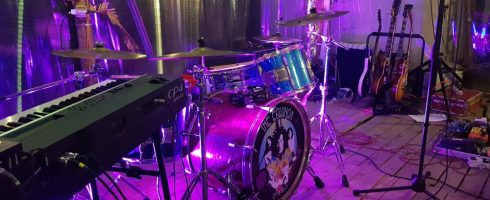
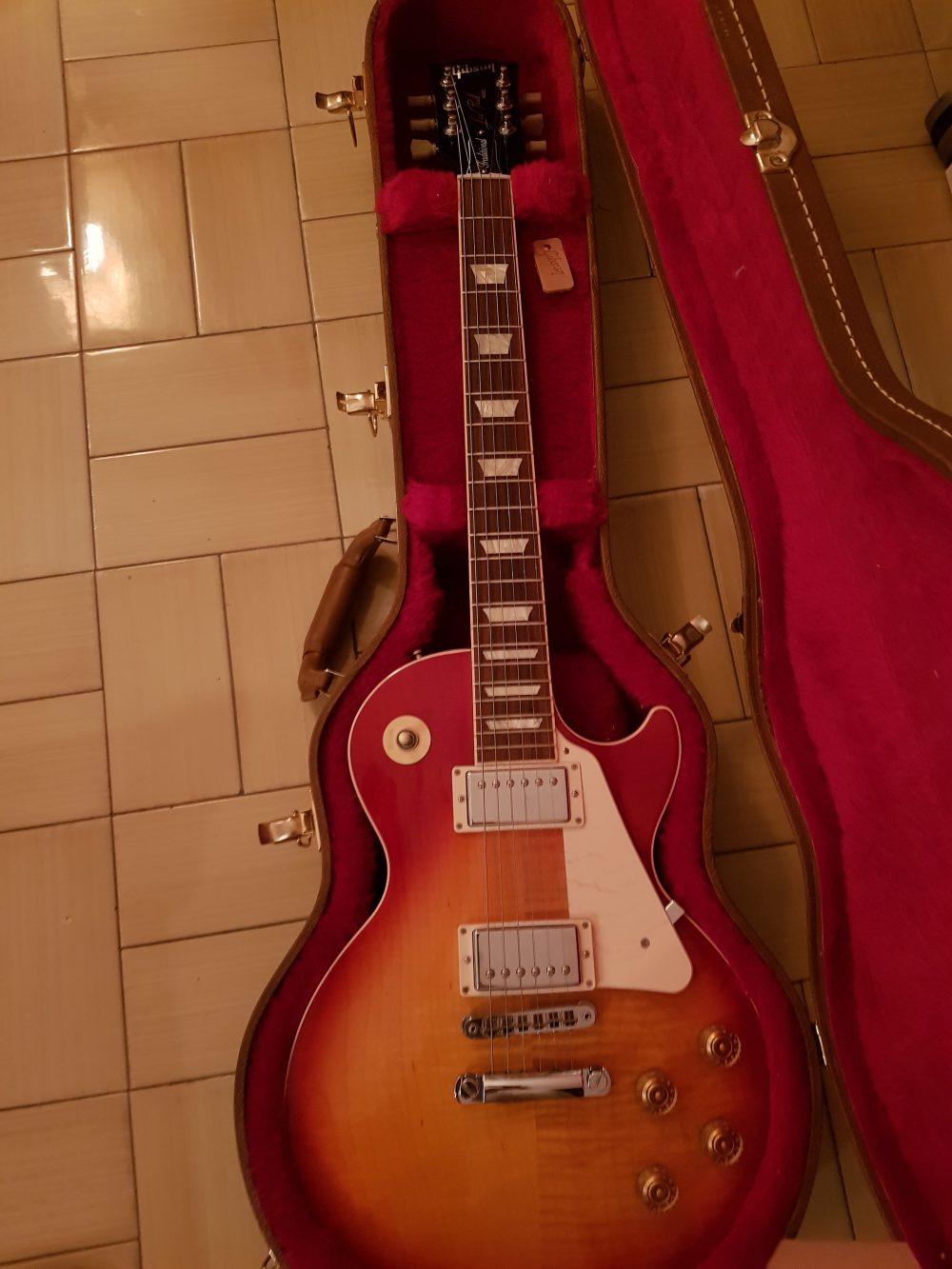
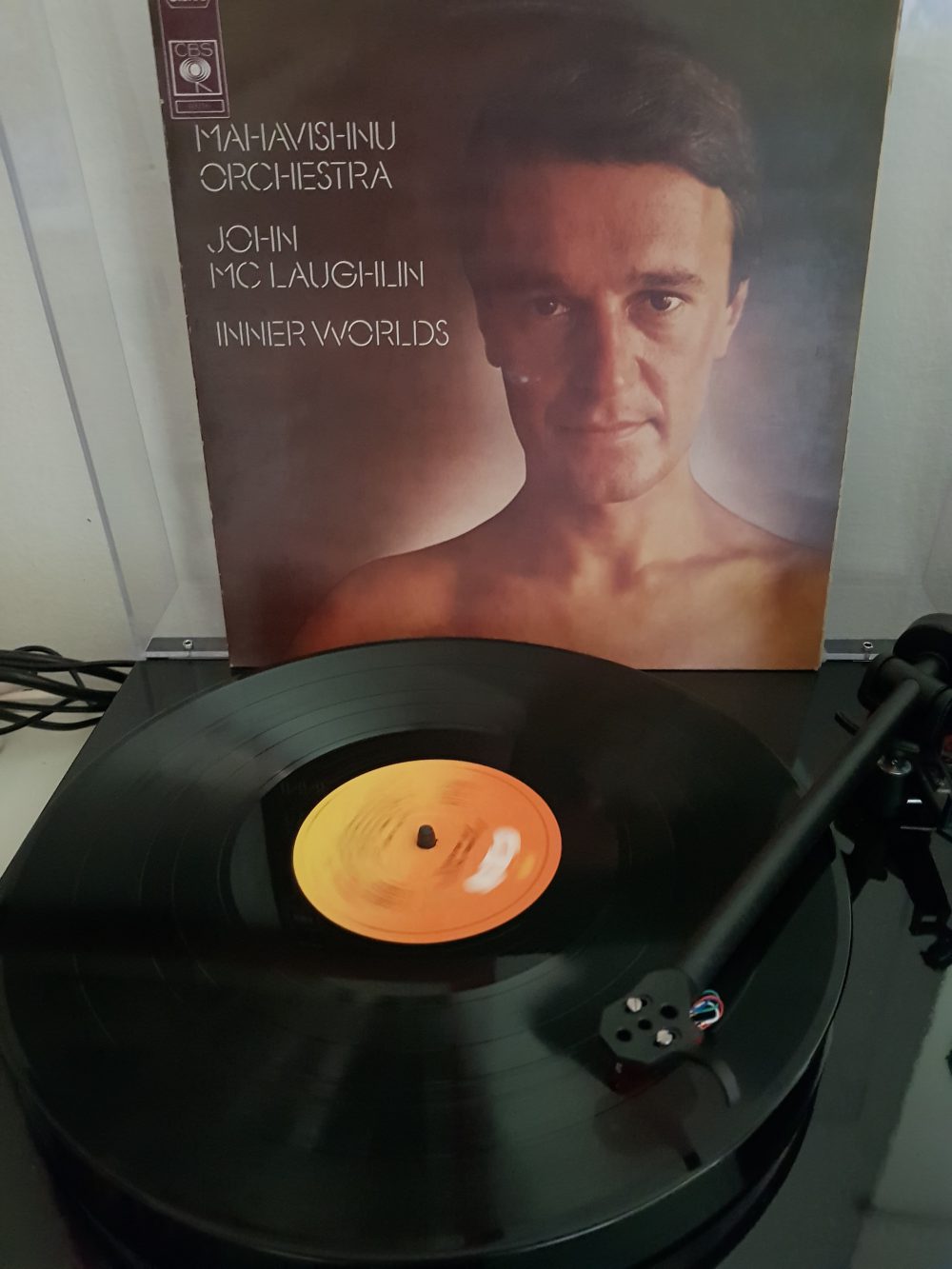
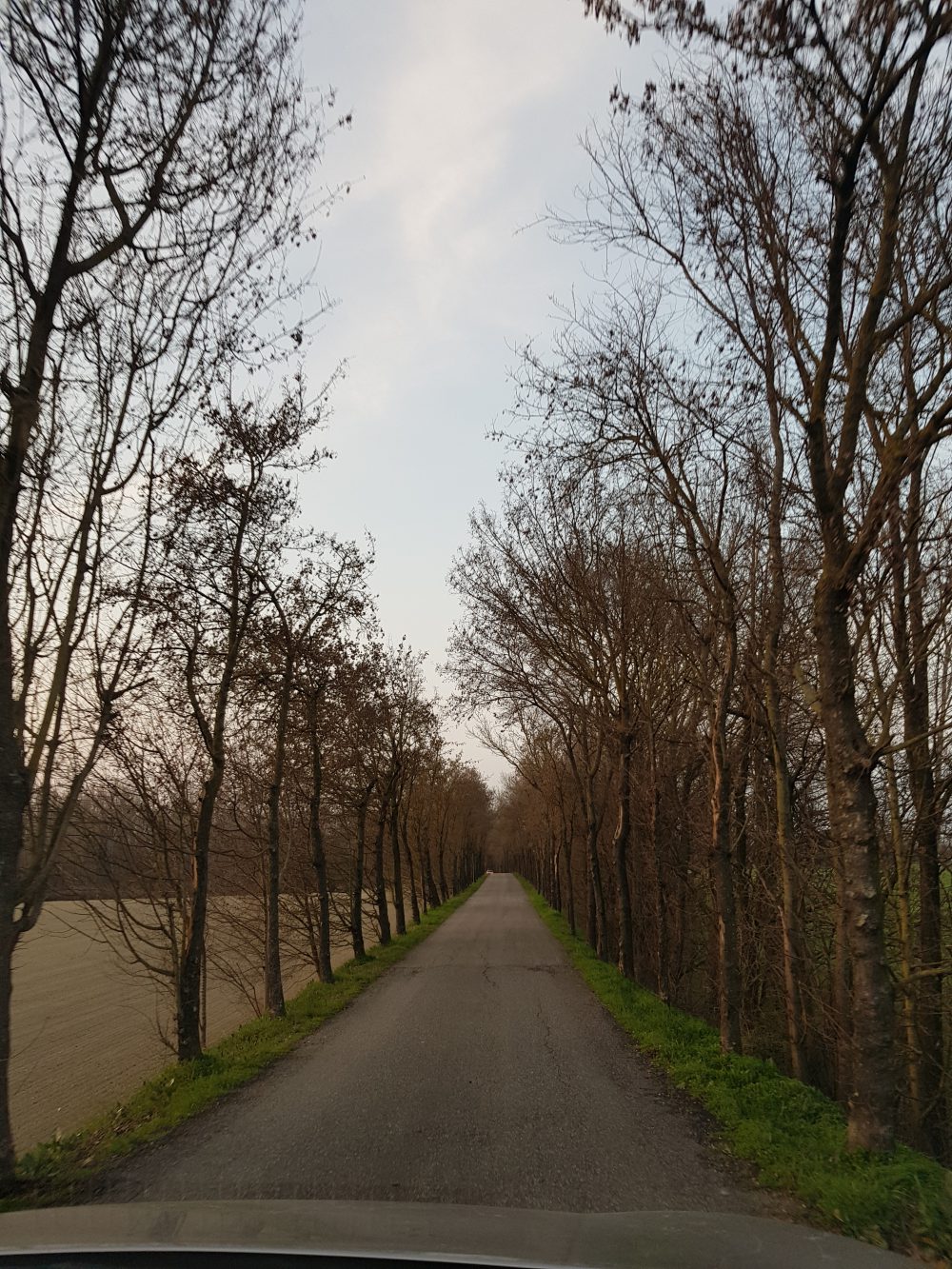
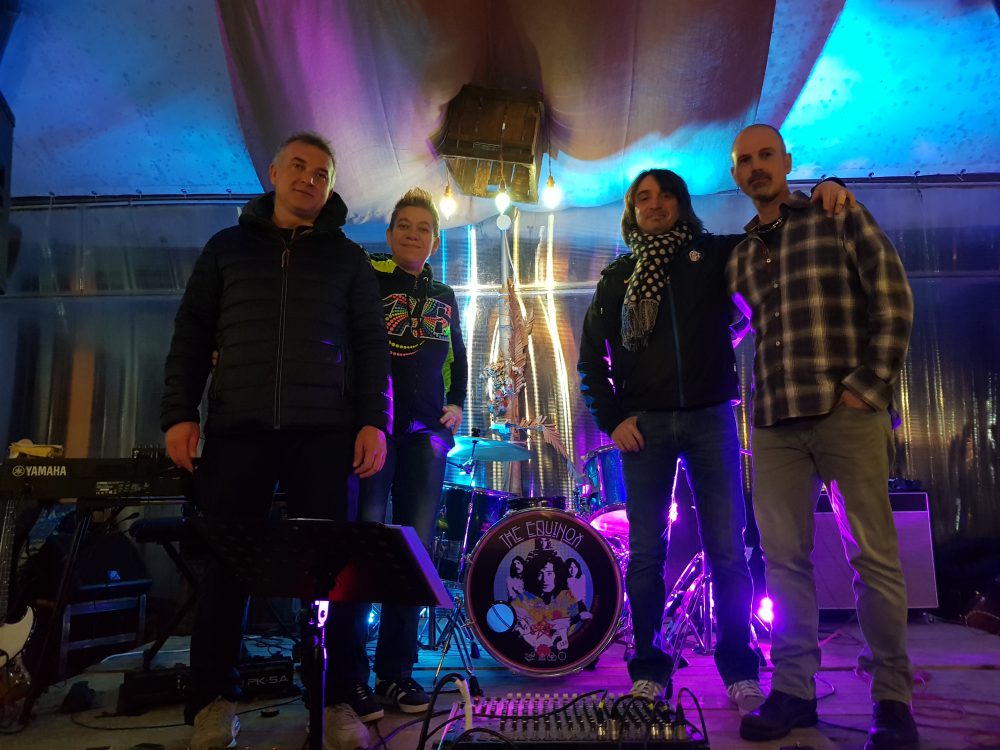
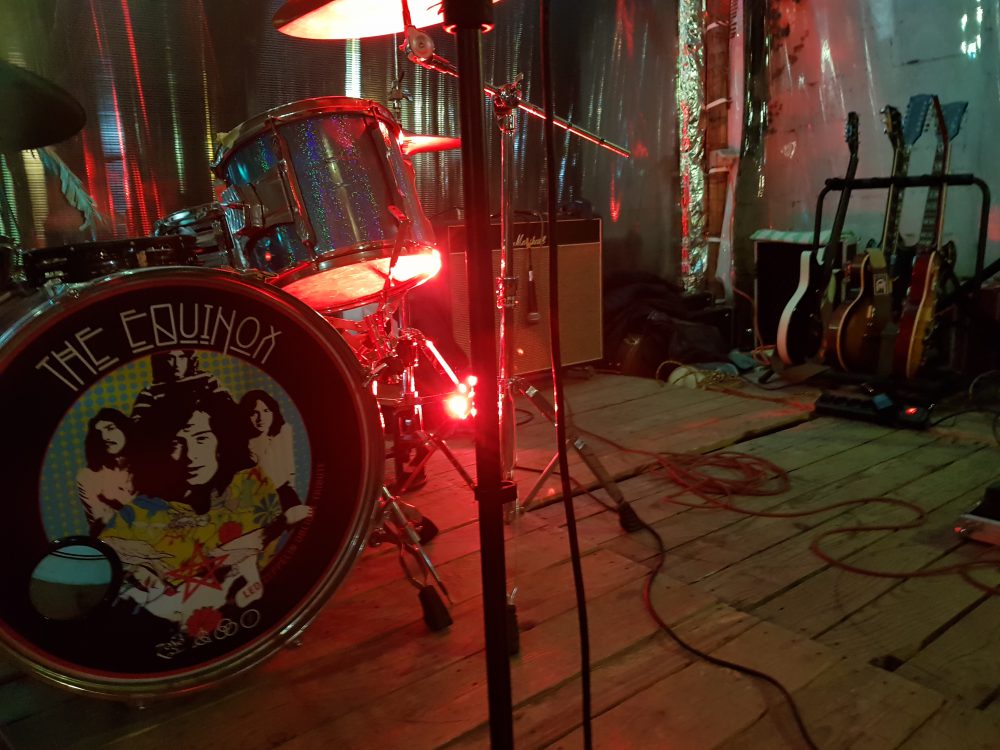


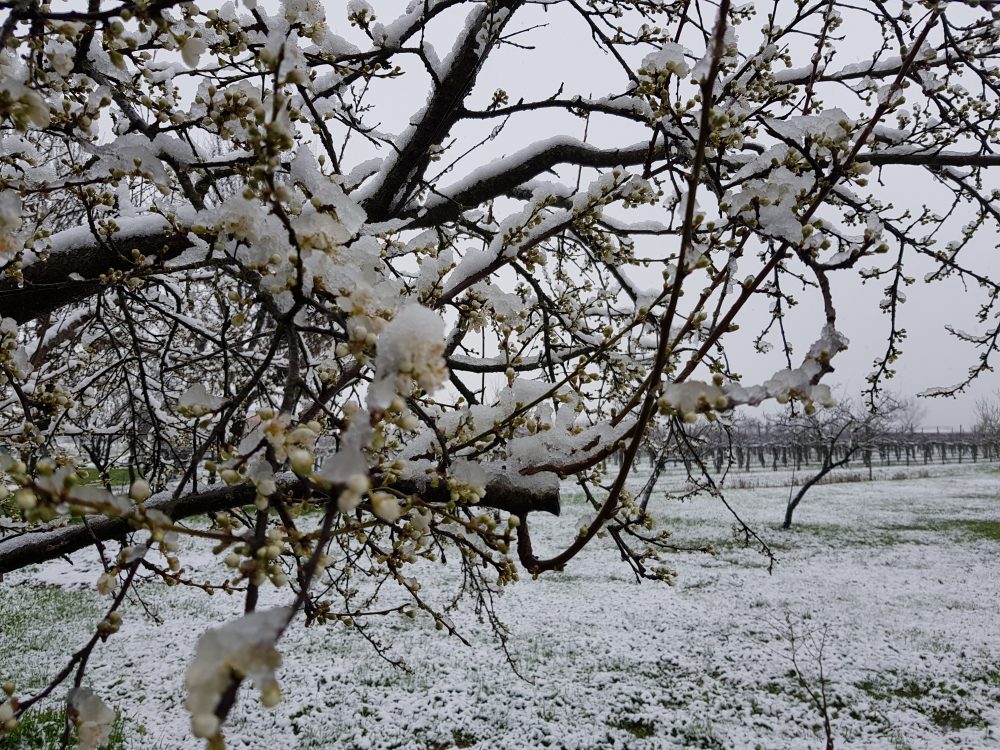

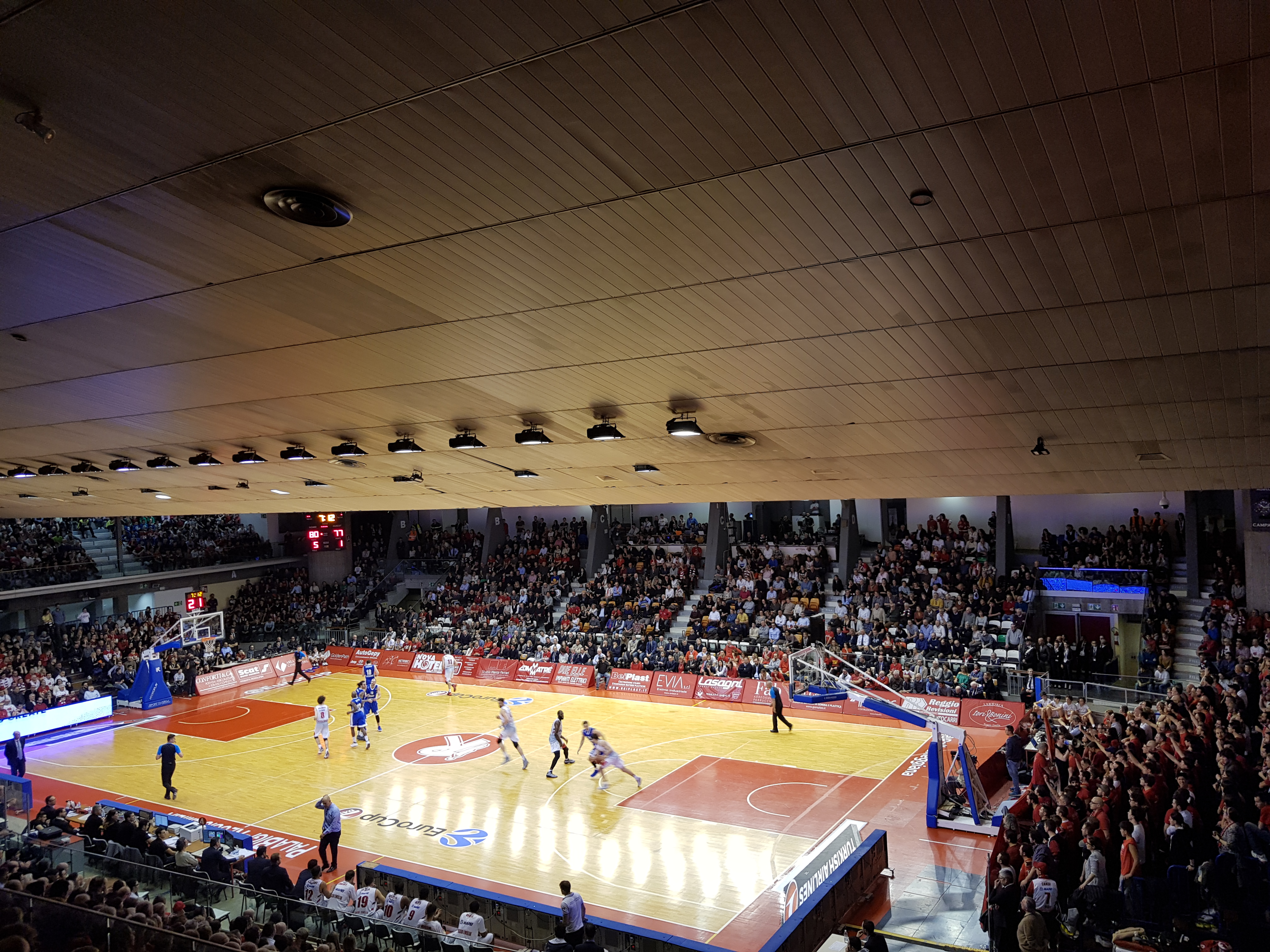


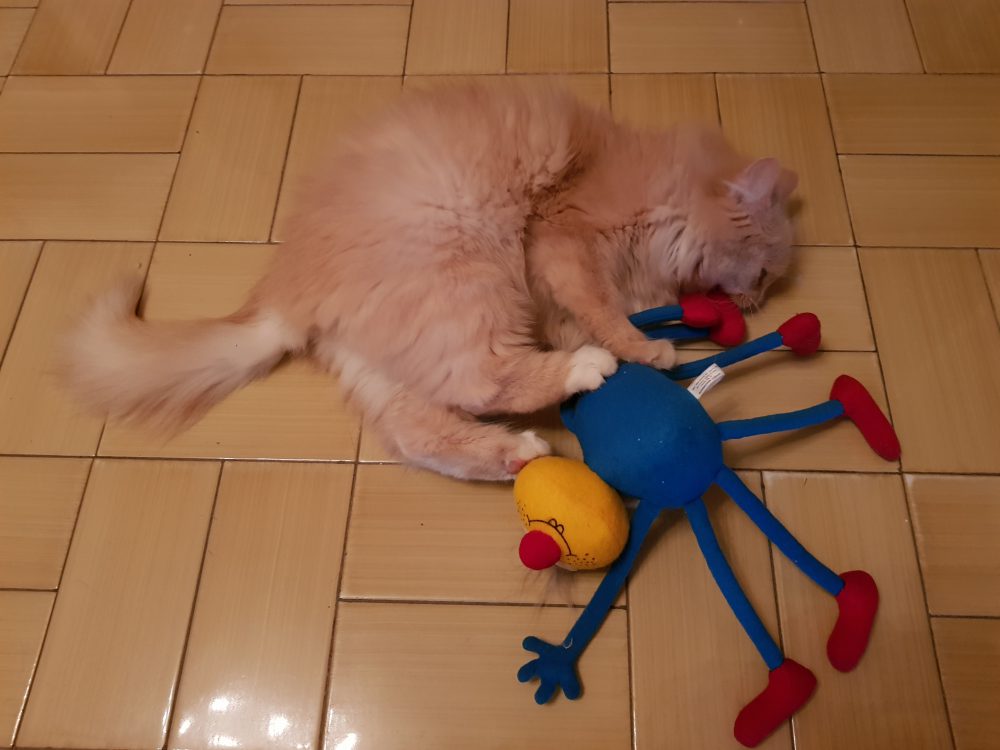

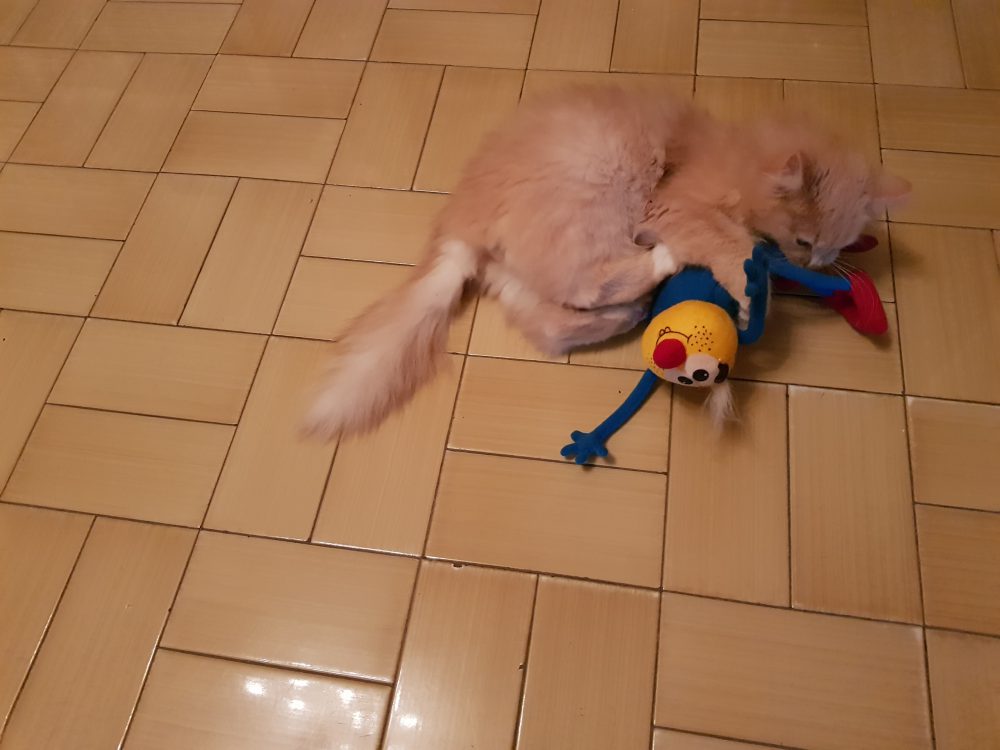


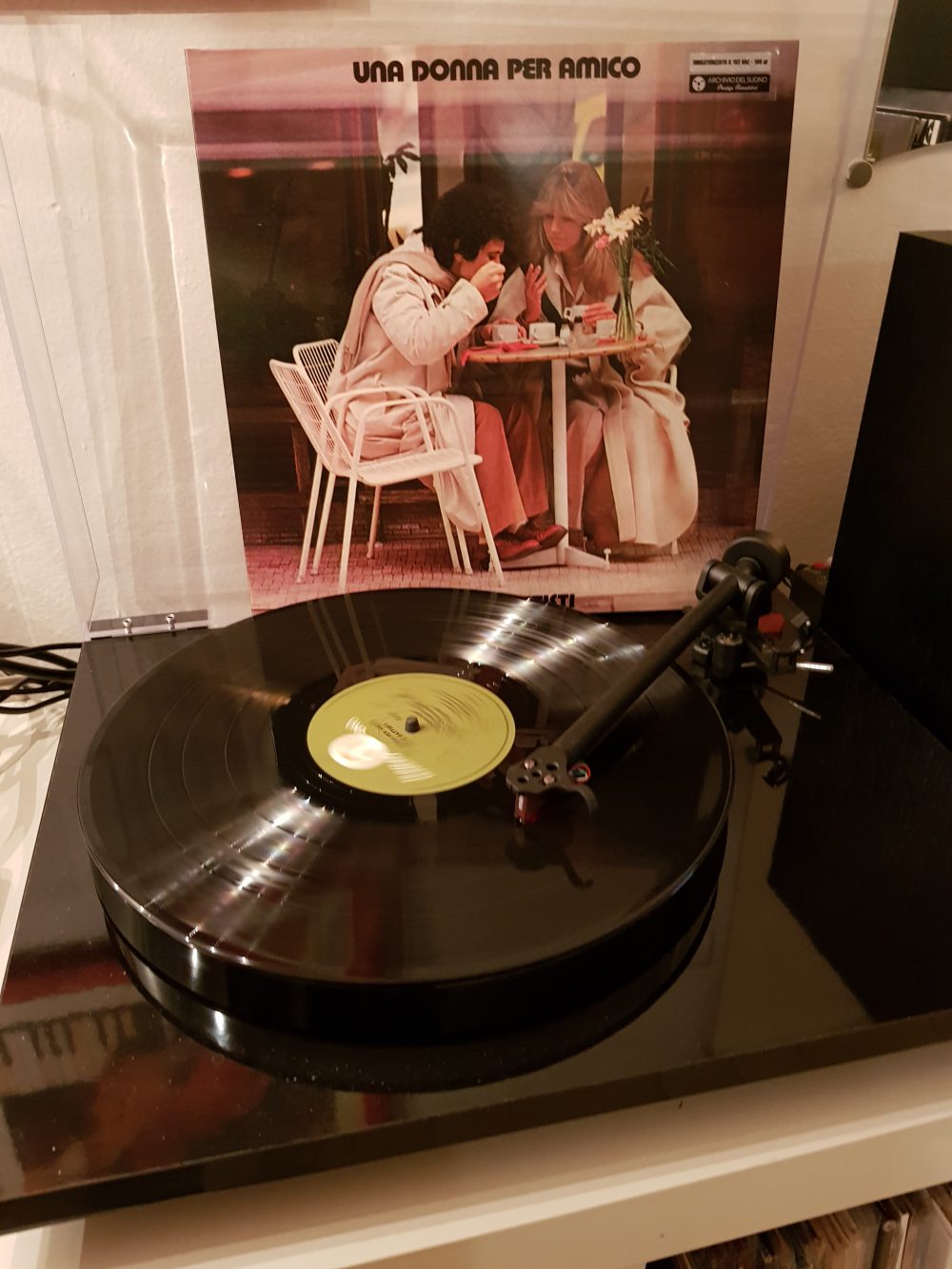

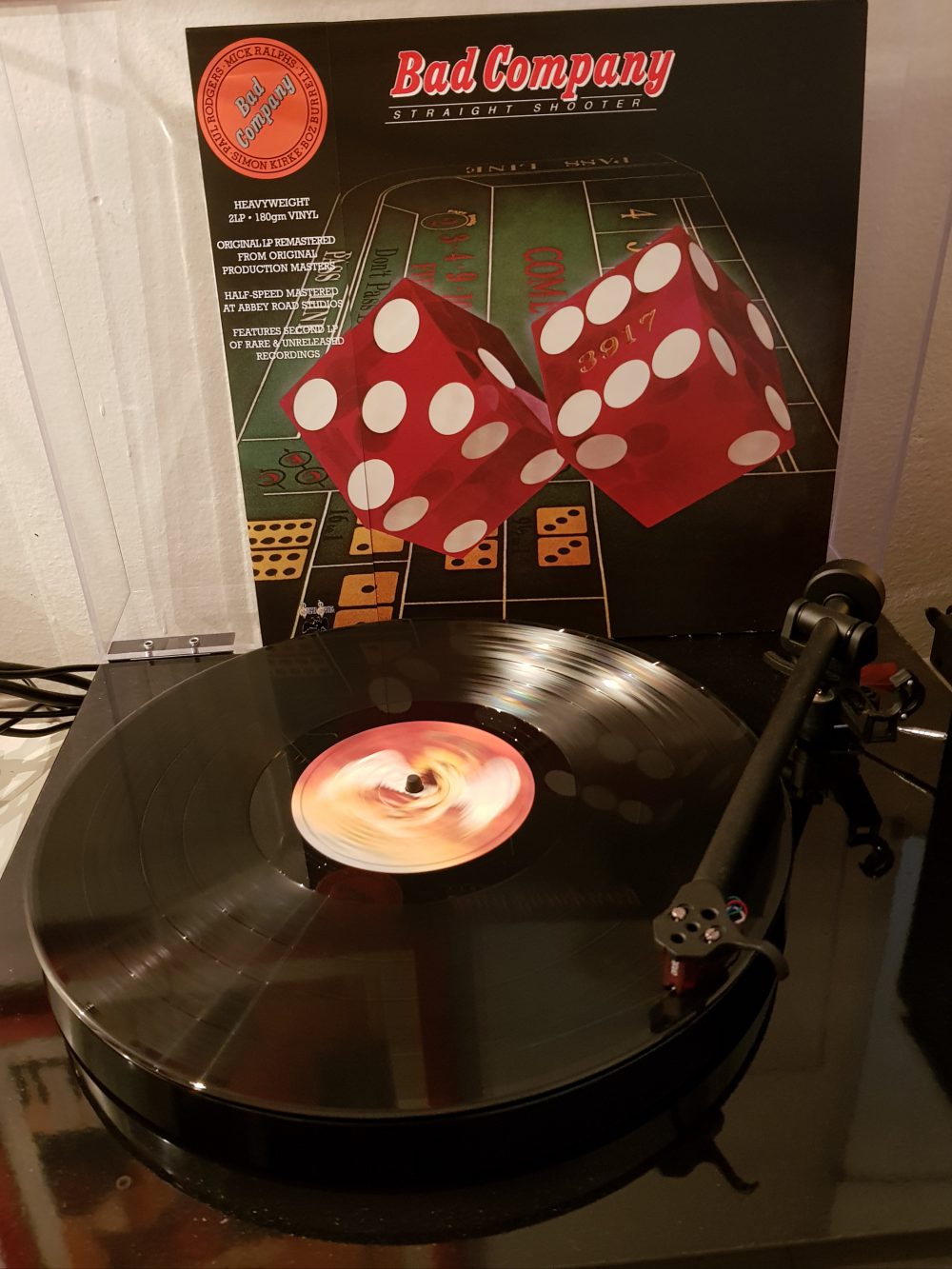



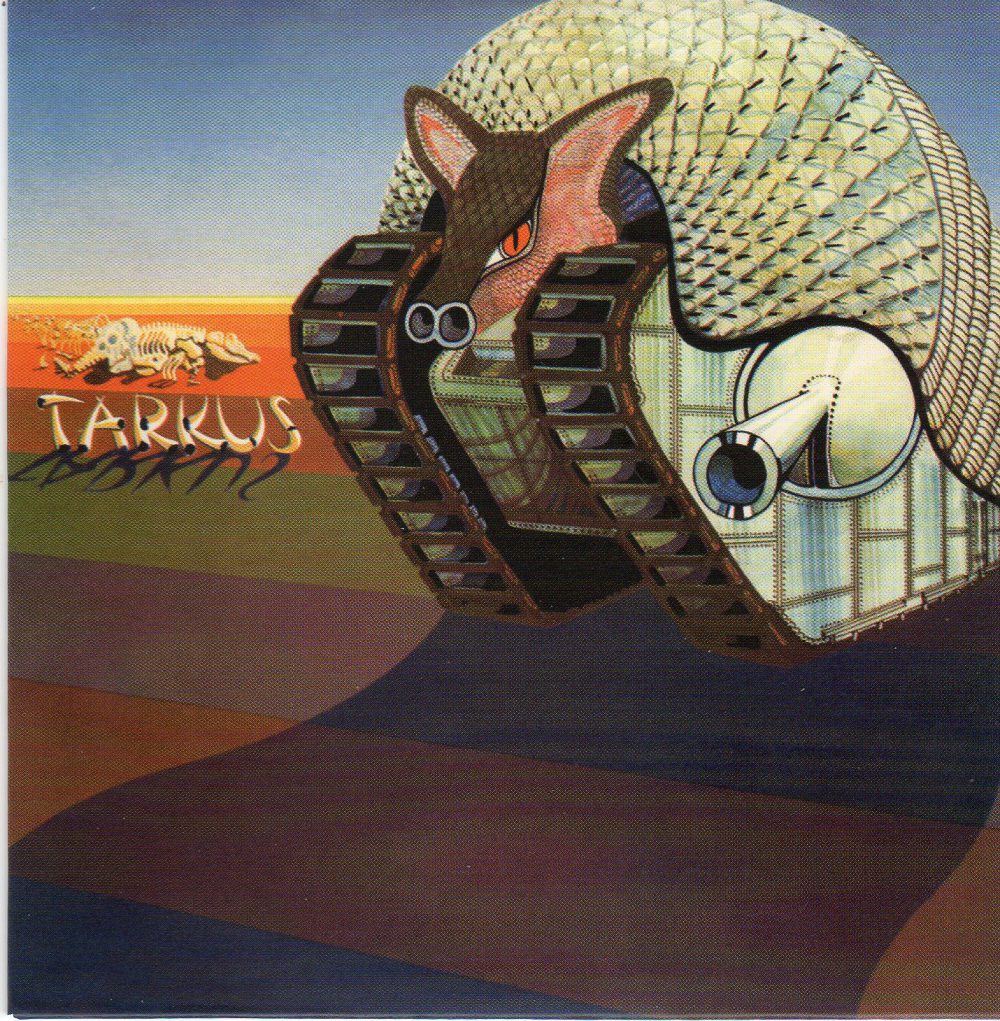
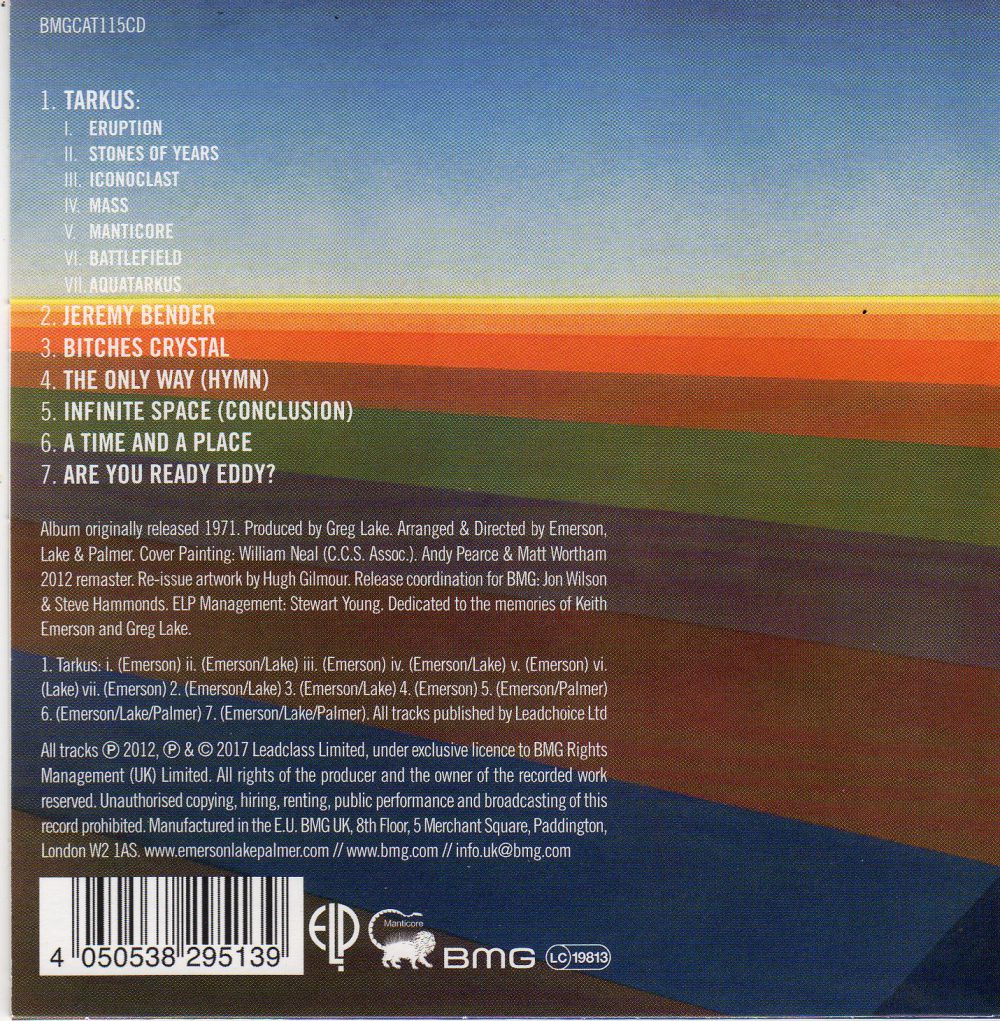
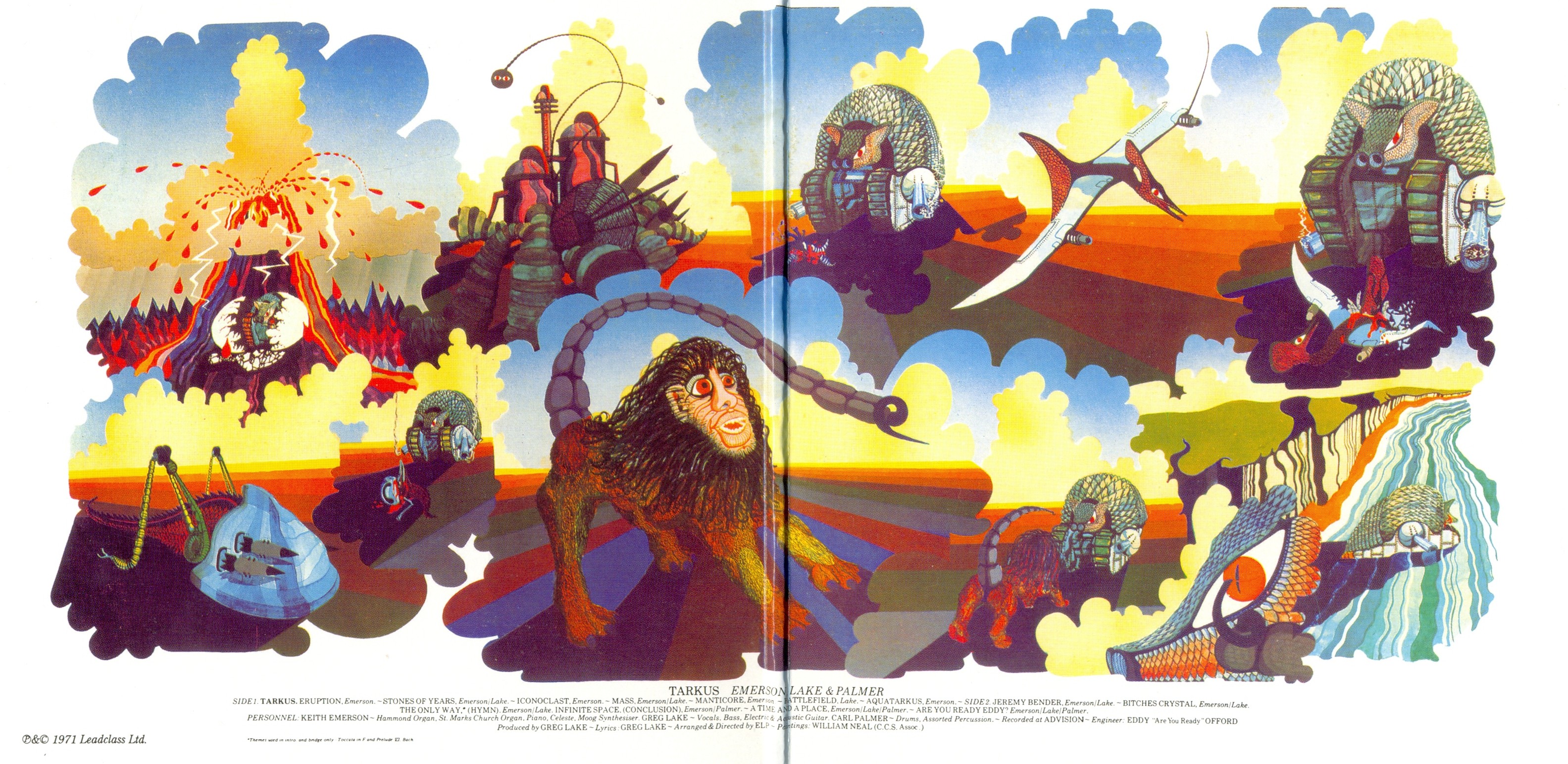


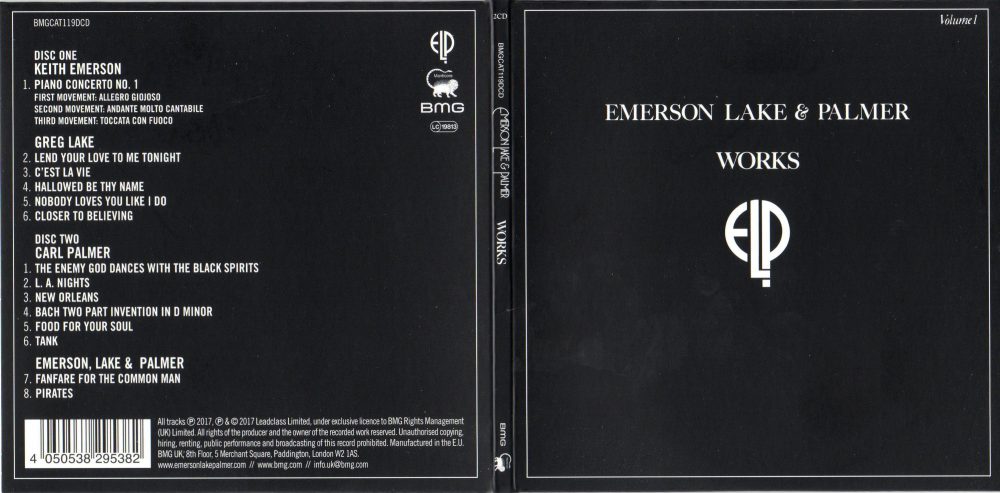
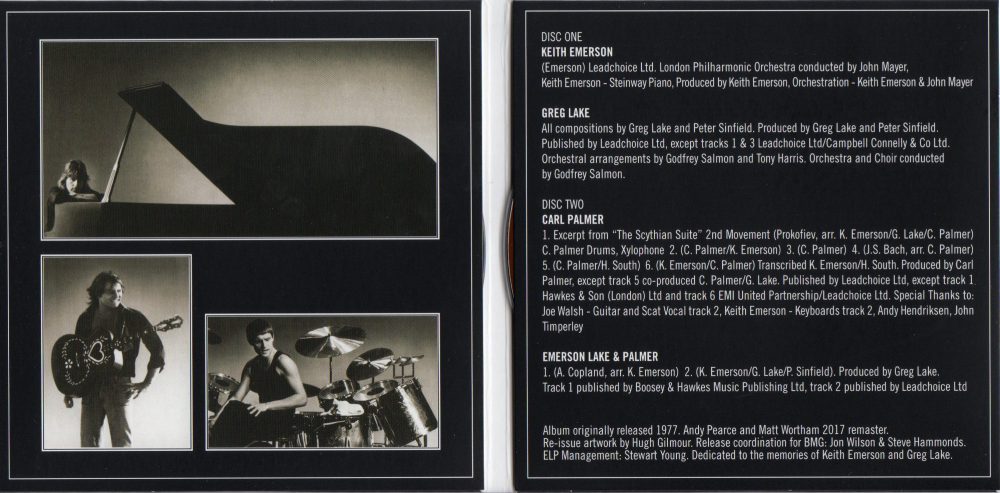


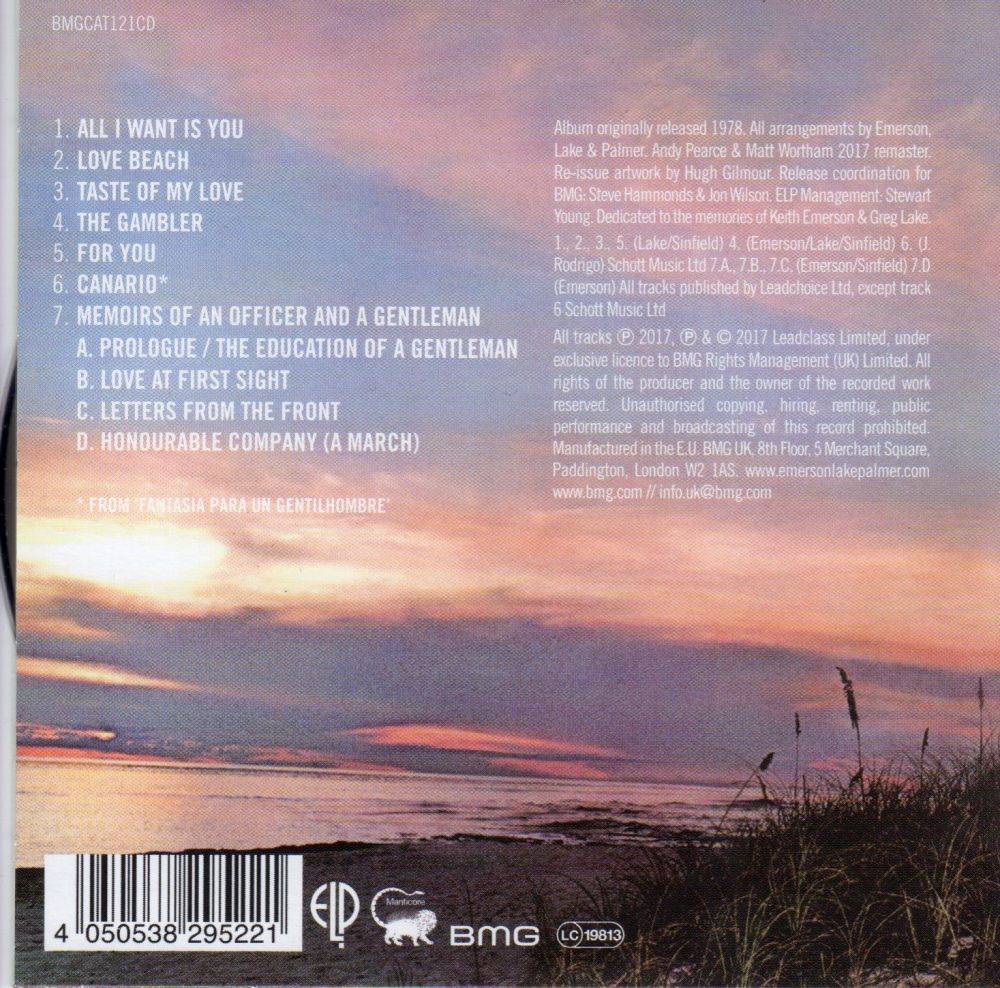
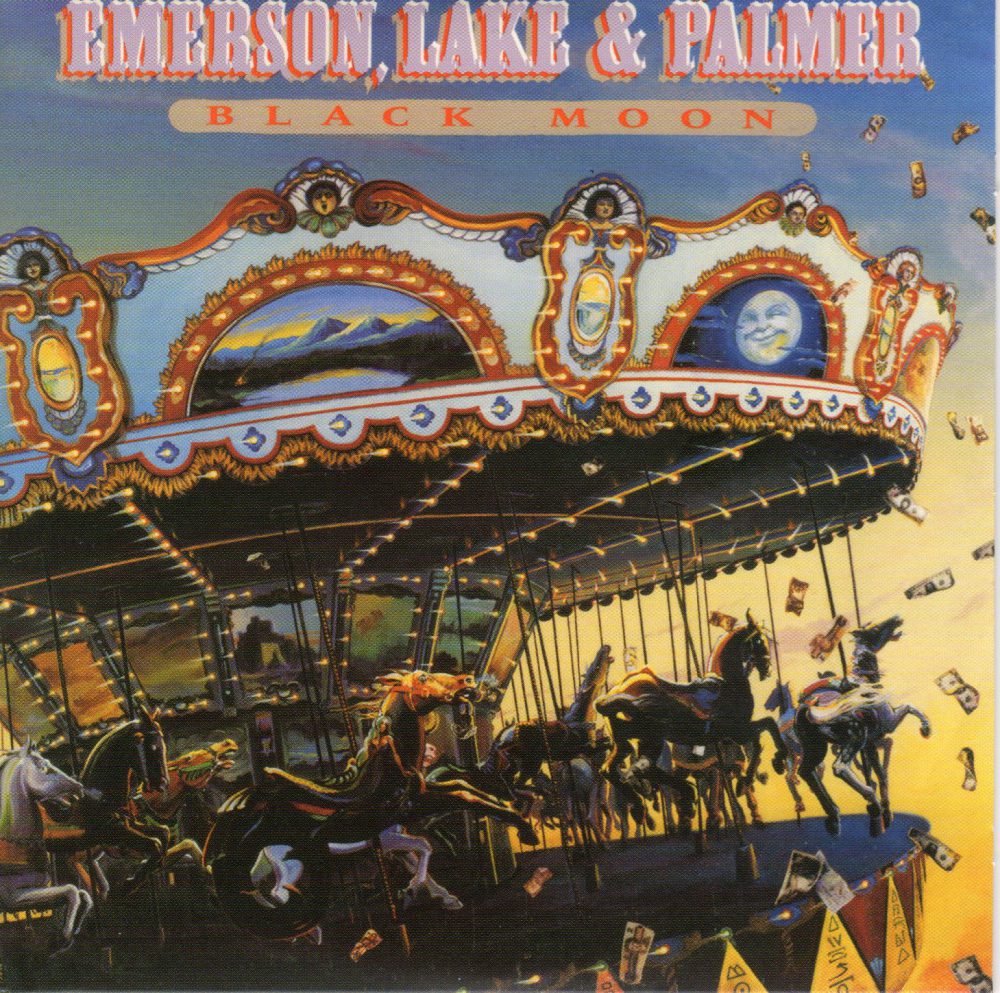
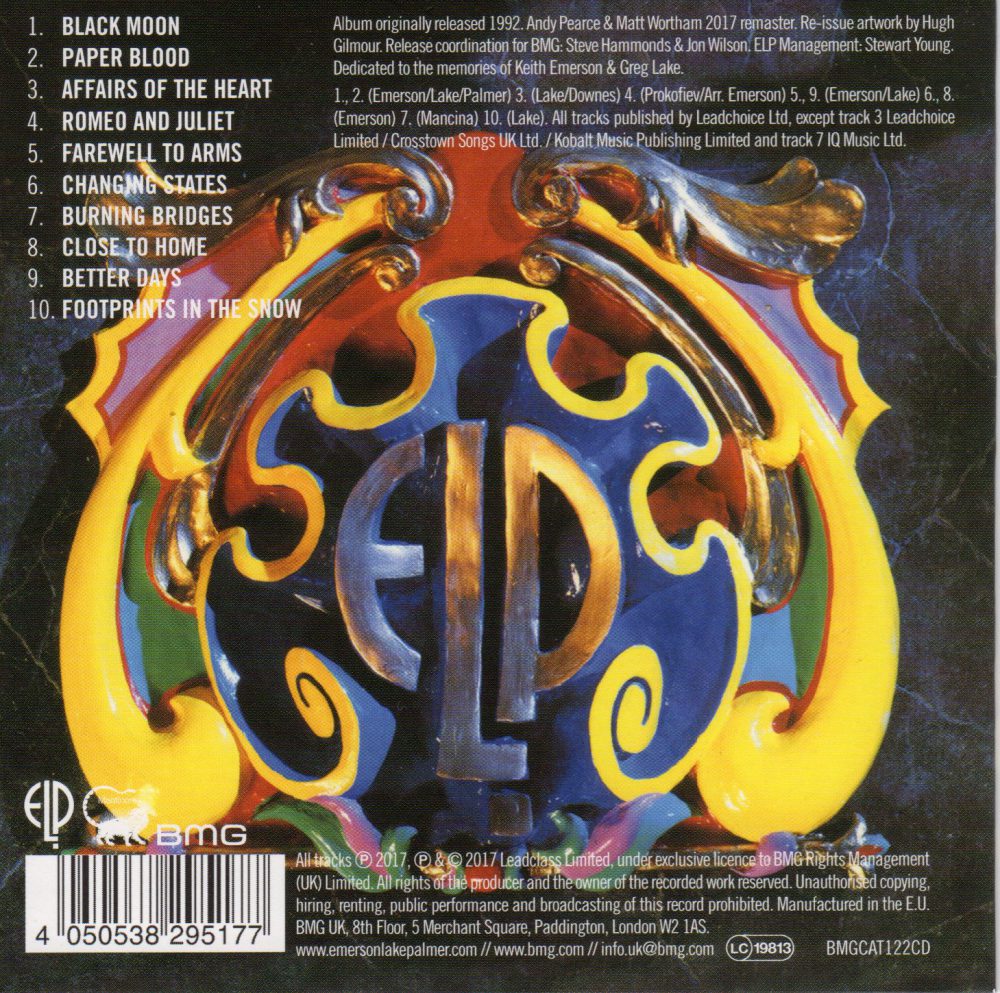


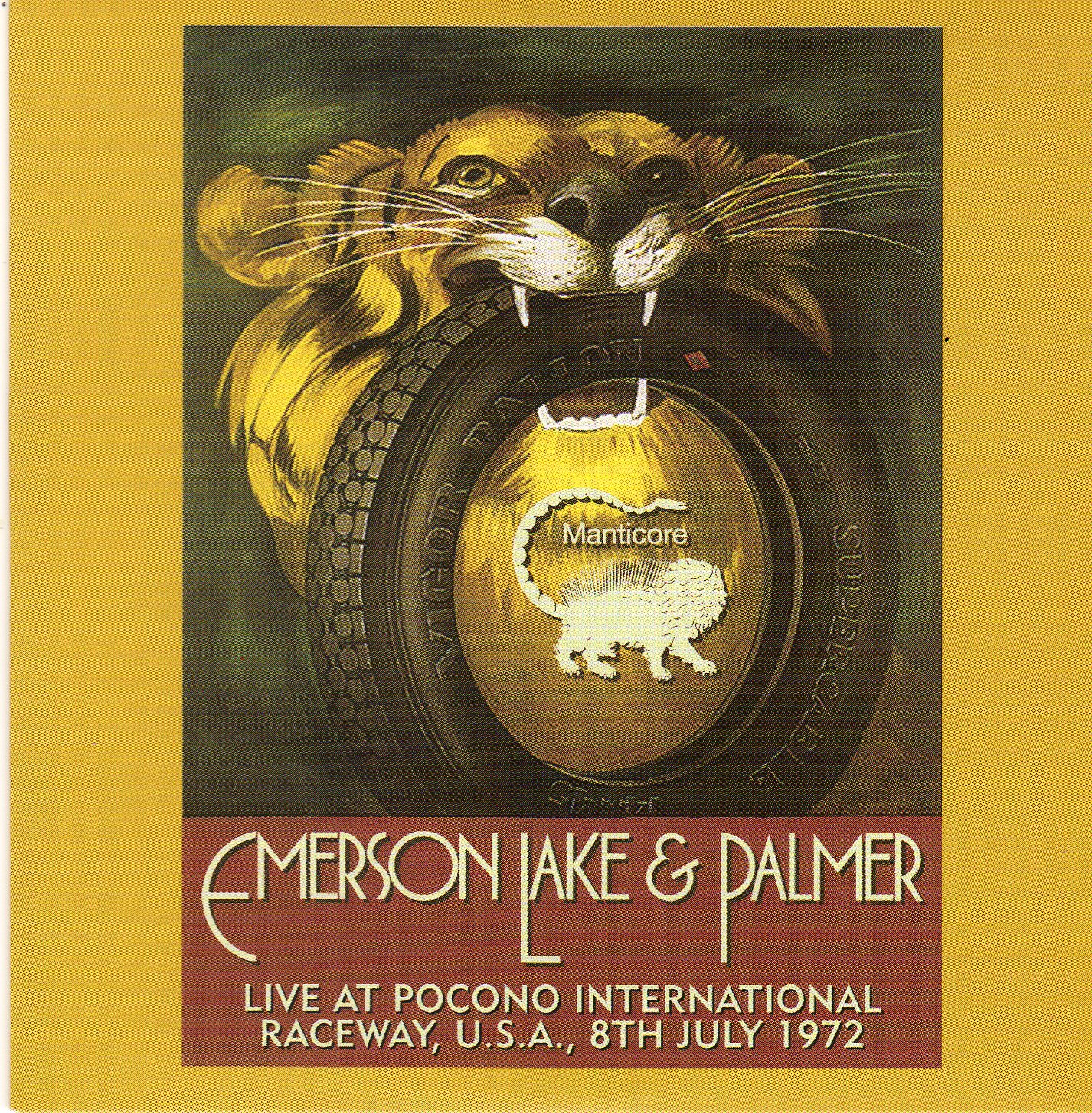

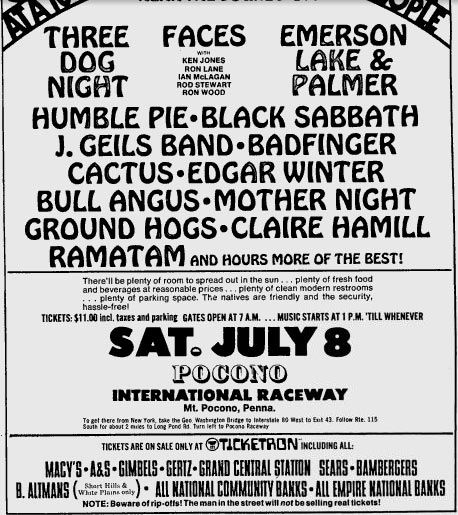

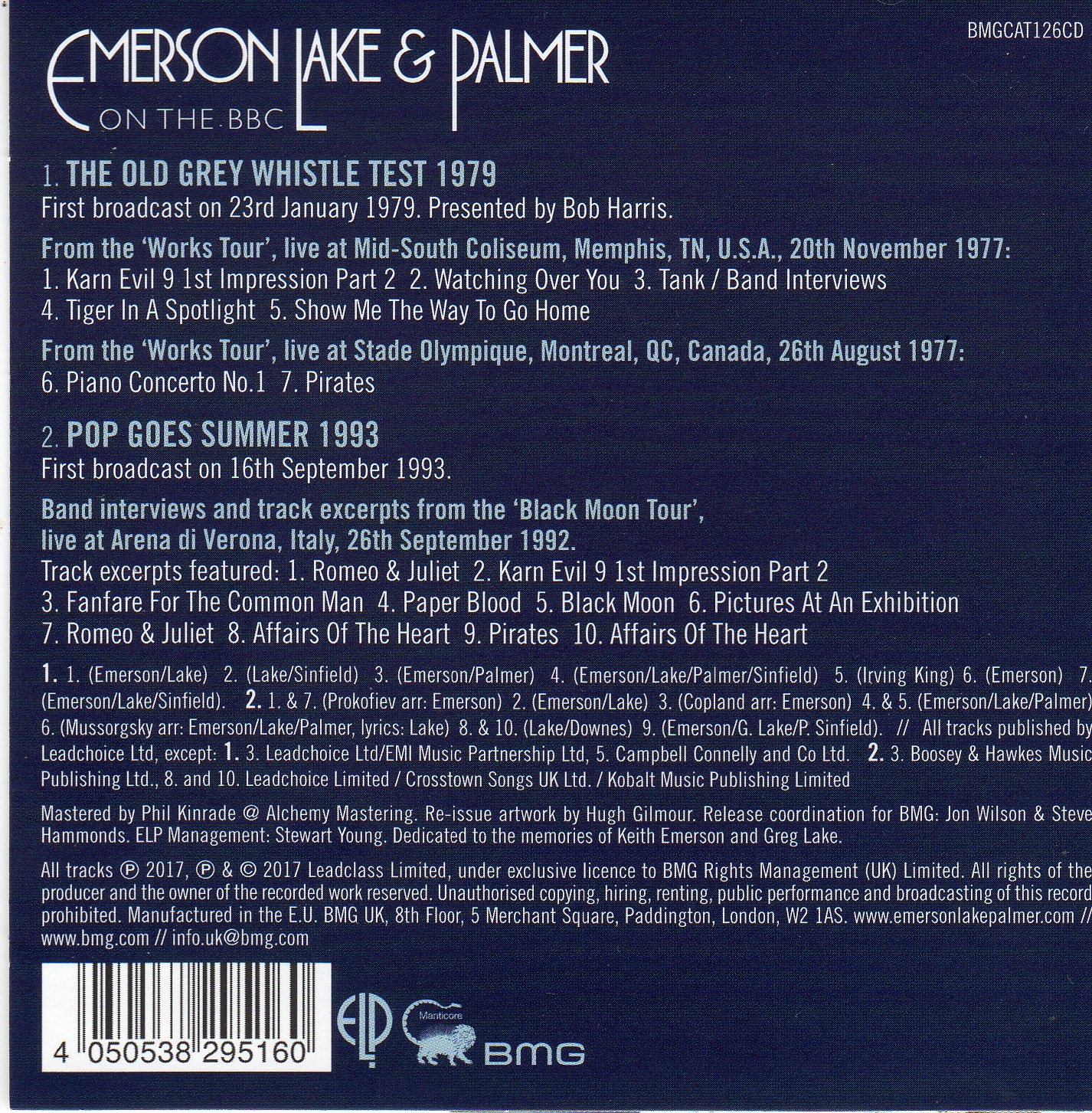


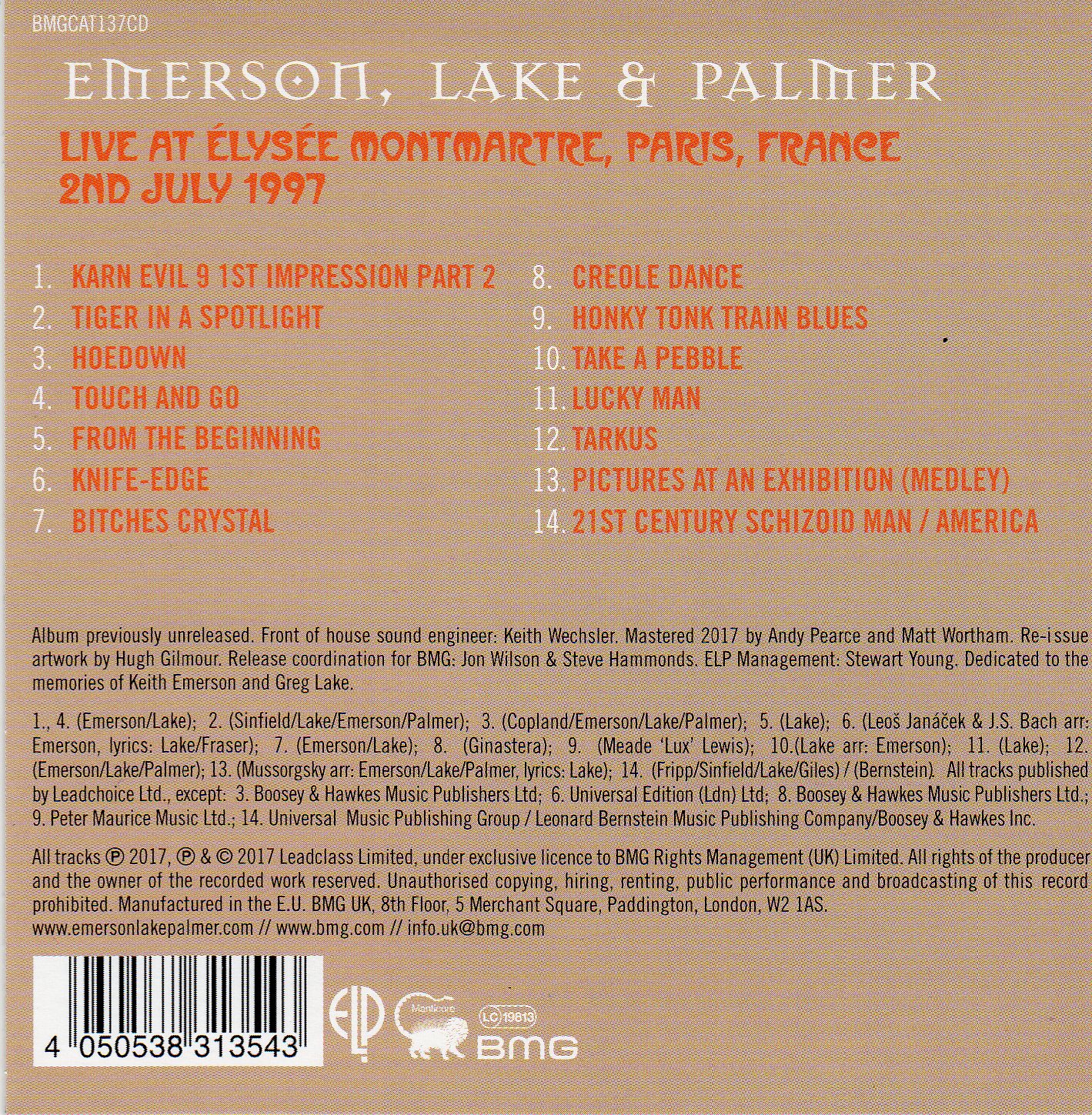
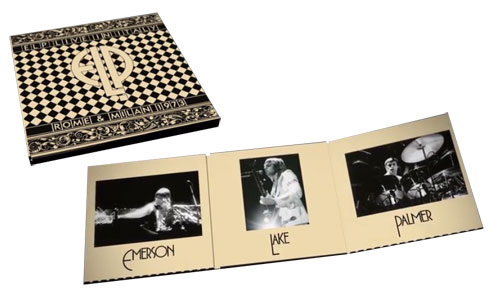
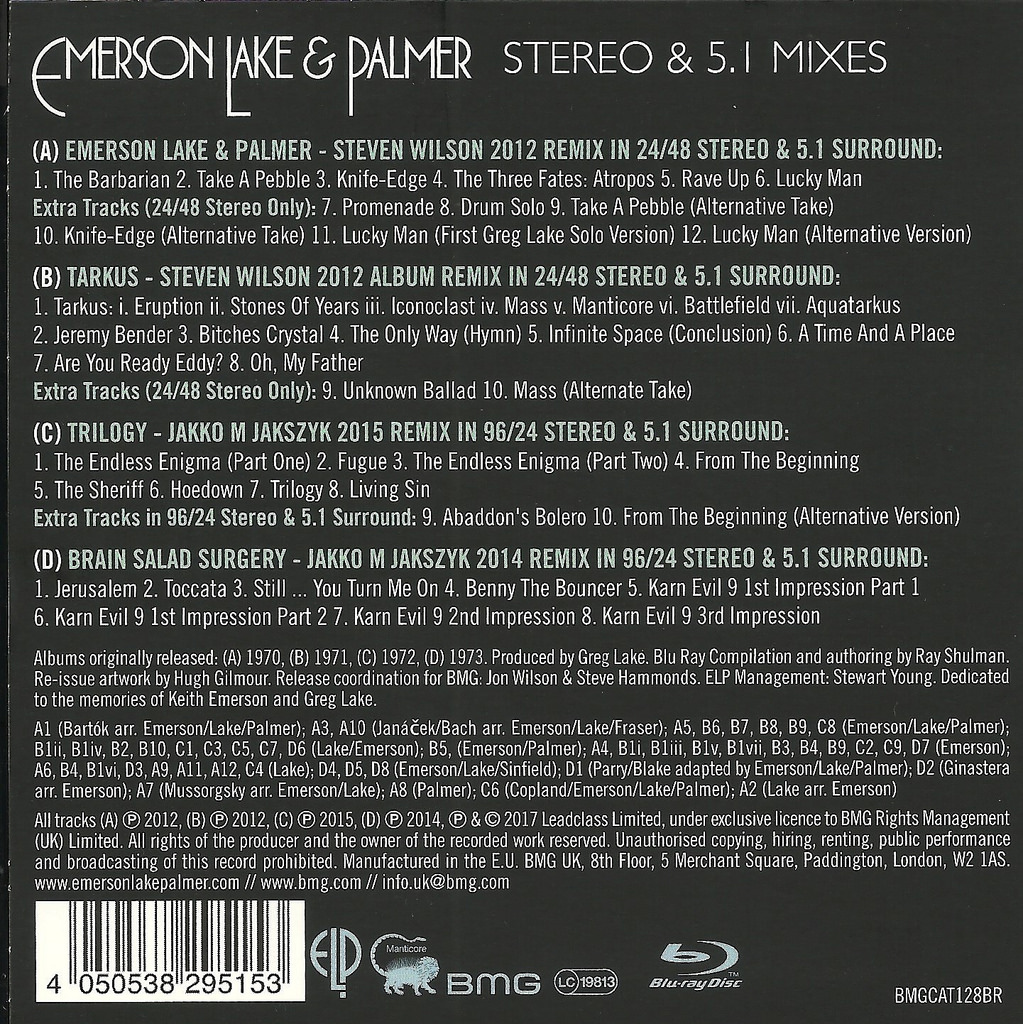




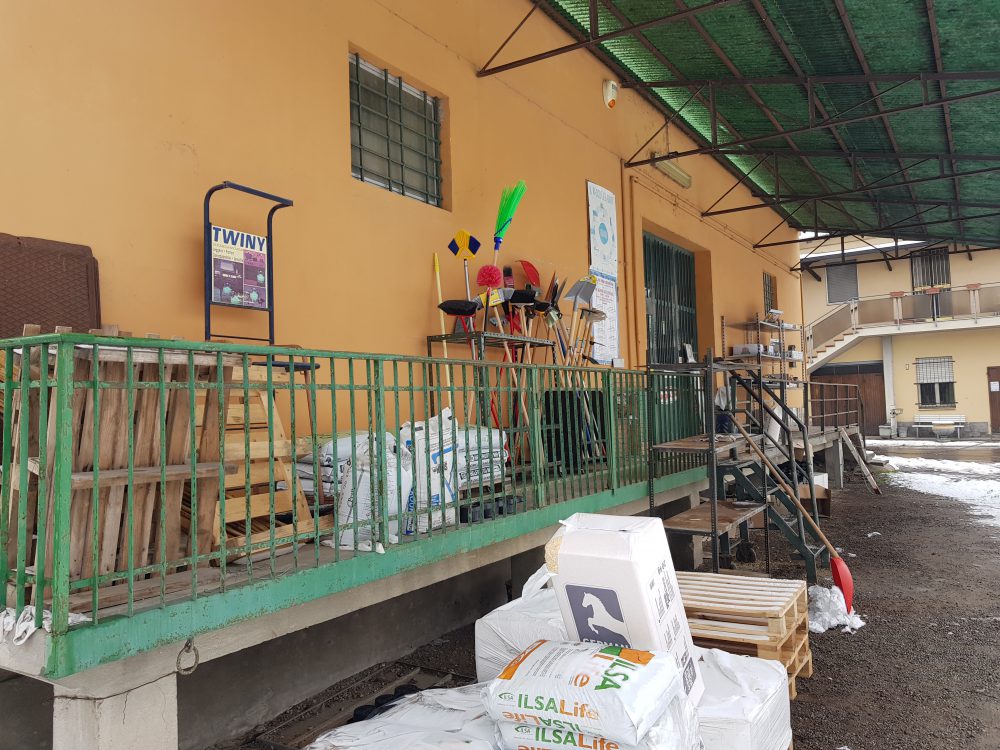

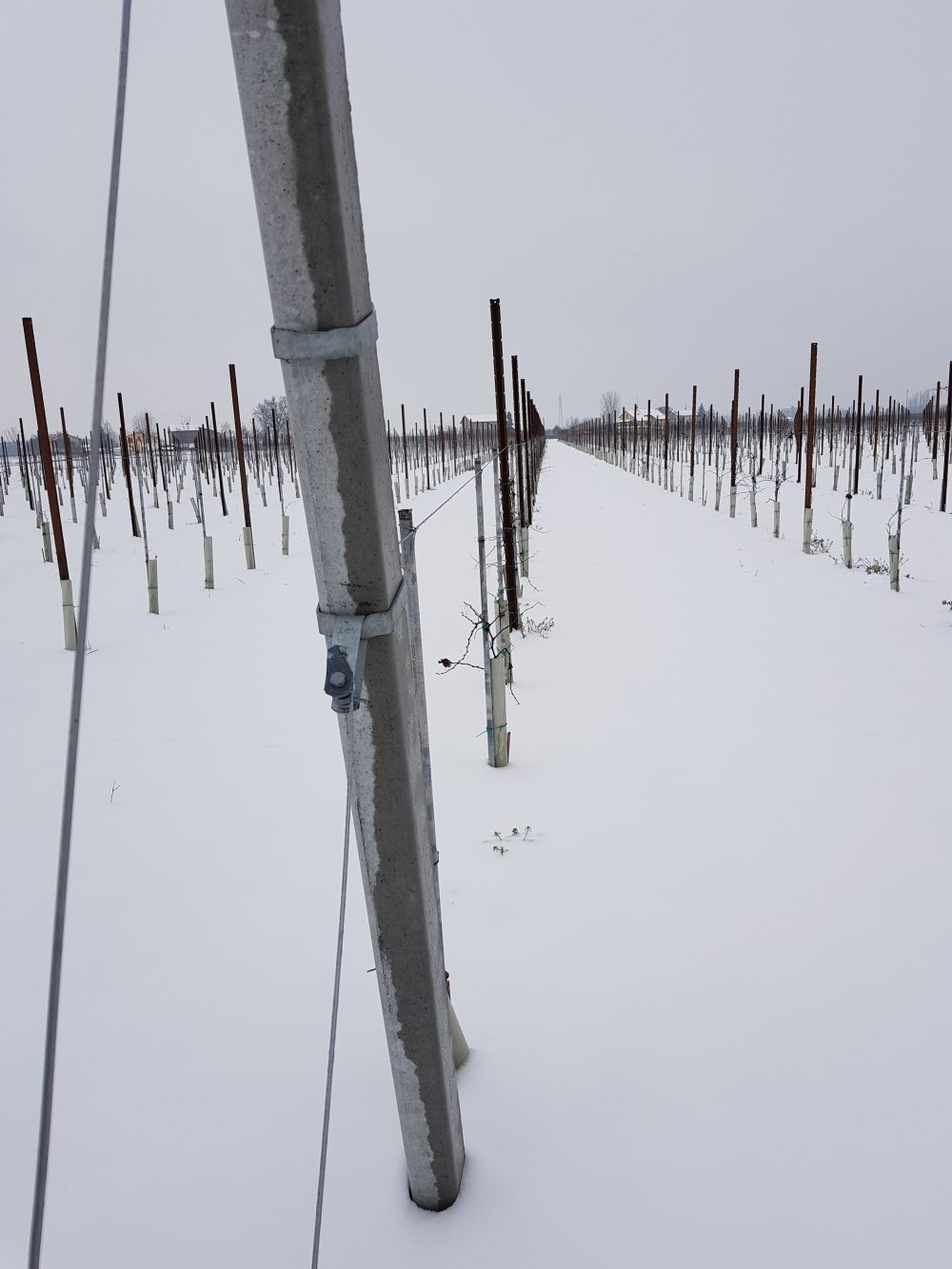
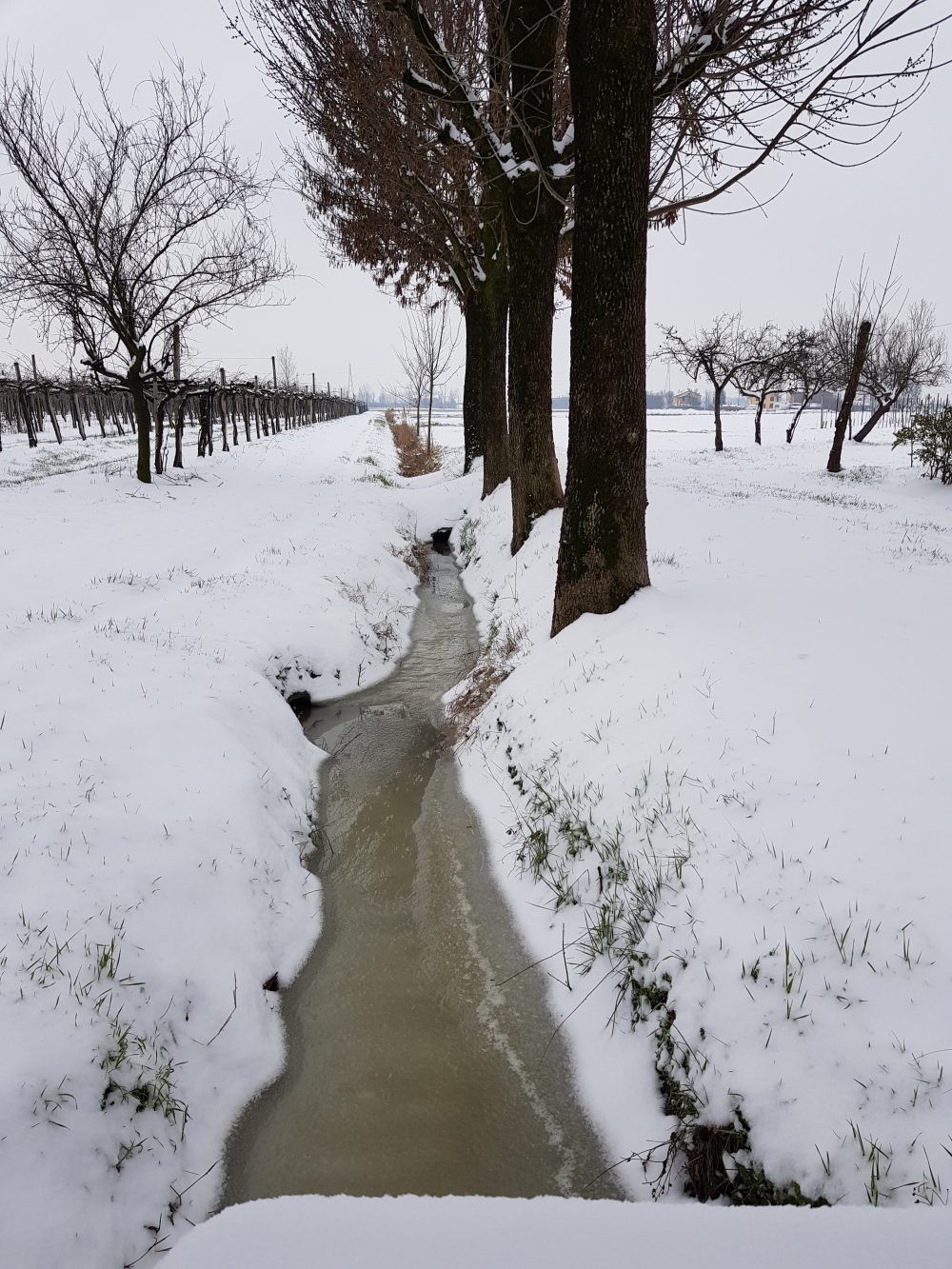
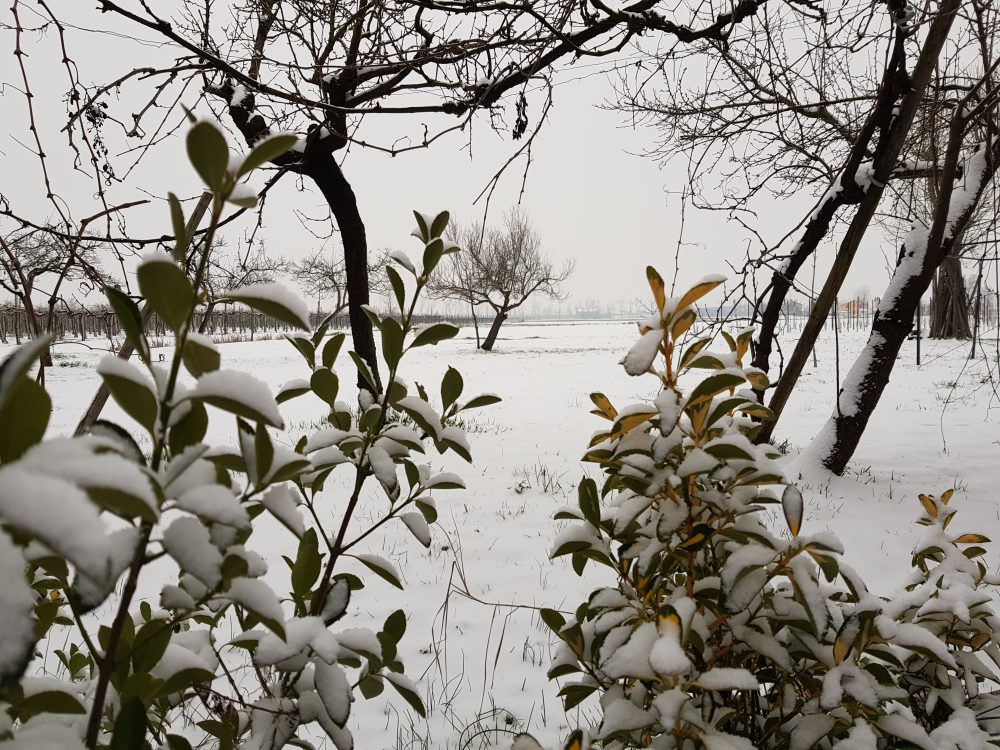


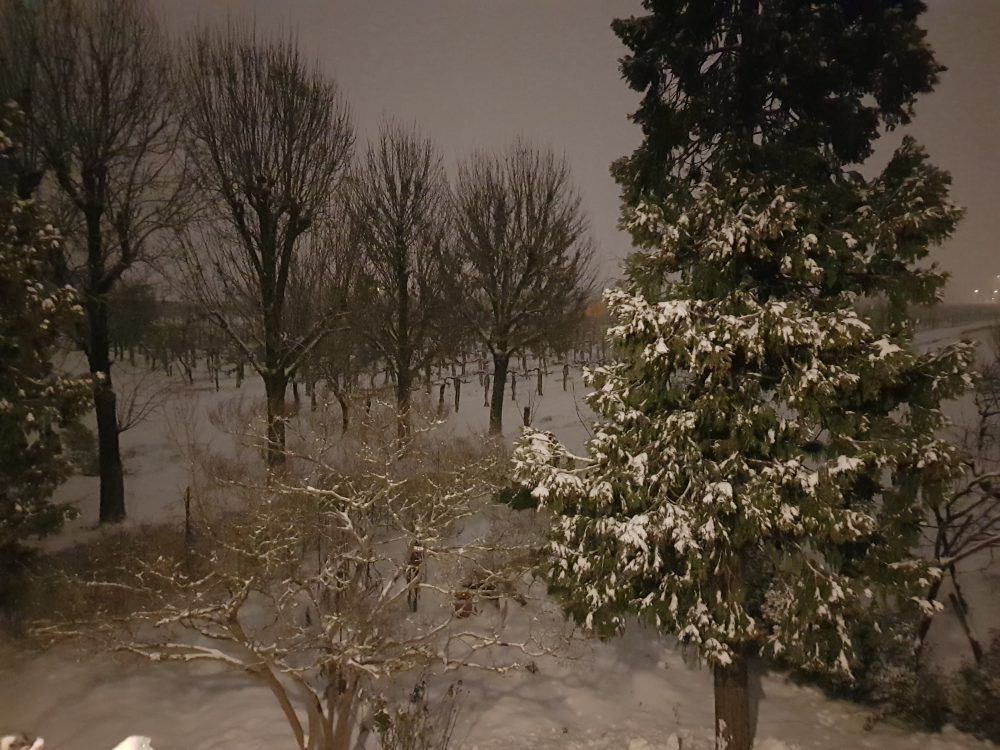

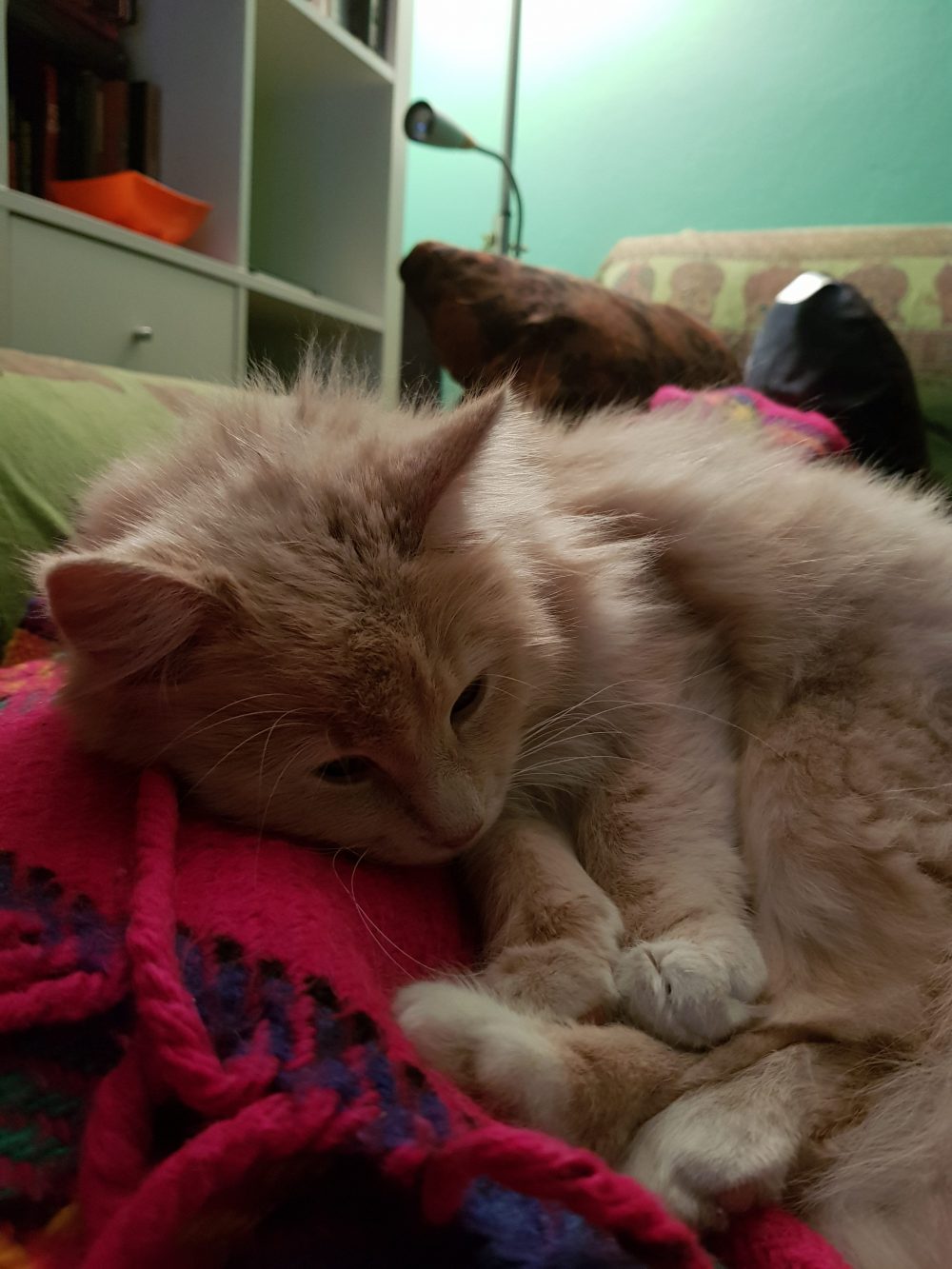


 timtirelli
Commenti recenti