Sabato 23 giugno, ore 16,55, partiamo per Gardone Riviera, all’Anfiteatro del Vittoriale si terrà il concerto di Jeff Beck, non potevamo certo perdere l’occasione di rivedere on stage the Guv’nor.
La mildly blues mobile rolla placida sull’autostrada.
Highway – Jeff Beck – Gardone Riviera 23/6/2018 – foto Saura T.
Alle 18,30 siamo quasi a destinazione, sulla statale che costeggia il lago c’è un po’ di traffico, serve un’altra mezz’oretta.
Jeff Beck – Gardone Riviera 23/6/2018 – foto Saura T.
10,50 euro per il parcheggio, il panorama è strepitoso, iniziamo sentirci bene.
Jeff Beck – Gardone Riviera 23/6/2018 – foto TT
L’entrata del Vittoriale è a Gardone alto, piccolo borgo suggestivo, nella piazzetta antistante incontro il mio amico di lunga data Frank Romagnosi, anche lui testa di piombo come me. Chiacchieriamo amabilmente con lui e Silvia, mentre arrivano anche Marco Borsani e Sara. Marco lo conosco dai tempi della fanzine. Si parla di Led Zeppelin ovviamente. Un saluto veloce anche a Paolo Bolla di Schio Life, con cui abbiamo passato avventure Wakemaniane e Yessiane sia a Vicenza che a Londra.
Alle 20 entriamo. Siamo in posizione ottima, seconda fila sulla sinistra guardando il palco, a due passi dagli amplificatori di Jeff, su cui capeggia la scritta “Becktone”. Frank e Silvia sono sulle gradinate (dove mi dicono altri amici c’è anche Maurizio Solieri, storico chitarrista di Vasco Rossi).
Jeff Beck – Gardone Riviera 23/6/2018 – foto TT
L’anfiteatro è molto carino, l’atmosfera perfetta: il tramonto, il Lago di Garda e pini e cipressi a far da cornice. Il posto tiene 1500 persone, l’ideale per assistere come si deve ad un concerto.
Jeff Beck – Gardone Riviera 23/6/2018 – foto TT
Frank dalle gradinate scatta una foto da cui si capisce il bel quadro in cui siamo. Sulla sinistra, vicino al tizio che alza il braccio si riconosce la testina bionda di Saura.
Jeff Beck – Gardone Riviera 23/6/2018 – foto Franco Romagnosi
Anche per questo concerto non ho voluto documentarmi, non so nulla di scaletta e formazione, so solo che c’è la grande Rhonda Smith al basso (che abbiamo già visto a Lucca nel 2010) e Colaiuta alla batteria. A loro si aggiungono la violoncellista Vanessa Freebairn-Smith e il cantante Jim Hall.
Ore 21,30 circa, entra la band. Vedere Jeff Beck è sempre una emozione. Domani (il 24 giugno) compirà 74 anni, è ancora molto in forma sebbene i segni del tempo siano evidenti. Forse continuare a presentarsi dal vivo con magliette senza maniche è un azzardo, il gilet poi è troppo corto e quando si volta e dà la schiena al pubblico si nota che non è più un ragazzino. Ad ogni modo, dietro ai suoi Ray Ban scuri, e alla sua chioma tinta si cela ancora un chitarrista straordinario.
Si parte con Pull It dall’ultimo album, un esercizio di riflessi elettrici e sperimentazioni. Jeff indossa la sua Stratocaster bianca con la paletta rovesciata che è uno spettacolo, chitarra che non cambierà e non accorderà mai per tutta la durata del concerto. Che razza di strumenti possono permettersi queste rockstar! Sospiro pensando che a me tocca accordare le mie quasi dopo ogni pezzo.
Col secondo brano si parte con i motivi più conosciuti: Stratus di Billy Cobham. Jeff inizia a scaldarsi e a proporre la sua solita magia. Segue Nadia, dolce e melodica. Un incanto.
Stratus & Nadia
◊ ◊ ◊
◊ ◊ ◊
Jeff Beck – Gardone Riviera 23/6/2018 – foto Franco Romagnosi
Si passa poi a You Know You Know della Mahavishnu Orchestra. Giro di accordi ipnotico e andamento articolato, Nel pezzo si ricavano spazi per assoli di basso e batteria.
Dopo questi quattro pezzi le prime impressioni sono più che positive, l’unico che non mi convince è Vinnie Colaiuta. Mi rendo conto che mettere in discussione uno come lui mi mette in pericolo, tutti gli appassionati della musica complicata – i talebani del prog e del jazz rock – lo venerano come un dio, ma correrò il rischio.
Io credo che quando Colaiuta tiene il tempo e quando mostra la sua bravura con intelligenza sia un vero godimento ascoltarlo: dinamica, groove, tocco e talento sono evidenti, ma quando – la maggior parte del tempo – è impegnato a ostentare la sua tecnica a discapito della coerenza del pezzo e della bellezza della musica, diventa alle mie orecchie insopportabile. E’ vero che la musica di Beck vira per una largihssima parte al jazz rock, genere che tra l’altro amo parecchio e che si presta a virtuosismi, ma prediligo sempre e comuque un certo gusto e una certa moderazione; il dover far veder quanto si è bravi ad ogni battito di ciglia secondo me rovina la musica. Il sound dei piatti della batteria è anch’esso fastidioso e l’uso (smodato) della doppia cassa (o meglio del doppio pedale) è roba da centurioni, ma capisco che ormai sia solo un problema mio. Rhonda Smith al basso invece è meravigliosa, lo vedi che è dotatissima, ma fa sfoggio della sua tecnica nei due momenti in cui Beck le lascia il giusto spazio e per il resto suona al servizio della musica e del gruppo (pur esibendosi in passaggi complicati e articolati).
Entra quindi in scena Jim Hall; proviene da Birmingham Alabama, all’inizio degli anni ottanta ebbe due singoli di un certo successo in Usa e nel 1985 cantò nell’album Flash dello stesso Beck.
E’ una gioia ascoltare Morning Dew, dal primo album del Jeff Beck Group (1968).
Morning Dew
Jeff Beck – Gardone Riviera 23/6/2018 – foto Franco Romagnosi
◊ ◊ ◊
◊ ◊ ◊
Segue I Have To Laugh e poi si torna alla musica strumentale con la classica Star Cycle. In questo genere di pezzi Jeff si avvale di basi con le tracce delle tastiere.
Star Cycle
Un tributo (obliquo) alla musica roots di Lonnie Mack poi un bel duetto tra la chitarra arpeggiata di Beck e il violoncello di Vanessa Freebairn-Smith.
Mnà na h-Éireann
Jeff Beck – Gardone Riviera 23/6/2018 – foto Franco Romagnosi
◊ ◊ ◊
◊ ◊ ◊
Dall’album del 1977 Melodies del Jan Hammer Group viene proposta Just For Fun. Jazz Rock cantato, ma non esattamente un pezzo d’impatto.
Just For Fun
Little Wing di Jimi Hendrix viene proposta nell’arrangiamento chitarristico di Beck ed è seguita da A Change is Gonna Come
A Change is Gonna Come (filmed by Franco “John Sunday” Romagnosi)
Big Block arriva dall’album Guitar Shop del 1989, poi è il momento di ‘Cause We Have Ended As Lovers di Stevie Wonder. Questo brano fu pubblicato su Blow By Blow (1975) di Jeff Beck, il suo album forse più celebrato, il primo album che il nostro dedicò interamente all’jazz rock, album che conquistò il disco di platino in Usa. E’ una delle canzoni simbolo di Beck, come sussurro a Saura nell’orecchio “la si può considerare la sua Stairway To Heaven”. Mi sorprendo che il pubblico non sottolinei in maniera più incisiva l’entrata del brano. Me la godo, ma non è una versione da strapparsi l’anima.
Jeff Beck – Gardone Riviera 23/6/2018 – foto Franco Romagnosi
Ecco poi You Never Know (dall’album There And Back del 1980), Brush With The Blues (da Who’s Else, 1999) e Blue Wind (da Wired, 1976). Brush With The Blues è uno dei pezzi di Beck che più adoro, ma anche qui mi sembra una versione leggermente sottotono.
Ci si riprende col il finale: Superstition di Stevie Wonder dall’album Beck Bogert & Appice del 1973 e la splendida A Day In The Life dei Beatles.
Superstition
◊ ◊ ◊
◊ ◊ ◊
A Day In The Life
◊ ◊ ◊
◊ ◊ ◊
Il bis ci fa sobbalzare: You Shook Me (!) e Going Down, rispettivamente dal primo (1968) e dal quarto (1972) album di Beck. Entrambe sono assai familiari per i fan dei LZ (diverse le magliette indossate stasera tra il pubblico con l’iconografia del gruppo di Page) a causa della versione della prima apparsa sul primo album del gruppo e delle varie versioni della seconda inserite nel medley di Whole lotta Love versione dal vivo 1973 (la più riuscita quella a LA il 6 giugno 1973, presente nel bootleg Three Days After).
Sono stupefatto, non me le aspettavo. Avesse suonato anche Train Kept A-Rollin’ e Beck’s Bolero sarei probabilmente svenuto.
You Shook Me & Going Down
(filmed by Franco “John Sunday” Romagnosi)
Jeff Beck – Gardone Riviera 23/6/2018 – foto TT
Jeff Beck saluta e se ne va. Mi dico che probabilmente non lo vedrò più, difficile immaginare un’altra tournée, ma poi chi può dirlo. La gente inizia ad uscire, io mi dico che è stato un bel concerto. Niente di straordinario, ma ormai Jeff Beck è questo, anche l’ultimo album e bluray (Live At Hollywood Bowl 2017) lo testimoniano, ma rimane uno spettacolo da andare a vedere se se ne hanno le possibilità, Jeff è un musicista magnetico, sulla chitarra è sempre magnifico, e la sua musica sa ancora regalare emozioni, sebbene un po’ più annacquate rispetto al passato.
Usciti dall’anfiteatro mi fermo con Saura, Silvia e Frank a mangiare un gelato nella piazzetta di Gardone Alto. Io e Frank malediciamo per l’ennesima volta l’accidia musicale di Page, come sarebbe bello poterlo vedere on stage un ultima volta in posti simili.
Ci Incamminiamo al parcheggio, una abbraccio, uno scatto e via. Gardone Riviera goodnight.
Tim & Frank Romagnosi – Jeff Beck – Gardone Riviera 23/6/2018 – foto Saura T.
Anche stavolta con un po’ di ritardo, parliamo dell’ultimo cofanetto dedicato a RD uscito per la HNE/Cherry Red/Sony sul finire dell’anno scorso. Questo è dedicato agli album solisti del decennio più significativo di RD (come abbiamo visto, chitarrista & produttore per Edgar e Johnny Winter). La Cherry Red, lo abbiamo scritto più volte, sta facendo un gran lavoro nel riproporre – in cofanetti più che dignitosi e a buon mercato – album degli anni “buoni” di musicisti magari scivolati nell’oblio, ma che negli anni settanta fecero fuoco e fiamme.
DISC ONE ALL AMERICAN BOY: 1973- TTTTT
1. ROCK AND ROLL, HOOCHIE KOO
2. JOY RIDE (INSTRUMENTAL)
3. TEENAGE QUEEN
4. CHEAP TEQUILA
5. UNCOMPLICATED
6. HOLD
7. THE AIRPORT GIVETH (THE AIRPORT TAKETH AWAY)
8. TEENAGE LOVE AFFAIR
9. IT’S RAINING
10. TIME WARP
11. SLIDE ON OVER SLINKY
12. JUMP, JUMP, JUMP
BONUS TRACKS
13. ROCK AND ROLL HOOCHIE KOO (SINGLE EDIT)
14. ROCK AND ROLL HOOCHIE KOO (MONO)
15. TEENAGE LOVE AFFAIR (MONO)
E’ l’unico disco di successo di Rick Derringer (sia come solista che come leader della banda omonima), raggiunge la posizione 25 della classifica americana, ed è il capitolo più significativo del nostro. Disco senza dubbio riuscito, alcuni momenti sono davvero ottimi. La copertina risente delle suggestioni glam dell’epoca e non è niente male. Collaborano tra gli altri Bobby Caldwell (J.Winter, Captain Beyond, Armageddon) alla batteria, Joe Walsh alla chitarra, Edgar Winter al piano, organo e clavinet, David Bromberg al dobro, e Joe Vitale (CSN, Stills-Young, Eagles).
Rock And Roll Hoochie Koo è il pezzo che Rick scrisse per Johnny Winter nel 1970. E’ ormai un classico dell’Hard Rock americano ed dura proporla qualche anno dopo la versione definitiva apparsa su Johnny Winter And, ma in definitiva l’inclusione in questo album pare doverosa. Joy Ride è uno spettacolare strumentale che funge da ouverture al pezzo successivo. Rick alla chitarra e al basso e un grandissimo Bobby Caldwell alla batteria. Teneage Queen si rivela subito un gran pezzo, presentato alla maniera degli anni settanta. Qui Joe Walsh dà il suo aiuto alla chitarra e Joe Vitale lo fa alla batteria. A parte di questo pezzo si ispirò David Coverdale per We Wish You Well.
◊
◊
Cheap Tequila è la canzone che apparve qualche mese prima (All American Boy uscì in ottobre 1973) nell’album di Johnny Winter Still Alive And Well (marzo 1973). Sono versioni un po’ diversa, questa è più ricca ed ha il dobro di David Bromberg. Joe Walsh torna per Uncomplicated, un rock veloce che vibra trai parametri standard del rock adolescenziale tipico di RD. In Hold si risente Edgar Winter. E’ un pezzo lento, sembra un paradosso ma lo scatenato Rick Derringer sembra esprimersi al meglio in questi momenti più riflessivi. Bella scrittura.
◊
◊
La stessa formazione (Derringer, Caldwell, E.Winter) è presente anche nel pezzo successivo The Airport Giveth, altro lento ma forse meno incisivo. Con Teenage Love Affair si torna al rock adolescenziale. Il momento più interessante è il break dedicato all’assolo di chitarra con tanto di uso dell’effetto talk box. It’s Raining è molto carina, un quadretto all’apparenza frivolo che però ha un senso mica da ridere. Bello l’assolo di armonica cromatica.
◊
◊
Time Warp è il secondo strumentale dell’album, accenti jazz rock e grandi prove dei musicisti: Bobby Caldwell, Derringer (chitarre, basso, sitar elettrico, maracas) e E. Winter (organo).
◊
◊
Slide On Over Slinky sembra un pezzo di Johnny Winter, stesso approccio, stesso tocco, d’altra parte con Derringer, Caldwell e Edgar Winter (tutti componenti in un modo o nell’altro del gruppo di Johnny) questo risultato era da mettere in preventivo. Secondo me parti di questo pezzo sono state di grande ispirazione per Huey Lewis al momento di scrivere I Want A New Drug (poi plagiata dalla colonna sonora di Ghostbusters). Jump Jump Jump chiude l’album in maniera impeccabile. Caldwell, E. Winter e Rick Derringer ancora insieme per un ultimo momento musicalmente meditativo.
Gran album dunque, se se ne deve avere uno dell’artista in questione questo è quello che consiglio.
DISC TWO SPRING FEVER: 1975 – TTT½
1. GIMME MORE
2. TOMORROW
3. DON’T EVER SAY GOODBYE
4. STILL ALIVE AND WELL
5. ROCK
6. HANG ON SLOOPY
7. ROLL WITH ME
8. WALKIN’ THE DOG
9. HE NEEDS SOME ANSWERS
10. SKYSCRAPER BLUES
BONUS TRACKS
11. HANG ON SLOOPY (MONO)
12. DON’T EVER SAY GOODBYE (MONO)
Il disco non suscita l’interesse sperato e si ferma al n. 141 della classifica Usa.
C’è da chiedersi cosa passasse per la mente a Rick quando ha permesso o voluto una copertina come questa. D’accordo che da giovane Derringer aveva un faccino carino, ma guardando la foto uno si chiede se si tratti di un uomo o di una donna. A me ricorda Debra Winger. Voglio dire, uno che ha fatto parte di gruppi delinquenziali come i Johnny Winter And, gli Edgar Winter’s White Trash e l’Edgar Winter Group, non può presentarsi acconciato come una mammoletta, mi chiedo se siano mai esistite nuffie nel midwest americano (Rick è dell’Ohio)
Debra Winger
All’album partecipano Johnny Winter, Edgar Winter, Dan Hartman, Chick Corea (moog) e David Johansen.
Gimme More è uno dei suoi soliti rock da scordare in fretta, Tomorrow invece è più articolato ed è arricchito dal moog di Corea.
◊
◊
Don’t Ever Say Goodbye è un lento un po’ scontato che si trasforma nel solito rock sempliciotto e adolescenziale. La differenza tra il batterista presente in questo disco e Bobby Caldwell si sente, in Spring Fever tutto è più rigido purtroppo. Still Alive And Well è il gran bel pezzo che RD scrisse per Johnny Winter nel 1972 e pubblicato per la prima volta sul disco del 1973 dallo stesso titolo del Texas Tornado. Difficile per Rick eguagliare l’esplosività della versione di Johnny. In Rock fa capolino il sitar elettrico e malgrado il moog di Corea, nulla di speciale sembra differenziare il brano. Hang On Sloopy è la riproposizione del vecchio successo anni sessanta dei McCoys di cui Rick era il leader (e che nel 1970 diventarono il gruppo di Johnny Winter). Motivetto e giro musicale così abusato da essere ormai inascoltabile. Roll With Me fu scritta da Rick nel 1974 per l’abum John Dawson Winter III. Segue una cover vagamente psichedelica di Walking The Dog. He Needs Some Answers e Skyscraper Blues chiudono il disco senza sussulti. Da citare la slide di Johnny Winter in quest’ultima.
DISC THREE GUITARS AND WOMEN: 1979 – TTT½
1. SOMETHING WARM
2. GUITARS AND WOMEN
3. EVERYTHING
4. MAN IN THE MIDDLE
5. IT MUST BE LOVE
6. DESIRES OF THE HEART
7. TIMELESS
8. HOPELESS ROMANTIC
9. NEED A LITTLE GIRL (JUST LIKE YOU)
10. DON’T EVER SAY GOODBYE
Album prodotto insieme a Todd Rundgren. Personalmente non amo questo tipo di produzioni poco chiare. Tra i musicisti vanno citati Neil Geraldo e Kenny Aaronson. Something Warm è un rock melodico piuttosto interessante. Guitars And Women è un di quei deliri un po’ sopra le righe tipici dei chitarristi come Rick. Everything invece è un ottimo pezzo. Gran lavoro di chitarra di Derringer e pezzo scritto con le dovute doti musicali, la mistica di Derringer al suo zenit.
◊
◊
Man In The Middle: sbaglierò ma in questo periodo Derringer ascoltava Al Di Meola, nel pezzo precedente l’apertura chitarristica richiamava l’asso di Jersey City, e anche certi riff di questo rock sembrano arrivare dai primi lavori di Al. It Must Be Love è un rock piuttosto anonimo. La parte dove canta “I love you honey but I hate your friends” potrebbe essere stata ripresa l’anno successivo dai Cheap Trick nel brano I love you honey but I hate your friends appunto. Desires Of The Heart proviene dal versante disimpegnato,Timeless fa più o meno lo stesso. Hopeless Romantic si apre col piano di Neil Geraldo, ballata gnocca un po’ in stile Styx. Need A Little Girl ricorda i Cheap Trick, Don’t Ever Say Goodbye (dall’album precedente) è qui riproposta e non si capisce il perché.
Copertina già proiettata verso gli anni 80. L’album non entra nella Top 200 Usa.
DISC FOUR FACE TO FACE: 1980 -TTT
1. RUNAWAY
2. YOU’LL GET YOURS
3. BIG CITY LONELINESS
4. BURN THE MIDNIGHT OIL
5. LET THE MUSIC PLAY
6. JUMP, JUMP, JUMP
7. I WANT A LOVER
8. MY, MY, HEY HEY (OUT OF THE BLUE)
BONUS TRACK
9. LET THE MUSIC PLAY (MONO)
Produzione piuttosto povera, sembra quasi un demo tape.
Runaway, nei momenti veloci, pare scritta con I Want You To Want Me dei Cheap Trick in testa, You’ll Get Yours è un misto tra Crossroads versione Cream e gli ZZ Top. Big City Loneliness apre un varco blues in senso lato nell’album, è quel tipo di pezzo da cui personalmente mi sento sempre attratto. Brano un po’ alla Paul McCartney. Con Burn The Midnight Oil si torna all’heavy rock da centurioni, Let The Music Play non lascia tracce. Segue una versione live di Jump Jump Jump, e pure quiu non si capisce bene il perché, I Want A Lover è un rock and roll tutt’altro che speciale, chiude il disco un altro brano live. Trattasi di My My Hey Hey (Out Of The Blue) di Neil Young. E anche qui non si capisce la ragione.
Disco dunque non a fuoco, impreciso nell’atteggiamento. Certo, Rick Derringer rimane sempre un gran chitarrista e spesso è una gioia ascoltarlo, ma come sappiamo solo questo non può bastare
Copertina anonima. L’album non entra nella Top 200 Usa.
Cofanetto dunque all’apparenza solo per fan ma, visto il costo, alla portata di chiunque voglia scoprire di più il mondo di RD.
Il 9 aprile abbiamo parlato del cofanetto relativo ai suoi dischi solisti, adesso (con un po’ di ritardo) parliamo di quello riguardante gli album realizzati dai suoi gruppi, gli EW’s White Trash e l’EW Group. Almeno quattro di questi dischi sono magnifici, diamanti purissimi formatisi dal magma bollente fuoriuscito da pozioni magiche universali, a base di blues, gospel, jazz, funk e hard rock. Giù il cappello per la Cherry Red Records che – rischiando – si mette a rimasterizzare e a riproporre dischi non proprio notissimi al grande pubblico.
DISC ONE EDGAR WINTER’S WHITE TRASH (1971) – TTTTT+
1. GIVE IT EVERYTHING YOU GOT
2. FLY AWAY
3. WHERE WOULD I BE
4. LET’S GET IT ON
5. I’VE GOT NEWS FOR YOU
6. SAVE THE PLANET
7. DYING TO LIVE
8. KEEP PLAYIN’ THAT ROCK ‘N’ ROLL
9. YOU WERE MY LIGHT
10. GOOD MORNING MUSIC BONUS TRACKS
11. KEEP PLAYIN’ THAT ROCK ‘N’ ROLL (SINGLE EDIT)
12. WHERE WOULD I BE (WITHOUT YOU) (SINGLE EDIT)
13. WHERE WOULD I BE (WITHOUT YOU) (MONO EDIT)
14. GIVE IT EVERYTHING YOU GOT (SINGLE EDIT)
15. GIVE IT EVERYTHING YOU GOT (MONO EDIT)
Questo fu il primo disco di Edgar che mi capitò in mano. Me ne innamorai immediatamente! Poco dopo aver fatto uscire il suo primo album (Entrance), Edgar forma una band coi fiocchi e si lancia all’inseguimento dei suoi sogni. Musica sublime interpretata con istinto maschio e virile, viene messa su nastro da musicisti superlativi guidati da Rick Derringer in veste di produttore. Spicca tra tutti (oltre a Edgar, voce, piano, organo, alto sax e celeste, una sorta di pianoforte che suona come un carillon ) l’ineguagliabile Jerry Lacroix (voce, armonica e sax tenore).
Give It Everything You Got (Winter/Lacroix) mette tutti sull’attenti. Trattasi di quel funk imputanito di cui ogni tanto parlo, sostenuto dalla miglior sezione fiati che io abbia mai sentito. Ascoltare Edgar e Jerry che duettano con la voce e con i sax mi manda sempre in orbita.
◊ ◊ ◊
◊ ◊ ◊
Fly Away (Winter/Lacroix) è una sorta di ballata/gospel giocata sul pianoforte. Una meraviglia. Canta Jerry Lacroix. Where I Would Be Without You (Winter-Lacroix), è un gospel/soul/rock sostenuto. Quando scrivo gospel, intendo l’approccio e l’arrangiamento non certo i temi. Questa è musica libertina, sfacciata, dissoluta. Altro momento buonissimo. Gran assolo di sax di Edgar e di nuovo performance vocali (Jerry e in sottofondo Edgar) straordinarie. Let’s Get It On (Winter / Lacroix) si trova sulle stesse coordinate ma la musica rimane eccitante. Nessuna ripetizione, nessun sbadiglio. Alla voce Jerry Lacroix. Ottimo assolo di chitarra di Floyd Radford. Grande sezione ritmica (Bobby Ramirez alla batteria, George Sheck al basso, Ray Beretta alle conga). Immenso Lacroix all’armonica.
I’ve Got News For You è un brano di Roy Alfred contenuto nell’album del 1961 di Ray Charles. Di base è un blues più meno standard ma è affrontato con la solita verve estrema. Fiati di nuovo eccezionali e un Jerry Lacroix fantastico (lo so mi ripeto, ma è impossibile fare altrimenti). Quello che combina alla fine (dopo il minuto 3:00) mi ribalta ogni volta. Uno dei miei cantanti preferiti di sempre. Johnny Winter alla chitarra (ma senza fare nulla di particolare)
◊ ◊ ◊
◊ ◊ ◊
◊ ◊ ◊
Save The Planet (Winter /Lacroix) è un bel gospel quasi tradizionale, Dying To Live (Winter) è una suggestiva ballata al piano sospinta da una sezione d’archi e Keep Playing That Rock And Roll (Winter ) è un roccaccio come non se ne sente spesso. Una meraviglia. Canta Edgar.
◊ ◊ ◊
◊ ◊ ◊
Chiudono You Were My Light e Good Morning Music, due discrete canzoni di Winter.
L’album arriva solo al numero 111 della classifica americana (ma è un miglioramento rispetto al 196esimo posto del primo disco ), ed è determinante per introdurre Edgar Winter al pubblico americano (l’album dal vivo che seguirà arriverà al 23esimo posto). Niente male la copertina, sei sciamannati ritratti al freddo per strada che promettono testosterone al calor bianco.
DISC TWO ROADWORK (1972) – TTTTT
1. SAVE THE PLANET
2. JIVE, JIVE, JIVE
3. I CAN’T TURN YOU LOOSE
4. STILL ALIVE AND WELL
5. BACK IN THE U.S.A.
6. ROCK AND ROLL, HOOCHIE KOO
7. TOBACCO ROAD
8. COOL FOOL
9. DO YOURSELF A FAVOR
10. TURN ON YOUR LOVELIGHT BONUS TRACKS
11. I CAN’T TURN YOU LOOSE (MONO EDIT)
12. I CAN’T TURN YOU LOOSE (SINGLE EDIT)
13. COOL FOOL (SINGLE EDIT)
Questo album dal vivo fu un ottimo successo, sfiorò la Top20 americana e rese il nome di Edgar Winter riconoscibile. I Blues Brothers devono molto a questo disco e a questo gruppo che è uno dei mie miei preferiti per quanto concerne la musica americana. Disco registrato all’Apollo Theater di New York e al Whiskey A Go Go di Los Angeles a cui rende onore avendo tra i suoi solchi performance leggendarie e piene di pathos.
Il concerto si apre con Save The Planet. Al basso si nota immediatamente Randy Hobbs, proveniente dalla band di Johnny Winter. Segue la scatenata Jive Jive Jive (il jive è un ballo ritmato a base jazz) di Jerry Lacroix che si riconferma primattore.
◊ ◊ ◊
◊ ◊ ◊
I Can’t Turn You Loose di Otis Redding è una favola. R&B/Funk imputanito e sconcio, sezione fiati meravigliosa, il basso di Randy Hobbs che pompa come chissà chi e Jerry Lacroix di nuovo incommensurabile.
◊ ◊ ◊
◊ ◊ ◊
Arriva poi il momento di Rick Derringer con Still Alive And Well, scritta appositamente per Johnny Winter (apparirà nell’album dallo stesso titolo del 1973) che in quel periodo era alle prese con ricoveri vari in centri di disintossicazione. Con il consueto approccio un po’ sopra le righe Derringer presenta poi Back In The USA di Chuck Berry. Le versioni di questi due pezzi sono assai convincenti, se però Rick le avesse lasciate cantare a Jerry o a Edgar forse sarebbero ancora più determinanti. Poco dopo ricompare sul palco (dopo il periodo di assenza di cui parlavamo poc’anzi) Johnny Winter. Rock And Roll Hoochie Koo (Rick Derringer) proviene dal disco JW And del 1970 ed è uno dei pezzi rock più famosi riconducibili al grande Johnny. Nel presentarla Edgar dice “Abbiamo una sorpresa per voi questa sera. La gente ogni volta che mi vede mi chiede ‘ehi dove’è tuo fratello’ …” e il pubblico esplode.
◊ ◊ ◊
◊ ◊ ◊
Per Tobacco Road Edgar si cimenta finalmente al canto. 17 minuti di blues totalizzante. Il basso di Hobbs sempre sul pezzo, il sax di Edgar sensazionale, il gruppo che si esprime su livelli altissimi. Circa al minuto 7:30 va in scena il momento call and response, il botta e risposta insomma, tra voce e chitarra e voce e tastiere. Nella prima parte Derringer si lascia andare al suo momento di solo chitarra, una sorta di sperimentazione su base più o meno blues a cui – nella seconda parte – risponde Edgar con le sue tastiere. Quando torna il gruppo ci si lascia andare ad un profluvio di rock blues sfrenato.
◊ ◊ ◊
◊ ◊ ◊
Cool Fool (E.Winter) apriva la side 4 del doppio LP con un gran R&B/funk, vibrazione che si propaga anche nel pezzo seguente scritto da Stevie Wonder, Do Yourself A Favour. Quando una band sostanzialmente bianca riusciva a lasciare a bocca aperta anche l’Apollo Theater! Turn On Your Lovelight – scritta da Joe Scott – fu portata al successo da Bobby Bland nel 1961 e rifatta da una sacco di artisti (tra cui i Blues Brothers). La versione degli White Trash è come prevedibile ottima, Jerry Lacroix di nuovo stratosferico. Dal minuto 6,15 in poi è così pieno di testosterone da spingere tutti a un ballo da strappamutande. Che artisti, che performer, che disco!
◊ ◊ ◊
◊ ◊ ◊
Semplice e bella la copertina con riprodotti i quattro musicisti principali ripresi on stage.
DISC THREE THEY ONLY COME OUT AT NIGHT (1972) – TTTTT
1. HANGIN’ AROUND
2. WHEN IT COMES
3. ALTA MIRA
4. FREE RIDE
5. UNDERCOVER MAN
6. ROUND & ROUND
7. ROCK ‘N’ ROLL BOOGIE WOOGIE BLUES
8. AUTUMN
9. WE ALL HAD A REAL GOOD TIME
10. FRANKENSTEIN
L’album del successo per Edgar Winter, uno dei suoi più belli secondo forse solo all’album del 1971. Dan Hartman e Chuck Ruff insieme Ronnie Montrose alla chitarra con l’aiuto di Randy Jo Hobbs (bassista di Johnny Winter), Johnny Badanajeke e l’immancabile Rick Derringer (che anche in questo caso produce il disco). Naturalmente il tutto è guidato da Edgar Winter
Dan Hartman in veste di autore è molto presente: 4 li firma insieme ad Edgar e 2 sono completamente suoi. Il bel rock di Hangin’ Around apre l’album, seguito dalla rollingstoniana When It Comes e dalla spensierata Alta Mira. Free Ride di Hartman è uno dei due successi che portarono il disco in cima alle classifiche Usa. Irresistibile “cavalcata” lungo le piste delle terre elettriche.
◊ ◊ ◊
◊ ◊ ◊
Undercover Man altro rock deciso si stempera in Round And Round di Edgar Winter, un rock americano in senso stretto con mire country. Rock And Roll Boogie Woogie Blues scritto da Winter insieme a Montrose è pieno di impeti alla White Trash mescolati coi generi musicali citati nel testo, boogie in primis.
Autumn di Dan Hartman è una delle più belle canzoni tristi che io abbia mai sentito. Quando io, Jaypee e Riff ascoltiamo questo pezzo, dimentichiamo tutto, saliamo sulla navicella del blues e ci perdiamo in universi fatti di quel non so che ci attanaglia l’animo. Autumn è bellissima, malinconica, amara, color pastello…Hartman nel suo momento forse più ispirato.
◊ ◊ ◊
◊ ◊ ◊
Ci si risveglia con We All Had A Real Good Time un altro roccaccio che ricorda il periodo White Trash.
Chiude l’album un mistero: Frankenstein, ovvero lo strano caso di un pezzo strumentale – con all’interno assolo di batteria…o meglio un botta e risposta ritmico tra Chuck Ruff ed Edgar alle percussioni – inizialmente pensato e uscito come b-side e trasformato dai dj delle radio fm americane dell’epoca in un hit di grandissimo successo. Riffone hard rock, arditi interventi di tastiera sporchi e maleducati, sax, tamburi e sonorità aliene. Un riuscito delirio di onnipotenza rock.
◊ ◊ ◊
◊ ◊ ◊
L’album arrivò nella Top 3 americana, i due singoli Frankestein e Free Ride rispettivamente al 1° e al 14esimo posto. Un trionfo.Copertina un po’ pretenziosa, ma dopotutto. erano gli anni del glam.
DISC FOUR SHOCK TREATMENT (1974) – TTTTT
1. SOME KINDA ANIMAL
2. EASY STREET
3. SUNDOWN
4. MIRACLE OF LOVE
5. DO LIKE ME
6. ROCK & ROLL WOMAN
7. SOMEONE TAKE MY HEART AWAY
8. QUEEN OF MY DREAMS
9. MAYBE SOME DAY YOU’LL CALL MY NAME
10. RIVER’S RISIN’
11. ANIMAL
BONUS TRACKS
12. RIVER’S RISIN’ (MONO EDIT)
13. RIVER’S RISIN’ (SINGLE EDIT)
14. SOMEONE TAKE MY HEART AWAY (MONO EDIT)
15. SOMEONE TAKE MY HEART AWAY (SINGLE EDIT)
16. EASY STREET (MONO EDIT)
17. EASY STREET (SINGLE EDIT)
Rispetto al precedente c’è il ritorno di Rick Derringer alla chitarra (sostituisce Ronnie Montrose messosi in prorprio), anche qui in veste anche di produttore. Shock Treatmenti può considerare l’album di Dan Hartman, il golden boy infatti firma otto pezzi (uno a metà con Winter). Some Kinda Animal è uno sfrenato rock and roll a tinte hard e glam che ha il compito di aprire l’album in maniera decisa e di fare da apripista a Easy Street, un pezzo davvero bello. Negli anni ottanta fu riproposto con molta fortuna da David Lee Roth, questa è la versione originale. Stupenda.
◊ ◊ ◊
◊ ◊ ◊
Sundown è il terzo brano di fila a firma Dan Hartman, a metà tra tempo medio e ballata, anche questo assai riuscito. Miracle Of Love è un filo meno incisivo ma rimane un buon pezzo perso tra ritmi sospesi e leggeri. Do You Like Me di Edgar Winter è proprio un brano anni settanta, ricorda un po’ le colonne sonore di Starsky e Hutch; incalzante funk di buona fattura che si trasforma in un boogie scatenato.
Rock And Roll Animal è un rock un po’ scontato comunque gradevole e molto, molto anni settanta, seguito da Someone Take My Heart Away, un lentaccio alla Edgar Winter. Queen Of My Dreams sa di Led Zeppelin e lascia un po’ interdetti: Black Dog e i luoghi comuni più consunti del gruppo di Page. Lo si poteva evitare.
Maybe Some Day You’ll Call My Name non colpisce più di tanto, mentre River’s Rising, sempre di Dan Hartman, è una veloce corsa a tempo di rock and roll molto divertente.
◊ ◊ ◊
◊ ◊ ◊
Chiude il disco Animal di Winter, un rock funk un po’ pasticciato che non lascia traccia.
Rock americano anni settanta, magari un po’ glam, a mio modo di vedere irresistibile. Certo, sono un fan in senso stretto dei fratelli Winter, forse pecco di obiettività, ma sono sicuro che chi legge questo blog, in un modo o nell’altro saprà apprezzare questo bel disco.
Shock Treatment arriva al 13esimo posto della classifica USA. Copertina niente male.
DISC FIVE THE EW GROUP WITH RICK DERRINGER (1975) – TTT½
1. COOL DANCE
2. PEOPLE MUSIC
3. GOOD SHOT
4. NOTHIN’ GOOD COMES EASY
5. INFINITE PEACE IN RHYTHM
6. PARADISE / SIDES
7. DIAMOND EYES
8. MODERN LOVE
9. LET’S DO IT TOGETHER AGAIN
10. CAN’T TELL ONE FROM THE OTHER
11. J.A.P. (JUST ANOTHER PUNK)
12. CHAINSAW
BONUS TRACKS
13. DIAMOND EYES (SINGLE EDIT)
14. DIAMOND EYES (MONO EDIT)
15. PEOPLE MUSIC (MONO EDIT)
Nel 1975 Edgar Winter esagera e fa uscire due dischi: Jasmine Nightdreams (album solista) e EW Group With Rick Derringer. Soprattutto quest’ultimo ne risente, non è male, ma mancano i pezzi e infatti arriva solamente al 129esimo posto della classifica americana. O almeno, i pezzi forse ci sono, ma non vanno al di là del 6,5/7.
Cool Dance è di Hartman (songwriter extraordinaire come abbiamo visto), è un buon episdoio (magari più da White Trash che da EW GRoup), ma da lui forse ci si aspetterebbe di più. People Music (Winter) roccheggia e rimane su livelli discreti ma non decolla del tutto. Good Shot (Winter) pare un brano più adatto agli White Trash. Nothin’ Good Come Easy (Derringer) è un tempio medio chitarristico, molto gradevole in certe parti. Infinite Peace In Rhythm (Winter) sembra una outtake di They Only Come Out At Night. Carina e di nuovo guidata dalla chitarra, ma niente di strabiliante. Paradises/Sides (Hartman) è sognante e a tratti cosmica, Diamond Eyes (Winter) si stempera nell’easy listening, Modern Love di Derringersi si rifà un po’ sotto col rock, ma di quello funky e ballabile. Let’s Do It Together Again (Winter/Hartman) funkeggia in modalità standard, Can’t Tell One From Another (Hartman) è un country con tanto di dobro e chitarre acustiche. JAP (Derringer) è un rock semplice e adolescenziale. Chainsaw è uno strumentale di Winter che sì rifà alla formula di Frankstein, senza raggiungerne l’efficacia.
DISC SIX RECYCLED (1977) – TTT¾
1. PUTTIN’ IT BACK
2. LEFTOVER LOVE
3. SHAKE IT OFF
4. STICKIN’ IT OUT
5. NEW WAVE
6. OPEN UP
7. PARALLEL LOVE
8. THE IN AND OUT OF LOVE BLUES
9. COMPETITION BONUS TRACKS
10. STICKIN’ IT OUT (MONO EDIT)
11. STICKIN’ IT OUT (SINGLE EDIT)
Finita la avventura con gli EW’s White Trash, Jerry Lacroix entra nei Blood, Sweet & Tears con cui pubblica Mirror Image (1974) e successivamente nei Rare Earth con cui registra due album nel periodo 1974-1976. Arriva poi il momento di ritrovare i vecchi amici e di riprovare l’avventura White Trash. Nel 1977 il riformato gruppo pubblica Recycled, ma i tempi sono ahinoi cambiati e l’album non entra nemmeno nella Top 200 americana. L’album volge al funky e ad un approccio più commerciale rispetto al passato, Putting It Back (Winter) tuttavia riprende la strada interrotta nel 1972. Un tempo medio ostinato trascinato con la giusta cattiveria e cantato alla vecchia maniera da Edgar e Jerry. Leftover Love (Winter) si avvicina pericolosamente alla disco anni settanta. Shake It Off è scritta da Jon Smith (sax tenore) è (in pratica) uno strumentale niente male, anche Stickin’ It Out (Winter) si lascia ascoltare ma manca la particolarità. New Wave torna sui sentieri del gospel, Lacroix alla voce e il solito bel groove, e pure Open Up scorre sui binari posati un lustro prima. Ascoltare Jerry Lacroix alla voce è sempre una bella sensazione, lo stesso dicasi ovviamente per Edgar. Parallel Love (Winter/Lacroix) scivola tra le atmosfere notturne del facile ascolto sempre a base nera. The In And Out Of Love Blues (Winter/Lacroix) è invece un bel blues con gran lavoro di piano, fiati e armonica. Alla voce Jerry Lacroix e dunque un’altra gran performance. L’album finisce con Competition (Winter), un trascinante funky funk (se mi permette il pasticcio).
Copertina onesta, ma forse ad alcuni mancava il physique du rôle affinché questa risultasse efficace. Album prodotto da Edgar Winter e Dan Hartman, forse con un produttore esterno si sarebbe potuto alzare un po’ il livello del songwriting. Per finire, è un disco niente male, ma temo sia roba per fan come me e non per fan occasionali. Se non altro però è suonato molto bene.
Concludendo, è dunque un cofanetto da acquistare visto il prezzo e la qualità dei primi quattro album. Potrebbe essere per alcuni l’occasione giusta per accostarsi ad un artista e ai suoi gruppi che per un quinquennio salirono sino alla stratosfera.
Nuovo tour italiano per Roger Waters, nuovo successo smisurato: due date al Forum D’Assago (capienza 12.700) e quattro (quattro!) all’Unipol Arena di Bologna (capienza 17.000). Più di 93.000 presenze, sold out continuo (e tornerà in estate a Lucca e al Circo massimo). Rifletto sulla potenza dei Pink Floyd e sul magnetismo che la figura di Waters irradia. In Italia nessun altro ex membro di famose rock band chiamerebbe a sé folle così imponenti, nemmeno Paul McCartney. Sono contento di questo, stimo molto Roger Waters anche come essere umano e, al di là dell’incantesimo musicale a cui ci sottopone, mi piace pensare che sia seguito anche per le sue idee politiche, le sue filosofie etiche, il suo umanesimo.
E’ una giornata soleggiata e calda, sembra inizio estate, l’ideale per celebrare la Festa Della Liberazione insieme al deus ex machina dei Pink Floyd. Io e la pollastrella partiamo alle 17,40, sulla freccia gialla della pianura emiliana, da Regium Lepidi. Non è necessario per noi prendere l’autostrada, questo pezzo d’Emilia è la nostra terra, dunque procediamo a velocità di crociera su strade alternative. Esattamente un’ora dopo arriviamo all’Unipol Arena. Nessuna coda, nessun problema, nove euro per il parcheggio a pagamento e fermiamo la macchina a 25 metri dalla struttura.
Facciamo due passi, ci infiliamo in un centro commerciale lì di fianco mentre mangiamo i panini che abbiamo portato da casa. Troviamo quantomeno discutibile che per la festa del 25 aprile ci siamo centri commerciali aperti e che ci sia gente che vada a fare la spesa nel giorno in cui si festeggia la Liberazione. Usciamo quasi subito, la tristezza di un luogo simile mette angoscia.
Di fianco all’Arena contiamo 15 TIR e diversi pullman, portare in giro lo show di Waters non è roba da poco.
Roger Waters Bologna Unipol Arena 24/04/2018 – photo TT
Una volta dentro, contemplo la volta imponente dell’Unipol Arena, lo spazio indoor più ampio d’Italia. Come grandezza e capienza siamo più o meno a livello del Madison Square Garden, dell’O2 Arena, del LA Forum, del Budokan. Sono contento che una struttura del genere sia nella mia regione. Sono le 20, io e la pollastrella ci scattiamo una foto, che poco dopo pubblico su Facebook.
Roger Waters Bologna Unipol Arena 24/04/2018 – photo TT
Dall’alto numero di like (90) e di commenti capisco una volta di più la forza che il nome Roger Waters evoca. Vede la foto anche il mio amico Davidino il quale mi manda un whatsapp “Ah, allora ci sei anche tu!”. Mi affaccio alla balaustra, qualche secondo dopo volto lo sguardo verso il punto della platea da cui provengono urla, eccoli lì i miei amici sciamannati del mio paesello natio: Davidino, Marco John Lupo, Stef e Paolo. Quest’ultimo ci scatta una foto e la pubblica sul mio profilo…
Saura & Tim all’Unipol Arena – foto Paolo Mattioli
Non ho voluto vedere scalette, foto e video dei concerti precedenti, dunque non so cosa aspettarmi. Osservo la gente e rifletto sui significati più profondi della musica rock. Il parterre, diviso in due sezioni, inizia a riempirsi. Noi siamo circa a metà di uno dei due lati lunghi. Siamo nella prima fila del nostro settore, dunque posizione piuttosto comoda.
Roger Waters Bologna Unipol Arena 24/04/2018 – photo TT
Ci passa davanti Riccardo Cervi, giocatore della Pallacanestro Reggiana/Grissin Bon. Saura si infervora per un momento. Poco dopo arriva Poggipollini, il chitarrista di Liga. Davanti a noi la tribunetta con le poltroncine imbottite presidiata da una giovane hostess impettita avvolta in un vestitino rosso e calze nere. La platea di riempie in maniera definitiva.
Roger Waters Bologna Unipol Arena 24/04/2018 – photo T
Prima dello show circa 20 minuti di riflessione audiovisiva, poi parte Speak To Me/Breathe. Capisci subito che sarà una esperienza profonda.
(video dal concerto del 24/4/2018)
◊ ◊ ◊
◊ ◊ ◊
Roger Waters Bologna Unipol Arena 25/04/2018 – photo TT
Si prosegue con One Of These Days. Ci si immerge nel mood assoluto dei PF.
◊ ◊ ◊
◊ ◊ ◊
Con Time si vibra e si riflette su quanto la muisca dei PF sia parte di noi stessi.
◊ ◊ ◊
◊ ◊ ◊
Le due coriste propongono una The Great Gig In The Sky assai convincente. Difficile riprodurre una linea vocale così iconica senza lasciarsi schiacciare.
◊ ◊ ◊
◊ ◊ ◊
Welcome To The Machine vede Waters alla chitarra;
Roger Waters Bologna Unipol Arena 25/04/2018 – photo TT
seguono tre pezzi dal suo ultimo album. Questo è l’unico momento opaco del concerto. Mi duole ammetterlo, per un artista è sempre vitale e fondamentale proporre le nuove cose, ma mi pare che questi tre pezzi non reggano il confronto con le altre sinfonie dell’alienazione scritte negli anni settanta. Ci si riscuote con Wish You Were Here. Non servono parole.
◊ ◊ ◊
◊ ◊ ◊
Lo stesso vale per Another Brick In The Wall, eseguita con l’aiuto di alcuni bambini bolognesi.
◊ ◊ ◊
◊ ◊ ◊
Termina qui il primo set. Venti minuti di intervallo che ti servono per rimettere in fila le sensazioni e le emozioni.
Tim – Roger Waters Bologna Unipol Arena 25/04/2018 – photo TT
Il secondo set inizia in un modo che ti irretisce e terrorizza al tempo stesso. Dal lungo sostegno sospeso nella volta dell’Arena luci rosse e segnali acustici di pericolo che si trasformano in breve nella Power Station di Battersea, la copertina di Animals insomma. Rimango a bocca aperta. Non mi aspettavo niente del genere. L’Unipol Arena diventa un set audiovisivo come non si era mai visto prima
◊ ◊ ◊
Dogs
◊ ◊ ◊
Roger Waters Bologna Unipol Arena 25/04/2018 – photo Saura Terenziani
Animals è probabilmente il disco dei PF che ricordo con maggior sentimento. Credo anche sia il mio preferito. Il ricordo di notti estive passate con gli amici a girare in macchina mentre ascoltavamo questo disco che allora era l’ultimo album del gruppo. Giovani adolescenti che credevano già di capire l’alienazione insita nelle società umane, il richiamo alla Fattoria Degli Animali di Orwell che pensavamo fosse chiaro e semplice, quando invece non coglievamo tutte le differenze (lo scrittore criticava lo stalinismo mentre Waters più che altro il capitalismo). Risentire questi pezzi quarant’anni dopo, qui a Bologna mi fa impressione. Pigs è forse il momento più alto del concerto. La critica feroce e senza compromessi di Roger Waters a certi meccanismi e a certi personaggi è una benedizione per il mio animo. Quando compare la scritta gigantesca “Trump è un maiale” dal pubblico parte un forte boato. D’accordo che siamo a Bologna, ma visto i risultati delle ultime elezioni mi faccio qualche domanda. La musica è un trionfo. Il gruppo è meraviglioso.
Roger Waters Bologna Unipol Arena 25/04/2018 – photo Saura Terenziani
Roger Waters Bologna Unipol Arena 25/04/2018 – photo Saura Terenziani
Roger Waters Bologna Unipol Arena 25/04/2018 – photo Saura Terenziani
Roger Waters Bologna Unipol Arena 25/04/2018 – photo Saura Terenziani
◊ ◊ ◊
◊ ◊ ◊
La tensione si allenta, per così dire, con Money e Us And Them torniamo ai PF più classici e conosciuti. Segue Smell The Roses, il brano di punta del suo ultimo album solista. Niente male, pur schiacciato tra monumenti musicali dell’umanità riesce a sopravvivere. Brian Damage e Eclipse ci spingono verso il finale.
Roger Waters Bologna Unipol Arena 25/04/2018 – photo TT
Roger Waters Bologna Unipol Arena 25/04/2018 – photo TT
Roger Waters Bologna Unipol Arena 25/04/2018 – photo Saura Terenziani
Eclipse
◊ ◊ ◊
◊ ◊ ◊
Mother e Comfortably Numb chiudono in maniera perfetta il concerto.
Roger Waters Bologna Unipol Arena 25/04/2018 – photo TT
◊ ◊ ◊
◊ ◊ ◊
◊ ◊ ◊
◊ ◊ ◊
Circa tre ore di musica totale e totalizzante, una esperienza sensoriale straordinaria, un esame di coscienza collettivo. Razionalità e sensibilità esposte in modo cristallino da un musicista non esattamente dotatissimo, nessuna abilità tecnica o vocale particolare, eppure in grado di descrivere in musica concetti universali basilari per almeno un paio di generazioni. Colpisce la accuratezza in ogni singolo dettaglio, la qualità audio e visiva, l’impeccabile regia … uno spettacolo pressoché perfetto. Non tante le interazioni con il pubblico ma tutte significative, la più toccante quando dice in italiano “restiamo umani”. Guardo quest’uomo e sento che la mia stima per lui è cresciuta di un’altra spanna.
Diciamo che se si dovesse arrivare ad eliminare la democrazia (e credo che la strada intrapresa sia quella) non mi dispiacerebbe affatto vivere in un paese guidato da uno come RW.
Roger Waters Bologna Unipol Arena 25/04/2018 – photo TT
Roger e la band salutano. Per un momento compare anche una bandiera italiana.
Roger Waters Bologna Unipol Arena 25/04/2018 – photo TT
Usciamo in un batter d’occhio. Siamo subito in macchina, nessuna fila, nessun intoppo. In strada mi dico che è stato un bellissimo modo per festeggiare la Liberazione e che sono molto, molto contento di aver partecipato ad un concerto del genere. Cinque anni fa lo vidi a Padova (qui fianco il link al resoconto di allora) https://timtirelli.com/2013/07/30/rogers-waters-live-in-padova-26-luglio-2013/mi piacque molto anche allora, ma stasera credo si sia superato. Ragazzi, che spettacolo.
SCALETTA
Speak to Me (Pink Floyd)
Breathe (Pink Floyd)
One of These Days (Pink Floyd)
Time (Pink Floyd)
Breathe (Reprise) (Pink Floyd)
The Great Gig in the Sky (Pink Floyd)
Welcome to the Machine (Pink Floyd)
Déjà Vu
The Last Refugee
Picture That
Wish You Were Here (Pink Floyd)
The Happiest Days of Our Lives (Pink Floyd)
Another Brick in the Wall Part 2 (Pink Floyd)
Another Brick in the Wall Part 3 (Pink Floyd)
Dogs (Pink Floyd)
Pigs (Three Different Ones) (Pink Floyd)
Money (Pink Floyd)
Us and Them (Pink Floyd)
Smell the Roses
Brain Damage (Pink Floyd)
Eclipse (Pink Floyd)
Mother (Pink Floyd)
Comfortably Numb (Pink Floyd)
BAND
Roger Waters – bass, lead vocals, guitars
Dave Kilminster – guitars, bass, talk box, backing vocals
L’avvento dei Black Crowes nel 1990 fu un faccenda dannatamente importante per chi amava certe sonorità, ecco – si diceva – un gruppo che si distingue immediatamente dalle decine di gruppi hair metal e heavy rock che dominano la scena, molti di essi di lignaggio non certo eccelso. I ragazzi della Georgia pur producendo rock non certo per mammolette, lo facevano inserendo nella loro musica ingredienti di qualità, suoni superlativi e un approccio che apparve immediatamente onesto. Il gruppo apparve fin da subito sincero e meno artificiale di molti gruppi contemporanei che all’epoca finivano in classifica. I primi due album furono un gran successo, ma con il terzo iniziarono i problemi.Chris Robinson avrebbe voluto produrlo, chiamarlo Tall, allontanarsi dal tipico suono del gruppo e inserire altri elementi musicali. Suo fratello Rich non accettò, scoppiò un forte diverbio, Amorica fu il risultato. Album obliquo, alimentato sì da dissidi interni e dalle sostanze che sospingevano i tour ma anche da una vena compositiva ancora freschissima.
Gone apre il disco alla maniera dei Black Crowes, chitarre rock, andamento deciso, qualche accenno di psichedelia e via. Un gran bel modo di far partire un disco. Rock americano duro, imputanito e altresì ingentilito dal tocco southern. A Conspiracy segue lo stesso sentiero. Chitarre bellissime, dure e incisive e strutture musicali mai banali con un cantato come non si sentiva da lustri interi. L’inizio di High Head Blues mi fa girare la testa ogni volta, il cantato e lo sviluppo ricordano per certe cose gli Steely Dan. Una meraviglia.
◊ ◊ ◊
◊ ◊ ◊
L’inizio di Cursed Diamond mi provoca la stessa sensazione, quella tristezza depositata in modo così rotondo sulle nostre anime trasformata poi in un bel rock con contrappunti della chitarra slide che ti scuotono nel profondo. Nonfiction sortisce lo stesso effetto. Ritmi laid back, il basso che ti trasporta, la batteria che ti si appoggia addosso, il piano che richiama lo scorrere di un ruscello, le chitarre come sempre suggestive e la grande voce di Chris. She Gave Good Sunflower ha il pianino in bella evidenza, influenze british (a loro volta provenienti dalla musica americana) e tanto gusto.
P.25 London è forse il pezzo più acido dell’album mentre Ballad In Urgency è un lento, riuscito e con un hammond da brividi, l’unica pecca è l’effetto sitar della chitarra, ma erano gli anni in cui sembrava non si potesse fare a meno di quell’effetto in almeno un brano. Arriva poi Wiser Time e ciao! Forti accenti southern, sangue sudore e lacrime. Momento magico.
◊ ◊ ◊
◊ ◊ ◊
Downtown Money Waster ècountry blues che ha naturalmente le sue radici nella musica popolare e tradizionale americana, Descending chiude il disco in maniera egregia, a tratti sembra una ballata dei Rolling Stones periodo 1973/74, ma lo stile dei Black Crowes riprende il sopravvento ben presto.
L’artwork dell’album è riuscitissimo, come dice il nostro Picca “una delle due o tre copertine valide degli ultimi 20/30 anni”. Il disco fa parte della serie della Universal Back To Black e la versione è a 2 LP. Packaging buono. Ottima rimasterizzazione. All’interno coupon per scaricare la versione mp3. Disco pagato 21,69 euro.
Come scritto più volte qui sul blog, ho ripreso ad acquistare long playing, vinili insomma, ed è dunque inevitabile parlare delle ristampe più o meno recenti uscite in questo formato; è una scusa per riaccostarci ad album che molto spesso ci hanno messo al mondo.
◊ ◊ ◊
Marshall Chess, figlio di Leonard fondatore della leggendaria Chess records, dopo aver lavorato nell’etichetta di famiglia nel 1967 si mette in testa di fondare la Cadet Concept (comunque una divisione della stessa Chess), etichetta con cui inizia a sperimentare e a spingere la psichedelia nelle sue produzioni. Nel 1967 produce l’album dei Rotary Connection, un mix di gospel-soul-pop-R&B cucinato con accenti sperimentali e psichedelici, album peraltro pieno di riletture di brani di Beatles, Rolling Stones, Dylan e soul. Il disco è un successo e arriva nella Top 40 americana. Marshall allora decide di provare a rinnovare le carriere di nomi storici della Chess, Muddy Waters e Howlin’ Wolf, e di far registrare loro due album che possano in qualche modo piacere al pubblico interessato alle nuove band bianche di rock psichedelico. Entrambi gli album non saranno un successo (sebbene Electric Mud toccherà la posizione 129 della classifica USA) e saranno spiritualmente respinti sia da Waters che da Wolf.
Tuttavia The Howlin’ Wolf Album – per quanto quasi sconosciuto ai più anche al giorno d’oggi – risulterà essere un disco di importanza fondamentale per lo sviluppo del British Blues.
Come sostiene il mio amico della Louisiana Douglas Rowe: ” Io dico che The Howlin’ Wolf Album è la stele di Rosetta del British Blues. Prima di quest’album il blues proveniente dal Regno Unito era fedele al blues di Chicago degli anni cinquanta e sessanta, dopo l’uscita di The Howlin’ Wolf Album, il blues e il rock diventarono più pesanti e più funk. Molte bands fecero cover con gli stessi arrangiamenti di quei brani o comunque copiarono gli stessi quando decisero di scrivere le loro canzoni blues. Un Lp dunque dannatamente influente e praticamente sconosciuto al grande pubblico. Solo parlando di un paio di pezzi basti ricordare la versione di Evil fatta da Eric Clapton per le session (poi abbandonate) fatte per il secondo album dei Derek And The Dominos, dai Cactus e più tardi da band più recenti come John Spencer Blues Explosion e Magnet. La stessa Smokestack Lightning fu ripresa dai Led Zeppelin (almeno per quanto riguarda il riff iniziale) e dai Soundgarden. Quando i Faces si misero insieme, durante la prima prova suonarono sia Evil che Smokestack Lightning. E’ un album che i puristi del blues di solito odiano, ma se ci si immerge in esso sapendo che non è un disco di blues tradizionale, è facile scoprire ed apprezzare grandi groove e riff.”
the howlin wolf album – cadet concept 1969 – photo TT
La Spoonful di Willie Dixon viene in pratica spogliata del suo semplice ma efficace riff originario e gliene viene appiccicato uno non altrettanto funzionale. Il groove tuttavia è intenso e molto funk. I riflessi elettrici dell’effetto wah wah danno al brano quell’inimitabile sound psichedelico fine anni sessanta. Tail Dragger (sempre di Dixon) contiene le formule ritmiche a cui il British blues deve moltissimo. Ancora il wah wah in evidenza. Smokestack Lightning nella versione qui riproposta fu importantissima ad esempio per i Led Zeppelin. Il riff originario viene ampliato e reso circolare in maniera sublime. Il gruppo di Page lo propose dal vivo come introduzione a Killing Floor (che nel secondo album dei Led Zeppelin sarebbe stata rinominata The Lemon Song).
◊ ◊ ◊
◊ ◊ ◊
◊ ◊ ◊
Importantissima anche perché fu questa a far scaturire a John Paul Jones l’idea del riff di Black Dog. In una intervista dell’epoca Jones disse che lo spunto gli venne ascoltando Electric Mud di Muddy Waters, ma dopo studi ed analisi dove nessuna possibile ispirazione fu colta in quell’album, qualcuno richiese a Jones se fosse davvero sicuro che si trattasse dell’album di Waters e la risposta fu “Beh, posso essermi confuso”, così sembra ormai appurato essere questa versione di Smokestack Lighning la scintille che fece scrivere a JPJ uno dei riff più riconoscibili e di successo della musica rock.
Tornando alla versione di Wolf è necessario sottolinearne il groove irresistibile, il lavoro del flauto e quei colori da blues psichedelico così magnificamente dipinti. Il break sperimentale lascia liberi i musicisti di variare il riff e di cercare passaggi nello spazio-tempo per poi tornare al mantra iniziale.
Moanin’ at Midnight è la quintessenza di Howlin’ Wolf, qui trattata con effetti simil sitar. Built For Comfort è di nuovo un brano di Dixon (ripreso tra gli altri anche dagli UFO), reso sempre nell’ambito dell’approccio hippie.
the howlin wolf album – cadet concept 1969 – photo TT
The Red Rooster di Willie Dixon viene stravolta rispetto alla versione registrata dallo stesso Howlin’ Wolfnel 1961. Come suggerito da Douglas Rowe se ci estrania per un attimo dal contesto blues è facile lasciarsi andare ed apprezzare questo brano che sarà un template per il blues based rock britannico fine sessanta inizio settanta. Evil è uno dei pezzi storici di Wolf, qui trattato ovviamente in maniera meno tradizionale. I Led Zeppelin di The Lemon Song devono avere ascoltato parecchio questa versione, soprattutto John Paul Jones. Per il sottoscritto è un rifacimento memorabile.
◊ ◊ ◊
◊ ◊ ◊
Down in the Bottom, Three Hundred Pounds Of Joy e Back Door Man sono le tre ultime tracce dell’album e sono tutte e tre a firma Willy Dixon. Le prime due sono forse un po’ ripetitive, ma essendo a fine album è naturale che la formula usata segni un po’ il passo. Back Door Man mantiene un andamento più tradizionale, pur cercando comunque sentieri psichedelici.
Un disco dunque non completamente riuscito ma pieno di riferimenti fondamentali per lo sviluppo del rock inglese basato sul blues, quella musica insomma dalla cui amalgama siamo stati creati. Album forse non per tutti, ma certamente adatto per ogni frequentatore di questo blog.
Edizione americana, dunque il vinile non è di 180 gr. Copertina scarna. L’idea dell’artwork è sciocca, anche vista con gli occhi di allora. Certo contribuì a vendere qualche copia in meno.
the howlin wolf album – cadet concept 1969
A01. Spoonful
A02. Tail Dragger
A03. Smokestack Lightning
A04. Moanin’ at Midnight
A05. Built for Comfort
B06. The Red Rooster
B07. Evil
B08. Down in the Bottom
B09. Three Hundred Pounds of Joy
B10. Back Door Man
Lo sapete, Edgar Winter è uno dei miei artisti preferiti, qui sul blog ne esaltiamo ogni tanto versatilità, songwriting e doti musicali. Lui e suo fratello sono parte delle fondamenta su cui l’essere umano che sono è stato costruito. Non posso dunque che essere assai felice dei due cofanetti recentemente pubblicati dalla Cherry Records su licenza Sony, uno è questo di cui parliamo oggi, il secondo è I’ve Got News For You, box set di 6 cd contenente i lavori registrati con i suoi due gruppi, gli EW’s White Trash e l’EW Group.
Il cofanetto davvero importante è l’altro, di cui parleremo nei prossimi giorni, ma da fan quale sono non potevo farmi scappare nemmeno questo, quello che contiene i suoi album solisti del periodo Columbia/Blue Sky. Gli album sono stati rimasterizzati, le copertine seguono lo stile dei mini lp sleeve, cosa che a dirla tutta non amo molto, visto che replicare esattamente le copertine degli LP originali sul formato cd è roba da matti, le scritte sono illeggibili e l’artwork non risalta a sufficienza. Ad ogni modo, il mini box set è carino, il booklet è discreto, contiene le liner notes del giornalista Malcom Dome che però sono del tipo generico è dunque piuttosto inutili per chi – come me – vorrebbe più sostanza.
DISC ONE ENTRANCE (1970) – TTT½
1. ENTRANCE
2. WHERE HAVE YOU GONE
3. RISE TO FALL
4. FIRE AND ICE
5. HUNG UP
6. BACK IN THE BLUES
7. RE-ENTRANCE
8. TOBACCO ROAD
9. JUMP RIGHT OUT
10. PEACE PIPE
11. A DIFFERENT GAME
12. JIMMY’S GOSPEL
BONUS TRACKS
13.NOW IS THE TIME (B-SIDE)
14.TOBACCO ROAD (MONO EDIT)
Nel 1969 Edgar andò in tour con suo fratello, fu lì che iniziò a maturare l’idea di poter essere anche un cantante oltre che un (incredibile) polistrumentista (Edgar suona Sax, tastiere, batteria oltre che basso e chitarra e altri strumenti). Come Johnny anch’egli fu messo sotto contratto dalla Columbia. I discografici e Steve Paul (manager-consigliere-produttore-non-produttore) gli permisero di fare un primo album come voleva, senza interferenze, con l’accordo che per i seguenti avrebbe seguito i loro consigli. Qui è doveroso rendere omaggio a Steve Paul, è grazie a lui se sia Johnny che Edgar nel periodo 1970/1975 per il primo e 1971/1975 per il secondo sfornarono i dischi per cui sono famosi. Fosse stato per loro due probabilmente avremmo avuto solo album blues da parte di Johnny e album sicuramente meno a fuoco da Edgar. A volte i manager e discografici sono necessari, gli artisti ogni tanto andavano (e vanno) guidati.
Entrance promette tutto quello che EW sarà. Aperture Jazz, rock dilatato, metodo compositivo aperto. Where Have You Gone è figlia del suo tempo, quel modo di scrivere canzoni musicalmente profonde della fine anni sessanta. Non è distante da certe cose dei Chicago. Lo stesso dicasi per Rise To Fall. Fire And Ice, un jazz rock movimentato su cui la voce di Edgar si inserisce con chiarezza; poco dopo metà gran lavoro di sax su intelaiature jazz.
◊ ◊ ◊
◊ ◊ ◊
Hung Up si basa su quel tipo di funk che EW esplorerà con risultati stratosferici nell’album successivo insieme ai sui White Trash. Il brano contiene parti (persino l’intermezzo di batteria) di Frankestein, il pezzo (n.1 in USA) che vedrà la versione da studio solo nel 1973. Back In The Blues pur rifacendosi alla musica citata nel titolo, non è uno dei giri soliti. Il trattamento jazz lo rende appetibile. Nel finale belli gli accordi jazz della chitarra che introducono Re-Entrance la ripresa del tema principale. Questi primi sette pezzi (in origine l’intero lato A) potrebbero essere visti come una suite divisa in vari movimenti basatu su un tema comune. Tobacco Road è suonata con la band di Johnny Winter (come detto EWandò in tour come musicista aggiunto del gruppo del fratello). Dal punto di vista ritmico si nota una certa discrepanza con le prove dei (bravi) musicisti delle precedenti canzoni. In Tobacco Road Edgar inizia anche a mettere a punto quel modo di cantare imputanito che contraddistinguerà (grazie anche all’aiuto di Jerry Lacroix) i suoi lavori seguenti.
Jump Right Out per certi versi sembra provenire da Electric Ladyland di Hendrix sebbene questa sia più marcatamente jazz. Peace Pipe è uno strumentale che dà spazio allo scat tra vocalizzi e organo e alla chitarra solista. A Different Game ripete la formula usata per imbastire i pezzi del disco. Jimmy’s Gospel è un gran momento dedicato al sax. Jazz, blues e gospel si fondono a meraviglia. Grandissimo Edgar al sassofono.
Il materiale bonus è composto dai due brani che uscirono come singolo: Now It’s The Time che finì sul lato B e la versione mono di Tobacco Road.
Album dunque coraggioso e denso di buoni spunti, maturo e acerbo allo stesso tempo. Entrance entrò a malapena nella top 200 Usa. Copertina senza infamia e senza lode, ma è chiaro che quando l’artista ha il particolare aspetto degli albini difficile pensare di non metterlo in copertina e di scegliere di giocare proprio su questa particolarità.
DISC TWO JASMINE NIGHTDREAMS (1975) – TTTT
1. ONE DAY TOMORROW
2. LITTLE BROTHER
3. HELLO MELLOW FEELIN’
4. TELL ME IN A WHISPER
5. SHUFFLE LOW
6. KEEP ON BURNIN’
7. HOW DO YOU LIKE YOUR LOVE?
8. I ALWAYS WANTED YOU
9. OUTA CONTROL
10.ALL OUT
11.SKY TRAIN
12.SOLAR STRUT
BONUS TRACKS
13.LITTLE BROTHER (MONO EDIT)
14.LITTLE BROTHER (SINGLE EDIT)
15.ONE DAY TOMORROW (MONO EDIT)
16.ONE DAY TOMORROW (SINGLE EDIT)
17.JASMINE NIGHTDREAM (B-SIDE)
18.I ALWAYS WANTED YOU (MONO EDIT)
19.I ALWAYS WANTED YOU (SINGLE EDIT)
Tra i suoi album solisti Jasmine Nightdreams è senza dubbio il più consistente. L’anno di uscita è ancora uno di quelli buoni e in pratica vi ci suona tutto l’EW Group: Chuck Ruff (batteria), Rick Derringer (chitarra), il grandissimo Dan Hartman, oltre che Rick Marotta e Johnny Winter. Dopo il grande successo dei due album They Only Come Out At Night (1973) e Shock Treatment (1974), EW si prende una pausa dal “gruppo rock” e si incammina di nuovo verso la dorsale gospel-jazz-pop, curioso però abbia deciso di farlo col “gruppo rock”.
Quando nel songwriting c’è lo zampino di Dan Hartman si può star certi che si tratta di una gran bella canzone. One Day Tomorrow riflette in pieno l’assunto. Bella melodia, belle armonie, sviluppo compositivo di pregio. Jazz, pop rock e soul in un mix riuscitissimo.
◊ ◊ ◊
◊ ◊ ◊
Little Brother è un rock funk di matrice nera che si apre al dolce declivio del jazz-blues-soul-pop senza mai diventare troppo insipido. Gran prova vocale di Edgar.
◊ ◊ ◊
◊ ◊ ◊
In Hello Mellow Feelin’ la batteria trascina alla maniera del rock più viscerale, altro ottimo momento. Per Tell Me In A Whisper torna in pista il duo compositivo E. Winter- Dan Hartman; musica notturna da grande città americana, tutto eccellente non fosse per quell’uso delle tastiere un po’ sconsiderato che all’epoca stava prendendo piede e che caratterizzerà tutta la seconda metà degli anni settanta.
◊ ◊ ◊
◊ ◊ ◊
Shuffle Low è un bluesaccio sciamannato duro e impudente. Di nuovo piena di pathos rock la batteria. Johnny Winter alla slide. Le tracce di John Lee Hooker e ZZ Top sono evidenti. Keep On Burnin’ è un esercizio in stile Led Zeppelin. Black Dog è il riferimento. Di nuovo un intermezzo simile a quello di Frankenstein (pubblicato due anni prima). Derringer alla chitarra suona gli interventi della solista in chiaro stile Page.
◊ ◊ ◊
◊ ◊ ◊
How Do You Like Your Love veleggia verso l’easy listening di qualità, così come I Always Wanted You, entrambi pezzi meritevoli, quest’ultimo con un gran assolo di sax. Con Outa Control si torna al rock. Di chiara matrice hendrixiana, il brano ha un groove efficace, peccato per i riferimenti troppo evidenti. All Out si concede al jazz swingato. Strumentale con un bel piano e un bel sax. I vocalizzi di Edgar sono un tantinello scontati, il brano va a buttarsi tramite qualche sperimentazione in Sky Train, altro strumentale dove le tastiere cercano di esplorare le profondità cosmiche. A sua volta questo va a sciogliersi in Solar Strut, un bel ritmo sostenuto su cui fiati e tastiere sono ancora protagonisti. Strumentale anche questo, con un assolo di chitarra davvero stimolante. Gli ultimi tre pezzi sono dedicati dunque alle velleità dei musicisti che in modo elegante fanno sfoggio di talento, contenuti musicali ed improvvisazioni.
Il materiale bonus è composto dai lati A e B dei due singoli tratti dal disco. Jasmine Nightdream non è un inedito ma bensì All Out editata da singolo. Disco dunque eterogeneo e ben costruito, evitando certi riferimenti come detto un po’ troppo marcati sarebbe stato un album da 5 stelle. Jasmine Nighdreams arrivò alla 69 posizione della classifica americana. Riuscita la copertina.
DISC THREE THE EDGAR WINTER ALBUM (1979) – TTT
1. IT’S YOUR LIFE TO LIVE
2. ABOVE AND BEYOND
3. TAKE IT THE WAY IT IS
4. DYING TO LIVE
5. PLEASE DON’T STOP
6. MAKE IT LAST
7. DO WHAT
8. IT TOOK YOUR LOVE TO BRING ME OUT
9. FOREVER IN LOVE
BONUS TRACKS
10.ABOVE AND BEYOND (EX BACKING TRACK)
11.ABOVE AND BEYOND (EXTENDED)
12.ABOVE AND BEYOND (SINGLE EDIT)
13.IT’S YOUR LIFE TO LIVE (SINGLE EDIT)
Album che non entra nemmeno nella Top 200 americana. Il genere – mi duole scriverlo – è prossimo alla disco o comunque all’easy listening ballabile. It’s Your Life To Live non è affatto male. Above And Beyond gioca un po’ sulle tastiere “spaziali” che andavano nel 1979. Siamo nei territori della musica da discoteca, ma anche questo è un bel pezzo, al di là che il genere possa piacere o no. Gran assolo di chitarra di Graig Snyder.
◊ ◊ ◊
◊ ◊ ◊
Take It The Way It Is è in linea con l’indirizzo musicale dell’album e contiene un buon assolo di moog. Dying To Live è il rifacimento del bellissimo brano contenuto in origine su EW’s White Trash del 1971. Qui tutta la band entra in campo, l’arrangiamento tuttavia non convince, certi anticipi sono troppo banali così come le formule scelte. Che dire di Please Don’t Stop? Quando sento cantare e suonare EW provo sempre qualcosa, ma è un genere che non fa per me benché io sia cresciuto negli anni in cui queste sonorità erano in massima espansione. Per Make It Last vedi quanto appena scritto. Do What si sviluppa tra un battimani piuttosto fastidiosi e un giochetto di tastiere miserello. E’ un brano suonato bene intendiamoci, ma …
It Took Your Love To Bring Me Out è portata a spasso dal basso. Robetta disco fine settanta. Forever In Love è la ballatona zuccherosa e romantica. Alla fin fine la si ascolta, però…
Tra le bonus track ben tre versioni di Above And Beyond tra cui la “extended backing track” e la “Extended”, roba per mentecatti. In copertina Edgar sembra uno di quei produttori di disco music ricconi.
Certo che vedere un artista dedicarsi con tale facilità alla musica commerciale dopo aver scritto pagine di valore di musica rock non è facile. Probabilmente Edgar fu influenzato dal buon successo che stava ottenendo Dan Hartman con i singoli tratti dagli album del 1978 e 1979. Il singolo Above And Beyond lambì le ultime posizioni della US Dance.
DISC FOUR STANDING ON ROCK (1981) – TTT½
1. STAR GARBAGE
2. STANDING ON ROCK
3. LOVE IS EVERYWHERE
4. MARTIANS
5. ROCK AND ROLL REVIVAL
6. IN LOVE
7. EVERYDAY MAN
8. TOMORROWLAND
BONUS TRACK
9. LOVE IS EVERYWHERE (SINGLE EDIT)
Lo si capisce dal titolo dell’album che con Standing On Rock Edgar tornò al genere per cui è conosciuto. Star Garbage è un hard rock di buon livello con accenti sci-fi, Standing On Rock (con Winter alla batteria) resta sulla stessa scia con in più qualche apertura melodica. Il momento romantico è intitolato Love Is Everywhere. Martians continua con le pulsioni sci-fi, peccato che il brano sia una copia di “Frankenstein” (il singolo strumentale di cui abbiamo già accennato che nel 1973 arrivò primo in classifica in Usa). Per Rock And Roll Revival l’immenso Jerry Lacroix contribuisce al testo. Sarà un caso ma per certi versi il pezzo ricorda Keep Playing That Rock And Roll dall’album EW’s White Trash del 1971 (album in cui Jerry Lacroix giocò un ruolo fondamentale). In Love pur essendo sostenuta da un tempo di batteria non certo lento, è in pratica una ballata di nuovo dedicata all’amore; questo tipo di cose sul finire dei settanta per Edgar diventarono discutibili, troppo zuccherose e a tratti imbarazzanti. Pur amando certi suoi passaggi melodici c’è troppo romanticume da strapazzo. Everyday Man è un hard rock alla EW nella media. Il riff di chitarra è doppiato dalle tastiere. Tomorrowland chiude il lavoro in maniera ben più che dignitosa. Riflessioni musicali, sci-fi e intermezzi riusciti
Album dunque giusto discreto. Neppure questo riuscì ad entrare nella Top 200 americana. Gli anni d’oro dei fratelli Winter durarono giusto un lustro, dalla seconda metà degli anni settanta in poi i dischi si fecero meno imprescindibili.
Dovendo scegliere è l’altro il cofanetto da avere assolutamente, ma per chi ama o perlomeno per chi non disdegna l’artista in questione anche questo (visto il prezzo abbordabile) si può prendere.
Vista la recente uscita di questo box set cogliamo l’occasione per riesaminare gli album di un gruppo che qui sul blog amiamo davvero tanto.
Ho letto critiche a questo cofanetto e anche amici miei mi hanno riferito di non essere soddisfatti dalla operazione della BMG. Io invece sono entusiasta. E’ vero, con i vari cambi di etichetta degli ultimi anni i dischi ufficiali degli ELP sono stati ripubblicati più volte, troppe volte per meglio dire, ma se si decide di fare un cofanetto come questo i dischi ufficiali li si deve inserire, per me anzi è un peccato che non sia stato incluso anche In Concert del 1979 (live 1977 con l’orchestra poi trasformato in Works Live negli anni seguenti). Il materiale bonus ad ogni modo è eccellente ed oltre ad esso sono inclusi anche un paio di 45 giri e un bel booklet.
1. The Barbarian 2. Take a Pebble 3. Knife-Edge (2 4. The Three Fates (i) Clotho ii) Lachesis iii) Atropos) 5. Tank 6. Lucky Man
Recentemente il mio giovane amico Marco Priulla – autore di alcuni libri musicali – ha definito il primo album degli ELP “sconfinata magia, poesia dell’aria, architettura dell’immaginazione “. Già, è di questo che si tratta. Scremate le prime serie pulsioni serie con i loro gruppi precedenti (Nice, King Crimson, Atomic Rooster) i tre, seppur giovanissimi, riescono a produrre un disco già maturo, completo, definito. The Barbarian è una trasposizione di Allegro Barbaro di Bartòk preceduta e chiusa da clamori elettrici di derivazione hendrixiana. Take A Pebble è un prodigio poetico, piano, melodie, prova d’insieme, testo … musica contemporanea ai massimi livelli.
Just take a pebble and cast it to the sea, Then watch the ripples that unfold into me My face spills so gently into your eyes Disturbing the waters of our lives
Shreds of our memories are lying on your grass Wounded words of laughter are graveyards of the past Photographs are grey and torn, scattered in your fields Letters of your memories are not real
Wear sadness on your shoulders like a worn-out overcoat In pockets creased and tattered hang the rags of your hopes The daybreak is your midnight, the colours have all died Disturbing the waters of our lives, Of our lives, of our lives, lives, lives, lives Of our lives
◊ ◊ ◊
◊ ◊ ◊
Knife Edge è costruita sulla Sinfonietta di Janáček da cui poi si scosta per far posto a Allemande dalla French Suite In D minor BWV812 di Bach. Come altri gruppi traevano spunto da vecchi blues, gli ELP sviluppavano temi della musica classica (e contemporanea) dei grandi compositori. The Three Fates è un brano diviso in tre movimenti intitolati alla mitologia greca, organo a canne e piano si danno il cambio, sul finale Palmer accompagna Emerson, il tempo tenuto dai due è difficile da decifrare, così come le ardite espressioni musicali. Tank è costruita sul clavinet di Emerson e sui botta e risposta tra la coppia Emerson/Lake e Palmer. Tank contiene l’immancabile assolo di batteria e nel finale un riff di moog e clavinet famoso per quelli della mia generazione perché scelto dalla Rai di quegli anni come sigla del programma di approfondimento del telegiornale “Stasera G7”. Chiude il disco Lucky Man, la ballata più celebre del gruppo. Inutile aggiungere altro per un brano così leggendario, ricordiamo – senza voler nulla togliere a Lake autore del brano – lo storico assolo di moog di Emerson nel finale, mai moog fu immortalato meglio nella storia dell’umanità (e pensare che a quanto si dice fu intesa da Keith Emerson solo come una take di prova).
◊ ◊ ◊
◊ ◊ ◊
La copertina è opera dell’artista britannico Nic Dartnell.
L’album arrivò tra i primi 5 nel Regno Unito e nei primi 20 negli USA. 20esimo in Italia
Rimasterizzazione del 2012.
CD2 – Tarkus (1971) [2012 Remaster] – TTTT
1. Tarkus (i. Eruption, ii. Stones of Years, iii. Iconoclast, iv. Mass, v. Manticore, vi. Battlefield, vii. Aquatarkus) 2. Jeremy Bender 3. Bitches Crystal 4. The Only Way (Hymn) 5. Infinite Space (Conclusion) 6. A Time and a Place 7. Are You Ready Eddy?
A) Eruption: un 5/4 schizoide con un riff e una prova d’insieme magnifica
B)Stone Of Years: si lascia alle spalle la frenesia e si adagia su una maestosa melodia in puro stile ELP cullata dal “vento del tempo”.
C)Iconoclast: un minuto spaventoso di furia iconoclasta, appunto.
D) Mass: altro riff che si innesta sulla trama tessuta l’intermezzo con l’organo che cerca di spezzettare il ritmo; la chitarra elettrica si inserisce su un contesto di controllata confusione.
E)Manticore: altra sezione piuttosto complicata; botta e risposta tra il riff ed Emerson, che con la mano sinistra tiene una figura musicale delle sue e con la destra emersoneggia alla grande.
D) The Batterfield: tutto si fa più epico…di nuovo la bella voce di Lake attraversata da sfumature sinistre. La chitarra acustica accompagna una solista quasi psichedelica.
F) Acquatarkus: chiusura strumentale della suite riprendendo, per gli ultimi colpi d’ala, il riff iniziale.
Jeremy Bender èquadretto simil western, di quelli emersoniani che tanto mi piacciono. Lo stacco di atmosfera con la suite di TARKUS è notevole…un po’ di leggerezza dopo tempeste musicali violentissime. Con Bitches Crystal si ritorna sui territori consoni al mood principe di questo secondo album degli Elp. Riff strumentali frenetici e costanti a cui risponde la voce di Lake. L’assolo di Emerson al piano è bellissimo. The Only Way (Hym) incastonato sulla Toccata E Fuga in Fa Maggiore BWN 540 di Bach, è un momento imponente e sublime. Ancora sfumature sinistre nella voce di Lake. Testo dalla ironia tenebrosa su tematiche anche religiose.
Infinite Space è uno strumentale modesto, sembra un riempitivo con improvvisazioni su un giro un po’ monotono. Certo però che quando Emerson suona il pianoforte partono comunque vibrazioni profonde. A Time And A Space altro brano non particolarmente interessante pur mantenendosi in linea con il tenore e lo spessore dell’album. Are You Ready Eddie è unmomento ludico dedicato all’ingegnere del suono Eddie Offord. Stravagante rock and roll pianistico che ho sempre trovato gustoso, basato su The Girl Can’t Help It scritta nel 1956 da Bobby Troup e cantata in origine da Little Richard
◊ ◊ ◊
◊ ◊ ◊
◊ ◊ ◊
Tarkus è un album complesso, difficile, ricco e pulsante, concepito nel cuore del periodo più straordinario per la musica del genere umano da tre giovani ragazzi inglesi in un momento di estasi creativa.
William Neat e David Herbet, graphic designer dell’epoca, avevano preparato un schizzo con un armadillo per la copertina di un altro gruppo che però non gradì la cosa. Lo scarabocchio fu notato da Keith Emerson che si disse entusiasta dell’idea, l’idea fu sviluppata e l’armadillo carro armato diventò un punto fermo dell’iconografia della band.
Il disco arrivò al primo posto nel Regno Unito e nella top 10 Usa. Primo anche in Italia e nei primi 10 in tutta Europa.
Rimasterizzazione del 2012.
CD3 – Pictures At An Exhibition (1971) (Live At Newcastle City Hall, 26.3.71)[2016 Remaster] – TTTT
1. Promenade 2. The Gnome 3. Promenade 4. The Sage 5. The Old Castle 6. Blues Variation 7. Promenade 8. The Hut of Baba Yaga 9. The Curse of Baba Yaga 10. The Hut of Baba Yaga 11. The Great Gates of Kiev 12. Nutrocker
L’idea di fare una propria versione dei Quadri Di Una Esposizione di Modest Musorgskij venne a Emerson dopo aver assistito ad una messa in scena della composizione per pianoforte con gli arrangiamenti per orchestra di Maurice Ravel. Lake e Palmer accettarono di buon grado. Il gruppo iniziò a lavorarci sopra sin dai primissimi giorni della sua formazione. Visto la lunghezza della suite evitarono di registrarla in occasione delle session per il primo album ma l’idea di metterla su disco restò. Il 9 dicembre 1970 filmarono l’esibizione della loro versione di Pictures At An Exhibition London Lyceum Theatre, l’esibizione fu un successo, il gruppo suonò benissimo ma a causa di fastidiosi rumori di sottofondo dovuti a problemi tecnici la registrazione fu ritenuta inutilizzabile, tuttavia il filmato fu trasmesso dalla TV inglese (disponibile ora in DVD), filmato per buona parte poco godibile a causa degli effetti psichedelici dell’epoca, ma la parte che riprende il gruppo dal vivo alle prese con Musorgskij fa capire la grandezza della proposta.
◊ ◊ ◊
◊ ◊ ◊
Grazie ai progressi della tecnologia l’audio del 9 dicembre 1970 è stato pubblicato ufficialmente nel 2007 nel cofanetto From The Begininng e nel cd bonus della deluxe edition dell’album del 2008.
La registrazione audio ufficiale è quella che avvenne alla City Hall di Newcastle il 26 marzo 1971. Il gruppo arrivò al mattino alla City Hall e provò varie volte la suite tanto per far capire bene a tutti i tecnici con che cosa avevano a che fare, nessuno volle più avere problemi durante la registrazione della sera. Come ingegnere del suono fu naturalmente scelto l’affidabile Eddie Offord.
Abbiamo scritto più volte qui sul blog che il connubio musica classica/gruppi rock è spesso sinonimo di ostentazione fine a se stessa, di forzature, di proposte kitsch, quasi nessuno è riuscito ad essere credibile nella riproposizione di tematiche classiche in versione rock. Quasi nessuno, appunto, perché se c’è stata una band capace di rendere credibile questa relazione è quella degli Emerson Lake & Palmer.
La maestosa introduzione d’organo di Promenade promette grandi cose, tutte mantenute. The Gnome rende chiaro sin da subito il tenore dell’arrangiamento rock e l’abilità del gruppo. Si torna a Promenade con il limpido cantato di Lake. The Sage è uno dei momenti originali aggiunti e scritti dal gruppo. Il solo Lake con la chitarra acustica e la voce, semplicemente divino.
The Old Castle è stravolta rispetto all’originale, Palmer e Lake tengono la base di Tank mentre Emerson fa di tutto per rendere irriconoscibile la melodia pianistica di Musorgskij. Tutto poi sfocia in Blues Variation, variante blues scritta dal gruppo con un grande Emerson all’organo sospinto dalla solita magnifica sezione ritmica. Torna poi il tema di Promenade, seguito da The Hut Of Baba Yaga, altro strumentale portentoso. The Curse Of Baba Yaga è un supplemento musicale da giorno del giudizio scritto dal gruppo. Il riff di basso al minuto 0:53 è eroico, il cantato di Lake demoniaco, l’orgia di tastiere paurosa. Si rientra poi in The Hut Of Baba Yaga per confluire nella solenne The Great Gates Of Kiev, a cui il gruppo aggiunge cantato e testo. Chiusura magniloquente.
Come forth, from love’s pyre Born in life’s fire, Born in life’s fire Come forth, from love’s pyre In the burning, of our yearning For life to be And in pain there will (must) be gain New Life!Stirring in salty streams And dark hidden seams Where the fossil sun gleamsThey were, sent from (to) the gates Ride the tides of fate Ride the tides of fate They were, sent from (to) the gates In the burning of our yearning For life to be
◊ ◊ ◊
◊ ◊ ◊
Chiude il disco una spassosa e furibonda versione di Nut Rocker (lo Schiaccianoci insomma), un adattamento della marcia di Tchaikovsky arrangiato nel 1962 da Kim Fowley, produttore del singolo omonimo che in quell’anno arrivò primo nel Regno Unito e nella Top 30 americana.
Copertina commissionata a William Neal.
PAAE arrivò al terzo posto della classifica UK, al quinto di quella italiana e si posizionò nella Top 10 in Usa e in quella dei maggiori paesi europei
Rimasterizzazione del 2016.
CD4 – Trilogy (1972)[2015 Remaster] – TTTTT
1. The Endless Enigma, Pt. 1 2. Fugue 3. The Endless Enigma, Pt. Two 4. From the Beginning 5. The Sheriff 6. Hoedown 7. Trilogy 8. Living Sin 9. Abaddon’s Bolero
Trilogy è forse il disco più melodico del periodo magico del gruppo, ed era il preferito di Lake. Produzione (di Lake) impeccabile, grandissimo suono di batteria. L’album è di una bellezza stupefacente, ricco di melodie non sprofonda mai nel romanticume, nella melassa, il concept melodico è scevro da formule per mammolette, tale aspetto qui è intenso, maschio, virile, anche quando è poco più che un sussurro. The Endless Enigma, Pt. 1 è una meraviglia, il rincorrersi tra organo e basso, il gioco di grancassa di Palmer, il gran cantato di Lake
Please, please, please open their eyes Please, please, please don’t give me lies
Fugue di Emerson è uno dei passaggi musicali che più amo al mondo. Keith con il suo piano, accompagnato a tratti dal basso. I 15 secondi tra il minuto 1:40 e il minuti 1:55, toccano le mie corde come solo pochi altri momenti musicali sanno fare. Vibro, tremo, cado preda di un fervore mistico, Emerson è il mio pastor, nulla mi può mancar nei suoi pascoli… The Endless Enigma, Pt. Twochiude questa mini suite di 11 minuti. From the Beginning è una delle splendide ballate che Lake scrisse per il gruppo, una delle tre più belle. Da ricordare l’assolo finale di Emerson.
The Sheriff è un gran impasto, uno strano modo di conciliare quadretti western e grande musica euro-americana. Un trionfo.
Di Hoedown avevamo già scritto nel 2014. Il brano è una cover dell’omonimo pezzo del 1942 del compositore contemporaneo Aaron Copland, che a sua volta si ispirò ad un brano del 1892 che prese poi diverse strade.
McLEOD’S REEL (la danza scozzese di McLeod) – traditional scozzese del 1700 circa…
◊ ◊ ◊
◊ ◊ ◊
BONYPARTE aka BONAPARTE’S RETREAT (Bonyparte era il nome di un cavallo da corsa) – William Hamilton Stepp 1937 (recorded by Alan Lomax)
(probabilmente scritta nel 1892 da James Thornton col nome di O’BRIEN’S HORSE, BONYPARTE)
◊ ◊ ◊
◊ ◊ ◊
HOE-DOWN from RODEO (l’Hoe-down è una festa campagnola dove si balla. Hoe significa zappa/ dare addosso/ andare all’assalto/ sarchiare / togliere le erbacce) – Aaron Copland 1942
◊ ◊ ◊
◊ ◊ ◊
HOEDOWN – Emerson Lake & Palmer 1972
◊ ◊ ◊
◊ ◊ ◊
Trilogy inizia in maniera soave con il piano di Keith e il canto di Greg, poi dal minuto 3:00 diventa un brano duro costruito su un tenace riff che va a trasformarsi in articolate varianti. Living Sin è un po’ demoniaca mentre Abaddon’s Bolero è un sinuoso e riuscitissimo bolero.
L’album arrivò nella top 5 americana, secondo in Italia e in UK e nella top 5 di tutti i principali paesi europei. La copertina è della famigerata Hipgnosis, raffigura i busti dei tre musicisti e, all’interno della versione apribile del long playing, i tre ritratti nella foresta di Epping nel nord est di Londra.
Remaster del 2015.
CD5 – Brain Salad Surgery (1973)[2014 Remaster] – TTTTT
1. Jerusalem 2. Toccata 3. Still…You Turn Me On 4. Benny the Bouncer 5. Karn Evil 9 1st Impression, Pt. 1 6. Karn Evil 9 1st Impression, Pt. 2 7. Karn Evil 9 2nd Impression 8. Karn Evil 9 3rd Impression
L’album con cui fui iniziato agli ELP. Non dimenticherò mai l’impatto che un visual del genere, la musica ad esso collegata e la confezione della copertina ebbero sulla formazione dell’adolescente che ero. Mi si aprirono porte che nemmeno pensavo esistessero. BSS è un disco forte, non facile, conturbante, una cattedrale musicale dove l’aria sonora si snoda attraverso ombre, paure e riflessi del sole. In altre parole un’opera degna di questo nome.
E’ cosa nota a chi si interessa a questo gruppo e chi ama approfondire le proprie conoscenze musicali che Jerusalem è la messa in musica da parte del compositore inglese Hubert Parry di un poemetto di William Blake, pittore e poeta della Perfida Albione. Nel corso degli anni Jerusalem diventò per gli inglesi un chiaro inno patriottico, tanto importante quante l’inno nazionale God Save The Queen. Gli Elp ne danno uno versione fluida e vibrante.
◊ ◊ ◊
◊ ◊ ◊
Toccata è la rivisitazione del 1st piano concerto, 4th movement del compositore argentino Alberto Ginastera che Emerson aveva in testa già da un po’. Uno strumentale che ribolle di magma musicale bollente. Le tastiere demoniache di Keith Emerson, la batteria trattata elettronicamente di Palmer e il basso pulsante di Lake. Musica per cuori forti.
Still…You Turn Me On per me è la ballata più bella di Lake. Il tipico modo di arpeggiare di Greg, la voce più sofferta del solito, le tastiere che rendono l’atmosfera una favola.
◊ ◊ ◊
◊ ◊ ◊
Benny the Bouncer è un altro momento di straordinaria follia, un intervallo che sa di musica western e di risse da saloon. Per me gli Elp sono anche questi, sorprendenti e irresistibili quando alle prese con la musica americana. Karn Evil 9 è una suite di 30 minuti. Nell’LP era ed è divisa tra l’ultima parte del lato A e il lato B. Ardite architetture tastieristiche, sezioni musicali articolate, ricchi spunti compositivi. La 1st Impression, Pt. 2 è uno dei momenti musicali più classici e conosciuti del gruppo.
◊ ◊ ◊
◊ ◊ ◊
La 2nd Impression è costruita sul piano ed è molto suggestiva.
2° posto nelle classifiche del Regno Unito e Top 10 per Usa e Italia. E’ risaputo che con questo disco da studio si chiuse il periodo più proficuo e fertile degli Emerson Lake And Palmer. Magnifica e gotica copertina a cura di HR Giger. Per chi non lo sapesse Brain Salad Surgery è uno slang (di New Orleans, vedi Dr John) che sta a significare fellatio. E infatti sotto al mento dalla donna biomeccanica creata da Giger era previsto un fallo che poi fu fatto sfumare in un getto di luce. Il titolo in principio sembrava dovesse essere “Whip Some Skull On Ya” dal medesimo significato del titolo definitivo. Concludendo, uno dei capolavori della musica rock.
Remaster del 2014
CD6 &7 – Welcome Back, My Friends, to the Show That Never Ends ~ Ladies and Gentlemen ELP (1974) [2014 Remaster] – TTTT
1. Hoedown 2. Jerusalem 3. Toccata (An Adaption of Ginastera’s ‘1st Piano Concerto, 4th Movement) 4. Tarkus (i. Eruption, ii. Stones of Years’ iii. Iconoclast, iv. Mass, v. Manticore, vi. Battlefield (including Epitaph), vii. Aquatarkus) 5. Take a Pebble (Including Still You Turn Me On and Lucky Man)
1. Piano Improvisations (Including Friedrich Gulda’s Fugue and Joe Sullivan’s Little Rock Getaway) 2. Take a Pebble (Conclusion) 3. Jeremy Bender / The Sheriff 4. Karn Evil 9 (i. 1st Impression, ii. 2nd Impression, iii. 3rd Impression)
Convention Center, Anaheim, 10 febbraio 1974, il gruppo si avvale del personale del Wally Heider Studios di Los Angeles per registrare il concerto che finirà (non tutto però) sul triplo Welcome Back, My Friends, to the Show That Never Ends ~ Ladies and Gentlemen ELP. Si sa che il gruppo suonò anche Pictures At An Exhibition ma sfortunatamente sembra che la registrazione non si sia salvata. Il gruppo parte in quarta con la solita furiosa versione di Hoedown, i ragazzi sono in forma e ben oliati e si sente. Il ritmo rallenta un po’ con Jerusalem ma l’intensità rimane alta. La voce di Lake è così rotonda e potente da incantare. I tamburi pieni di effetti di Palmer contraddistinguono Toccata. Con Tarkus inizia il viaggio nei tempi dispari e nelle sontuose divagazioni musicali. La voce di Greg ancora magnifica in Take A Pebble che include anche Still You Turn Me On, Lucky Man e le Piano Improvisations. I due momenti di Lake con la chitarra acustica sono come sempre speciali. Cantare due ballate con la sola chitarra davanti a 22.000 persone nel bel mezzo di un uragano musicale non è lavoro per tutti, ma Greg riesce a farsi seguire con attenzione. Fastidiosetto il rumore di sottofondo che a tratti altera la registrazione. Alla fin fine non è che i tecnici del Wally Heider Studios abbiano fatto poi un lavoro eccellente. Le Piano Improvisations sono spettacolari, come sempre. Quando Emerson suona il piano in quel modo sembra di essere ad un passo dalle risposte alle domande insite nella metafisica. Il finale in trio è semplicemente superlativo. Il velocissimo walking bass di Lake, i contrappunti ritmici di Palmer e quella musica che esce dal piano, un ibrido meraviglioso di jazz, blues, rock and roll e arte emersoniana. Chiude la parte finale di Take A Pebble.
Jeremy Bender / The Sheriff sono proposte l’una attaccata all’altra. Un momento di sintesi melodica che scende dalle altezze di una sorta di Olimpo western-europeo.
◊ ◊ ◊
◊ ◊ ◊
Il lungo momento dedicato a Karn Evil 9 (con tanto di assolo di batteria) impressiona: 35 minuti di musica impegnativa e piena di varianti e stacchi suonati con una precisione che sconcerta. Non tutti i gruppi negli anni settanta suonavano bene, e forse nessuno come questo, ma è indubbio che mai decennio fu più importante e fruttuoso in campo musicale nella storia di questo piccolo pianeta sospeso nell’Universo.
Copertina senza infamia e senza lode. Il triplo album arrivò nella top 5 USA e nella TOP 10 di UK, Italia, Austria e Canada. Remaster del 2017
CD8 & CD9 – Works Volume 1 [2017 Remaster] – TTTT
1. Piano Concerto No. 1 (i. 1st Movement: Allegro Giojoso; ii. 2nd Movement: Andante Molto Cantabile; iii. 3rd Movement: Toccata Con Fuoco;) 2. Lend Your Love to Me Tonight 3. C’est La Vie 4. Hallowed Be Thy Name 5. Nobody Loves You Like I Do 6. Closer to Believing
1. The Enemy God Dances With the Black Spirits 2. L.A. Nights 3. New Orleans 4. Two Part Invention in D Minor 5. Food for Your Soul 6. Tank 7. Fanfare for the Common Man 8. Pirates
Con il triplo live di cui abbiamo parlato qui sopra si chiude il periodo d’oro degli ELP. Le scelte fatte dal 1975 in avanti sono per certi versi discutibili. Emerson impone che album e tour siano affrontati con l’ausilio di una orchestra, Lake non crede sia una buona idea, timoroso com’è di perdere il senso e l’unità del gruppo, l’approccio rock, l’essenza stessa degli Emerson Lake & Palmer. Emerson è irremovibile, “o così o continuo con un progetto tutto mio“, al di là dell’ego sono i pruriti del compositore a dettare il cammino. Pur di non rinunciare agli ELP Lake accetta. Works viene concepito come un doppio album con un lato per ogni musicista e il quarto dedicato al gruppo. Prima della sua pubblicazione escono due fortunatissimi singoli: I Believe In Father Christmas a nome Greg Lake e Honky Tonk Train Blues a nome Keith Emerson.
Fu davvero una mossa azzardata far uscire nel 1977, con il Punk e la Discomusic padroni della scena (perlomeno europea), un disco doppio con un piano concerto di oltre 18 minuti, cinque pezzi di Lake uno di seguito all’altro e un lato lasciato ad un batterista. Works si comportò bene nelle classifiche ma è indubbio che vendette meno dei precedenti e di quello che si aspettavano tutti.
L’album tuttavia contiene pezzi monumentali, una ricchezza compositiva indiscutibile e un affascinante tocco di grandeur. Piano Concerto No. 1è stupefacente, tre movimenti di genio pianistico assoluto. Sarà perché sono un grande fan di Keith Emerson, sarà perché sentirlo suonare il pianoforte è una delle sensazioni più belle che provo in questa vita, ma considero Concerto uno dei migliori momenti composti da un musicista rock. Sussurri di solo pianoforte alternati da intricati passaggi al piano sospinti dal maestoso respiro dell’orchestra. Lend Your Love to Me Tonight è una discreta ballata giocata sul rapporto non proprio riuscitissimo tra gruppo rock e orchestra. C’est La Vie è in puro stile Greg Lake con quel modo di arpeggiare tipico del gigante del Dorset. Fu fatto uscire come singolo ma non ottenne il successo sperato sebbene ricevette grandi applausi ogni volta che fu proposta dal vivo. Nella sua recente biografia Lake scrive che fu Keith Emerson a suonare il leggendario passaggio di fisarmonica, ma più volte lo stesso Emerson disse che fu un session man e non lui a registrare l’intermezzo di fisarmonica, intermezzo da lui stesso suggerito a Lake. Hallowed Be Thy Name ha un ritmo più sostenuto, è un pezzo discreto ma niente di particolare esattamente come Nobody Loves You Like I Do.Closer to Believing invece è un brano di livello superiore che beneficia dell’apporto al contempo riservato ed imponente dell’orchestra. Ricorda un po’ il Greg Lake dei King Crimson.
Il lato dedicato a Palmer inizia con The Enemy God Dances With the Black Spirits che è una rilettura niente male – in chiave ELP – del secondo movimento della Scythian Suite di Prokofiev. L.A. Nights è registrata con Emerson alle tastiere e Joe Walsh alla chitarra. Inizia con una specie di jazz rock funk che si tramuta in un rock swingato condotto dalla slide guitar di Walsh. New Orleans cerca di ricreare le vibrazioni creole del French Quarter. Al basso il grande Colin Hodgkinson, al sax Ron Aspery (anch’egli proveniente dai Back Door) e alla chitarra Snuffy Walden. Two Part Invention in D Minor è un esercizietto su tema di Bach. Food For Your Soul sta tra il jazz e la Big Band, mentre Tank è la riproposizione del pezzo tratto dal primo album. Piuttosto interessante l’arrangiamento costruito con l’orchestra.
Gli ELP in quanto gruppo compaiono finalmente sul quarto lato con due grandi pezzi. Fanfare for the Common Man è la loro versione del brano che Aaron Copland scrisse nel 1943 e fu Lake a lanciare l’idea. Quasi 10 minuti di possente cavalcata attraverso le immense praterie della grande musica musica contemporanea americana. Emerson riadattò il tema principale per l’uso con basso e batteria e dedicò la parte centrale alle improvvisazioni. Una versione ridotta venne pubblicata come singolo che nel Regno Unito raggiunse il N.2 della classifica.
◊ ◊ ◊
◊ ◊ ◊
Pirates nasce come progetto solista di Emerson ad uso di colonna sonora per un film poi accantonato, così che Keith fece sentire la cosa a Greg. Lake e Pete Sinfield lavorarono sulla melodia e sul testo che incentrarono sul tema dei pirati. La scelta fu azzeccata, basta ascoltare la lunga parte introduttiva per immaginare galeoni solcare l’orizzonte dei mari. Con questo pezzo il gruppo dimostrò di poter ancore scrivere musica superlativa insieme. Tutto funziona: le tastiere di Keith, l’orchestra, il basso di Greg, la batteria di Carl, la splendida voce di Lake e il testo evocativo.
◊ ◊ ◊
◊ ◊ ◊
Facile riflettere sul fatto che con questi due brani finali uniti ai momenti migliori contenuti nei tre lati precedenti si sarebbe potuto creare un album singolo più coerente e di grande impatto, ma la storia come sappiamo andò diversamente e non resta che godere comunque di un album che seppur un po’ spezzettato rimane ad ogni modo di ottimo livello.
Works arrivò tra le Top10 e le Top20 di Europa e Nord America, in Italia salì fino alla Top5. Copertina semplice ma egualmente elegante e funzionale, così come il titolo, ma certo fuori sincrono con il mood dei tempi che si stavano vivendo. Remaster del 2017.
CD10 – Works Volume 2 [2017 Remaster] – TTT½
1. Tiger in a Spotlight 2. When the Apple Blossoms Bloom in the Windmills of Your Mind I’ll Be Your Valentine 3. Bullfrog 4. Brain Salad Surgery 5. Barrelhouse Shake-Down 6. Watching Over You 7. So Far to Fall 8. Maple Leaf Rag 9. I Believe in Father Christmas 11. Honky Tonk Train Blues 12. Show Me the Way to Go Home
A causa dei grossi problemi e i debiti del tour del 1977 con l’orchestra il gruppo tra la fine del 1977 a marzo 1978 intraprese un nuovo tour – come trio – per rientrare nelle spese e nel novembre del 1977 pubblicò Works Volume 2 con lo stesso intento. Per molti fu una mezza delusione, dopo un progetto magari non centratissimo ma comunque imponente come Works Volume 1, far uscire una raccolta di scarti di album precedenti e di singoli usciti a nome Emerson e Lake a molti non sembrò una gran mossa. Oggi è un album che può essere rivalutato senza troppi problemi, è spezzettato, ma la varietà proposta e la bontà di alcuni momenti lo rendono un disco di un certo spessore.
I nuovi pezzi furono due, So far To Fall e Show Me The Way To Go Home. La prima è una composizione a firma Emerson, Lake e Sinfield, uno swing un po’ schizzato con un buon lavoro dell’orchestra che riascoltato con attenzione acquista più valore di ciò che si potrebbe pensare, il secondo è la rielaborazione di un vecchio standard del 1925 scritto da “Irving King”(pseudonimo del duo duo di autori Reginald Connelly e Jimmy Campbell). L’inizio è a cura del piano di Emerson e la voce di Lake, quindi entrano la London Symphony Orchestra e il gruppo. Quadretto molto carino. Questi due pezzi sarebbero potuti comparire nel quarto lato di Works Volume 1 se “Fanfare For The Common Man” fosse stata declassata e non giudicata idonea (e quindi relegata a Works Volume 2) come sembrò in un primo momento. Tiger in a Spotlight uscì come singolo nel 1977 ma è un pezzo registrato nelle sessions di Brian Salad Surgery. Si dice che sarebbe stata inserita nell’album se Ginastera non avesse dato il permesso per Toccata.
◊ ◊ ◊
◊ ◊ ◊
When the Apple Blossoms Bloom in the Windmills of Your Mind I’ll Be Your Valentine proviene anch’esso dal sessions di Brian Salad Surgery, è uno strumentale meno inutile di quel che sembra. Bullfrog è una outtake delle sedute di registrazione di Works dedicate a Palmer, registrata anch’essa insieme ai Back Door, Ron Aspery (sax e flauto) e Colin Hodgkinson (basso) seppur non presenti nelle note di copertine (tra l’altro il brano presenta una sovraincisione di tastiere con tutta probabilità ad opera di Emerson). Brain Salad Surgery è il terzo brano proveniente dalle session del 1973 ad essere incluso. Barrelhouse Shake-Down è un gran bel honky-tonk scritto da Emerson che apparve per la prima volte come lato B del singolo Honky Tonk Train Blues. Per quelli della mia generazione fu un 45 giri importantissimo perché divenne la sigla della fortunatissima trasmissione della RAI “Odeon”. Honky Tonk Train Blues è una meraviglia. Ne abbiamo parlato qui sul blog un paio di anni fa:
Watching Over You è la dolce ninna nanna che Greg scisse per sua figlia, mentre I Believe in Father Christmas è la versione del gruppo del fortunatissimo singolo di Lake, versione che preferisco a quella originale con l’orchestra. Anche Maple Leaf Rag diventò la sigla del programma Odeon e anche esso sarà un singolo di gran successo qui in Italia.
◊ ◊ ◊
◊ ◊ ◊
Works volume 2 diventò comunque disco d’oro in USA (entrò nella Top 40) mentre in UK arrivò fino alla Top 20. Remaster del 2017.
CD11 – Love Beach[2017 Remaster] – TTT½
1. All I Want Is You 2. Love Beach 3. Taste of My Love 4. The Gambler 5. For You 6. Canario 7. Memoirs of an Officer and a Gentleman: i. Prologue / The Education of a Gentleman, ii. Love At First Sight, iii. Letters from the Front, iv. Honourable Company (A March)
Terminato il tribolato ma grandioso tour legato al progetto Works, il gruppo avrebbe gradito una pausa di qualche mese, ma il contratto con la Atlantic prevedeva un ulteriore album da studio così, dopo un meeting con i loro discografici, i tre furono convinti ad iniziare le fasi di preparazioni per il nuovo disco. Fu loro suggerito di seguire linee musicali più semplici da tramutare in brani che potessero essere trasmessi in radio. L’idea era quella di seguire il percorso intrapreso dai Genesis con And Then There Were Three, disco forse più accessibile e trainato da un singolo (molto bello) di facile impatto come Follow You Follow Me che portò l’album a risultati di vendita mai raggiunti prima, spingendo il gruppo nella top 20 americana.
L’idea non è che rendesse Emerson entusiasta, ma il dio delle tastiere finì per acconsentire viste anche le pressanti richieste di Lake circa una formula musicale più prossima al suo modo di scrivere e al tornare al concetto di gruppo in senso stretto. I tre si trasferirono alle Bahamas, a Nassau, e usufruirono dei Compass Point Studios, situati su di una spiaggia chiamata Love Beach.
Lake e Palmer fecero giusto in tempo a registrare le loro parti poi fuggirono via, il mood generale non era granché, lasciando a Emerson l’onere di finire, mixare e produrre l’album. Love Beach è un disco un po’ strambo, manca un minimo di filo conduttore, a un lato A pieno di canzoni segue un lato B immerso in un mondo musicale diverso, quello più vicino al passato del gruppo.
All I Want Is You potrà anche essere leggera nelle intenzioni ma il maestoso respiro degli ELP permea la composizione. Scritta da Lake e Sinfield, la canzone si basa sulla chitarra di Lake e su una melodia tutt’altro che banale. Ottima la batteria di Palmer e gli interventi alle tastiere di Emerson.
◊ ◊ ◊
◊ ◊ ◊
Love Beach, sempre della coppia Lake/Sinfield, è anch’essa guidata dalla chitarra di Lake. L’aria da disimpegno persiste ma sotto sotto l’approccio ELP non manca. Taste Of My Love è un altro pezzo dal titolo discutibile ma è meno stupido di quel che sembri. Scritto sempre da Lake e Sinfield e con la chitarra ben presente, come i precedenti due contiene comunque il marchio di fabbrica degli ELP. Per The Gambler Emerson si aggiunge al songwriting. Un brano con accenti rock blues e tutto sommato per niente scadente. Contiene un assolo di Emerson e di nuovo un grande Carl Palmer. Il suono della batteria di quest’album è uno dei miei preferiti di sempre. Stucchevoli i cori femminili. Per For You si torna alla coppia di autori Lake/Sinfield. Un lenta e sofferta riflessione sul mal d’amore. La voce profonda di Lake scende potente su un arrangiamento costruito su chitarre e tastiere. Bel pezzo.
◊ ◊ ◊
◊ ◊ ◊
Il lato B è guidato da Emerson. Canario è la versione del gruppo del 4# movimento del concerto per chitarra ed orchestra Fantasía para un gentilhombre del compositore spagnolo Joaquín Rodrigo Vidre. Il pezzo è magnifico così come l’interpretazione del gruppo in cui io da sempre sento echi della PFM, che i maestri si siano fatti influenzare dai loro allievi?
◊ ◊ ◊
◊ ◊ ◊
◊ ◊ ◊
Memoirs of an Officer and a Gentleman offre il fianco a chi critica questo album, una lunga suite (di 20 minuti) dedicata all’amore tra un soldato e la sua bella ambientato nella prima guerra mondiale dopo momenti un po’ frivoli del lato A, non apparve il massimo della coerenza. Il testo, del solo Sinfield, sembra non sia esattamente un capolavoro, ma il contesto musicale regge alla grande. L’inizio con solo piano e voce sembra (ed è) il preludio di uno dei grandi momenti della band. L’entrata della batteria (con basso e tastiere) è di grande effetto. Ritorna poi il piano accompagnato dalla sola voce di Lake e la classe dei due si innalza di nuovo come se le difficoltà e i rapporti incrinati non esistessero. Risentire questa parte mi fa soffrire molto, l’assenza di Keith e Greg è un lutto che non riesco ad elaborare. La chitarra acustica di Lake entra e accompagna divinamente il piano. Altro istante altissimo. Rientra poi la batteria per un intermezzo strumentale con basso e tastiere, Carl Palmer è uno spettacolo, ma anche gli altri due non sono da meno. Occorre che ci si decida a considerare Memoirs Of An Officer And A Gentleman uno dei grandi momenti del gruppo. La marcetta finale scritta da Emerson è la degnissima conclusione di un brano che andrebbe dunque rivalutato e immortalato tra i grandi quadri da inserire nella esposizione dedicata alla storia di questo gruppo leggendario.
◊ ◊ ◊
◊ ◊ ◊
La copertina ritrae i tre su di una isoletta dei Caraibi, in un posto chiamato Salt Cay. Più che un gruppo rock l’immagine data è quella di un gruppo che strizza l’occhio all’easy listening e alla disco di fine settanta. Emerson cercò di far cambiare copertina all’Atlantic, ma invano. Lo abbiamo sempre scritto qui sul blog, Love Beach è un album assai meno peggio di quel che si dica, un album che i critici “intelligentoni” adorano fare a pezzi, mentre tutto sommato è un disco onesto e perlomeno discreto partorito da un gruppo in un momento non entusiasmante. La copertina fu la principale responsabile del fallimento dell’album, lontana com’era dal mood del gruppo. Anche il titolo dato al disco contribuì a non invogliare all’acquisto i fan. Senza citare i soliti riferimenti che tutti fanno, proviamo ad immaginare un album della PFM del 1978 intitolato La Spiaggia Dell’Amore (Love Beach appunto) con in copertina musicisti come Flavio Premoli e Franco Mussida vestiti come l’Alan Sorrenti del periodo Figli Delle Stelle e ritratti al tramonto sulla spiaggia di Cesenatico. Avremmo comprato nel 1978 – nel pieno della nostra missione rock – un album con quella veste? Fu la Atlantic ad insistere per foto e titolo (col beneplacito di Ahmet Ertegun), a volte gli uffici marketing e i massimi dirigenti vanno in totale confusione.
Love Beach fu pubblicato nel novembre del 1978 e, per quanto sia considerato un insuccesso, nel gennaio del 1979 guadagnò comunque il disco d’oro in USA. Essendo un amante dei dischi “obliqui” ascolto sempre volentieri Love Beach. Si parlò di un ultimo tour da programmare nel 1979 come ultimo saluto ai fan, ma i tre musicisti non si accordarono sulla impostazione da dare alla cosa e tutto finì. Per me questo rimane un cruccio, perché fossero tornati in Italia nel 1979 oggi potrei dire di aver visto gli ELP negli anni settanta, una faccenda che sarebbe stata basilare per la mia crescita e la mia felicità.
Negli anni successivi Palmer entrò negli Asia, Lake fece uscire un paio di album solisti, mentre Emerson – dopo aver fatto uscire un buon album solista per una etichetta italiana (l’album Honky del 1981) scrisse alcune colonne sonore. Nel 1986 Emerson e Lake si misero con Cozy Powell, con il quale fecero un disco e relativo tour. Nel 1988 Emerson e Palmer formarono con Robert Berry il gruppo Three, anche in questo caso, disco e tour.
Remaster del 2017
PS: bene, tolti i panni del recensore più o meno razionale, posso dire che Love Beach per me è un album (quasi) bellissimo. Uno dei miei preferiti.
CD12 – Black Moon – [2017 Remaster] TTT½
1. Black Moon 2. Paper Blood 3. Affairs of the Heart 4. Romeo and Juliet 5. Farewell to Arms 6. Changing States 7. Burning Bridges 8. Close to Home
9. Better Days
10. Footprints in the Snow
Nel 1991 Phil Carson, ex direttore dell’Atlantic inglese mise in piedi l’etichetta Victory Records, contattò Emerson Lake And Palmer con la proposta di lavorare su di una colonna sonora, ma in realtà fu una scusa per far tornare insieme la band. Così infatti avvenne. Il gruppo iniziò a rielaborare alcuni pezzi che Keith aveva scritto e registrato sul finire degli anni ottanta. Black Moon e Paper Blood in fondo si assomigliano, sono tentativi del gruppo di restare al passo con i tempi per quanto riguarda suoni e arrangiamenti. Fu girato un video nella cave di Carrara che sancì ancora una volta il legame tra il gruppo e l’Italia.
◊ ◊ ◊
◊ ◊ ◊
Affairs Of The Heart è una bella ballata che Lake sul finire degli anni ottanta scrisse e registrò durante alcune sedute che fece con Geoff Downes, Romeo and Juliet è la riuscita rilettura dell’omonimo pezzo di Sergei Prokofiev voluta da Emerson da sempre convinto delle similarità del pezzo con Purple Haze di Hendrix. Farewell To Arms è una solenne dichiarazione contro la guerra. Sul finale un nuovo grande inno scritto col moog
◊ ◊ ◊
◊ ◊ ◊
Changing States è un veloce strumentale scritto da Emerson, a tratti è un po’ forzato ma l’incedere è notevole. Burning Bridges, scritto dal produttore del disco Mark Mancina, non lascia grandi ricordi, tipica traccia di rock classico anni novanta piuttosto inutile. Il quadretto pianistico Close To Home quieta gli animi e infonde la bellezza nel cuore di chi, come me, ama immensamente sentire Emerson suonare il piano. Better Days è costruita su di un riff simile a Immigrant Song dei Led Zeppelin. Brano inutile. Footprints In The Snow è il brano di Lake che chiude il disco, la chitarra acustica richiama quella di Lucky Man. Bel finale.
L’album non scosse le classifiche più di tanto, ma ricordo perfettamente che allora la reunion degli ELP fu una faccenda di alto profilo. Il tour che seguì fu importante, con il gruppo costretto ad aggiungere in alcuni casi altre date per far fronte alla richiesta. Personalmente ho ancora negli occhi il gruppo incorniciato nell’incanto della arena di Verona nel settembre del 1992.
Un paio di anni dopo Emerson iniziò ad avere problemi alla mano, e non fu mai più lo stesso.
Remaster del 2017
CD13 – In The Hot Seat –[2017 Remaster] TT½
1. Hand of Truth 2. Daddy 3. One by One 4. Heart On Ice 5. Thin Line 6. Man in the Long Black Coat 7. Change 8. Give Me a Reason to Stay 9. Gone Too Soon 10. Street War
Nel 1993 il gruppo si trova in studio per registrare di nuovo alcuni pezzi del passato per il cofanetto The Return Of The Manticore; una volta finiti la Victory li costringe a restare in studio per preparare un nuovo disco, l’input del produttore e dei discografici è netto: dovete fare un disco commerciale. L’etichetta sta per fallire, il secondo disco dei Tin Machine di Bowie non è nemmeno entrato nella Top 100 in America e anche Talk degli Yes fatica e finisce per vendere solo 300.000 copie in tutto i mondo, una cifra non esattamente soddisfacente per l’epoca. I tempi sono cambiati, gli anni novanta a quasi tutti i grandi gruppi del passato non hanno portato nulla di buono, quasi nessuno vende in modo consono, col grunge è cambiato il vento. Le imposizioni della etichetta si dimostreranno errate, il disco non entrerà nemmeno nella Top 200 americana; l’album oltre ad essere brutto non ha senso, il produttore Keith Olsen e la sua cricca impongono la loro collaborazione nel songwriting e il risultato è deprimente. A tutto questo vanno aggiunti i problemi alla mano destra di Emerson che nel mezzo delle registrazioni lo costringono ad operarsi, con conseguente riduzione della sua capacità tecnica.
Hand of Truth è composta da Emerson e Lake ed ha una lunga introduzione strumentale, è un brano tutto sommato brioso piuttosto anni novanta. Greg scrisse Daddy dopo aver guardato un programma della Tv americana dove si parlava della scomparsa di una bambina. Per quanto buone fossero le intenzioni e per quanto la canzone non sia poi malaccio, un brano del genere non può che portare con sé vibrazioni negative. One By One è una mediocrità scritta con l’aiuto di Olsen, Heart On Ice (Olsen – Lake) si basa sul quel genere radiofonico americano che vuole un pezzo lento e mediamente triste sostenuto da una batteria ben presente. Thin Line (Emerson, Olsen, Wray)è un pseudo classic rock americano degli anni novanta…una schifezza insomma. Man in the Long Black Coat è una cover di Bob Dylan di cui certo non si sentiva il bisogno, Change (Emerson, Lake, Olsen, Wray) è semplicemente un brutto pezzo mentre Give Me a Reason to Stay (S.Diamond, S.Lober)si fa perlomeno ascoltare pur essendo smaccatamente commerciale. Gone Too Soon (Wechsler, Lake, Wray) è invece un’altra schifezza e anche Street War (Emerson, Lake) non si discosta molto dal basso livello degli episodi peggiori del disco. Lake e Emerson erano evidentemente alla frutta.
Album senza nessuna velleità. Inutile aggiungere altro. Remaster del 2017.
CD14 – Live at Pocono International Raceway, USA 8th July 1972 – TTTTT
1. Hoedown (Live at Pocono International Raceway, Long Pond, PA, U.S.A., 9th July 1972) 2. Tarkus (Live at Pocono International Raceway, Long Pond, PA, U.S.A., 9th July 1972) 3. Take a Pebble (Live at Pocono International Raceway, Long Pond, PA, U.S.A., 9th July 1972) 4. Lucky Man (Live at Pocono International Raceway, Long Pond, PA, U.S.A., 9th July 1972) 5. Piano Improvisations (Live at Pocono International Raceway, Long Pond, PA, U.S.A., 9th July 1972) 6. Take a Pebble (Reprise; Live at Pocono International Raceway, Long Pond, PA, U.S.A., 9th July 1972) 7. Pictures At an Exhibition (Live at Pocono International Raceway, Long Pond, PA, U.S.A., 9th July 1972) 8. Blue Rondo a la Turk (Live at Pocono International Raceway, Long Pond, PA, U S A , 9th July 1972)
Nel luglio del 1972 si tenne in Pennsylvania un festival rock di grosse dimensioni, 200.000 persone si presentarono per vedere tra gli altri Cactus, Edgar Winter, ELP, Faces e Humble Pie. La situazione descritta nei resoconti dell’epoca è simile a ciò che successe a Woodstock tre anni prima, congestioni di traffico e tanta confusione, il tutto condito da un tempo inclemente. Pioggia e freddo turbarono la serata e la nottata, grossi ritardi sulla scaletta di marcia furono inevitabili, gli ELP salirono sul palco tra le 4 e le 5 del mattino.
La qualità delle performance live degli ELP è sempre di un livello impressionante e anche in questa occasione, seppur fosse quasi l’alba, il concerto è una meraviglia. Hoedown è la consueta e impeccabile festa. Rumori di sottofondo sono presenti nella registrazione, lo si capisce bene nella pausa tra un pezzo e l’altro e nei momenti dove la musica quasi si ferma, intendiamoci però: la registrazione è comunque ottima. Tarkus è magnifica. Nella prima parte dai microfoni arriva qualche accenno di fischio e di larsen. Il basso di Lake è ben presente e se lo si segue con attenzione si comprende benissimo che razza di bassista fosse, quando poi passa alla chitarra in Battlefield ci si bea anche della sua versatilità. Take a Pebble: dopo il primo cantato durante il primo spazio al piano di Emerson, Palmer (immagino) si aggiunge alle percussioni poi tutto si spegne per lasciare spazio a Lucky Man, versione corta con chitarra acustica, batteria e in sottofondo, molto in sottofondo, le tastiere di Emerson che sembrano non funzionare a dovere in quanto ad amplificazione. Rientra in scena il re delle tastiere per le sue ineguagliabili Piano Improvisations. Minuti dove il genio del genere umano si manifesta. Il finale è un po’ improvvisato, infatti si sentono i ragazzi ridere tra di loro prima di tornare al tema di Take A Pebble. Il sound della batteria di Palmer mia piace proprio tanto; di solito in questi festival i suoni vanno un po’ a farsi benedire, ma qui tutto è quasi perfetto. L’attacco di Pictures At An Exhibition è carico di potenza, incredibile …sono le 5 del mattino, si è alzata la nebbia dopo la pioggia battente, e nonostante il gruppo abbia atteso ore interminabili nel tedio più snervante si presenta sul palco con quella “cazzimma”! Professionismo massimo. Intorno al minuto 7:00 le tastiere spariscono, devono essere intervenuti problemi all’impianto. Palmer si lancia in un assolo presto accompagnato da Lake al basso fino a che 90 secondi dopo the keyboards god riprende il suo lavoro. Dopo la sperimentazione, quando il gruppo torna al tema principale, il boato del pubblico (alle 5 di mattina) è tutto dire. Il gruppo saluta, ma il pubblico chiede ancora una razione di elpower. Dopo qualche schizzo musicale futurista a mo’ di introduzione arriva Blue Rondo a la Turk, la cover del Dave Brubeck Quarter che Emerson si portava dietro dal tempo dei Nice. E’ il siparietto in cui l’entertrainer Keith Emerson sale alla ribalta. C’è comunque anche spazio per Palmer, l’assolo di batteria in mezzo al pezzo dura 8 minuti. Ottimo concerto e ottimo disco bonus!
◊ ◊ ◊
◊ ◊ ◊
CD15 – On The BBC (Whistle Test ’79 / Pop Goes Summer ’93) – TTT½
1. The Old Grey Whistle Test (First Broadcast On 23rd January 1979; Presented by Bob Harris;) 2. Pop Goes Summer, 1993 (First Broadcast On 16th September 1993; Band Interviews and Excerpts from the ‘Black Moon Tour’, Live At Arena di Verona, Italy, 26th September 1992;)
La traccia 1 del Cd contiene la trasmissione registrata nel 1977 ( e nel 1978) e andata in onda il 23/1/1979 della BBC “The Old Grey Whistle Test presentato da Bob Harris. Interviste a Emerson , Lake e Palmer e messa in onda di brani tratti dal concerto di Memphis del 20/11/1977.
Karn Evil e Watching You sono presentate in forma quasi completa, mentre Tank/Drums Solo è inframezzata dalle risposte di Lake e Palmer. La qualità è buona anche se c’è parecchia compressione, tipica delle riprese live poi passate in radio. Anche Tiger In The Spotlight è completa, così come Show Me The Way To Go Home. Personalmente amo moltissimo anche il tour 1977/78. C’è il sentore del sentimento che chiamo “orizzonti perduti”, quella foschia di decadenza e di incertezza musicale ma il gruppo suonava molto benee il pubblico era davvero caldo.
Bob Harris poi trasmise alcuni brani presi dall’ultra famoso concerto dello Stadio Olimpico di Montreal, lo show con l’orchestra che fu registrato professionalmente (ma è bene ricordare che diversi pezzi non poterono essere usati per il live In Concert uscito nel novembre 1979 a causa del mancato funzionamento di alcuni cavi responsabili di una cattiva registrazione). Per il pubblico inglese di quel gennaio fu senza dubbio una rivelazione poter ascoltare in anteprima gli ELP sospinti dall’orchestra in Piano Concerto e Pirates.
La traccia 2 invece è dedicata al reunion tour del 1992, nel dettaglio alla data di Verona del 26 settembre 1992, data a me molto cara visto che ero presente- nelle prime file – all’Arena. Sulle note di Romeo & Juliet Palmer parla del tour in Italia del 1972 e del fatto che suonare all’Arena di Verona è un gran cosa. Una volta partita Karn Evil ho avuto un momento di sbandamento, iniziarono con quella e ricordare quel magico momento di 25 anni fa della mia vita personale mi ha fatto venire la tremarella. Ad ogni modo la traccia si snoda alternando dichiarazioni dei tre moschettieri e spezzoni dei pezzi riportati nel retro copertina.
CD16 – Live at Waterloo Concert Field Stanhope NJ USA, 31st July 1992– TTT½
1. Karn Evil 9 1st Impression Part 2 / Tarkus 2. Knife-Edge 3. Black Moon 4. From The Beginning 5. Affairs Of The Heart 6. Lucky Man 7. Fanfare For The Common Man / America / Blue Rondo a la Turk
Quello che nel tour del 1992 mi disturba maggiormente è il suono della batteria di Palmer, lo faceva anche allora figuriamoci oggi. Non è facile convivere con quel sound elettronico, ma occorre fare qualche sforzo anche perché pure le tastiere di Emerson sono vittima della modernità di quegli anni. Già, non siamo più negli anni settanta, bisogna calarsi in quel contesto dove musicalmente tutto doveva essere sopra le righe. Fatico molto, perché oltre al suono anche gli arrangiamenti di batteria mi paiono insopportabili soprattutto in Tarkus.
Nemmeno due minuti di Karn Evil 9 first impression part 2 e poi parte Tarkus (non riportata nel retro copertina) che sfocia in Knife Edge. Segue Black Moon, di nuovo la batteria sopra le righe. Il tour del 1992 andava documentato certo, ma un concerto del genere con queste sonorità per me è di difficile fruizione; meno male che arrivano From The Beginning (presentata in versione non completa) e Affairs Of The Heart a quietare il rumore della batteria. Il sottofondo di tastiere in quest’ultima è comunque molto suggestivo. Lake prova il livello delle spie e poi – insieme al gruppo – parte con Lucky Man. Greg incita Keith a replicare l’assolo che nella versione da studio è appannaggio della chitarra. Il pubblico si fa sentire durante l’introduzione di Fanfare For The Common Man. La performance è serrata. Quasi sette i minuti dedicati a omaggiare Aaron Copland, dopodiché di vira su America e quindi su Rondo. Buon concerto, ma come detto suoni spesso insopportabili.
CD17 – Live at Birmingham Symphony Hall, 27th November 1992 TTT½
1. Knife-Edge (Live At Birmingham Symphonic Hall, U.K., 27th November 1992) 2. Paper Blood (Live At Birmingham Symphonic Hall, U.K., 27th November 1992) 3. Close to Home (Live At Birmingham Symphonic Hall, U.K., 27th November 1992) 4. Creole Dance (Live At Birmingham Symphonic Hall, U.K., 27th November 1992) 5. From the Beginning (Live At Birmingham Symphonic Hall, U.K., 27th November 1992) 6. Pictures At an Exhibition (Live At Birmingham Symphonic Hall, U.K., 27th November 1992) 7. Fanfare for the Common Man (Live At Birmingham Symphonic Hall, U.K., 27th November 1992)
La fine dell’anno vede la band in giro per il Regno Unito. Il Cd parte con Knife Edge ma è chiaro che il dischetto non presenta il concerto nella sua interezza, si è evidentemente scelto di presentare nei due concerti del 1992 meno doppioni possibili. La voce di Lake è meno efficace che in altre occasioni. Paper Blood è uno dei brani su cui il gruppo puntava di quello che all’epoca era il nuovo disco. C’è anche Close To Home, delizioso quadretto pianistico di Emerson. Altro spazio emersoniano è Creole Dance di Ginastera. Il piano lascia il posto alla chitarra per From The Beginning a cui seguono 15 minuti di Pictures At An Exhibition. La chiusura è simile al concerto del New Jersey.
CD18 – Live at Élysée Montmartre, Paris, 2nd July 1997 – TTT½
1. Karn Evil 9 1st impression part 2 2.Tiger in a Spotlight 3. Hoedown 4. Touch and Go 5. From The Beginning 6. Knife-Edge 7. Bitches Crystal 8. Creole Dance 9. Honky Tonk Train Blues 10. Take A Pebble 11. Lucky Man 12. Tarkus 13. Pictures at an Exhibition (Medley) 14. 21st Century Schizoid Man / America
Per certi versi i tour degli anni novanta degli ELP mi ricordano quelli di Page e Plant, le prove sono buone, tutto è curato e professionale, ma manca quel furore dinamico, quello swing selvaggio degli anni settanta. Intendiamoci, è fisiologico, in più dobbiamo considerare che erano periodi difficili per i grandi gruppi e musicisti degli anni d’oro, ma è un aspetto che di certo si avverte. La batteria di Palmer nel 1997 aveva un sound più accettabile, dimenticati i fastidiosi suoni elettronici dei 4/5 anni precedenti, la batteria torna ad avere le vibrazioni (più o meno) giuste. Karn Evil 9 si sviluppa bene, Tiger In A Spotlight, pur non essendo un pezzo particolare è una boccata d’aria fresca per quanto riguarda la scaletta. Hoedown è come sempre decisa, con un Keith Emerson scatenato nell’intermezzo. Touch And Go è un brano da centurioni, quel riff di tastiere, quell’incedere sinfonico piuttosto coatto, ma il gruppo lo affronta dignitosamente. From The Beginning è suonata da tutta la band, versione piacevole, l’assolo di Keith nel finale si avvale di un suono non esattamente convincente. Knife Edge si mantiene su buoni livelli, idem per Bitches Crystal che mi pare uno dei momenti più alti del concerto. Lo spazio dedicato a Keith è composto da Creole Dance e Honky Tonk Train Blues, la prima col piano la seconda accompagnata da Lake e Palmer. Take A Pebble parte un poco incerta, il nuovo arrangiamento con le tastiere che ogni tanto affiancano il piano è quantomeno strano. Emerson poco preciso. Keith si rifà nelle piano improvisiations. Versione che non ingloba altri pezzi come succedeva in passato, infatti Lucky Man è proposta a parte e interpretata da tutta la band, finalmente con un moog col suono vincente. Tarkus presenta qualche variazione rispetto alla versione standard, come è logico che sia visto che siamo nel 1997; il brano è collegato a Pictures At An Exhibition, trasposizione abbreviata di circa di 10 minuti. Di nuovo Emerson un po’ incerto. Anche qui parecchie variazioni e novità. L’assolo di batteria di Palmer (non certo indimenticabile) è il collegamento all’ultimo pezzo: un breve assaggio di 21st Century Schizoid Man dei King Crimson e chiusura con America.
Questa registrazione dovrebbe essere un semplice soundboard (un nastro registrato in diretta e preso dal mixer) dunque nessuna possibilità di regolare successivamente il livello e il suono degli strumenti, come si fa di solito per le registrazioni multitraccia usate per i dischi live ufficiali.
3LP Vinyl – ELP Live In Italy: Rome & Milan 1973 – TTTTT
(Live At Stadio Flaminio, Rome, Italy, May, 2nd 1973 and Velodromo Vigorelli, Milan, Italy, May 4th,1973)
LP 1 1. Tarkus (Live in Italy, Rome & Milan, May 1973) 2. Karn Evil 9 1st Impression, Pt. 1 / Karn Evil 9 1st Impression Pt. 2 (Live in Italy, Rome & Milan, May 1973)
LP 3 1. Pictures At an Exhibition (Live in Italy, Rome & Milan, May 1973) 2. Blue Rondo a la Turk (Live in Italy, Rome & Milan, 1973)
LP 2 1. Still…You Turn Me On (Live in Italy, Rome & Milan, May 1973) 2. Lucky Man (Live in Italy, Rome & Milan, May 1973) 3. Jazzy Jam (Live in Italy, Rome & Milan, May 1973) 4. Take a Pebble (Live in Italy, Rome & Milan, May 1973) 5. Hoedown (Live in Italy, Rome & Milan, May 1973)
LP 3 1. Pictures At an Exhibition (Live in Italy, Rome & Milan, May 1973) 2. Blue Rondo a la Turk (Live in Italy, Rome & Milan, 1973
Il quarto tour europeo degli ELP consistette in 22 concerti spesi tra il 30 marzo e il 4 maggio 1973. Le tre date italiane (oltre a Roma e Milano anche Bologna il 3 maggio) furono le ultime. La scaletta tipo era la seguente: Abaddon’s Bolero/Tarkus/Karn Evil 1st & 2nd impression/Jeremy Bender-The Sheriff/Take A Pebble-Still You Turn Me On-Lucky Man-Piano Improvisation-Take A Pebble/Hoedown/Pictures At An Exhibition/Toccata-Rondo. Le registrazioni multitraccia qui presentate su di un triplo long playing sono una testimonianza fantastica della prima parte del tour del 1973, quello di Brain Salad Surgery, denominato “Get Me A Ladder Tour”. Da tenere presente che Brain Salad Surgery sarebbe uscito solo in novembre e che dunque i pezzi in esso contenuti presentati nel tour erano vere e proprie novità per il pubblico. E’ bene rimarcare inoltre che i due album precedenti, Tarkus e Trilogy, arrivarono al 1° e al 2° posto rispettivamente della classifica italiana. Gli ELP in quel momento erano veri e propri dei del rock. (Al Vigorelli di Milano il pubblico fu di tre volte superiore alle aspettative del promoter, si parla di 50.000 persone…siamo nel 1973! Quasi gli stessi numeri con cui il giorno dopo i Led Zeppelin a Tampa batterono il record di presenze dei Beatles con 56,500 spettatori).
La versione di Tarkus (Milano) è scatenata, veloce e mozzafiato. La senti in cuffia e ti chiedi che razza di band fosse. Pochi gruppi sapevano suonare in quel modo. Durante il momento dedicato a Epitaph dei KC i rumori di sottofondo di strumenti e amplificazioni sono notevoli. Karn Evil 9 first impression part 1 & 2 (Roma) conferma la, ehm, prima impressione avuta, la performance del gruppo è impressionante. Leggera sbavatura di Lake alla chitarra alla fine della prima parte.
Still You Turn Me On (Milano) inizia con la fine della improvvisazione di Keith Emerson di Take a Pebble che vanno a perdersi nella chitarra acustica di Greg. Come sempre la prova di Lake è magica, peccato che la chitarra non sia perfettamente accordata e che anche qui rumori di sottofondo disturbino un po’ (sul finale Greg si lamenta pubblicamente al microfono). Facile intuire perché i concerti non siano stati presi in considerazione in passato per una uscita ufficiale. Come materiale bonus però sono ben più che accettabili. Per Lucky Man (Roma)Emerson accompagna al piano e Palmer al tamburello. La Jazzy Jam (Milano) è una delle magnifiche piano improvisation che prendevano forma all’interno di Take A Pebble. Personalmente in queste improvvisazioni mi perdo sempre con un piacere cosmico. Musica europea, jazz e blues si fondono e diventano un tutt’uno. Keith Emerson era davvero il numero uno in assoluto: tecnica, approccio, attacco, animo, sentimenti e, last but not least, doti compositive. Una leggenda. Quando entrano Lake e Palmer tutto vira sul jazz, ma di quel jazz di cui non si può fare a meno. Si arriva quindi al giro “rock and roll” che diventerà poi Tiger In A Spotlight. Pur mancando la prima parte, è presente il finale di Take A Pebble (Milano). Hoedown (Roma) è una bomba. Velocissima e irrefrenabile. Su una ritmica anfetaminica tastiere di ogni sorta sono suonate con una ferocia e con un controllo impressionanti. Ripeto: Keith Emerson in quel decennio era dio. Punto. (Ricordo che la Hoedown di Milano era già presente sul cofanetto From The Beginning e nel documentario Manticore).
Il lato 5 è dedicato a Pictures At An Exhibition (Roma). 22 minuti di omaggio vigoroso e universale a Modest Petrovich Mussorgsky. Il momento sperimentale di Emerson è simile a quello di Page degli anni d’oro con l’archetto di violino. Un armageddon musicale senza precedenti in quegli anni. Il pubblico è molto partecipe. Ad un certo punto inizia il coro “seduti seduti”, nessun si vuol perdere la performance di Keith. Rondo (Roma) inizia con l’assolo batteria di Palmer che include Toccata. Il sound della batteria di Carl è molto buono, come la sua prova.
Immagino che si sarebbe potuto pubblicare i concerti per intero (o anche solo uno dei due), ma chissà che in futuro prossimo non escano su cd in versione più o meno completa.
1. Fanfare for the Common Man (2017 Remastered Version) 2. Brain Salad Surgery (2017 Remastered Version)
Blu-ray Audio
Emerson, Lake & Palmer (Steven Wilson 2012 mix in 24/48 Stereo and 5.1 surround)
1. The Barbarian (2012 5.1 Mix)
2. Take a Pebble (2012 5.1 Mix)
3. Knife-Edge (2012 5.1 Mix)
4. The Three Fates: Atropos (Piano Trio) [2012 5.1 Mix]
5. Rave Up (2012 5.1 Mix)
6. Lucky Man (2012 5.1 Mix)
Bonus Tracks
7. Promenade (High Res 2012 Stereo Mix)
8. Drum Solo (High Res 2012 Stereo Mix)
9. Take a Pebble (High Res 2012 Stereo Mix – Alternate Version)
10. Knife-Edge (High Res 2012 Stereo Mix – Alternate Version)
11. Lucky Man (High Res 2012 Stereo Mix – First Greg Lake Solo Version)
12. Lucky Man (High Res 2012 Stereo Mix – Alternate Version)
Tarkus (Steven Wilson 2012 mix in 24/48 Stereo and 5.1 surround)
13. Tarkus (i. Eruption, ii. Stones of Years, iii. Iconoclast, iv. Mass, v. Manticore, vi. Battlefield, vii. Aquatarkus; 2012 5.1 Mix)
14. Jeremy Bender (2012 5.1 Mix)
15. Bitches Crystal (2012 5.1 Mix)
16. The Only Way (Hymn) [2012 5.1 Mix]
17. Infinite Space (Conclusion) [2012 5.1 Mix]
18. A Time and a Place (2012 5.1 Mix)
19. Are You Ready Eddy? (2012 5.1 Mix)
20. Oh, My Father (2012 5.1 Mix)
Trilogy (Jakko M Jakszyk 2015 mix in 24/96 Stereo and 5.1 surround)
23. The Endless Enigma, Pt. One (Mix)
24. Fugue (Mix)
25. The Endless Enigma, Pt. Two (Mix)
26. From the Beginning (Mix)
27. The Sheriff (Mix)
28. Hoedown (Mix)
29. Trilogy (Mix)
30. Living Sin (Mix)
Bonus Tracks
31. Abaddon’s Bolero (Mix)
32. From the Beginning (Alt Version)
Brain Salad Surgery (Jakko M Jakszyk 2014 mix in 24/96 Stereo and 5.1 surround)
33. Jerusalem
34. Toccata
35. Still… You Turn Me On
36. Benny The Bouncer
37. Karn Evil 9 1st Impression, Pt. I
38. Karn Evil 9 1st Impression, Pt. 2
39. Karn Evil 9 2nd Impression
40. Karn Evil 9 3rd Impression
ELP A Fanfare 1970-1997
Nel cofanetto anche il bluray con i remix stereo e 5.1 surrond dei primi 4 dischi da studio.
◊ ◊ ◊
Per qui pochi che sono arrivati alla fine dirò che è stato un gran piacere ascoltare di nuovo tutta la discografia degli ELP e ampliare l’esperienza con il materiale dal vivo qui allegato, ed è stato bello poterne parlare; spero che qualcuno di voi abbia apprezzato o si sia incuriosito quel tanto che basta da provare un primo contatto con questa band inarrivabile. Di tutti i gruppi catalogati come prog gli ELP sono da considerarsi i più rock, quel loro inimitabile impeto primordiale che ha sempre caratterizzato il loro approccio anche nelle proposte più sofisticate non lascia spazio a dubbi. Gruppi così temo non nasceranno più. ELP o muerte.
(broken)ENGLISH
We take the opportunity of the recent release of this box set to review the discography of a group that we really love here on the blog.
I have read criticisms about this box and even some of my friends have told me that they are not satisfied with the BMG release. But I’m enthusiastic. It’s true, with the various labels changes in recent years the official records of the ELP have been republished many times, too many times, but if you decide to make a box like this you have to include all the official albums, for me indeed it is a pity that it was not included also 1979’s In Concert (live album recorded in 1977 in Montreal 177 with the orchestra, then repackaged as Works Live in the following years). The bonus material in any case is excellent and in addition to it there are also a couple of singles and a nice booklet.
1. The Barbarian 2. Take a Pebble 3. Knife-Edge (2 4. The Three Fates (i) Clotho ii) Lachesis iii) Atropos) 5. Tank 6. Lucky Man
Recently my young friend Marco Priulla – author of some musical books – has defined the first album of the ELP “boundless magic, poetry of the air, architecture of the imagination”. Yeah, that’s what this is about. Skimmed the first series of drives with their previous groups (Nice, King Crimson, Atomic Rooster) the three, although very young, are able to produce a record already mature, complete, defined. The Barbarian is a transposition of Allegro Barbaro di Bartòk preceded and closed by electric clamors of hendrixian derivation. Take A Pebble is a poetic prodigy, piano, melodies, instrumental passages, lyrics… contemporary music at the highest levels.
Just take a pebble and cast it to the sea, Then watch the ripples that unfold into me My face spills so gently into your eyes Disturbing the waters of our lives
Shreds of our memories are lying on your grass Wounded words of laughter are graveyards of the past Photographs are grey and torn, scattered in your fields Letters of your memories are not real
Wear sadness on your shoulders like a worn-out overcoat In pockets creased and tattered hang the rags of your hopes The daybreak is your midnight, the colours have all died Disturbing the waters of our lives, Of our lives, of our lives, lives, lives, lives Of our lives
◊ ◊ ◊
◊ ◊ ◊
Knife Edge is built on the Janáček Sinfonietta from which it then moves away to make room for Allemande from Bach‘s French Suite In D minor BWV812. Many groups were inspired by old blues while ELP developed themes of classical (and contemporary) music of the great composers. The Three Fates is a song divided into three movements entitled to Greek mythology, pipe organ and piano exchange the spotlight, towards the endPalmer accompanies Emerson, the time signature held by the two is difficult to decipher, as well the daring musical expressions. Tank is built on Emerson’s clavinet and on the back and forth between Emerson-Lake and Palmer. Tank contains the inevitable drum solo and in the end the riff by the moog and clavinet famous for italians of my generation because it was chosen by Rai (Italian national TV) inf those years as the theme song of the news program “Stasera G7”. Lucky Man is the last track and the most famous ballad of the group. Needless to say anything more for a song so legendary, just few words – without wanting to take anything away from Lake’s credits – about the historical moog solo of Emerson in the finale, a moog solo was never immortalized better than this in the history of mankind (and they say it was just a trial/warm up take for Keith Emerson ).
◊ ◊ ◊
◊ ◊ ◊
The cover is the work of the British artist Nic Dartnell. The album went in the top 5 in the UK and the top 20 in the US. 20th in Italy. 2012 remaster.
CD2 – Tarkus (1971) [2012 Remaster] – TTTT
1. Tarkus (i. Eruption, ii. Stones of Years, iii. Iconoclast, iv. Mass, v. Manticore, vi. Battlefield, vii. Aquatarkus) 2. Jeremy Bender 3. Bitches Crystal 4. The Only Way (Hymn) 5. Infinite Space (Conclusion) 6. A Time and a Place 7. Are You Ready Eddy?
The 20 minutes of Tarkus are divided into 7 sections:
A) Eruption: a schizoid 5/with a riff and a magnificent overview
B) Stone Of Years: leave the frenzy behind and lean on a majestic melody in pure ELP style rocked by the “wind of time”.
C) Iconoclast: a frightening minute of iconoclastic fury, in fact.
D) Mass: another riff that interweaves with the texture, the intermezzo with the organ that tries to break up the rhythm; the electric guitar fits on a context of controlled confusion.
E) Manticore: another rather complicated section; a blow and an answer between the riff and Emerson, who with his left hand holds a musical figure of his and with the right hand plays in his unque magnificent style.
D) The Batterfield: everything becomes more epic … again the beautiful voice of Lake crossed by sinister nuances. The acoustic guitar accompanies an almost psychedelic lead guitar.
F) Acquatarkus: instrumental closure of the suite, following, for the last wing shots, the initial riff.
Jeremy Bender is a Western-like picture, one of those I like so much. The detachment of the atmosphere with the TARKUS suite is remarkable … a bit ‘of lightness after violent musical storms. With Bitches Crystal we return to the territories that are in line with the main mood of this second album by Elp. Frantic and constant instrumental riffs to which Lake’s voice responds. Emerson’s solo on the piano is beautiful. The Only Way (Hym), set on the Toccata E Fuga in F Major BWN 540 by Bach, is an impressive and sublime moment. Still sinister nuances in Lake’s voice. Lyrics with a dark irony on religious themes.
Infinite Space is a modest instrumental, it seems a filler, with improvisations on a somewhat monotonous riff. Of course, however, when Emerson plays the piano, there are still deep vibrations. A Time And A Space is another song not particularly interesting while keeping in line with the tenor and the thickness of the album. Are You Ready Eddie is a playful moment dedicated to the sound engineer Eddie Offord. An extravagant rock and roll piano moment I’ve always found funny, based on The Girl Can not Help It written in 1956 by Bobby Troup and sung originally by Little Richard.
◊ ◊ ◊
◊ ◊ ◊
◊ ◊ ◊
Tarkus is a complex album, difficult, rich and pulsating, conceived in the heart of the most extraordinary period for the music of mankind by three young English guys in a moment of creative ecstasy.
William Neat and David Herbet, graphic designer of those days, had prepared a sketch with an armadillo for the cover of another group that did not like it. The sketch was noticed by Keith Emerson who said he was enthusiastic about it, the idea was developed and the armadillo/tank became a staple of the band’s iconography.
The record went n.1 in the United Kingdom and Italy charts, top 10 in USA and in the other countries of Europe. 2012 remaster.
CD3 – Pictures At An Exhibition (1971) (Live At Newcastle City Hall, 26.3.71)[2016 Remaster] – TTTT
1. Promenade 2. The Gnome 3. Promenade 4. The Sage 5. The Old Castle 6. Blues Variation 7. Promenade 8. The Hut of Baba Yaga 9. The Curse of Baba Yaga 10. The Hut of Baba Yaga 11. The Great Gates of Kiev 12. Nutrocker
The idea of making his own version of Modest Musorgsky’s Pictures At An Exposition came to Emerson after attending a concerto of the piano composition with orchestral arrangements by Maurice Ravel. Lake and Palmer accepted willingly. The group began working on it from the very first days of its formation. Given the length of the suite they avoided to record it during the session for the first album but the idea of putting it on disc remained. On December 9, 1970, they filmed their version of Pictures At An Exhibition at London Lyceum Theater, the show was a success, the band sounded great but due to annoying background noise due to technical problems the recording was deemed unusable, however the video of it was broadcast by BBC (now available on DVD). The footage for the most part is not enjoyable due to the psychedelic effects added, but the part we can enjoy (the pure live footage) shows the greatness of the performance.
◊ ◊ ◊
◊ ◊ ◊
Thanks to the progress of the technology, the audio of the December 9th 1970 show was officially published in 2007 in the box set From The Begininng and also in the bonus cd of the 2008 deluxe edition of the album.
The famous recording however is the one that took place at the City Hall in Newcastle on March 26, 1971. The group arrived in the morning at City Hall and tried several times the suite just to make it clear to all the technicians what they had to expect, nobody wanted problems during the evening recording. The reliable Eddie Offord was chosen as a sound engineer.
We have written several times here on the blog that the combination of classical music and rock bands is often synonymous of ostentation for its own sake, a kitsch affair, almost no one has managed to be credible in the revival of classical themes in rock. Almost none, in fact, because if there was a band able to make this relationship credible is Emerson Lake & Palmer.
The majestic introduction of the organ of Promenade promises great things, all maintained. The Gnome immediately makes clear the tenor of the rock arrangement and the ability of the group. Then we return to Promenade with the clear voice og Greg Lake. The Sage is one of the original moments added and written by the group. Only Lake with the acoustic guitar and his voice, simply divine.
The Old Castle is distorted from the original, Palmer and Lake hold the Tank base while Emerson does everything to make the piano melody unrecognizable. Everything then flows into Blues Variation, a blues driven fast number written by the group with a great work of Emerson on organ pushed by the usual magnificent rhythm section. After that back then to the theme of Promenade, followed by The Hut Of Baba Yaga, another portentous instrumental. The Curse Of Baba Yaga is a musical supplement from judgment day written by the group. The bass guitar riff at minute 0:53 bass guitar riff is heroic, Lake vocals demoniac, the keyboard orgy scary. They returns to The Hut Of Baba Yaga to merge into the solemn The Great Gates Of Kiev, to which the group adds lyrics. Magniloquent conclusion.
Come forth, from love’s pyre Born in life’s fire, Born in life’s fire Come forth, from love’s pyre In the burning, of our yearning For life to be And in pain there will (must) be gain New Life!Stirring in salty streams And dark hidden seams Where the fossil sun gleamsThey were, sent from (to) the gates Ride the tides of fate Ride the tides of fate They were, sent from (to) the gates In the burning of our yearning For life to be
◊ ◊ ◊
◊ ◊ ◊
Closes the disc a hilarious and furious version of Nut Rocker, an adaptation of the Tchaikovsky march arranged in 1962 by Kim Fowley, producer of the single that in that year went N.1 in United Kingdom and Top 30 in USA.
Cover commissioned to William Neal. PAAE went N.3 in UK ranking, N.5 In Italy and reached the Top 10 in the US and in the major European countries. 2016 remaster.
CD4 – Trilogy (1972)[2015 Remaster] – TTTTT
1. The Endless Enigma, Pt. 1 2. Fugue 3. The Endless Enigma, Pt. Two 4. From the Beginning 5. The Sheriff 6. Hoedown 7. Trilogy 8. Living Sin 9. Abaddon’s Bolero
Trilogy is perhaps the most melodic record of the group’s magical period, and it was Lake’s favorite. The Production (courtesy of Lake) is impeccable, with a great drums sound among all the other great things. The album is of an amazing beauty, it’s full of melodies but never sinks in romantic nonsense, in molasses, the melodic concept is devoid of formulas for wussy-pussy, this aspect here is intense, manly, virile, even when it is little more than a whisper. The Endless Enigma, Pt. 1 is a marvel, the chase between organ and bass, the bass drum trick, the great vocals of Lake ...
Please, please, please open their eyes Please, please, please don’t give me lies
Emerson’s Fugue is one of the musical passages I love the most in the world. Just Keith and his piano, sometimes accompanied by the bass. The 15 seconds between minute 1:40 and minute 1:55 touch my soul as only a few other musical moments can do. I shiver, I tremble, I am a prey to a mystical fervor, Emerson is my pastor…. The Endless Enigma, Pt. 2 closes this mini suite of 11 minutes. From the Beginning is one of the beautiful ballads that Lake wrote for the group, one of the three most beautiful. Again, great solo by Emerson in the final part of the track.
The Sheriff is a great mixture, a strange way of reconciling western paintings and great Euro-American music. A triumph.
We already wrote about Hoedown in 2014. The piece is a cover of the 1942 homonymous piece by the contemporary composer Aaron Copland, which in turn was inspired by a piece from 1892 which then took different paths.
McLEOD’S REEL – 1700 circa scottish traditional.
◊ ◊ ◊
◊ ◊ ◊
BONYPARTE aka BONAPARTE’S RETREAT (Bonyparte was the name of a race horse) – William Hamilton Stepp 1937 (recorded by Alan Lomax)
(probably written in 1892 by James Thornton under the name O’BRIEN’S HORSE, BONYPARTE)
◊ ◊ ◊
◊ ◊ ◊
HOE-DOWN from RODEO – Aaron Copland 1942
◊ ◊ ◊
◊ ◊ ◊
HOEDOWN – Emerson Lake & Palmer 1972
◊ ◊ ◊
◊ ◊ ◊
Trilogy starts softly with Keith’s piano and Greg’s chant, then from minute 3:00 it becomes a hard song built on a tenacious riff that then turns into articulate variations. LivingSin is a bit ‘demonic while Abaddon’s Bolero is a sinuous and very successful bolero.
The album went in the American top 5, N.2 in Italy and in the UK and in the top 5 of all the main European countries. Artwork by Hipgnosis , depicting the busts of the three musicians and, in the inner section, the three portraits in Epping forest in the North East London. 2015 remaster.
CD5 – Brain Salad Surgery (1973)[2014 Remaster] – TTTTT
This is the album with which I was initiated at ELP. I will never forget the impact of the visual, of the music connected to it and of the packaging of the artwork had on the formation of the teenager I was. It opened doors that I did not even think they could exist. BSS is a strong, not easy, even disturbing record, a musical cathedral where the music winds through shadows, fears and reflections of the universe. In other words, a work worthy of this name.
1. Jerusalem 2. Toccata 3. Still…You Turn Me On 4. Benny the Bouncer 5. Karn Evil 9 1st Impression, Pt. 1 6. Karn Evil 9 1st Impression, Pt. 2 7. Karn Evil 9 2nd Impression 8. Karn Evil 9 3rd Impression
It is well known to those who are interested in this group and those who love to deepen their musical knowledge that Jerusalem is the setting in music by the English composer Hubert Parry of a poem by William Blake, painter and poet of Perfidious Albion. Over the years Jerusalem became a clear patriotic anthem for the English, as important as the national anthem God Save The Queen. The Elp give it a fluid and vibrant version.
◊ ◊ ◊
◊ ◊ ◊
Toccata is a revisitation of the 1st piano concerto, 4th movement by the Argentine composer Alberto Ginastera, a piece that Emerson had in his head for a while. An instrumental that boils with musical magma. Keith Emerson’s demonic keyboards, Palmer’s electronically-treated drums and Lake’s pulsating bass. Music for strong hearts.
Still … You Turn Me On for me is Lake’s finest ballad. Greg’s typical arpeggio mode, the voice more painful than usual, the keyboards that make the atmosphere a fairytale.
◊ ◊ ◊
◊ ◊ ◊
Benny the Bouncer is another moment of extraordinary madness, an interval that tastes of western music and saloon fights. For me the Elp are also these, surprising and irresistible when struggling with American music. Karn Evil 9 is a 30-minute suite. In the LP it was divided between the last part of side A and the side B. Ardite keyboard architectures, articulated musical sections, rich compositional cues. The 1st Impression, Pt. 2 is one of the group’s most classic and well-known musical moments.
◊ ◊ ◊
◊ ◊ ◊
The 2nd Impression is built on the pianoand is also very suggestive.
BBS went N.2 in UK Charts and in the Top 10 of USA and Italy. It is well known that with this studio album the most fruitful and fertile period of the Emerson Lake And Palmer ended. Magnificent and gothic is the cover by HR Giger. For those who do not know, Brain Salad Surgery is a slang (from New Orleans, see Dr John) which means fellatio. And in fact under the chin of the biomechanical woman created by Giger a penis was planned which was then blended into a stream of light. The title in principle seemed to be “Whip Some Skull On Ya”, with the same meaning of the final title. In conclusion, one of the masterpieces of rock music. 2014 remaster.
CD6 &7 – Welcome Back, My Friends, to the Show That Never Ends ~ Ladies and Gentlemen ELP (1974) [2014 Remaster] – TTTT
1. Hoedown 2. Jerusalem 3. Toccata (An Adaption of Ginastera’s ‘1st Piano Concerto, 4th Movement) 4. Tarkus (i. Eruption, ii. Stones of Years’ iii. Iconoclast, iv. Mass, v. Manticore, vi. Battlefield (including Epitaph), vii. Aquatarkus) 5. Take a Pebble (Including Still You Turn Me On and Lucky Man)
1. Piano Improvisations (Including Friedrich Gulda’s Fugue and Joe Sullivan’s Little Rock Getaway) 2. Take a Pebble (Conclusion) 3. Jeremy Bender / The Sheriff 4. Karn Evil 9 (i. 1st Impression, ii. 2nd Impression, iii. 3rd Impression)
Convention Center, Anaheim, February 10, 1974, the group uses the staff of Wally Heider Studios in Los Angeles to record the concert that will end (not all though) on the triple LP Welcome Back, My Friends to the Show That Never Ends ~ Ladies and Gentlemen ELP. It is known that the group also played Pictures At An Exhibition but unfortunately it seems that the recording was lost in a way or another. The group starts with the usual furious version of Hoedown, the guys are fit and well oiled and you feel it. The pace slows down a bit with Jerusalem but the intensity remains high. The voice of Lake is so rotund and powerful to enchant. The drums full effects distinguish Toccata. With Tarkus the journey begins in odd time signatures and in the sumptuous musical digressions. Greg’s voice is still magnificent in Take A Pebble which also includes Still You Turn Me On, LuckyMan and the Piano Improvisations. The two songs of Lake with the acoustic guitar are as always special. Singing two ballads with only one guitar in front of 22,000 people in the middle of a musical hurricane is not a job for everyone, but Greg manages to be followed closely. A bit annoying is the background noise that at times alters the recording. In the end the sound technicians of the Wally Heider Studios did not an very good job. The Piano Improvisations are spectacular, as always. When Emerson plays the piano that way it seems to be one step away from the answers to the questions inherent in metaphysics. The finale is simply superlative. The fast walking bass of Lake, the rhythmic counterpoints of Palmer and the music that comes out of the piano, a marvelous hybrid of jazz, blues, rock and roll and Emersonian art. The final part of Take A Pebble then ends the piece.
Jeremy Bender / The Sheriff are proposed in a sort of medley. A moment of melodic synthesis that descends from the heights of a sort of Western-European Olympus.
◊ ◊ ◊
◊ ◊ ◊
The long time dedicated to Karn Evil 9 (complete with a drum solo) impresses: 35 minutes of challenging music and full of variations played with a precision that baffles. Not every 1970s groups had great musical skills, and perhaps none like this, but it is undoubted that never a decade was more important and fruitful than that in the field of music in the history of this small planet suspended in the universe.
Cover without infamy and without praise. The triple album arrived in the top 5 USA and in the TOP 10 of UK, Italy, Austria and Canada. 2017 remaster.
CD8 & CD9 – Works Volume 1 [2017 Remaster] – TTTT
1. Piano Concerto No. 1 (i. 1st Movement: Allegro Giojoso; ii. 2nd Movement: Andante Molto Cantabile; iii. 3rd Movement: Toccata Con Fuoco;) 2. Lend Your Love to Me Tonight 3. C’est La Vie 4. Hallowed Be Thy Name 5. Nobody Loves You Like I Do 6. Closer to Believing
1. The Enemy God Dances With the Black Spirits 2. L.A. Nights 3. New Orleans 4. Two Part Invention in D Minor 5. Food for Your Soul 6. Tank 7. Fanfare for the Common Man 8. Pirates
With the triple album live we talked about above, the golden age of the ELP closes. The choices made from 1975 onwards are somewhat questionable. Emerson dictates that next album and tour shall be tackled with the aid of an orchestra, Lake does not believe it’s a good idea, as fearful as he is to lose the sense and unity of the group, the rock approach, the very essence of the Emerson Lake & Palmer. Emerson is adamant, beyond the ego are the composer’s itching to dictate the path. In the end Lake accepts. Works is conceived as a double album with one side for each musician and the fourth dedicated to the group. Before its publication two very succesful sinlges come out: I Believe In Father Christmas by Greg Lake and Honky Tonk Train Blues by Keith Emerson.
It was really a risky move to release in 1977, with Punk and Discomusic rising (at least in Europe), a double record with a piano concerto of over 18 minutes, five pieces of Lake one after the other and one whole side dedicate to a drummer. Works behaved well in the charts but it is undoubted that it sold less than the previous ones and what everyone expected.
However, the album contains monumental pieces, an undeniable compositional richness and a fascinating touch of grandeur. Piano Concerto No. 1 is amazing, three movements of absolute piano genius. It will be because I am a big Keith Emerson fan, it will be because hearing him play the piano is one of the most beautiful feelings I experience in this life, but I consider Concerto one of the best moments composed by a rock musician. Piano whispers alternated by intricate piano passages driven by the majestic breath of the orchestra. Lend Your Love to Me Tonight is a good ballad played on the not very successful relationship between rock group and orchestra. C’est LaVie is in pure Greg Lake style with that arpeggio way typical of the Dorset giant. It was released as a single but did not get the desired success although it received great applause every time it was proposed live. In his recent biography, Lake writes that it was Keith Emerson who played the legendary accordion passage, but several times Emerson himself said that it was a session man and not him to record the accordion interlude, an intermezzo he himself suggested to Lake. Hallowed Be Thy Name has a more sustained rhythm, it is a not bad piece but really nothing special just like Nobody Loves You Like I Do. Closer to Believing, on the other hand, is a piece of a superior level that benefits from the contribution of the orchestra, at the same time reserved and impressive. This song to me had the Greg Lake’s touch from his days in King Crimson.
The side dedicated to Palmer begins with The Enemy God Dances With the Black Spirits which is a pretty good reading – in the ELP style – of the second movement of Prokofiev‘s Scythian Suite. L.A. Nights is recorded with Emerson on keyboards and Joe Walsh on guitar. It starts with a kind of jazz rock funk that turns into a rock swing led by Walsh’s slide guitar. New Orleans tries to recreate the creole vibrations of the French Quarter. On bass the great Colin Hodgkinson, on sax Ron Aspery (both from the jazz rock band Back Door) and on guitar Snuffy Walden. Two Part Invention in D Minor is an exercise on a theme of Bach. Food For Your Soul is between jazz and Big Band, while Tank is the revival of the piece taken from the first album. The arrangement built with the orchestra is rather interesting.
The ELPs as a group finally appear on the fourth side with two important pieces. Fanfare for the Common Man is their version of the piece that Aaron Copland wrote in 1943 and it was Lake who launched the idea. Almost 10 minutes of mighty ride through the immense prairies of great American contemporary music. Emerson readjusted the main theme for the use with bass and drums and in the central part he let himself go improvising on that stubborn rhythm. An edited version was published as a single that reached the No. 2 position in the UK charts.
◊ ◊ ◊
◊ ◊ ◊
Pirates was born as a solo project by Emerson for use as a soundtrack for a film then set aside; so Emerson got Greg hear the piece. Lake and Pete Sinfield worked on the melody and lyrics that focused on the theme of pirates. The choice was spot on, just listen to the long introductory part to imagine galleons plowing the horizon of the seas. With this piece the group showed that they could still write superlative music together. Everything works: Keith’s keyboards, the orchestra, Greg’s bass, Carl’s drums, the beautiful voice of Lake and the evocative lyrics
◊ ◊ ◊
◊ ◊ ◊
Easy to reflect on the fact that with these two final songs combined with the best moments contained in the three previous sides they could have created a single album more consistent and impactful, but the story as we know it went differently and you just have to enjoy an album that albeit a bit fragmented remains very good.
Works reached the Top 10 and the Top 20 in Europe and North America, in Italy it climbed up to the Top 5. Simple but equally elegant and functional the cover, as well as the title, but certainly out of sync with the mood of the times. Remaster of 2017.
CD10 – Works Volume 2 [2017 Remaster] – TTT½
1. Tiger in a Spotlight 2. When the Apple Blossoms Bloom in the Windmills of Your Mind I’ll Be Your Valentine 3. Bullfrog 4. Brain Salad Surgery 5. Barrelhouse Shake-Down 6. Watching Over You 7. So Far to Fall 8. Maple Leaf Rag 9. I Believe in Father Christmas 11. Honky Tonk Train Blues 12. Show Me the Way to Go Home
Because of the big problems and the high costs of the 1977 tour with the orchestra the group between the end of 1977 and March 1978 undertook a new tour – as a trio – to reimburse the expenses and in November 1977 published Works Volume 2 with the same intent . For many it was a half disappointment, after a project perhaps not very focused but impressive as Works Volume 1, to bring out a collection of outtakes of previous albums and singles released by Emerson and Lake did not seem a great move. Today it is an album that can be reevaluated without too many problems, it is fragmented, but the variety proposed and the goodness of some moments make it a record of a certain thickness.
The new pieces were two, So far To Fall and Show Me The Way To Go Home. The first is a composition by Emerson, Lake and Sinfield, a slightly schizoid swing with a good work of the orchestra, if we listen to it with attention it acquires more value than you might think, the second is the reworking of an old 1925 son written by “Irving King” (pseudonym of the duo of songwriters Reginald Connelly and Jimmy Campbell). The beginning is an affair between Emerson’s piano and Lake’s voice, then the London Symphony Orchestra and the group enter into the picture. Very nice. These two pieces could have appeared in the fourth side of Works Volume 1 if “Fanfare For The Common Man” had been downgraded and not judged suitable (and therefore relegated to Works Volume 2) as it seemed at first. Tiger in a Spotlight was released as a single in 1977 but was recorded during the Brian Salad Surgery sessions. It is said that it would have been included in the album if Ginastera had not given permission for Toccata.
◊ ◊ ◊
◊ ◊ ◊
When the Apple Blossoms is also from the sessions for Brian Salad Surgery, it is a less useless instrumental than it seems. Bullfrog is an outtake of the Works recording sessions of Palmer with the help of the Back Door members, Ron Aspery (sax and flute) and Colin Hodgkinson (bass); the track presents also a keyboards overdub most likely by Emerson. Brain Salad Surgery is the third song from the 1973 sessions to be included. Barrelhouse Shake-Down is a great honky-tonk written by Emerson that appeared for the first time as the B side of the single Honky Tonk Train Blues. For those of my generation it was a very important single because it became the TV theme of the very successful italian program “Odeon”. Honky Tonk Train Blues is ajust wonderful. We talked about it here on the blog a couple of years ago:
Watching Over You is the sweet lullaby that Greg wrote for his daughter, while I Believe in Father Christmas is the version of the group of the very lucky single by Lake, a version that I prefer to the original one with the orchestra. Also Maple Leaf Rag became the TV Theme of Odeon TV program and also it was a very successful single here in Italy.
◊ ◊ ◊
◊ ◊ ◊
Works volume 2 however became a gold record in the US (it entered the Top 40) while in the UK it reached the Top 20. 2017 Remaster.
CD11 – Love Beach[2017 Remaster] – TTT½
1. All I Want Is You 2. Love Beach 3. Taste of My Love 4. The Gambler 5. For You 6. Canario 7. Memoirs of an Officer and a Gentleman: i. Prologue / The Education of a Gentleman, ii. Love At First Sight, iii. Letters from the Front, iv. Honourable Company (A March)
After the troubled but grandiose tour linked to the Works project, the group would have prefered a few months’ break, but the contract with Atlantic consisted of a further studio album so, after a meeting with their record label managers, the three were convinced to start the preparation steps for the new record. They were suggested to follow simpler lines of music to be turned into songs that could be broadcast on the radio. The idea was to follow the path taken by Genesis with And Then There Were Three, a more accessible album driven by a (very nice) single called Follow You FollowMe that brought the record to sales results never reached before, pushing the group into the American top 20.
Emerson was not enthusiastic at the idea, but the god of keyboards ended up acquiescing, also considering Lake’s pressing requests for a musical formula closest to his way of writing and to return to the concept of group in the strict sense. The three, however, moved to the Bahamas, Nassau, and they started the recording at Compass Point Studios, located on a beach called Love Beach.
Lake and Palmer did their parts then ran away since the general mood was not much, leaving Emerson the burden of finishing, mixing and producing the album. Love Beach is a work a bit ‘weird, lacking a minimum of common thread, with side A full of “easy”songs and side B immersed in a different musical world, the one closest to the group’s past.
All I Want Is You can be light in intentions but the majestic breath of the ELP permeates the composition anyway. Written by Lake and Sinfield, the song is based on Lake’s guitar and an all but trivial melody. Palmer and Emerson do a great job on drums and on keyboards.
◊ ◊ ◊
◊ ◊ ◊
Love Beach, by Lake & Sinfield, is also driven by Lake’s guitar. The light air persists but the ELP approach is still evident. Taste Of My Love is another piece with a dubious title but it is less stupid than it seems. Written by Lake and Sinfield and with the guitar well present, as the previous two still contains the trademark of the ELP. For The Gambler Emerson joins in the songwriting. It’s a song with rock blues accents and all in all it’s not bad. It contains a solo by Emerson and again a great job by Carl Palmer. The sound of this album’s drums is one of my favorites of all time. The backing vocals by the girls are soppy. For You (Lake/Sinfield) is a slow and painful reflection about love affairs. The deep voice of Lake lays down full of power on an arrangement built on guitars and keyboards. Nice piece.
◊ ◊ ◊
◊ ◊ ◊
Side B is led by Emerson. Canario is the version of the group of the 4 # movement of the concerto for guitar and orchestra Fantasía para un gentilhombre by the Spanish composer Joaquín Rodrigo Vidre. The piece is magnificent as well as the interpretation of the group in which I have always found some suggestion typical of PFM; were the masters influenced by their pupils?
◊ ◊ ◊
◊ ◊ ◊
◊ ◊ ◊
Memoirs of an Officer and a Gentleman exposed the album to criticism: a long suite (20 minutes) dedicated to the love between a soldier and his girlfriend set in the First World War after the “frivolous” moments of side A seemed not exactly appropriate. The lyrics by Sinfield do not seem to be a masterpiece, but the musical context holds great. The beginning with only piano and voice seems (and is) the prelude to one of the great moments of the band. The entry of the drums (along with bass and keyboards) is impressive. Then we have again a piano and voice section and the class of the two rises again as if the difficulties and rough relationships did not exist. Listening again to this part makes me suffer a lot, the absence of Keith and Greg is a mourning that I am not able to process yet. Then Lake’s acoustic guitar divinely accompanies the piano. Another great moment. After that there is an instrumental interlude with bass and keyboards and drums, a lovely rock part. We must start to consider Memoirs Of An Officer And A Gentleman as one of the great hour of the group. The final march written by Emerson is the most worthy conclusion of a piece that should really be re-evaluated and immortalized among the best pictures to be included in the exhibition dedicated to the history of this legendary group.
◊ ◊ ◊
◊ ◊ ◊
The cover portraits the three on a little island in the Caribbean, in a place called Salt Cay. More than a rock group, the image given is that of a group that winks at easy listening and disco. Emerson tried to change the Atlantic idea about the artwork but in vain. We have always written here on the blog that Love Beach is an album much less worse than what is said, an album that snob critics love to tear apart, while all in all is an honest and at least discreet work made by a group in a confused period. The cover and the title were mainly responsible for the failure of the album. Without mentioning the usual references that everyone makes, let’s try to imagine a 1978 PFM album entitled La Spiaggia Dell’Amore (Love Beach) with musicians such as Flavio Premoli (keyboards) and Franco Mussida (guitar) dressed like Alan Sorrenti in the “Figli Delle Stelle” era and pictured at sunset on the beach of Cesenatico. Would we have bought in 1978 – at the height of our rock mission – an album with that cover and with the title? It was Atlantic who insisted on those photos and title (with the approval of Ahmet Ertegun)… sometimes marketing departments and top managers are completely dazed and confused.
Love Beach was published in November 1978 and, although it was considered a failure, in January 1979 it earned the gold record in USA. Being a lover of “oblique” records, I always enjoy listening to Love Beach. There was talk of a last tour to be scheduled in 1979 as a final greeting to the fans, but the three musicians did not agree on the setting to be given to the thing and it all ended. For me this remains a regret, because if they were back in Italy in 1979 today I could say I saw the ELP in the seventies, a matter that would be basic to my growth and my happiness.
In the following years Palmer formed Asia, Lake released a couple of solo albums, while Emerson – after having released a good solo album for an Italian label (the 1981 album Honky) wrote some soundtracks. In 1986 Emerson and Lake enlisted Cozy Powell, with whom they made a record and tour. In 1988 Emerson and Palmer formed the group Three group with Robert Berry.
2017 Remaster
PS: well, after this more or less rational review, I feel free to say that Love Beach for me is a very good album. One of my favourites.
CD12 – Black Moon – [2017 Remaster] TTT½
1. Black Moon 2. Paper Blood 3. Affairs of the Heart 4. Romeo and Juliet 5. Farewell to Arms 6. Changing States 7. Burning Bridges 8. Close to Home
9. Better Days
10. Footprints in the Snow
In 1991 Phil Carson, former director of the British Atlantic and now owner of Victory Records, contacted Emerson Lake And Palmer with a proposal to work on a soundtrack, but in reality it was an excuse to get the band back together. So indeed it happened. The group began to rework some pieces that Keith had written and recorded in the late eighties. Black Moon and Paper Blood basically resemble each other, it is the group’s attempts to keep up with the times in terms of sounds and arrangements. A video was shot in the quarries of Carrara which once again ratified the link between the group and Italy.
◊ ◊ ◊
◊ ◊ ◊
Affairs Of The Heart is a beautiful ballad that Lake wrote and recorded in the late eighties during some sessions with Geoff Downes, Romeo and Juliet is the successful rereading of the eponymous piece by Sergei Prokofiev wanted by Emerson always convinced of the similarities of the piece with Purple Haze by Hendrix. Farewell To Arms is a solemn declaration against the war. On the finale a new great hymn written with the moog
◊ ◊ ◊
◊ ◊ ◊
Changing States is a fast instrumental written by Emerson, at times it is a bit ‘forced but the pace is remarkable. Burning Bridges, written by the record producer Mark Mancina, is a typical track of 90’s classic rock, rather useless. The piano painting of Close To Home quietens the spirits and infuses the beauty in the hearts of those who, like me, immensely love to hear Emerson play the piano. Better Days is built on a riff similar to Immigrant Song by Led Zeppelin. Useless track. Footprints In The Snow is the song by Lake that closes the record, the acoustic guitar recalls that of Lucky Man. Nice finale.
The album did not shake the charts too much, but I perfectly remember that then the reunion of ELP was a high-profile affair. The tour that followed was important, with the group forced to add in some cases other dates to meet the request. Personally I still have in my eyes the group framed in the enchantment of the arena of Verona in september 1992.
A couple of years later Emerson started having problems with his hand, and he was never the same again. 2017 remaster.
CD13 – In The Hot Seat –[2017 Remaster] TT½
1. Hand of Truth 2. Daddy 3. One by One 4. Heart On Ice 5. Thin Line 6. Man in the Long Black Coat 7. Change 8. Give Me a Reason to Stay 9. Gone Too Soon 10. Street War
In 1993 the group was in the studio to record again some pieces of the past for the The Return Of The Manticore box set; while they were there Victory forces them to stay in the studio to prepare a new record, the input of the producer and the record label was clear: you have to make a commercial record. The label was going bankrupt, the second album of Bowie’s Tin Machine has not even entered the Top 100 in America and even Talk of Yes ends up selling only 300,000 copies worldwide, a figure not exactly satisfactory for the era. Times have changed, the nineties have not brought anything good to the great groups of the past, almost no one sells properly, with the grunge the wind has changed direction. The impositions of the label were wrong, the album did not even enter the American Top 200; the album as well as being bad does not make sense, the producer Keith Olsen and his clique imposed their collaboration in the songwriting and the result was depressing. To all this must be added the problems Emerson had with his right hand, in the middle of the recordings he had a surgery, with a consequent reduction of his technical capacity.
Hand of Truth is composed by Emerson and Lake and has a long instrumental introduction, it is a song all in all rather lively. Greg wrote Daddy after watching an American TV program about the disappearance of a child. As good as they were intentions and as the song is not too bad, a tune like that can not but carry negative vibrations. One By One is a mediocrity written with the help of Olsen, Heart On Ice (Olsen – Lake) is based on that kind of American radio friendly tracks, a slow and sad piece supported by resolute drums. ThinLine (Emerson, Olsen, Wray) is a pseudo classic American rock of the nineties … in short, crap. Man in the Long Black Coat is a unneccesary cover of Bob Dylan, Change (Emerson, Lake, Olsen, Wray) is simply a bad piece while Give Me a Reason to Stay (S.Diamond, S. Lober) is at least listenable while being blatantly commercial. Gone Too Soon (Wechsler, Lake, Wray) is another crap and even Street War (Emerson, Lake) does not differ much from the worst episodes of the record. Lake and Emerson were evidently winding down.
Album without any ambitions. Needless to add anything else. Remaster of 2017.
CD14 – Live at Pocono International Raceway, USA 8th July 1972 – TTTTT
1. Hoedown (Live at Pocono International Raceway, Long Pond, PA, U.S.A., 9th July 1972) 2. Tarkus (Live at Pocono International Raceway, Long Pond, PA, U.S.A., 9th July 1972) 3. Take a Pebble (Live at Pocono International Raceway, Long Pond, PA, U.S.A., 9th July 1972) 4. Lucky Man (Live at Pocono International Raceway, Long Pond, PA, U.S.A., 9th July 1972) 5. Piano Improvisations (Live at Pocono International Raceway, Long Pond, PA, U.S.A., 9th July 1972) 6. Take a Pebble (Reprise; Live at Pocono International Raceway, Long Pond, PA, U.S.A., 9th July 1972) 7. Pictures At an Exhibition (Live at Pocono International Raceway, Long Pond, PA, U.S.A., 9th July 1972) 8. Blue Rondo a la Turk (Live at Pocono International Raceway, Long Pond, PA, U S A , 9th July 1972)
In July 1972, a large rock festival was held in Pennsylvania, 200,000 people showed up to see among others Cactus, Edgar Winter, ELP, Faces and Humble Pie. The situation described in the reports of the time is similar to what happened to Woodstock three years earlier, traffic jams and a lot of confusion, inclement weather. Rain and cold troubled the evening and the night, big delays on the lineup were inevitable, the ELP went on stage between 4 and 5 am.
The quality of the live performances of ELP is always of an impressive level and also on this occasion, even if it was almost dawn, the concert is marvellous. Hoedown is the usual and impeccable rock party. Background noises are present in the recording,especially in the pauses between one piece and another and in moments where the music almost stops, mind you though: the recording is still excellent. Tarkus is magnificent. In the first part from the microphones comes a hint of whistle and larsen. The bass is very present and if you follow it carefully you understand very well what kind of bass player Lake was, when he then switched to the guitar in Battlefield we also enjoy his versatility. Take a Pebble: after the first verse during the first piano run, Palmer (I guess) adds percussions then everything fade to make room for Lucky Man, a short version with acoustic guitar, drums and in the background, very in the background , the keyboards of Emerson that do not seem to work properly in terms of amplification. The king of keyboards comes back for his unparalleled Piano Improvisations. Minutes where mankind genius manifests itself. The ending is a bit ‘improvised, in fact you can hear the boys laughing among themselves before returning to the theme of Take A Pebble. Palmer’s drums sound I really like; usually in these festivals the sounds go a bit ‘to be desired, but here everything is almost perfect. The attack at Pictures At An Exhibition is full of power, incredible … it’s 5 am, the fog rose after the pouring rain, and despite the group waited for endless hours in the most unnerving tedium they went on stage with the “cazzimma”(neapolitan dialect thats stands for bad ass attitude)! Maximum professionalism. Around 7:00 the keyboards disappear, there must have been problems with the P.A. Palmer so launches himself into a solo, soon accompanied by Lake on bass until 90 seconds later the keyboards god resumes his work. After the experimentation, when the group returns to the main theme, the audience roar (at 5 in the morning) is symptomatic . The group leaves the stage, but the public asks for more elpower. After a few futuristic musical sketches, Blue Rondo a la Turk arrives, it’s of course the cover of the Dave Brubeck Quarter song that Emerson carries with him from the times with Nice. It is the moment in which the entertrainer Keith Emerson rises to the fore. However, there is also room for Palmer, the drum solo in the middle of the piece lasts 8 minutes. Great concert and great bonus disc!
◊ ◊ ◊
◊ ◊ ◊
CD15 – On The BBC (Whistle Test ’79 / Pop Goes Summer ’93) – TTT½
1. The Old Grey Whistle Test (First Broadcast On 23rd January 1979; Presented by Bob Harris;) 2. Pop Goes Summer, 1993 (First Broadcast On 16th September 1993; Band Interviews and Excerpts from the ‘Black Moon Tour’, Live At Arena di Verona, Italy, 26th September 1992;)
Track 1 of the CD contains the broadcast recorded in 1977 (and 1978) and aired on 23/1/1979 via BBC “The Old Gray Whistle Test presented by Bob Harris.” It features Interviews with Emerson, Lake and Palmer and airing of pieces taken from the Memphis concert on 11/20/1977.
Karn Evil and Watching You are presented in almost complete form, while Tank / Drums Solo is interspersed with Lake and Palmer’s answers. The quality is good even if there is a lot of compression, typical of live shows broadcasted via radio. Even Tiger In The Spotlight is complete, as well as Show Me The Way To Go Home. Personally, I also love the 1977/78 tour very much. There is what I callthe lost horizons feel”, that haze of decadence and musical uncertainty, the group anyway sounded great and the audience was really hot.
Bob Harris then broadcast some songs taken from the ultra famous concert of the Olympic Stadium in Montreal, the show with the orchestra that was recorded professionally (but it is good to remember that several pieces could not be used for the live In Concert released in November 1979 at due to the lack of functioning of some cables responsible for a bad recording). For the English audience of that January it was undoubtedly a revelation to be able to hear a preview of the ELPs pushed by the orchestra in Piano Concerto and Pirates.
Track 2, on the other hand, is dedicated to the reunion tour of 1992, in detail it’s about the Verona gig of September 26, 1992, a concert very dear to me since I was present – in the first rows – at the famous roman Arena. On the notes of Romeo & Juliet Palmer talks about the 1972 tour in Italy and the fact that playing at the Arena of Verona is a great thing. In any case, the track winds statements of the three musketeers and pieces of the songs shown on the back cover.
CD16 – Live at Waterloo Concert Field Stanhope NJ USA, 31st July 1992– TTT½
1. Karn Evil 9 1st Impression Part 2 / Tarkus 2. Knife-Edge 3. Black Moon 4. From The Beginning 5. Affairs Of The Heart 6. Lucky Man 7. Fanfare For The Common Man / America / Blue Rondo a la Turk
What in the 1992 tour disturbs me the most is the sound of the drums, it did it even then let alone today. It is not easy to live with that electronic sound, but we need to make some effort because even the keyboards of Emerson are victims of the modernity of those years. Yep, we are no longer in the seventies, we have to stay into that context where musically everything had to be over the top. I struggle a lot, because in addition to the sound, even the drum arrangements seem unbearable, especially in Tarkus.
Just two minutes into Karn Evil 9 first impression part 2 and then Tarkus begins (the title is missing from the songlist of the cd back cover) then it flows into Knife Edge. Next comes Black Moon, again drums over the top. From The Beginning (presented in a not complete version) and Affairs Of The Heart ease the noise of the drums. The keyboards background in the latter is still very impressive. Lake tests the level of monitors and then – together with the group – introduces Lucky Man. Greg incites Keith to replicate the solo that in the studio version is the prerogative of the guitar. The audience cheers the introduction of Fanfare For The Common Man. The performance is tight. Almost seven minutes to pay homage to Aaron Copland, plus America and Rondo. Good concert, but as I said sounds often unbearable.
CD17 – Live at Birmingham Symphony Hall, 27th November 1992 TTT½
1. Knife-Edge (Live At Birmingham Symphonic Hall, U.K., 27th November 1992) 2. Paper Blood (Live At Birmingham Symphonic Hall, U.K., 27th November 1992) 3. Close to Home (Live At Birmingham Symphonic Hall, U.K., 27th November 1992) 4. Creole Dance (Live At Birmingham Symphonic Hall, U.K., 27th November 1992) 5. From the Beginning (Live At Birmingham Symphonic Hall, U.K., 27th November 1992) 6. Pictures At an Exhibition (Live At Birmingham Symphonic Hall, U.K., 27th November 1992) 7. Fanfare for the Common Man (Live At Birmingham Symphonic Hall, U.K., 27th November 1992)
The end of the year sees the band around the United Kingdom. The cd starts with Knife Edge but it is clear that the disk does not present the concert in its entirety. Lake’s voice is less effective than on other occasions. Paper Blood is one of the songs on which the group focused on what at the time was the new album. There is also Close To Home, a delightful piano moment by Emerson. Another Emersonian track is Ginastera’s Creole Dance. The piano gives way to the guitar:From The Beginning, followed by 15 minutes of Pictures At An Exhibition. The last part of the show is similar to the New Jersey concert.
CD18 – Live at Élysée Montmartre, Paris, 2nd July 1997 – TTT½
1. Karn Evil 9 1st impression part 2 2.Tiger in a Spotlight 3. Hoedown 4. Touch and Go 5. From The Beginning 6. Knife-Edge 7. Bitches Crystal 8. Creole Dance 9. Honky Tonk Train Blues 10. Take A Pebble 11. Lucky Man 12. Tarkus 13. Pictures at an Exhibition (Medley) 14. 21st Century Schizoid Man / America
In some ways the ELP tour of the nineties reminds me of those of Page and Plant, the performances are good, everything is nice and professional, but there is no dynamic fury, that wild swing of the seventies. Mind you, it’s physiological, plus we have to consider that these were difficult times for big groups and musicians of the golden years, but it’s certainly something that is felt. The drums in 1997 had a more acceptable sound, forgotten the annoying electronic sounds of the past few years the drums returns to have the right (more or less) feel. Karn Evil 9 develops well, Tiger In A Spotlight, while not a particular piece is a breath of fresh air as regards the songlist. Hoedown is as always resolute with a unleashed Keith Emerson. Touch And Go is a “centurion” song with that keyboards riff and that rather forced symphonic gait, but the group faces it with dignity. From The Beginning is played by the whole band, nice version, Keith’s solo in the end has a not exactly convincing sound. Knife Edge maintains itself on good levels, same for Bitches Crystal, which seems to me one of the highest moments of the concert. The intermezzo dedicated to Keith is composed of Creole Dance and Honky Tonk Train Blues, the first with only Emerson on piano of course and the second with the help of Lake and Palmer. Take A Pebble is a little uncertain, the new arrangement with the keyboards that sometimes flank the piano is at least strange. Emerson is not very precise. It does not incorporate other pieces as happened in the past, in fact LuckyMan is proposed separately and interpreted by the whole band, finally with a winning moog sound. Tarkus presents some variations, we are in 1997 after all; the song is connected to Pictures At An Exhibition, a shortened transposition of about 10 minutes. Again Emerson seems a little uncertain on the keyboards. Also here they added few variations. The Palmer drum solo (certainly not unforgettable) is the link to the last piece: a brief taste of 21st Century Schizoid Man by King Crimson before America.
This recording should be a simple soundboard (a tape recorded live and taken from the mixer) so no possibility to subsequently adjust the level and sound of the instruments, as is usually done with multitrack recordings used for official live albums.
3LP Vinyl – ELP Live In Italy: Rome & Milan 1973 – TTTTT
(Live At Stadio Flaminio, Rome, Italy, May, 2nd 1973 and Velodromo Vigorelli, Milan, Italy, May 4th,1973)
LP 1 1. Tarkus (Live in Italy, Rome & Milan, May 1973) 2. Karn Evil 9 1st Impression, Pt. 1 / Karn Evil 9 1st Impression Pt. 2 (Live in Italy, Rome & Milan, May 1973)
LP 3 1. Pictures At an Exhibition (Live in Italy, Rome & Milan, May 1973) 2. Blue Rondo a la Turk (Live in Italy, Rome & Milan, 1973)
LP 2 1. Still…You Turn Me On (Live in Italy, Rome & Milan, May 1973) 2. Lucky Man (Live in Italy, Rome & Milan, May 1973) 3. Jazzy Jam (Live in Italy, Rome & Milan, May 1973) 4. Take a Pebble (Live in Italy, Rome & Milan, May 1973) 5. Hoedown (Live in Italy, Rome & Milan, May 1973)
LP 3 1. Pictures At an Exhibition (Live in Italy, Rome & Milan, May 1973) 2. Blue Rondo a la Turk (Live in Italy, Rome & Milan, 1973
The fourth European tour of ELP consisted of 22 concerts spent between March 30 and May 4, 1973. The three Italian dates (in addition to Rome and Milan also Bologna on May 3) were the last. The standard songlist was as follows: Abaddon’s Bolero / Tarkus / Karn Evil 1st & 2nd impression / Jeremy Bender -The Sheriff / Take A Pebble-Still You Turn Me On-Lucky Man-Piano Improvisation-Take A Pebble / Hoedown / Pictures At An Exhibition / Toccata-Rondo. The multitrack recordings presented here on a triple long playing are a fantastic testimony of the first part of the 1973 tour, that of Brain Salad Surgery, called “Get Me A Ladder Tour”. Keep in mind that Brain Salad Surgery would be released only in November and therefore the pieces contained in it presented on the tour were real news for the public. It is also worth noting that the two previous albums, Tarkus and Trilogy, reached the 1st and 2nd place respectively in the Italian charts. ELP at the time were rea rock gods. (At the Vigorelli in Milan, the audience was three times higher than the promoter’s expectations, we are talking about 50,000 people … we are in 1973, almost the same numbers with which the day after Led Zeppelin in Tampa broke the Beatles attendance record with 56,500 people).
The version of Tarkus (Milan) is unleashed, fast and breathtaking. You hear it on headphones and you wonder what kind of band it was. Few groups knew how to play that way. During the time dedicated to Epitaph of KC the background noise of instruments and amplifications are considerable. Karn Evil 9 first impression part 1 & 2 (Rome) confirms the, um, first impression: the group’s performance is impressive. There is minor mistake on guitar at the end of the first part.
Still You Turn Me On (Milan) begins with the end of Keith Emerson’s Take a Pebble improvisation that fades into Greg’s acoustic guitar. As always, the Lake performance is magical, too bad that the guitar is not perfectly tuned and that even here background noise disturbs a bit (at the end you can hear Greg complains). It is easy to understand why the concerts have not been taken into consideration in the past for an official release. As a bonus material, however, they are far more than acceptable. For Lucky Man (Rome) Emerson is on piano and Palmer on tambourine. Jazzy Jam (Milan) is one of the magnificent piano improvisation that took shape within Take A Pebble. Personally in these improvisations I always lose myself with a cosmic pleasure. European music, jazz and blues merge and become one. Keith Emerson was really the number one: technique, approach, attack, soul, feeling and, last but not least, compositional skills. A legend. When Lake and Palmer enter into the picture everything turns on jazz, tha kind jazz that you can not do without. Then you get to the “rock and roll” that will then become Tiger In A Spotlight. Even if the first part is missing, the final of Take A Pebble (Milan) is present. Hoedown (Rome) is a bomb. Fast and irrepressible. On an amphetamine rhythm keyboards of all sorts are played with a ferocious and impressive control. I repeat: Keith Emerson in that decade was god. Period. (jus a remind: Hoedown ofromMilan was already present on the box set From The Beginning and in the documentary Manticore).
Side 5 is dedicated to Pictures At An Exhibition (Rome). 22 minutes of vigorous and universal tribute to Modest Petrovich Mussorgsky. The experimental moment of Emerson is similar to that of Page of the golden years with the violin bow. An unprecedented musical armageddon in those years. The public is very involved. At a certain point people begins to cry “sitting down”, no one wants to lose Keith’s performance. Rondo (Rome) starts with the drum solo which includes Toccata. The sound of Carl’s drums is very good, like his t performance
I imagine that it wouldn’t be possible to publish the whole concerts (or even just one of the two), but who knows, maybe in the next future future they will be released in standalone cds in a more complete edition.
1. Fanfare for the Common Man (2017 Remastered Version) 2. Brain Salad Surgery (2017 Remastered Version)
Blu-ray Audio
Emerson, Lake & Palmer (Steven Wilson 2012 mix in 24/48 Stereo and 5.1 surround)
1. The Barbarian (2012 5.1 Mix)
2. Take a Pebble (2012 5.1 Mix)
3. Knife-Edge (2012 5.1 Mix)
4. The Three Fates: Atropos (Piano Trio) [2012 5.1 Mix]
5. Rave Up (2012 5.1 Mix)
6. Lucky Man (2012 5.1 Mix)
Bonus Tracks
7. Promenade (High Res 2012 Stereo Mix)
8. Drum Solo (High Res 2012 Stereo Mix)
9. Take a Pebble (High Res 2012 Stereo Mix – Alternate Version)
10. Knife-Edge (High Res 2012 Stereo Mix – Alternate Version)
11. Lucky Man (High Res 2012 Stereo Mix – First Greg Lake Solo Version)
12. Lucky Man (High Res 2012 Stereo Mix – Alternate Version)
Tarkus (Steven Wilson 2012 mix in 24/48 Stereo and 5.1 surround)
13. Tarkus (i. Eruption, ii. Stones of Years, iii. Iconoclast, iv. Mass, v. Manticore, vi. Battlefield, vii. Aquatarkus; 2012 5.1 Mix)
14. Jeremy Bender (2012 5.1 Mix)
15. Bitches Crystal (2012 5.1 Mix)
16. The Only Way (Hymn) [2012 5.1 Mix]
17. Infinite Space (Conclusion) [2012 5.1 Mix]
18. A Time and a Place (2012 5.1 Mix)
19. Are You Ready Eddy? (2012 5.1 Mix)
20. Oh, My Father (2012 5.1 Mix)
Trilogy (Jakko M Jakszyk 2015 mix in 24/96 Stereo and 5.1 surround)
23. The Endless Enigma, Pt. One (Mix)
24. Fugue (Mix)
25. The Endless Enigma, Pt. Two (Mix)
26. From the Beginning (Mix)
27. The Sheriff (Mix)
28. Hoedown (Mix)
29. Trilogy (Mix)
30. Living Sin (Mix)
Bonus Tracks
31. Abaddon’s Bolero (Mix)
32. From the Beginning (Alt Version)
Brain Salad Surgery (Jakko M Jakszyk 2014 mix in 24/96 Stereo and 5.1 surround)
33. Jerusalem
34. Toccata
35. Still… You Turn Me On
36. Benny The Bouncer
37. Karn Evil 9 1st Impression, Pt. I
38. Karn Evil 9 1st Impression, Pt. 2
39. Karn Evil 9 2nd Impression
40. Karn Evil 9 3rd Impression
ELP A Fanfare 1970-1997
The box set features also the bluray with stereo remixes and 5.1 surrond of the first 4 studio albums.
◊ ◊ ◊
For the few who have read till the end, I will say that it was a great pleasure to listen again to all the discography of ELP and expand the experience with the live material here enclosed, and it was nice to talk about it; I hope that some of you have enjoyed this post or been intrigued just enough to try a first contact with this great band. Of all the groups listed as prog ELP are the most “rock”, their inimitable primordial impetus that has always characterized their approach even in the most sophisticated proposals leaves no room for doubt. Elp was a rock band. I’m afraid group of this kind will never walk the earth again. ELP or muerte.
Per diverso tempo ho avuto qualche problema con i Montrose, leggevo che il primo album era da considerarsi un caposaldo dell’hard & heavy americano ma non riuscivo a farmelo piacere del tutto. Magari ero inesperto e acerbo ma mi dicevo “è un LP del 1973, non trovo niente di rivoluzionario e il songwriting non riesce ad irretirmi”. Strano perché nei Montrose ci sono parecchi richiami ai Led Zeppelin e il Tim di quegli anni avrebbe dovuto se non altro mostrare interesse, considerando anche che Ronnie Montrose era quello che suonava – benissimo – la chitarra in They Only Came Out At Night di Edgar Winter e solo il demonio sa quanto io da sempre sia attaccato ai fratelli Winter. Fatto sta che solo quando mi decisi di approfondire e arrivai così al secondo, terzo e quarto album riuscii ad avvicinarmi e ad apprezzare il rock del gruppo. La mia propensione per gli album “obliqui” non si smentisce mai. Recentemente la Rhino ha ripubblicato i primi due album in edizione deluxe.
MONTROSE “Montrose (1973) – TTTT
[CD1] 1. Rock The Nation (Remastered) 2. Bad Motor Scooter (Remastered) 3. Space Station #5 (Remastered) 4. I Don’t Want It (Remastered) 5. Good Rockin’ Tonight (Remastered) 6. Rock Candy (Remastered) 7. One Thing On My Mind (Remastered) 8. Make It Last (Remastered)
[CD2] 1. One Thing On My Mind (Demo) 2. Shoot Us Down (Demo – inedito) 3. Rock Candy (Demo) 4. Good Rockin’ Tonight (Demo) 5. I Don’t Want It (Demo) 6. Make It Last (Demo) 7. Intro (Live KSAN Radio Session, Record Plant, Sausalito, CA, 4/21/73) 8. Good Rockin’ Tonight (Live KSAN Radio Session, 4/21/73) 9. Rock Candy (Live KSAN Radio Session, 4/21/73) 10. Bad Motor Scooter (Live KSAN Radio Session, 4/21/73) 11. Shoot Us Down (Live KSAN Radio Session, 4/21/73) 12. One Thing On My Mind (Live KSAN Radio Session, 4/21/73) 13. Rock The Nation (Live KSAN Radio Session, 4/21/73) 14. Make It Last (Live KSAN Radio Session, 4/21/73) 15. You’re Out Of Time (Live KSAN Radio Session, 4/21/73) 16. Roll Over Beethoven (Live KSAN Radio Session, 4/21/73) 17. I Don’t Want It (Live KSAN Radio Session, 4/21/73)
Montrose nel 1971 e 1972 collabora con Van Morrison e con Edgar Winter, con quest’ultimo raggiunge la top 3 americana ma sente il bisogno di una band tutta sua.
◊ ◊ ◊
◊ ◊ ◊
Chiama a sé l’ amico Billy Church al basso, trova un cantante di belle speranze, Sammy Hagar, che a sua volta gli suggerisce un batterista poderoso, Denny Carmassi. Registrano un demo tape e lo fanno sentire al produttore Ted Templeman (conosciuto da Ronnie tramite le collaborazioni precedenti) il quale gli procura un contratto con la Warner Brothers.
L’album esce in ottobre, non può essere considerato un successo immediato visto che non riesce nemmeno ad entrare nella top 100, ma nel corso dei decenni successivi arriverà a vendere oltre un milione di copie, guadagnandosi il disco di platino. Rock The Nation è un brano duro giocato su accordi e riff che sono già nella chitarra, il break più melodico serve a caratterizzarlo un poco. Bad Motor Scooter è un pezzo di Hagar che inizia con un tempo medio che poi viene raddoppiato quando irrompe una slide guitar con un suonaccio davvero particolare. Per alcuni i Montrose sono stati i precursori dei Van Halen, in questo pezzo si percepisce che il gruppo dei fratelli olandesi deve di sicuro qualcosa al gruppo di RM.
◊ ◊ ◊
◊ ◊ ◊
Space Station #5 inizia con un accenno di space rock prima di tramutarsi in un gran roccaccio. Al tempo i Montrose furono etichettati come The American Led Zeppelin, non vi è dubbio che Hagar e Montrose stimassero il gruppo di Page e in questo pezzo lo si può intuire piuttosto chiaramente. L’impostazione non è lontana da quella di Communication Breakdown, appesantita da una ulteriore influenza, quella dei Black Sabbath. Niente male l’apertura psichedelica. Il gruppo è coeso e deciso a seguire il sentiero dell’hard and heavy. E’ evidente che livello tecnico del gruppo è alto.
◊ ◊ ◊
◊ ◊ ◊
I Don’t Want It è un altro pezzo a cui i primi Van Halen devono parecchio. Non amo molto le cover di pezzi rock and roll o rhythm and blues fatte dai gruppi hard & heavy, quasi nessuno riesce a catturarne il senso e lo swing necessario. Anche in questo caso non sono impressionato da Good Rockin’ Tonight se non fosse per l’assolo di chitarra, veramente esaltante. Rock Candy è molto Led Zeppelin. Carmassi si ispira al Bonham di When The Levee Breaks e il gruppo lo segue sui sentieri tracciati dal dirigibile di piombo. On Thing On My Mind è un rock and roll ostinato e sospinto da un certo swing. Make It Last chiude con determinazione il disco. La strofa non convince molto ma il resto del brano funziona.
Con questo primo album i Montrose si incamminarono nella scia di Cactus e Beck Bogert Appice, hard rock americano per simulare e contrastare quello dei Led Zeppelin, ma a differenza dei tentativi di Appice, Bogert e compagnia la band di Montrose riuscì a dare una impronta più moderna e definitiva, capacità che ha reso questo disco un capitolo assai importante del rock duro americano.
Il secondo cd è dedicato al materiale bonus. Ci sono le versioni demo di sette degli otto brani e l’inedito Shoot Us Down, che è un rock un po’ di maniera, perlomeno all’inizio, dopodiché riesce a darsi connotazioni più interessanti. Il resto è relativo alla prima apparizione alla KSAN, che all’epoca era la stazione radio più popolare della Bay Area. La Radio prese ad invitare gruppi per delle sedute di registrazione davanti ad alcuni invitati e a trasmetterle. Questa registrazione era disponibile su bootleg da lungo tempo. La scaletta prevede tutti i brani registrati per l’album d’esordio (compresi un paio di inediti) e una versione di Roll Over Bethover di Chuck Berry
MONTROSE “Paper Money” TTTT½
[CD1] 1. Underground (Remastered) 2. Connection (Remastered) 3. The Dreamer (Remastered) 4. Starliner (Remastered) 5. I Got The Fire (Remastered) 6. Spaceage Sacrifice (Remastered) 7. We’re Going Home (Remastered) 8. Paper Money (Remastered)
[CD2] 1. Intro (Live KSAN Radio Session, Record Plant, Sausalito, CA, USA 12/26/74) 2. I Got The Fire (Live KSAN Radio Session, Record Plant, Sausalito, CA, USA 12/26/74) 3. Rock Candy (Live KSAN Radio Session, Record Plant, Sausalito, CA, USA 12/26/74) 4. Bad Motor Scooter (Live KSAN Radio Session, Record Plant, Sausalito, CA, USA 12/26/74) 5. Spaceage Sacrifice (Live KSAN Radio Session, Record Plant, Sausalito, CA, USA 12/26/74) 6. One And A Half (Live KSAN Radio Session, Record Plant, Sausalito, CA, USA 12/26/74) 7. Roll Over Beethoven (Live KSAN Radio Session, Record Plant, Sausalito, CA USA 12/26/74) 8. Trouble (Live KSAN Radio Session, Record Plant, Sausalito, CA USA 12/26/74) 9. Space Station #5 (Live KSAN Radio Session, Record Plant, Sausalito, CA USA 12/26/74)
Per Paper Money (1974), Ronnie Montrose decide di ampliare i confini del gruppo e di travalicare la formula heavy rock. Il pezzo di apertura è una cover di una canzone del gruppo Chunky, Novi and Ernie (anch’esso prodotto da Ted Templeman) e la differenza con l’album precedente si nota immediatamente. Sviluppo ad ampio respiro e musica più eclettica (ma sempre di matrice rock). Underground nella versione del gruppo è stupenda, Hagar canta magnificamente e Ronnie sembra mettere in pratica ciò che ha imparato lavorando con Edgar Winter. Curioso che l’inciso venga cantato da Sammy Hagar (che allora veniva chiamato Sam) con una melodia che ricalca quella di Pre Road Downs dei Crosby Stills & Nash. Di grande effetto la chitarra doppiata.
◊ ◊ ◊
◊ ◊ ◊
Si continua con una seconda cover, questa volta tocca a Connection dei Rolling Stones, pezzo del 1967. La versione dei Montrose è semplicemente meravigliosa. Ronnie la mette in scena seguendo fedelmente l’arrangiamento di Going To California dei LedZeppelin. Altra prova superba di Hagar, ma è tutto ad essere delizioso: il quieto incedere della batteria, il lavoro pulito del basso, gli abbellimenti di piano, la chitarra acustica portante e quella che simula il ricamo che fu del mandolino di John Paul Jones.
◊ ◊ ◊
◊ ◊ ◊
Con The Dreamer si ritorna all’heavy rock. David Lee Roth utilizzerà nel 1987 qualche passaggio di chitarra di questo bel hard rock per aprire (con Knucklebones) il suo album Skyscraper. Nel mezzo del brano c’è un bel break lento con un intervento niente male del moog. Starliner è un altro esempio dell’ implemento creativo del gruppo. E’ un pezzo scritto dal solo Montrose, uno strumentale eclettico che incorpora l’ennesimo tributo ai LZ di The Song Remains The Same (il brano) e all’uso del theremin che all’epoca faceva JimmyPage. Quello che Montrose mette di suo però è molto interessante. Altro pezzo solo di Montrose è I Got The Fire, un tiratissimo heavy rock sostenuto da tutto il gruppo con grande maestria. Gran lavoro alla solista di Montrose.
Spaceage Sacrifice è articolata. L’approccio e la sostanza sono quelle del rock, trattato però in modo aperto. Gran bell’episodio. We’re Going Home è cantata da Montrose, un brano lento e suggestivo costruito sulle foschie creative del leader. L’assolo di chitarra è una sfuriata elettrica che arriva quasi come una frustata. Paper Money è ritmata, scatenata e ben presentata.
L’album riuscì ad arrivare al 65esimo posto della classifica americana, raddoppiando le vendite e il successo del primo album. Il gruppo rollava e roccava come pochi in quel periodo, peccato che le cose tra cantante e chitarrista iniziarono a peggiorare e che nei primi mesi del 1975 il sodalizio si ruppe.
Per come sono fatto io, questo è un album sensazionale.
Il cd 2 è dedicato alla seconda partecipazione delle KSAN live sessions. La band suona con una “cartola”, come direbbe il mio amcio Lorenz, davvero notevole, le performace dei vari membri sono ottime, in primis quella di Ronnie Montrose, guitar player extraordinaire. One And A Half è un pezzo strumentale sulla chitarra acustica (sarà poi pubblicato sul terzo album”Warner Bros Presnets Montrose!”), anche in questo caso l’influenza di Jimmy Page è evidente. La prova di Ronnie Montrose è anche qui perfetta: feeling, pulizia e controllo dello strumento. Roll Over Beethoven fu suonata anche durante la prima partecipazione, si sarebbe forse potuto presentare qualcos’altro. Trouble è il pezzo di Leiber e Stroller scritto nel 1958 per il film King Creole starring Elvis Presley. Non è un pezzo indimenticabile, basato com’è su uno dei riff blues più usati, ma la band lo affronta con la solita ferocia. Pure questa registrazione era disponibile su bootleg da lungo tempo, ma è confortante vederlA pubblicata ufficialmente.
Sarebbe bello se la Rhino pubblicasse in deluxe edition anche il terzo e il quarto album, Sam Hagar non era più della partita (al suo posto Bob James) ma i lavori rimangono comunque molto convincenti (nel quarto DISCO al basso fece capolino anche Randy Jo Hobbs, figura a me molto cara).
Jimmy Page sta pubblicando attraverso il suo sito cosette davvero interessanti, niente di mainstream naturalmente, ma per chi segue il Dark Lord queste rarità e ristampe sono molto appetibili. L’ultimo arrivo è un doppio disco intitolato Yarbirds ’68, contenente un live album e alcune registrazioni in studio relativi agli ultimi mesi di vita della band.
Il concerto degli Yardbirds all’Anderson Theatre di NY del 30-3-1968 è una registrazione assai nota per chi segue i “Gallinacci” e i Led Zeppelin. Fu pubblicato per la prima volta dalla Epic nel 1971 (per godere del successo che stava ottenunto Page con i LZ) ma Page riuscì a bloccarne la distribuzione.
Fin da subito infatti gli Yardbirds non furono soddisfatti della qualità della registrazione, effettuata evidentemente con equipaggiamento e preparazione insufficienti. Quando la Epic lo pubblicò aggiunse degli applausi finti che resero il tutto più grottesco.
La registrazione fu comunque resa disponibile anche sul bootleg “Last Hurrah In the Big Apple”, titolo famigliare per molti fan.
Malgrado la qualità audio mediocre non fu difficile capire già allora che il Jimmy Page di quegli anni era davvero stupefacente e che gli Yardbirds in versione quartetto erano un gruppo tosto.
Già,la formazione 1967/68 con Jimmy Page alla chitarra fu davvero degna di nota e avrebbe potuto dire ancora parecchie cose interessanti se Dreja, McCarthy e Relf – disillusi e stanchi – avessero avuto la forza di continuare. La musica offerta dal gruppo in quel periodo fu una sorta di proto hard rock velato di psichedelia e sospinto da suggestioni beat e blues. Non bisogna essere ingenerosi e paragonare Dreja, McCarthy e Relf a Jones, Bonham e Plant, gli Yardbirds venivano da un era e da un mondo forse diversi ma avevano comunque un “senso” davvero niente male.
Si pensava che questi nastri fossero andati perduti e invece sono stati ritrovati e rimixati da Page e finalmente pubblicati ufficialmente. Insieme al concerto, anche le session fatte in uno studio di New York di quell’anno.
LIVE AT ANDERSON THEATER – NY 30/03/1968 Train Kept A Rollin’ Mr, You’re A Better Man Than I Heart Full of Soul Dazed And Confused My Baby Over Under Sideways Down Drinking Muddy Water Shapes of Things White Summer I’m A Man (contains Moanin’ And Sobbin’)
Il concerto si apre con Train Kept A-Rollin‘, cavallo di battaglia del gruppo sin dal 1965. Il pezzo fu scritto da Tiny Bradshaw e Lois Mann e registrato da Tiny Bradshawn insieme alla sua orchestra nel 1951. Nel 1956 Johnny Burnette And The Rock And Roll Trio ne fece una sua versione arrangiandolo per chitarra. Gli Yardbirds (con Jeff Beck) la ripresero e grazie a loro il brano divenne negli anni un classico della musica Rock. Train Kept A-Rollin fece parte anche del repertorio live dei Led Zeppelin (1968-1969 e 1980) e divenne inoltre uno dei marchi di fabbrica degli Aerosmith.
La versione degli Yardbirds con Page è ormai la definitiva. Il chitarrista trascina – con la sua Telecaster – il gruppo verso sentieri propri del rock e dell’hard rock. La qualità audio – rispetto alle edizioni disponibili fino ad ora – è un grande passo avanti, ed è davvero una gran cosa potersi finalmente gustare questa registrazione.
Gli interventi di chitarra di Mr. You’re A Better Man Than I sono già quelli che faranno parte dei primi LZ. Il sound della Telecaster di Page è portentoso. Relf, McCarthy e Dreja contribuiscono comunque a tradurre in musica il mood voluto.
Heart Full of Soul è uno dei pezzi storici degli Yardbirds e la versione ad una chitarra sola mi è sempre piaciuta molto.
Il gruppo sentì per la prima volta il riff di Dazed And Confused in America durante una esibizione di Jake Holmes. Page si appropriò del riff e intorno ad esso costruì una sinfonia elettrica che nel 1975 raggiunse i 40 minuti. Qui ci sono già tutti i LZ, la visione di Page era già chiarissima. Riff possente, archetto di violino e sfuriate sulla solista. Forse bisognerebbe iniziare a ridimensionare la storiella che vorrebbe i LZ plasmati ad immagine e somiglianza del Jeff Beck Group (il cui primo album lo ricordiamo uscì nell’agosto del 1968). E’ inoltre sufficiente ascoltare questa Dazed And Confused per capire che siamo su livelli simili a quelli dei Cream e della Jimi Hendrix Experience, se non altro dal punto di vista chitarristico e di approccio.
Segue una discreta versione di My Baby. Il lavoro al wah wah mi ricorda i ricami chitarristici della futura Down By The Seaside dei LZ (da Physical Graffiti). Over Under Sidewas Down è sempre stato uno dei pezzi più eccitanti della band. Page padroneggia il riff con gran personalità. Ottima prova del gruppo. Drinking Muddy Water vede Page alla slide guitar e il gruppo alle prese con la propria anima blues. La armonica di Keith Relf risplende una volta di più in questo pezzo. La magnifica Shapes Of Things racchiude in due minuti e mezzo tutto il profilo degli Yardbirds. White Summer è il momento dedicato alla chitarra. Contenuto in Little Games del 1967, il brano si basa sulla melodia della ballata irlandese tradizionale She Moved Through The Fair (registrata nel 1963 da Davy Graham). Il lavoro di Page è assai bello, un intreccio di scale indiane e arabe assemblate alla sua maniera, qui accompagnato da Jim McCarthy.
Il concerto si chiude con i 10 minuti di I’m A Man, cover di un brano di Bo Diddley (brano che si rifaceva – come succedeva spessissimo all’epoca – ad uno o più canzoni blues precedenti). La sezione dedicata all’assolo di Page è notevole. Come riuscisse a tirare fuori quel sound da una Telecaster ad inizio 1968 è un mistero. Di nuovo l’archetto di violino, qui usato in maniera particolare, che stende la base per il cantato di Relf. Momenti potentemente suggestivi.
Ottimo documento dunque degli Yardbirds di quegli anni, il loro vero e proprio canto del cigno.
STUDIO SKETCHES Avron Knows Spanish Blood Knowing That I’m Losing You (Tangerine) Taking A Hold On Me Drinking Muddy Water (Version Two) My Baby Avron’s Eyes Spanish Blood (Instr.)
In quel periodo gli Yardbirds si ritrovarono anche in studio a New York e quello che combinarono è riproposto nel secondo cd di questo album. Avron Knows (TTTT) si apre con un gran riff che mi sarebbe piaciuto vedere sviluppato meglio con i LZ. E’ musica rock eccitante, gli Yardbirds avrebbero davvero potuto dire la loro anche negli anni successivi. Rock originale e fresco. Ottima prova di Jim McCarthy. Il sound di Page ti fa di nuovo brillare gli occhi.
Spanish Blood (TTTTT) è scritta da Page e McCarthy ed è uno strumentale (su cui si incastona un parlato suggestivo) che inizia con atmosfere spagnoleggianti e che poi prosegue con disegni compositivi che trovo eccelsi. L’impressione che gli Yadbirds con Page e con finalmente un manager come si deve (Peter Grant) sarebbero stati un magnifico gruppo è fortissima.
Knowing That I’m Losing You(TTTT) è la versione strumentale di quello che nel 1970 sarebbe diventata Tangerine dei LZ. Il quadretto che tanto amiamo nella sua prima versione. Taking A Hold On Me (TTTT) è un bel ritmo sostenuto con la melodia che segue il riff di chitarra. Circa a metà un’apertura psichedelica di buon effetto.
Drinking Muddy Water (Version Two) (TTT) nuovo approccio al pezzo apparso l’anno precedente sull’album Little Games. Seguono My Baby(TTT) , Avron’s Eyes (TTT) alternate take di Avron Knows e Spanish Blood (Instr.)(TTT) in versione completamente strumentale.
Questo materiale da studio (soprattutto i primi 4 pezzi) è una versa sorpresa, se il gruppo fosse rimasto insieme sono sicuro che avrebbe pubblicato nel 1968 un gran album. Il materiale qui proposto è alla pari ad esempio con quello contenuto nella parte in studio di Wheels Of Fire (1968) dei Cream.
Certo, non si fossero sciolti, non avremmo avuto i LZ, dunque meglio che sia andata come è andata, ma è giusto togliersi il cappello davanti agli Yardbirds.
Ottima la confezione, un mini cofanetto di due cd a cui è allegato un gran bel libretto.
◊◊◊
(broken) ENGLISH
Jimmy Page is publishing really interesting things through its website, nothing mainstream of course, but for those who follow the Dark Lord these rarities and reprints are very attractive. The last arrival is a double album entitled Yarbirds ’68, containing a live recording and some studio session related to the last months of the band’s life.
The Yardbirds concert at the Anderson Theater in NY on 30-3-1968 is a well known recording for those following the Yardbirds and Led Zeppelin. It was published for the first time by Epic in 1971 (to profit the success that Page was enjoying with LZ) but Page succeeded in blocking its distribution.
In fact the Yardbirds were not satisfied with the quality of the recording, evidently carried out with insufficient equipment and preparation. When Epic published it added fake applause that made it all the more grotesque.
The recording was also made available via the bootleg “Last Hurray In the Big Apple”, a familiar title for many fans.
In spite of the poor sound quality it was not difficult to understand even then that Jimmy Page in those years was really amazing and that the Yardbirds as a quartet were a tough group.
Yeah, the 1967/68 line up with Jimmy Page on guitar was really noteworthy and they had still a lot of interesting things to say if Dreja, McCarthy and Relf – disillusioned and tired – had the strength to go on. The music offered by the group at that time was a sort of proto hard rock veiled of psychedelia and driven by beat and blues suggestions. You do not have to be ungenerous and compare Dreja, McCarthy and Relf to Jones, Bonham and Plant, the Yardbirds came from an age and a different world but still had a “sense”not bad at all.
It was thought that these tapes had been lost and instead were found and remixed by Page and finally published officially. Along with the concert, also the sessions made in a New York studio that year.
LIVE AT ANDERSON THEATER – NY 30/03/1968 Train Kept A Rollin’ Mr, You’re A Better Man Than I Heart Full of Soul Dazed And Confused My Baby Over Under Sideways Down Drinking Muddy Water Shapes of Things White Summer I’m A Man (contains Moanin’ And Sobbin’)
The concert opens with Train Kept A-Rollin ‘, the group’s battlehorse since 1965. The piece was written by Tiny Bradshaw and Lois Mann and recorded by Tiny Bradshawn together with his orchestra in 1951. In 1956 Johnny Burnette And The Rock And Roll Trio made a version of it by arranging it for guitar. The Yardbirds (with Jeff Beck) picked it up and thanks to them the song became a classic of Rock music over the years. Train Kept A-Rollin was also part of the live repertoire of Led Zeppelin (1968-1969 and 1980) and became one of Aerosmith’s trademarks as well.
The version of the Yardbirds with Page is almost the definitive. The guitarist pushes- with his Telecaster – the group towards the paths typical of rock and hard rock. The audio quality – compared to the editions available until now – is a big step forward, and it’s really a great thing to finally be able to enjoy this recording.
The guitar passages of Mr. You’re A Better Man Than I are already those that will be part of the first LZ era. Page’s Telecaster sound is portentous. Relf, McCarthy and Dreja, however, contribute to translate the desired mood into music.
Heart Full of Soul is one of the historical pieces of the Yardbirds and I have always liked very much the version with just one guitar.
The group heard for the first time the Dazed And Confused riff in America during a performance by Jake Holmes. Page appropriated the riff and built an electric symphony around it which in 1975 reached a 40 minutes lenght. Here the spirit of LZ is present and vivid, the vision of Page was already very clear. Mighty riff, violin bow and outbursts on lead guitar. Maybe we should start to downsize the story that would like the LZ shaped in the image and likeness of the Jeff Beck Group (whose first album came out in August 1968). You have just to listen to this Dazed And Confused to understand that we are on levels similar to those of Cream and Jimi Hendrix Experience, if only from the point of view of the guitar and the approach.
A good version of My Baby follows. The wah wah work reminds me of the guitar embroidery of what in the future will become Down By The Seaside by LZ (from Physical Graffiti). Over Under Sidewas Down has always been one of the most exciting pieces of the band. Page masters the riff with great personality. Excellent performance of the group. Drinking Muddy Water sees Page at the slide guitar and the group dealing with its own blues soul. Keith Relf’s harmonica shines once more in this piece. The magnificent Shapes of Things contains the whole profile of the Yardbirds in two and a half minutes. White Summer is the moment dedicated to the guitar. It was included on the album Little Games (1967); the piece is based on the melody of the traditional Irish ballad She Moved Through The Fair (recorded in 1963 by Davy Graham). Page’s work is very beautiful, an interweaving of Indian and Arabian scales assembled in his own way; here Page is accompanied by Jim McCarthy’s drums. Great version.
The concert ends with the 10 minutes of I’m A Man, a cover of a song by Bo Diddley (a song that referred – as happened very often at the time – to one or more previous blues tunes). The section dedicated to guitar solo is noteworthy. How Page managed to get that sound out of a Telecaster at the beginning of 1968 is a mystery. There is again the violin bow, used here in a special way, which lays the basis for the singing of Relf. Powerfully suggestive moments.
Excellent document then of the Yardbirds of those years, their real swan song.
STUDIO SKETCHES Avron Knows Spanish Blood Knowing That I’m Losing You (Tangerine) Taking A Hold On Me Drinking Muddy Water (Version Two) My Baby Avron’s Eyes Spanish Blood (Instr.)
At that time the Yardbirds also found themselves in the studio in New York and what they did is included in the second cd of this album. Avron Knows (TTTT) opens with a great riff that I would have liked to see developed better with LZ. It’s exciting rock music, the Yardbirds could actually have said so much in the following years. Original and fresh rock. Good work of Jim McCarthy on the drums. Page’s sound makes you eyes shine again.
Spanish Blood (TTTTT) is written by Page and McCarthy and is an instrumental (on which is embedded an evocative speech) that begins on Spanish atmospheres and then continues with compositional drawings that I find excelling. The impression that the Yadbirds with Page and finally a proper manager (Peter Grant) would have been a great group is very strong.
Knowing That I’m Losing You (TTTT) is the instrumental version of what was to become Tangerine by LZ in 1970. The lovely moment we like so much in its first version. Taking A Hold On Me (TTTT) is a nice fast track with a melody that follows the guitar riff. About halfway there is a good psychedelic break.
Drinking Muddy Water (Version Two) (TTT§): new approach to the piece appeared the previous year on the Little Games album. This is followed by My Baby (TTT), Avron’s Eyes (TTT), an alternate take of Avron Knows and Spanish Blood (Instr.) (TTT) in a fully instrumental version.
This studio material (especially the first 4 pieces) is a real surprise, I can’t help repeating myself: if the group had stayed together I’m sure it would have published a great album in 1968. The material proposed here is on a par with that contained for example on the studio part of Cream’s Wheels Of Fire Cream.
Of course, had they not split, we would not have had LZ, so better that it went as it went, but hats off to the Yardbirds.
The packaging is excellent, a mini box set of two cds with a great booklet.


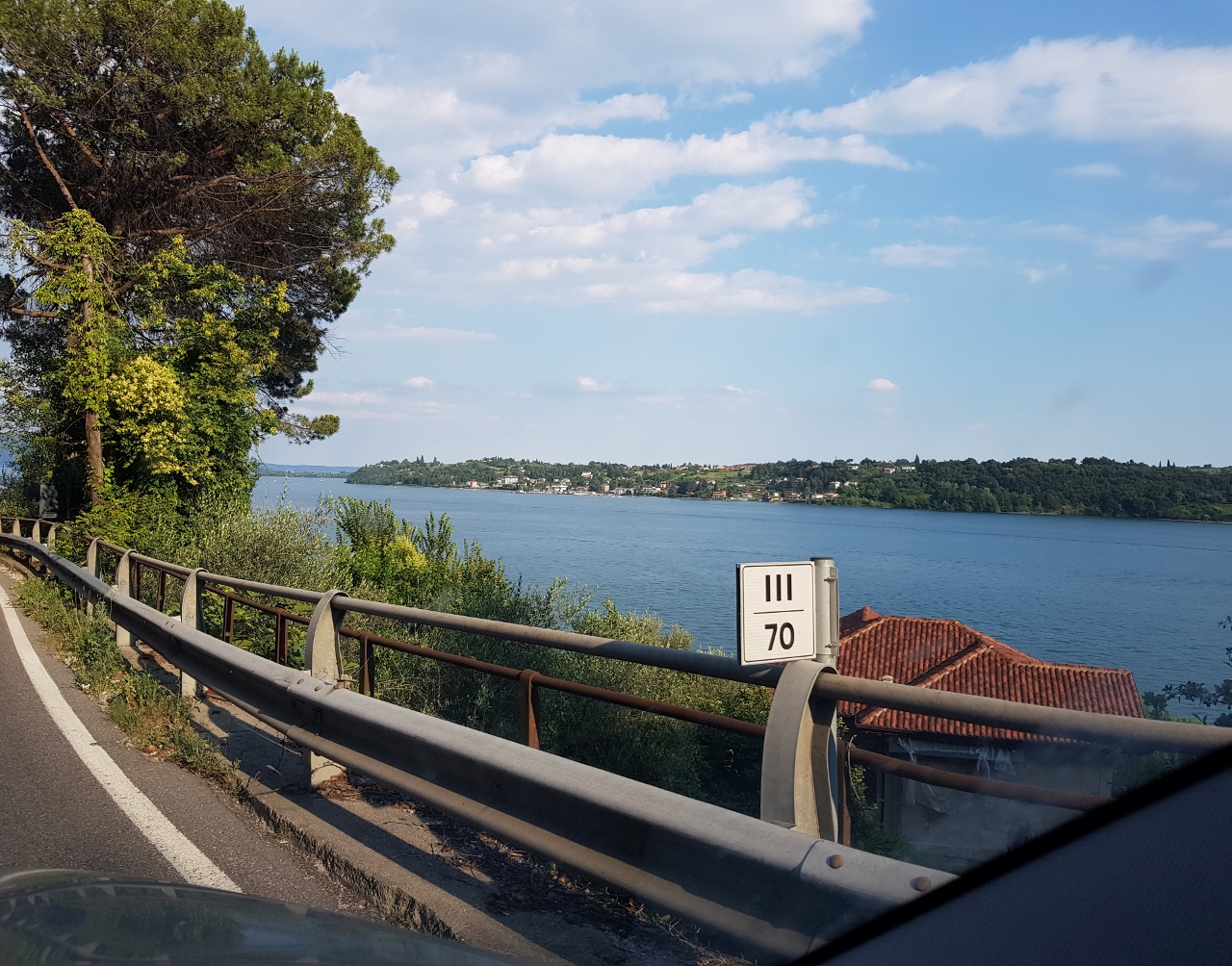
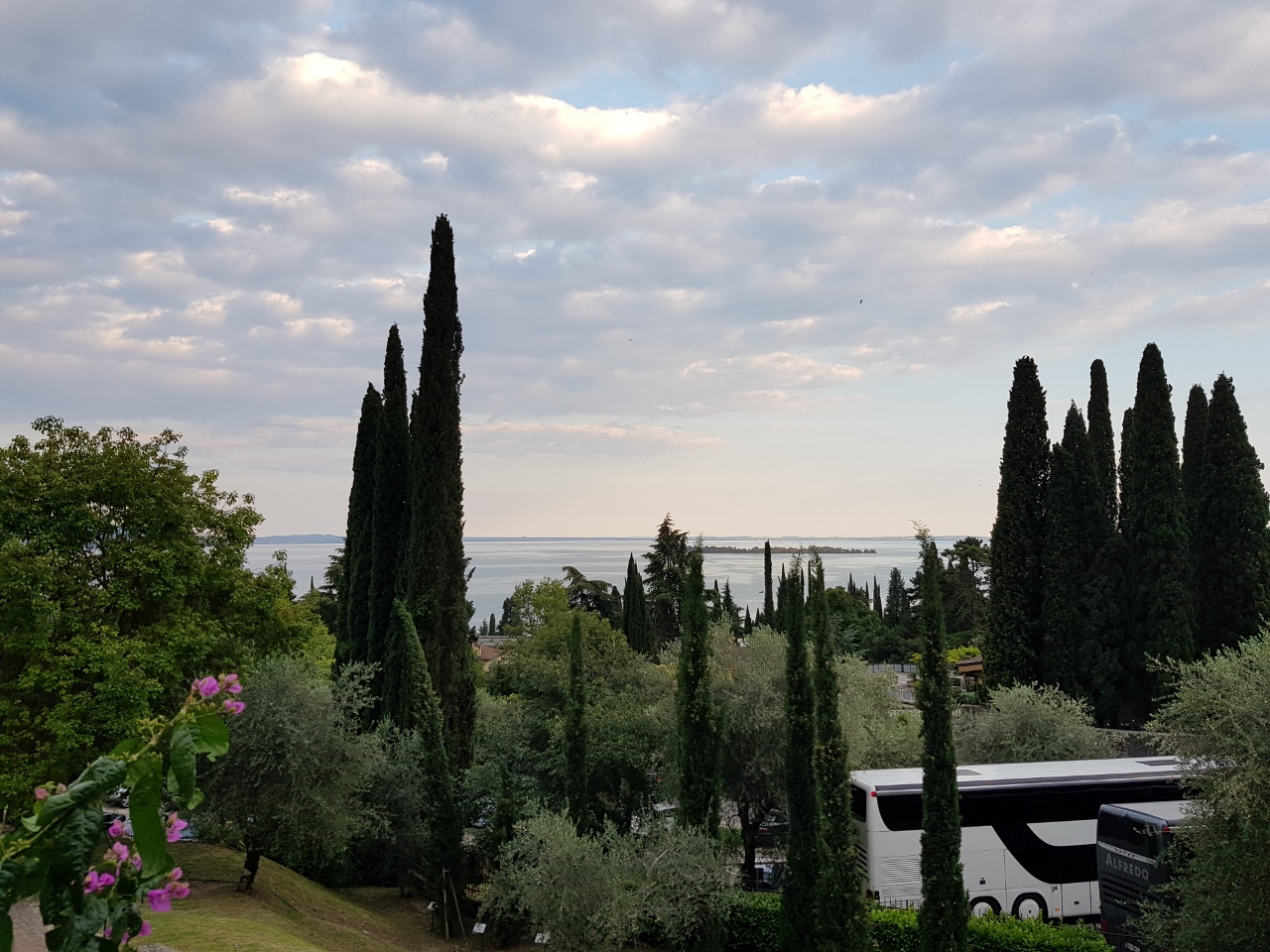

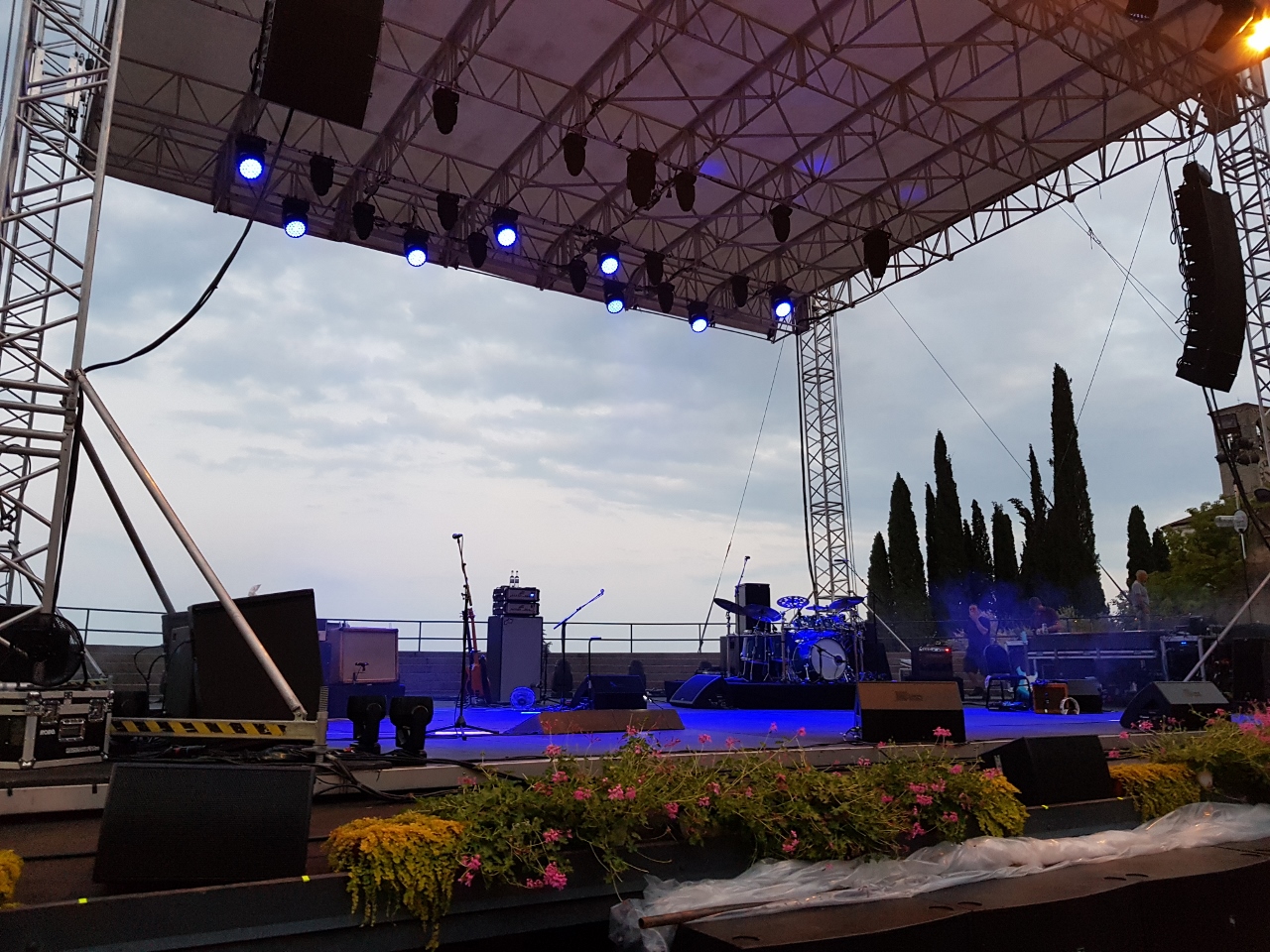


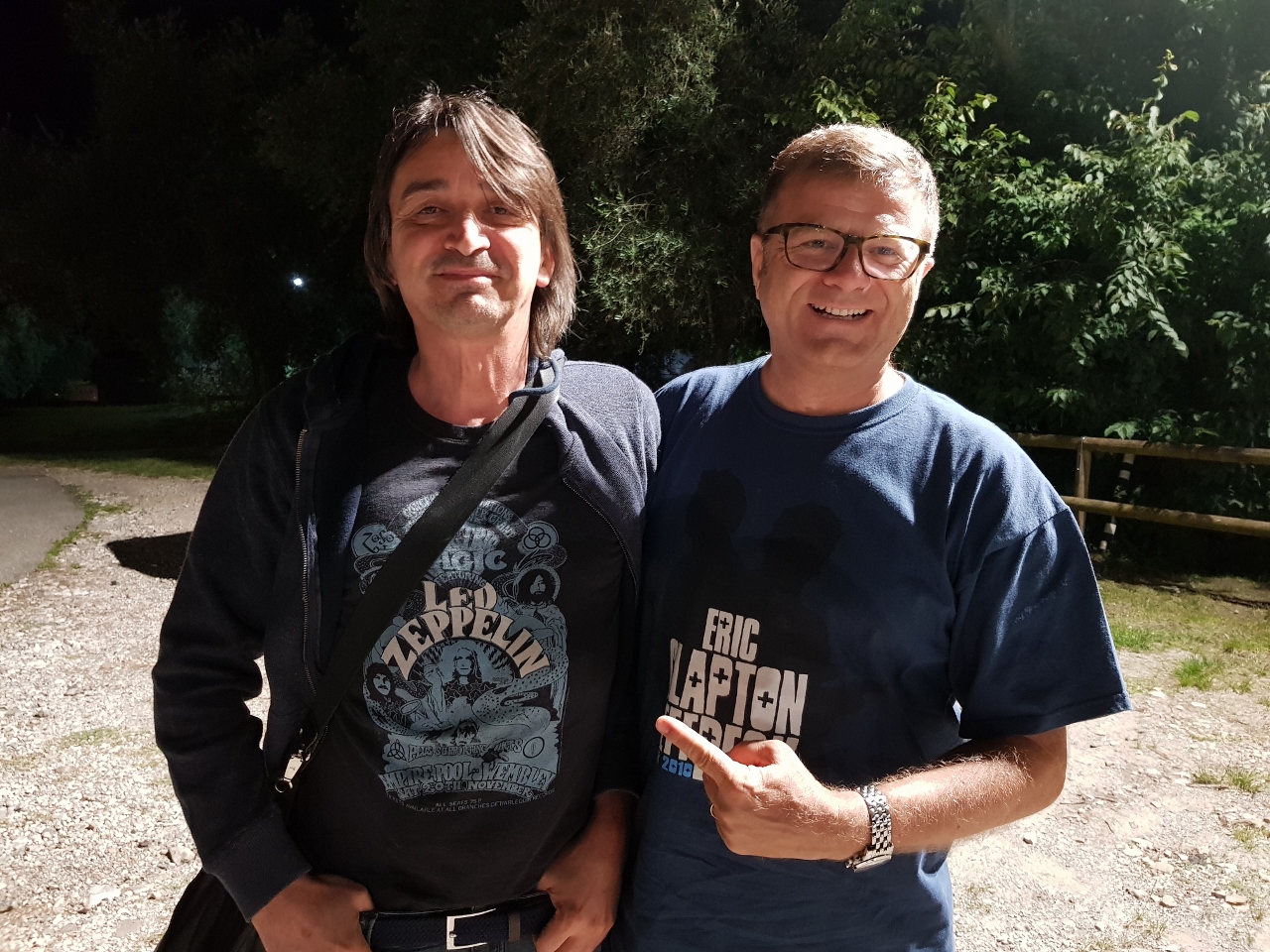

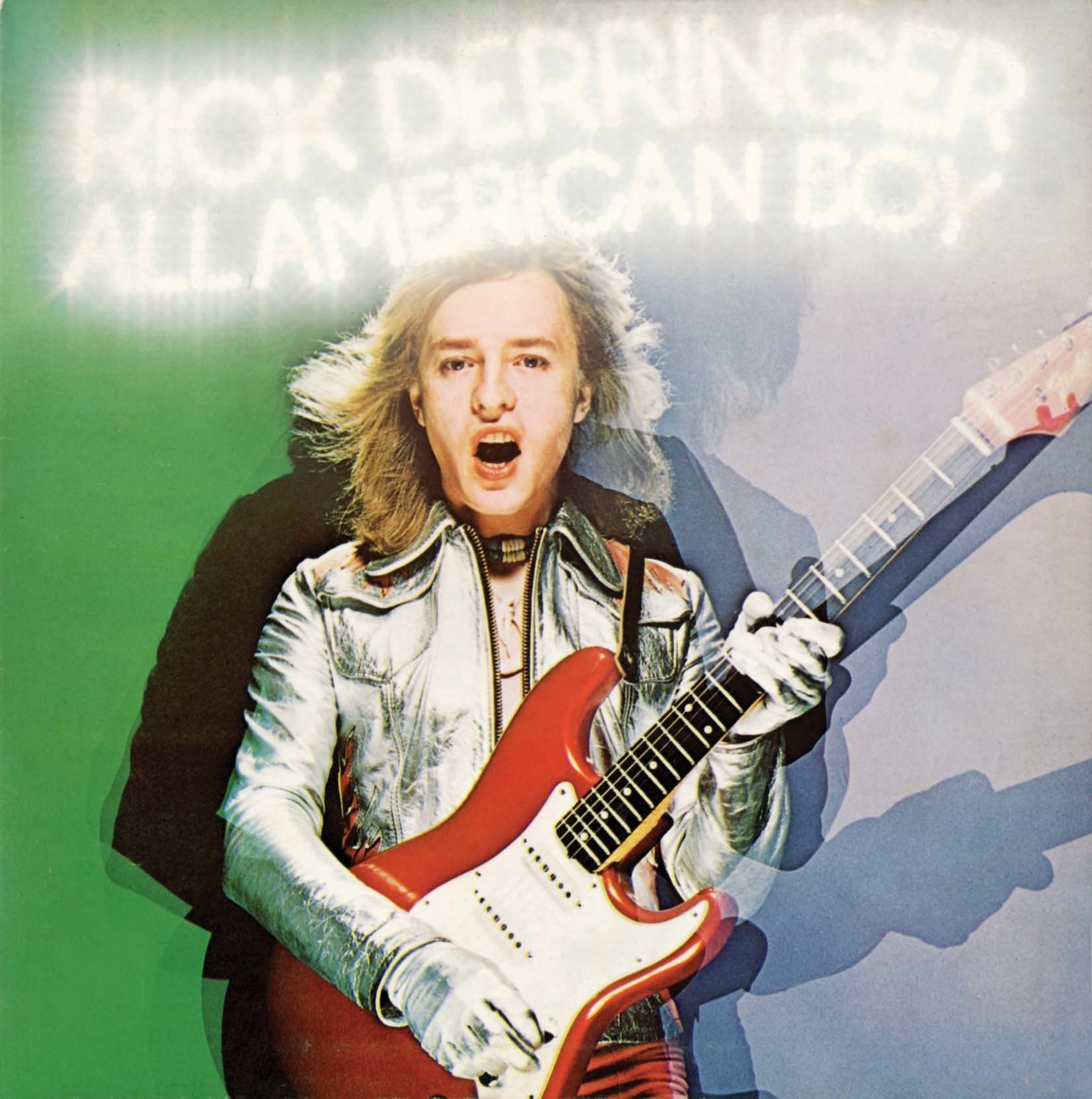
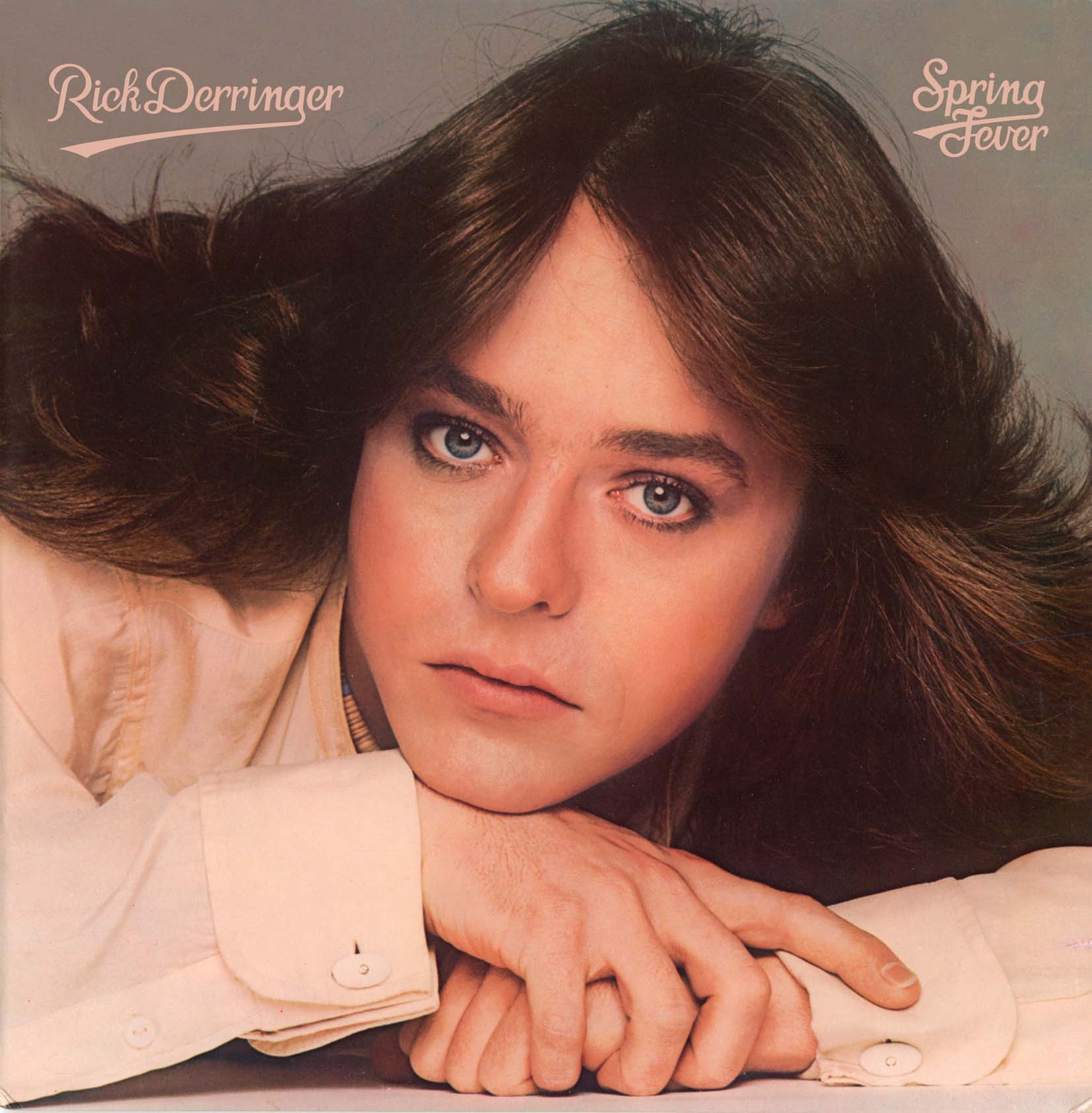

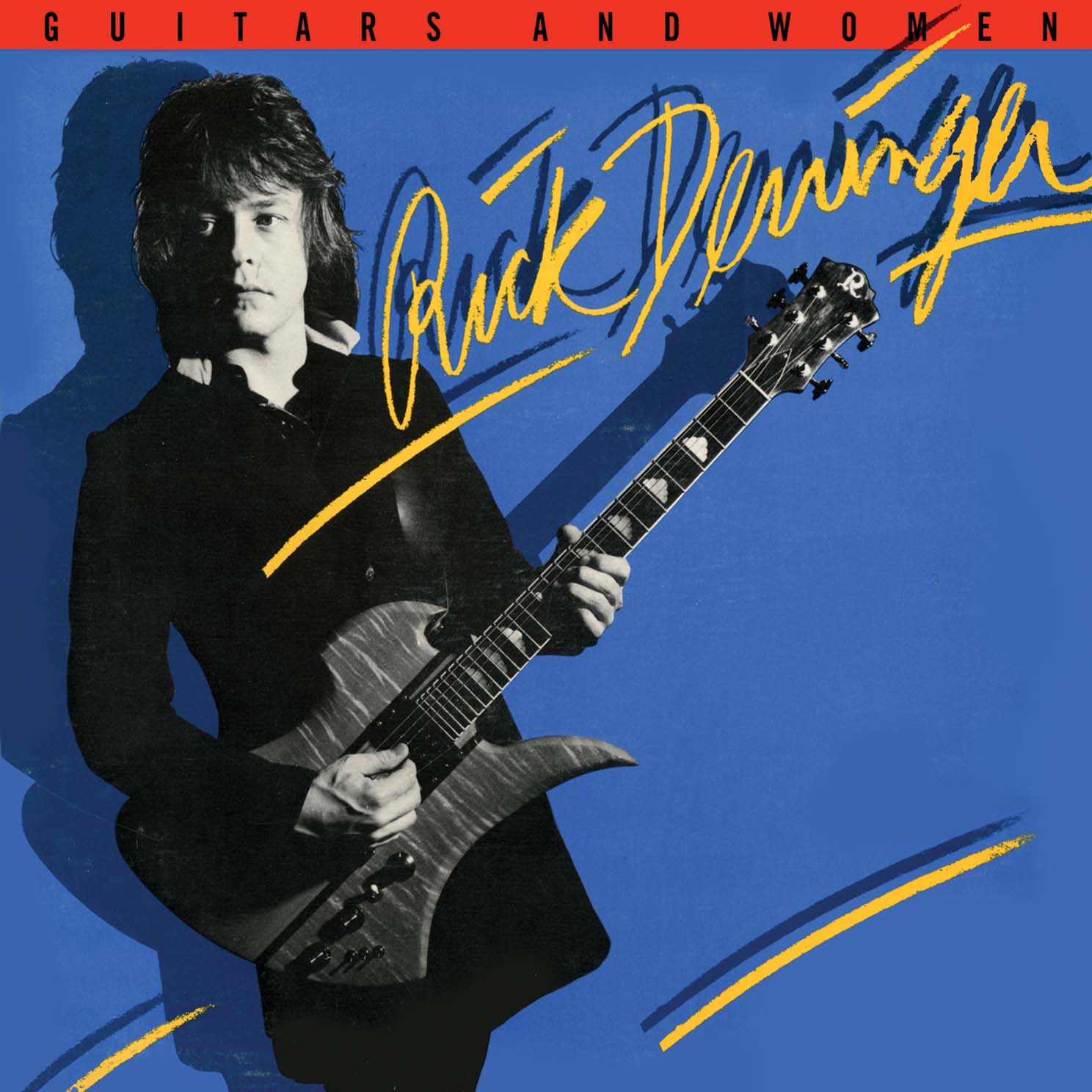
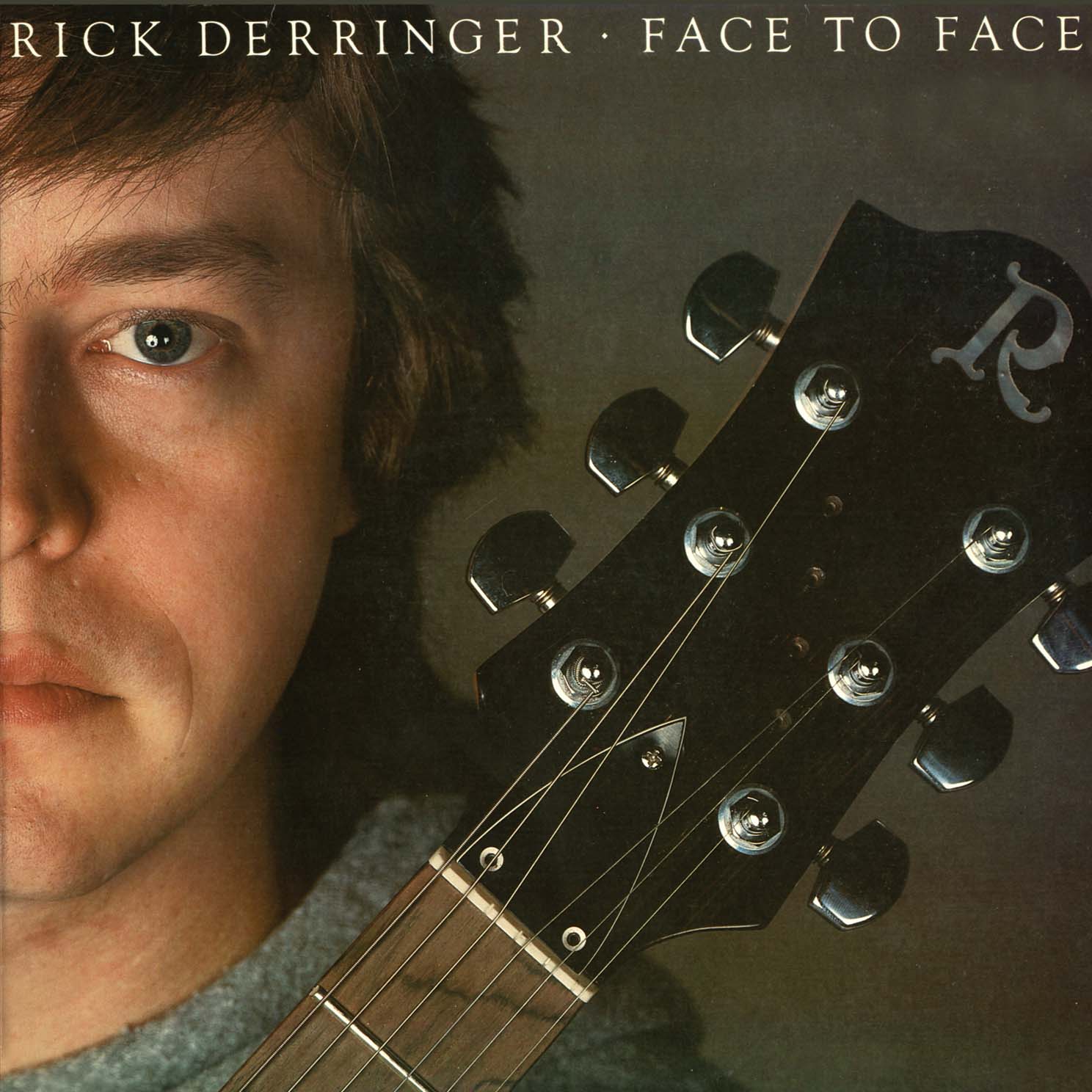
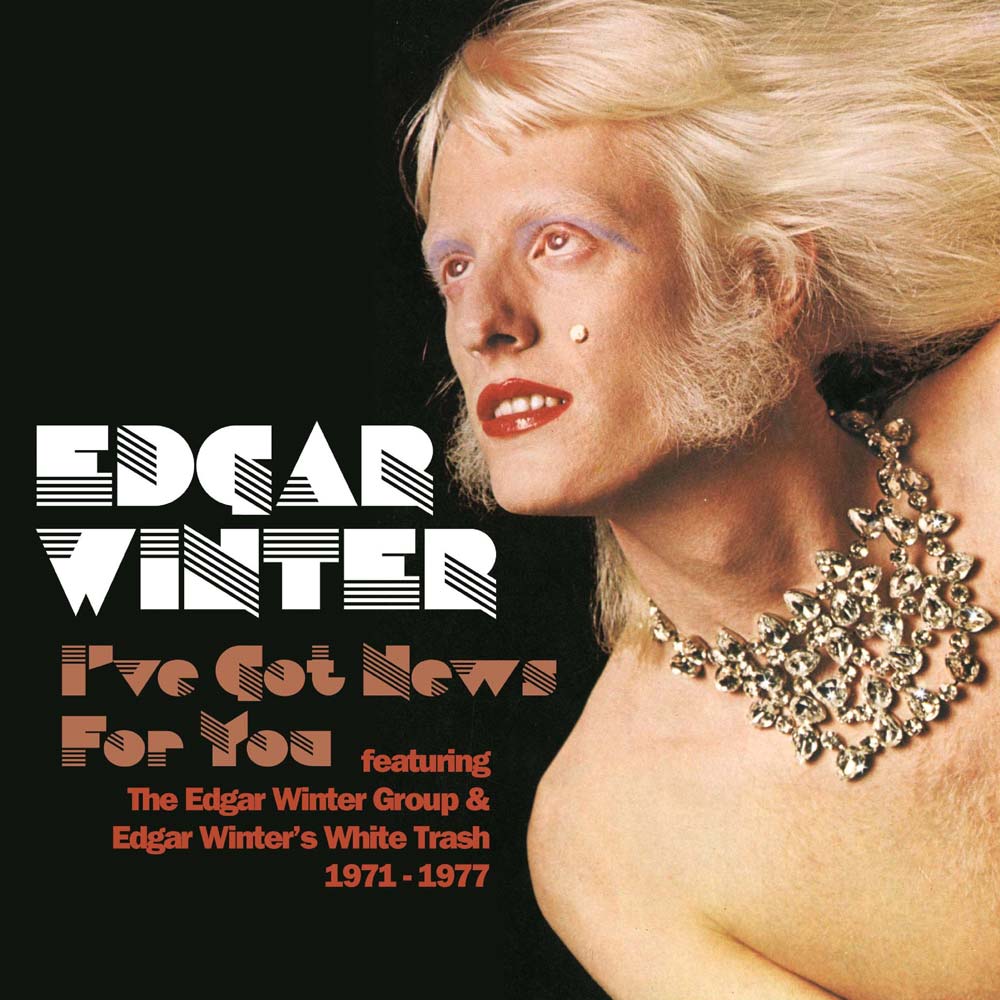


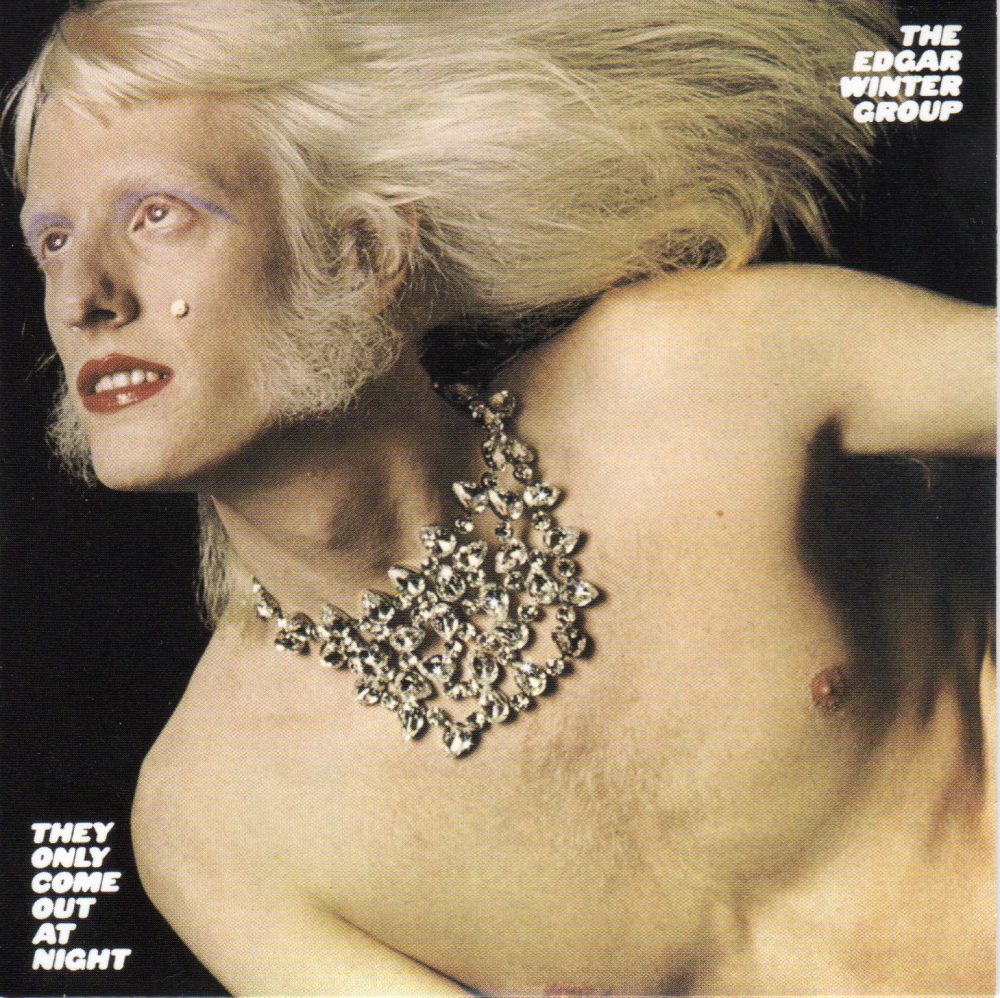
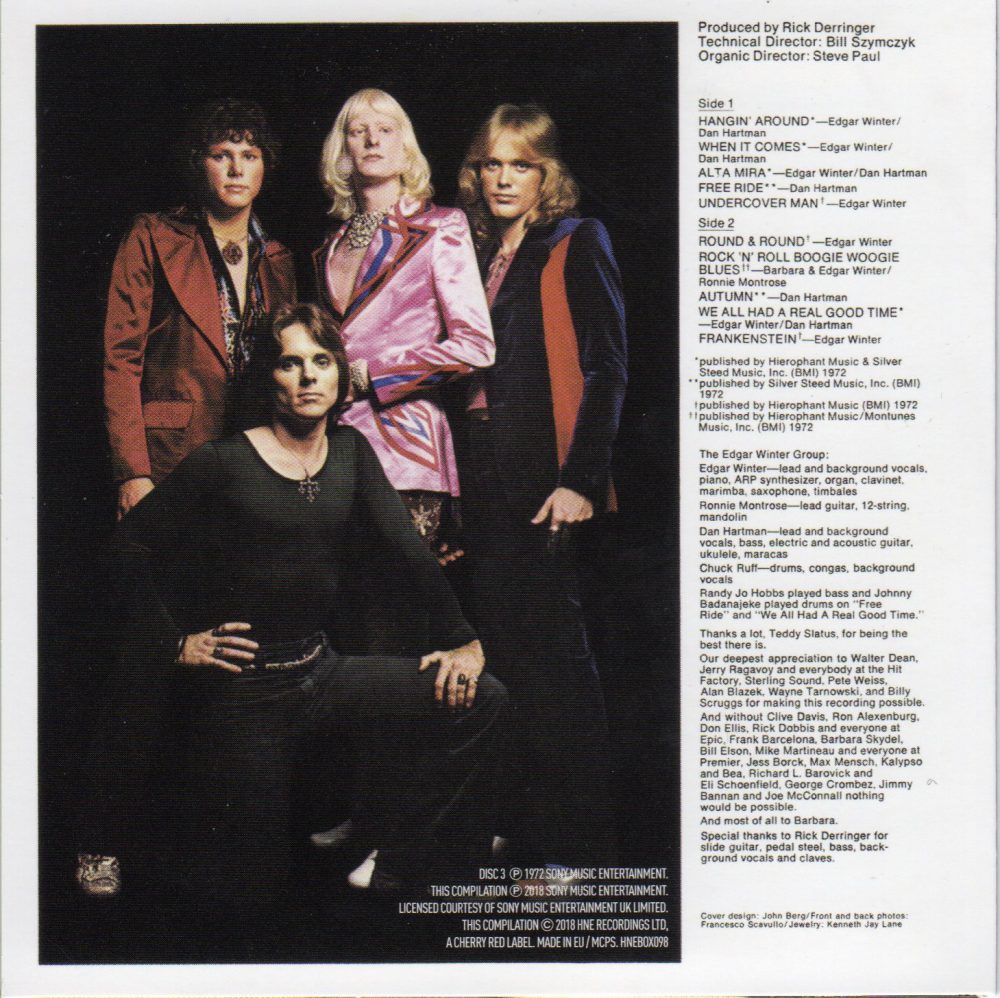


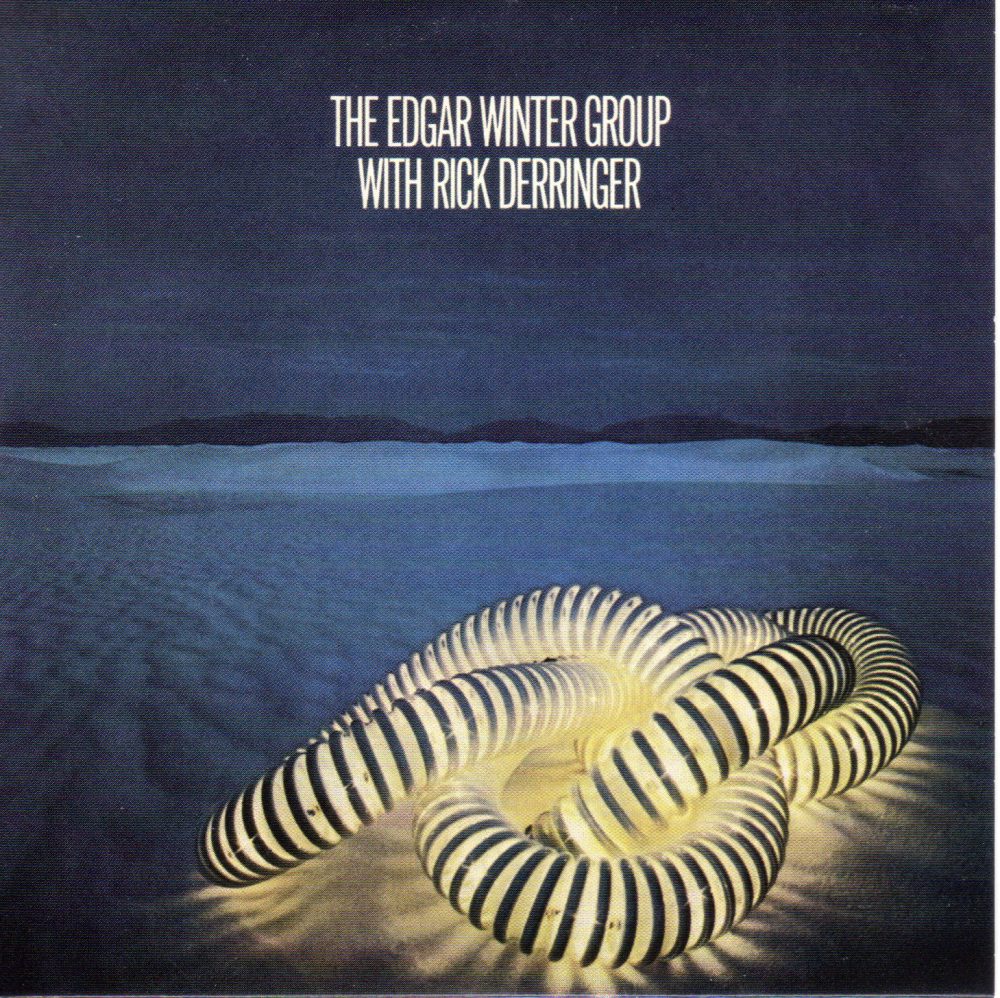
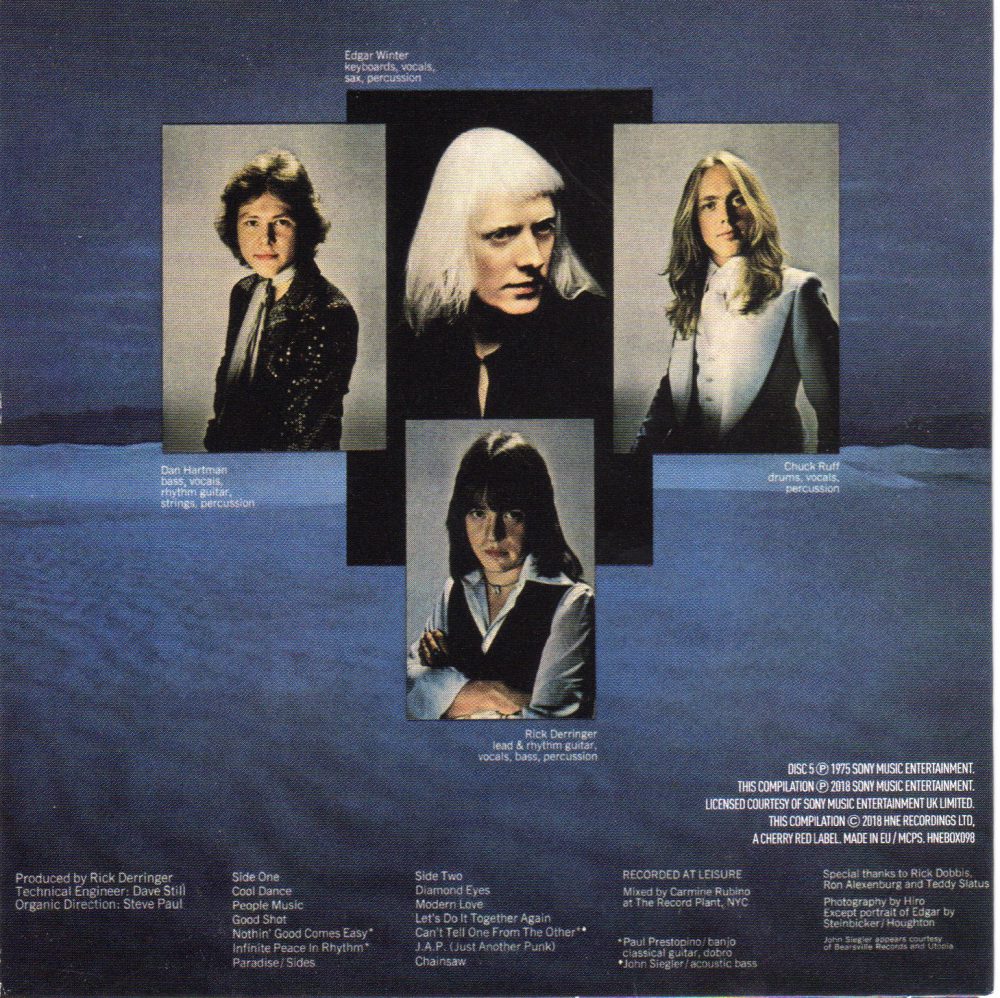
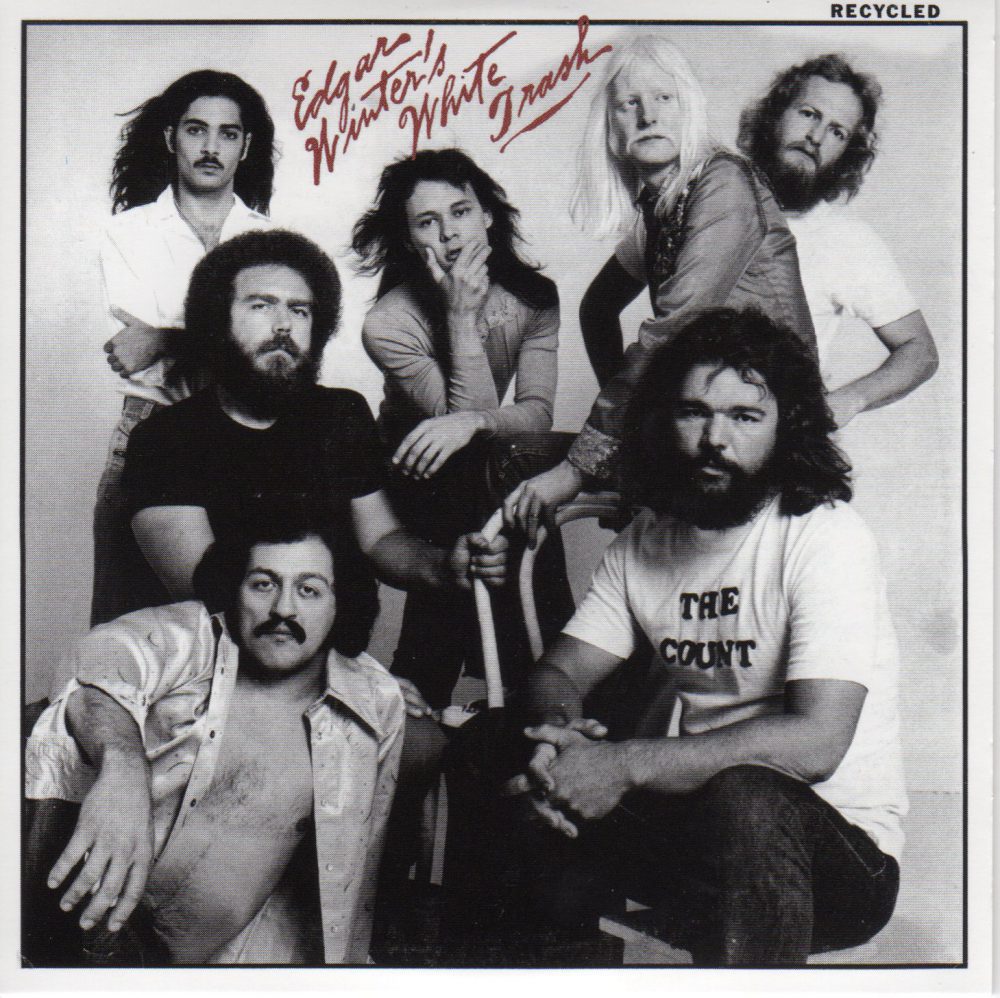


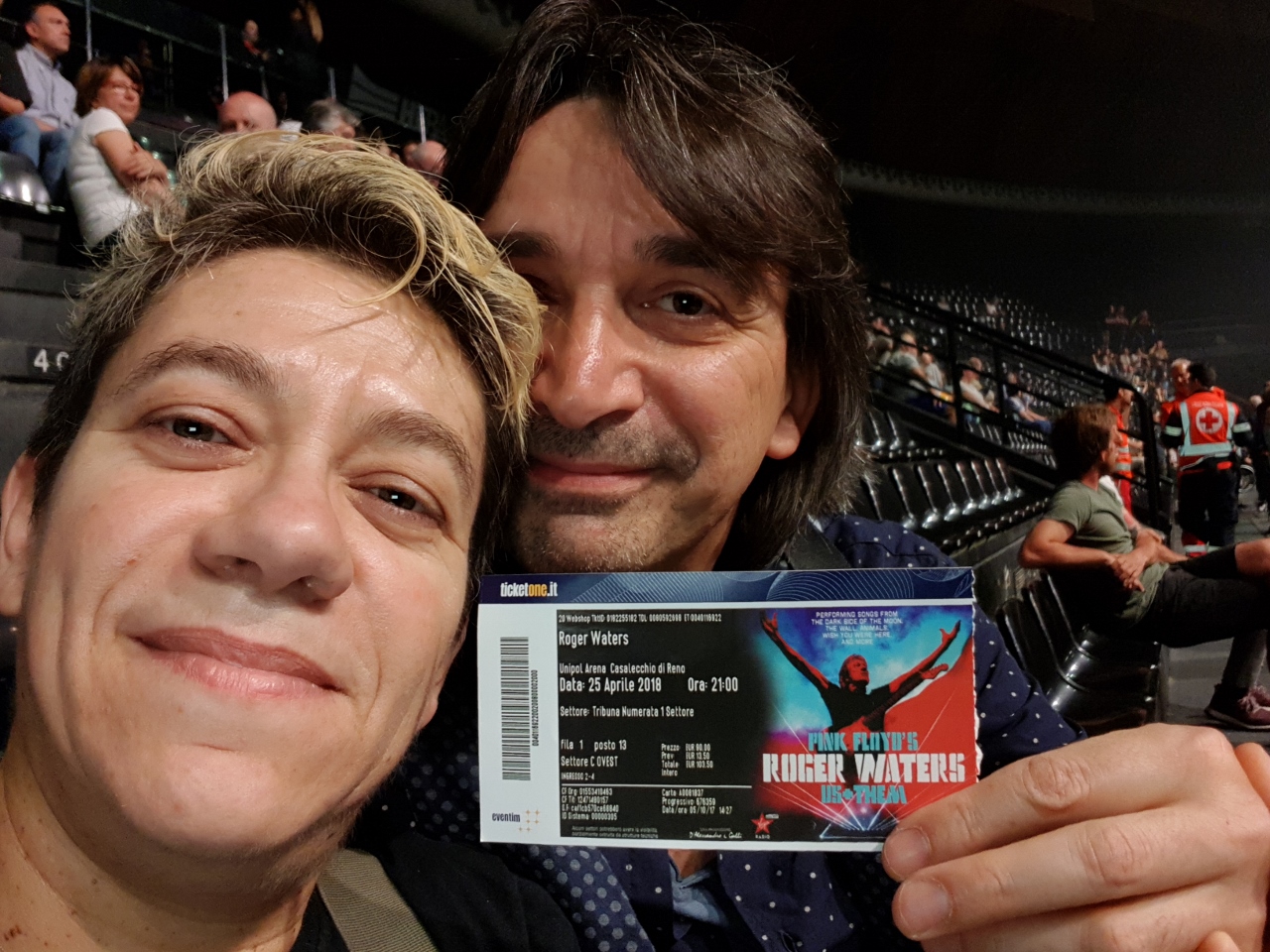
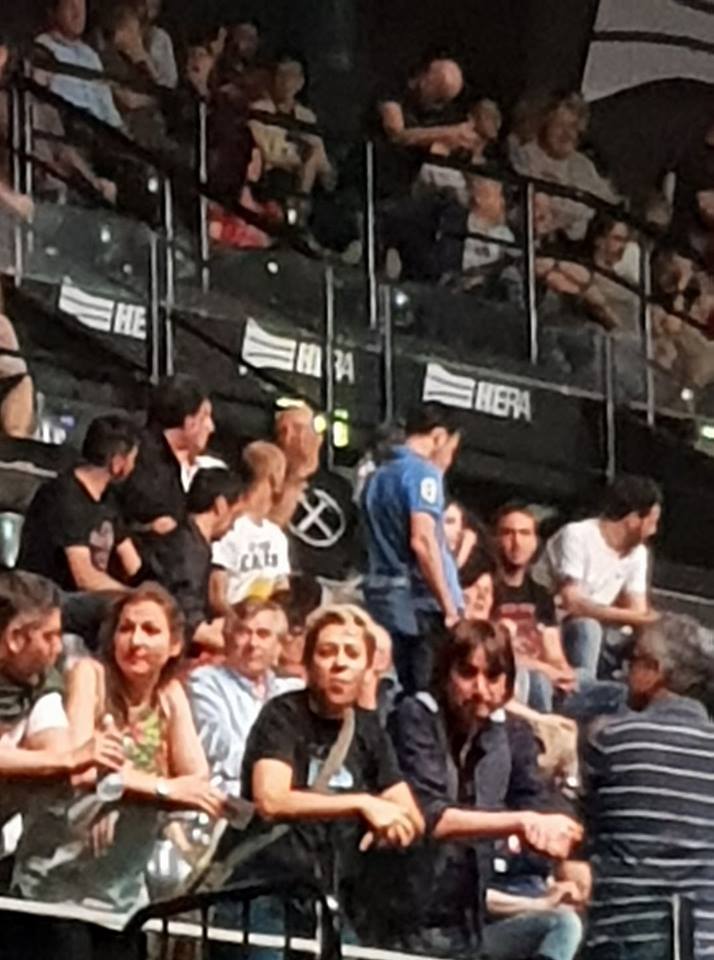
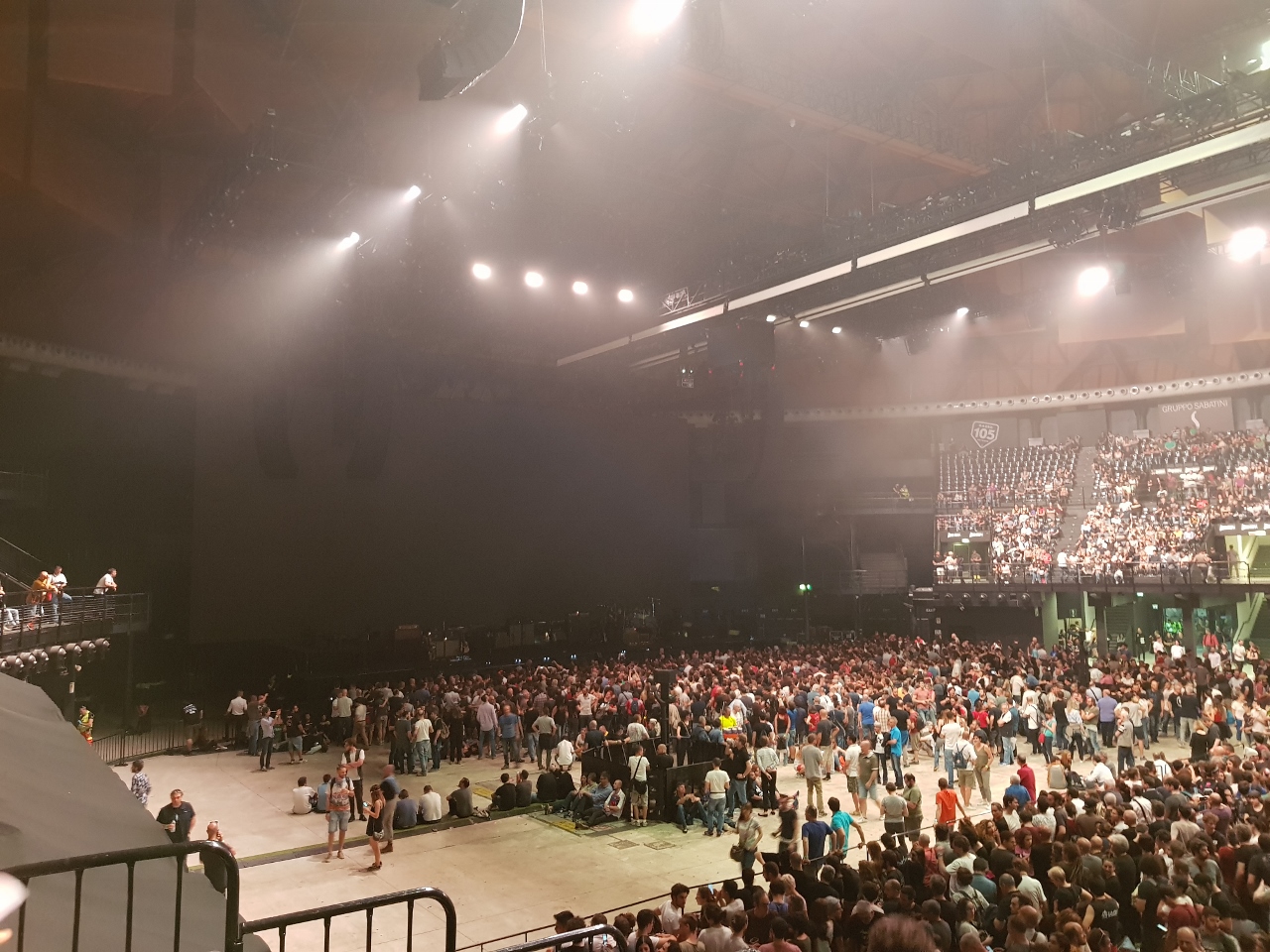
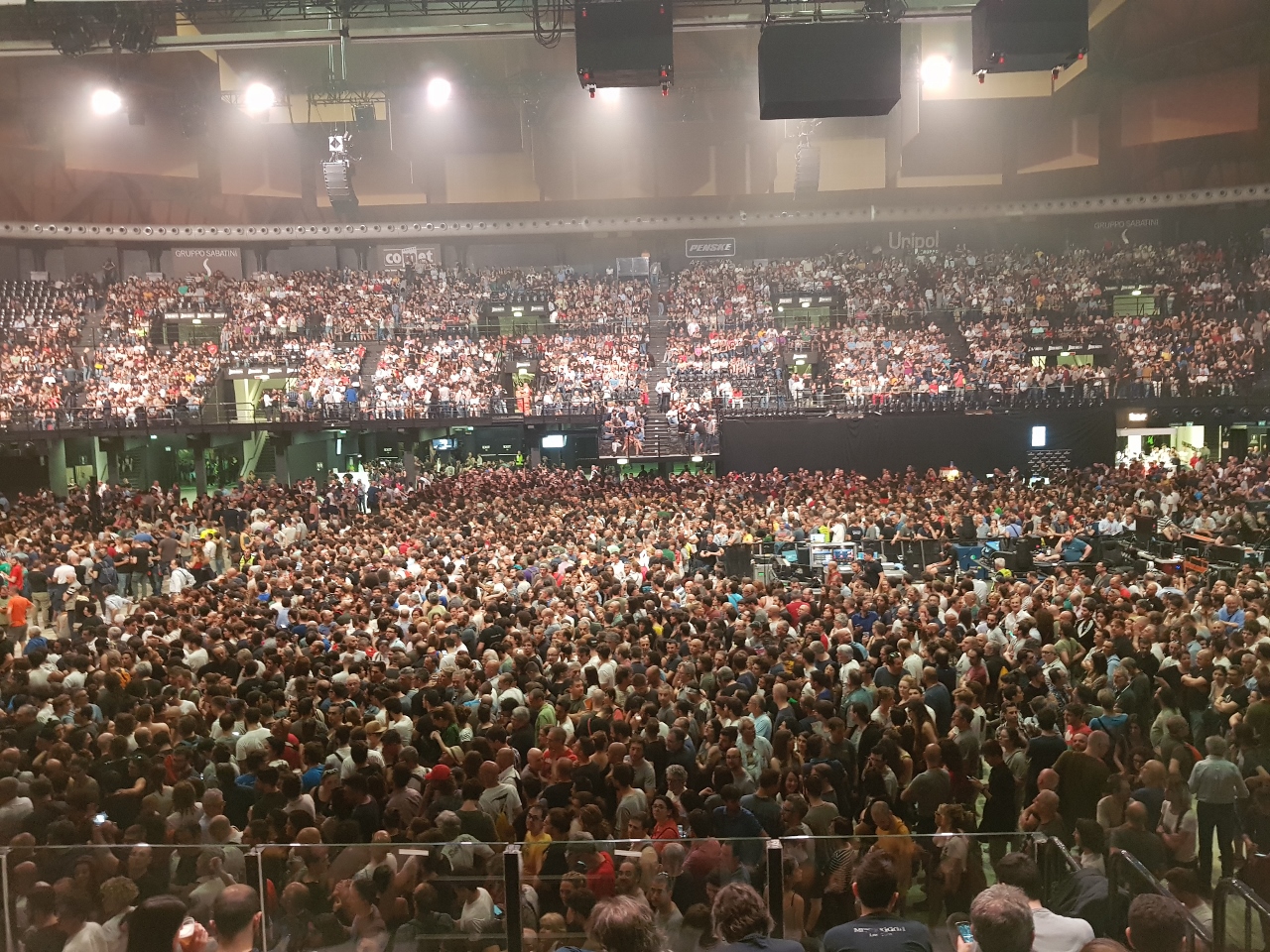
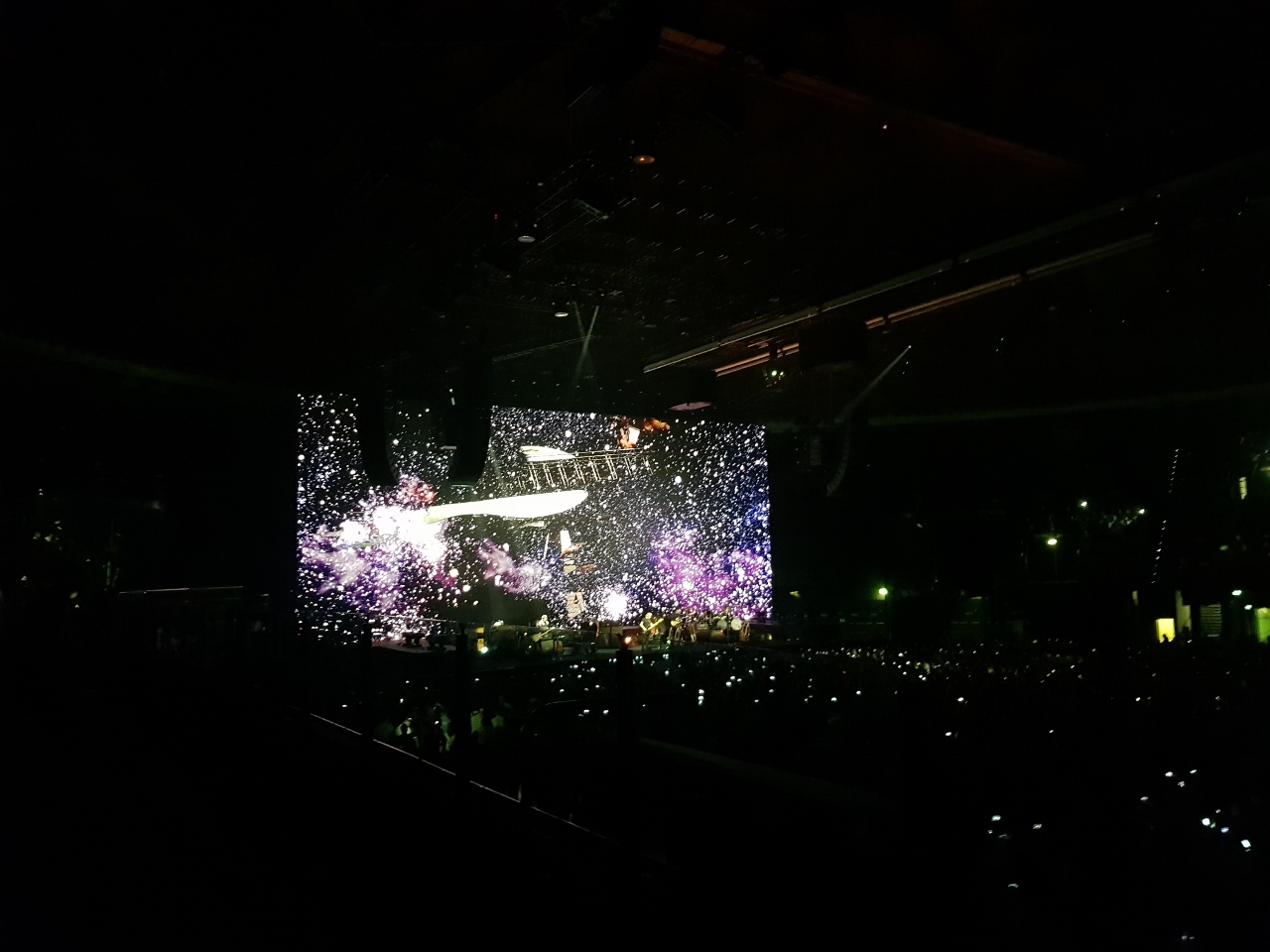
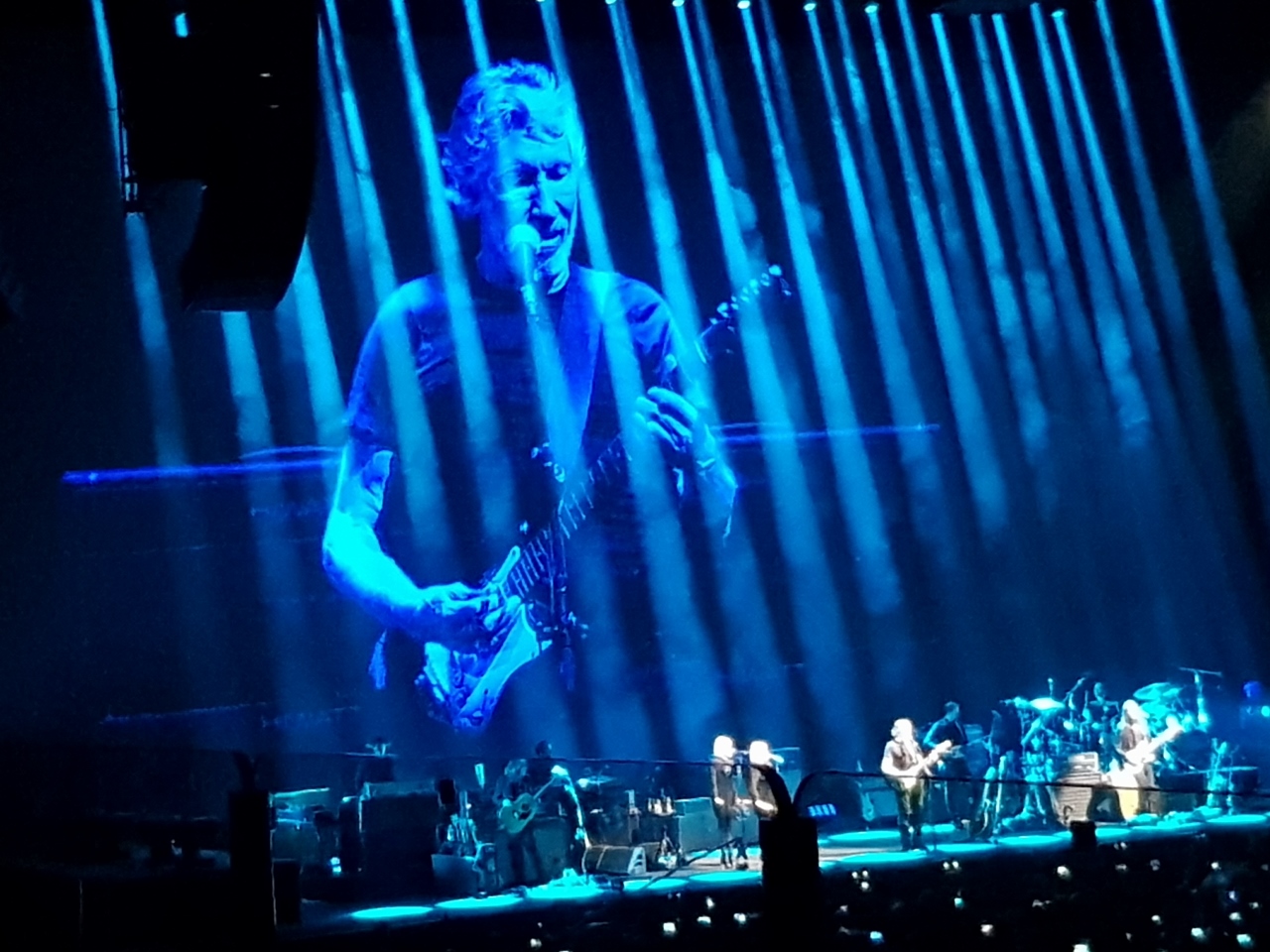


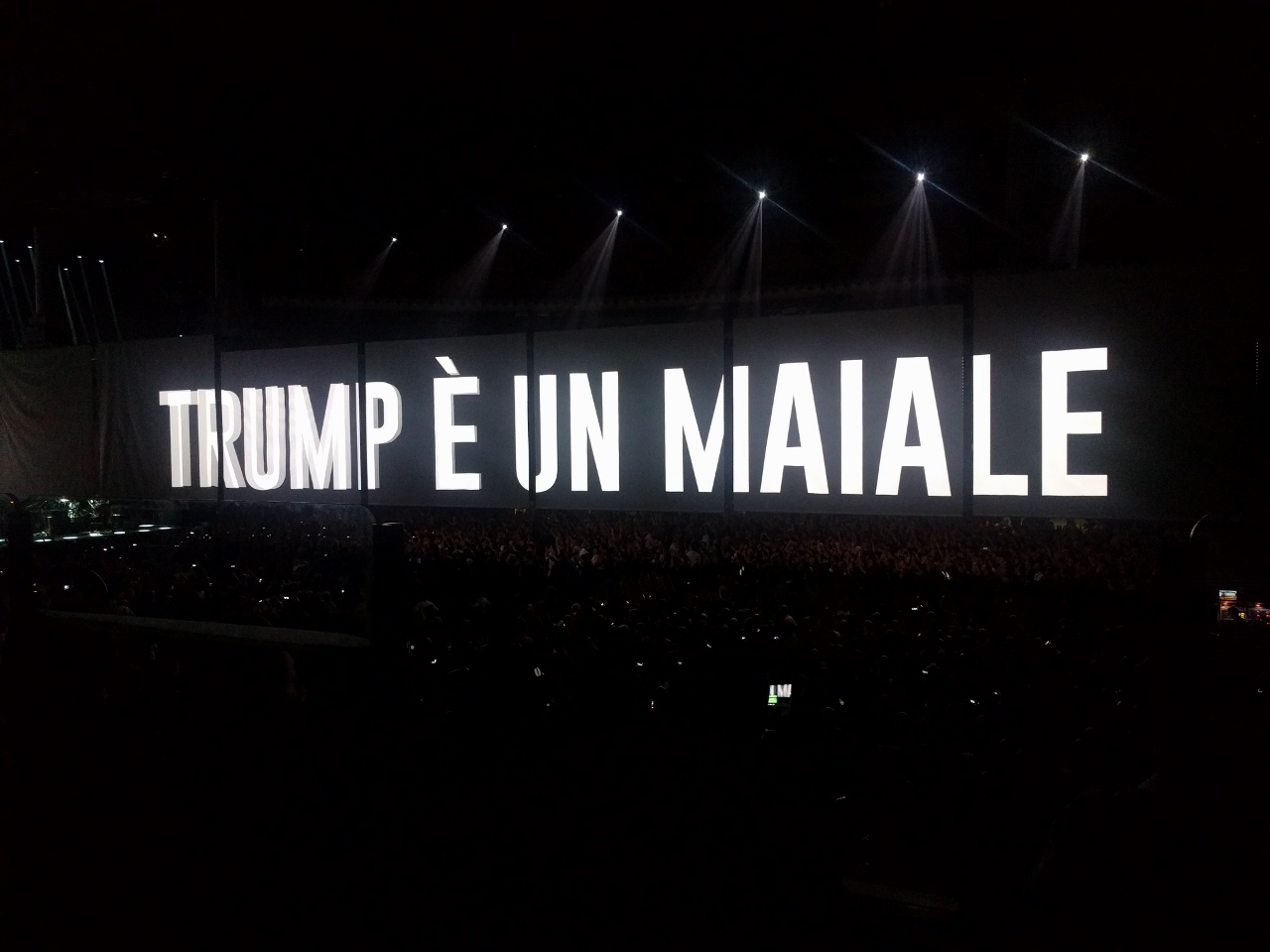


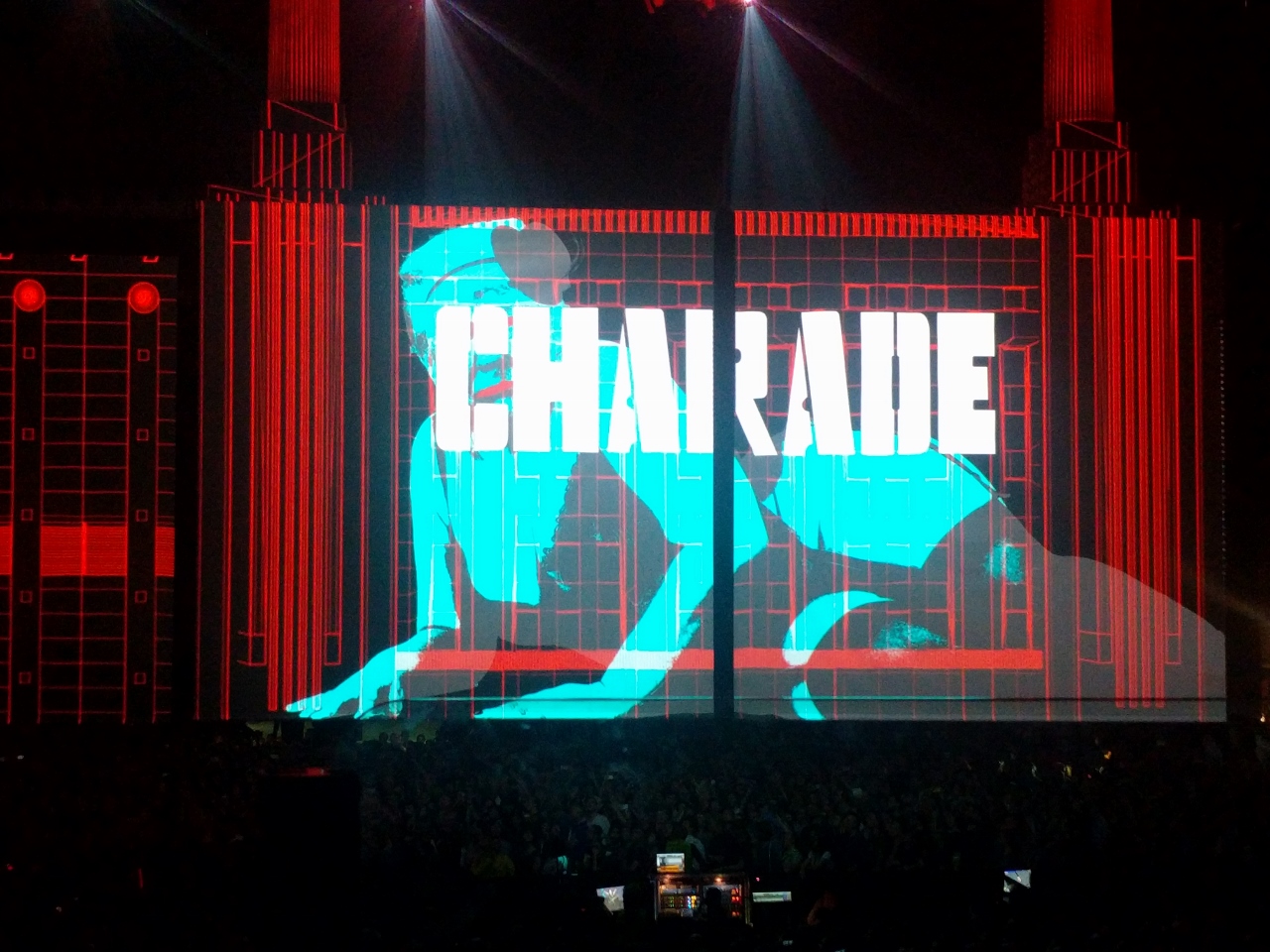

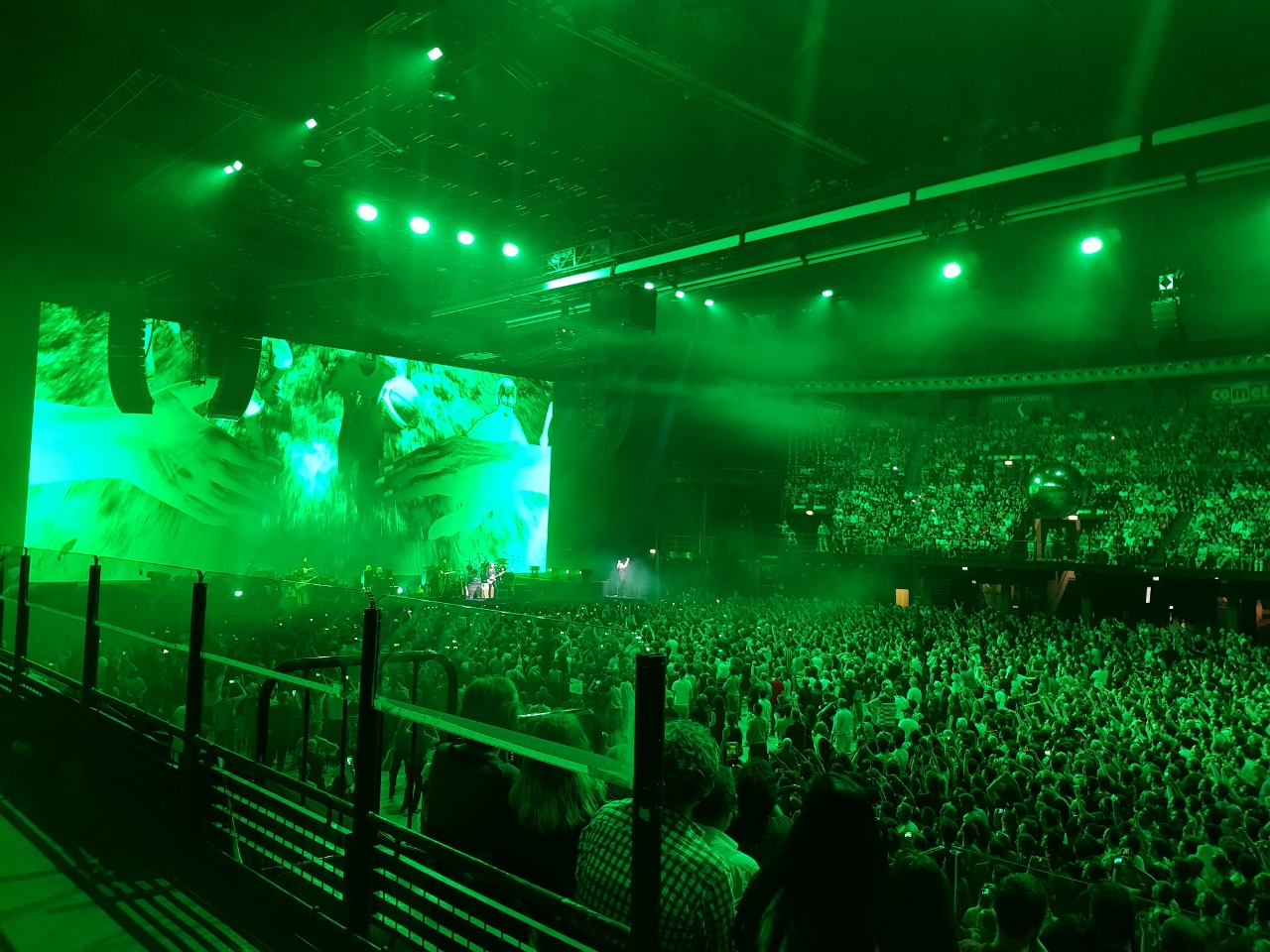
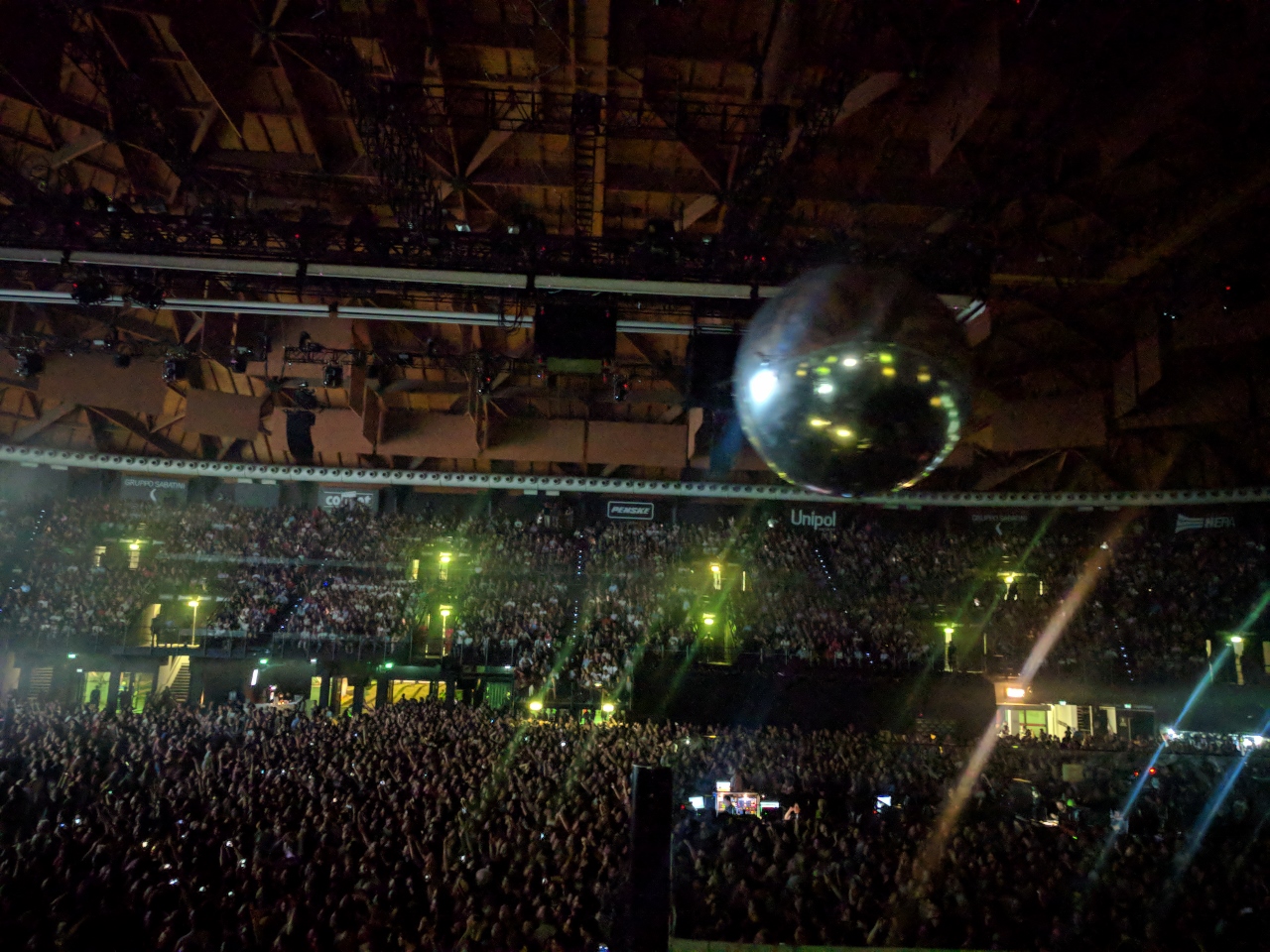
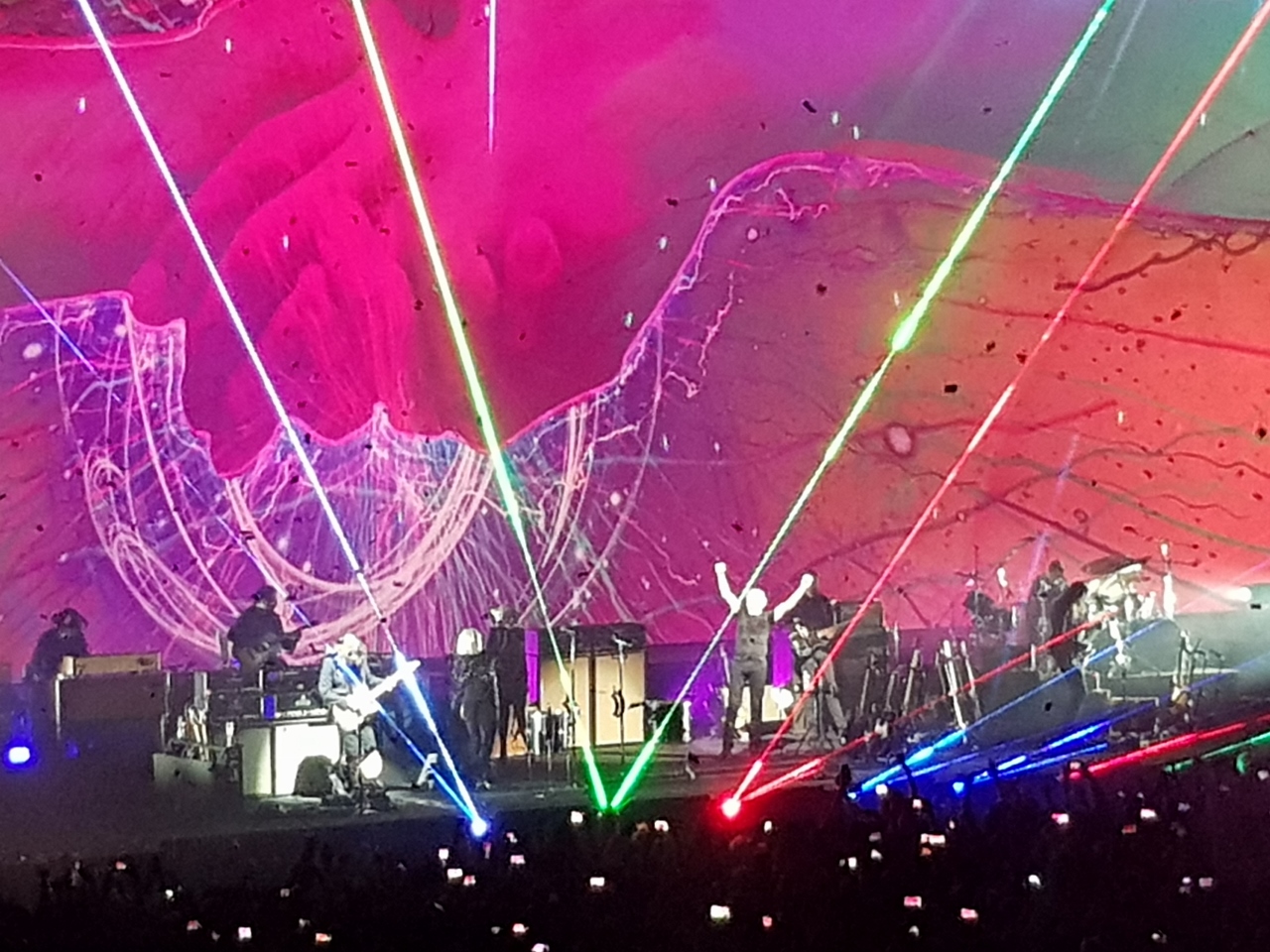

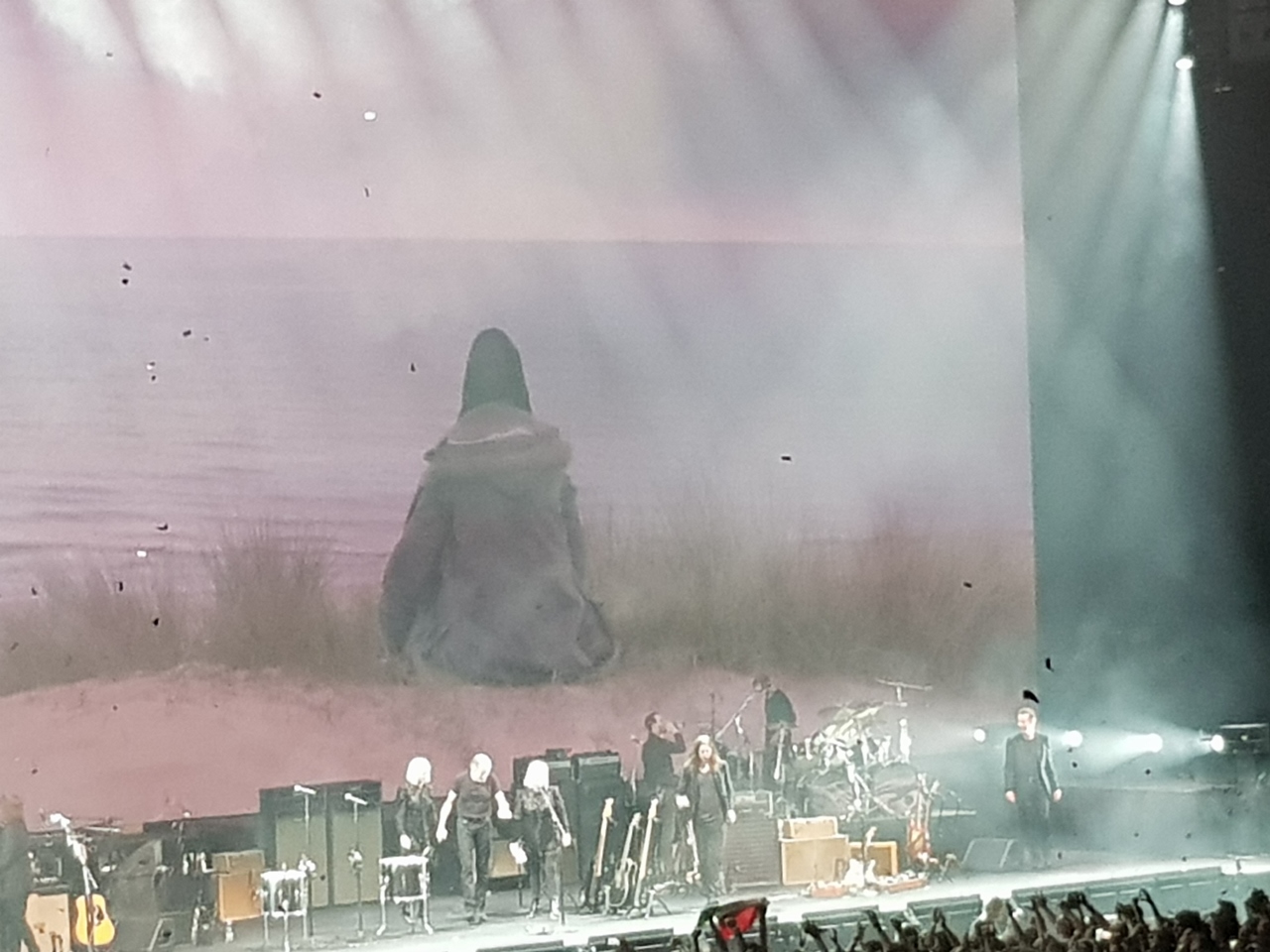


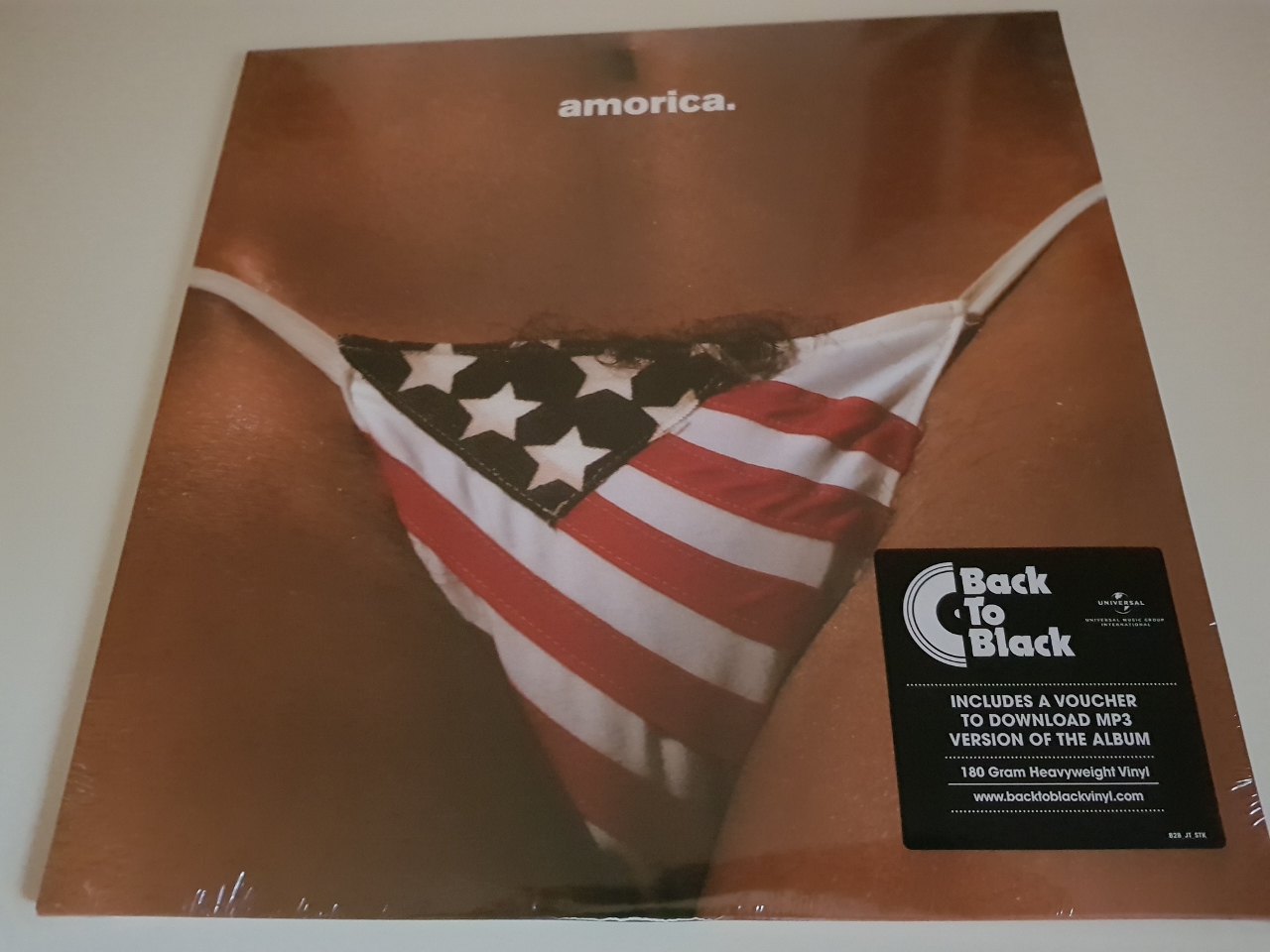


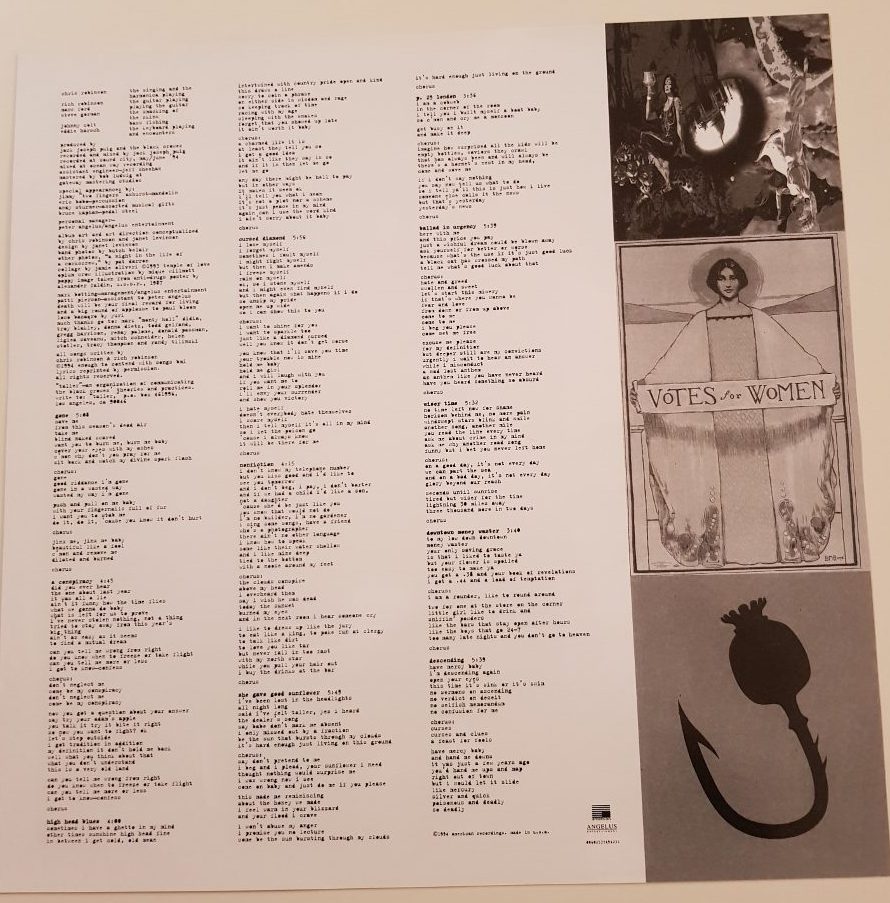


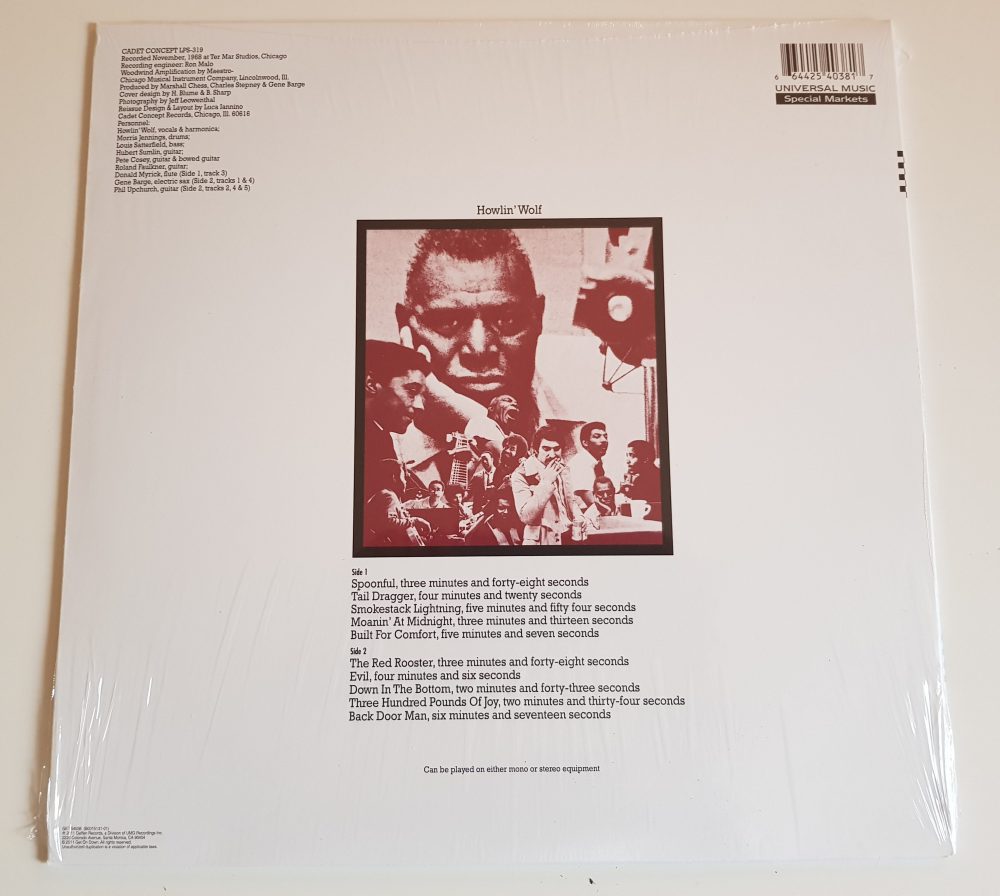


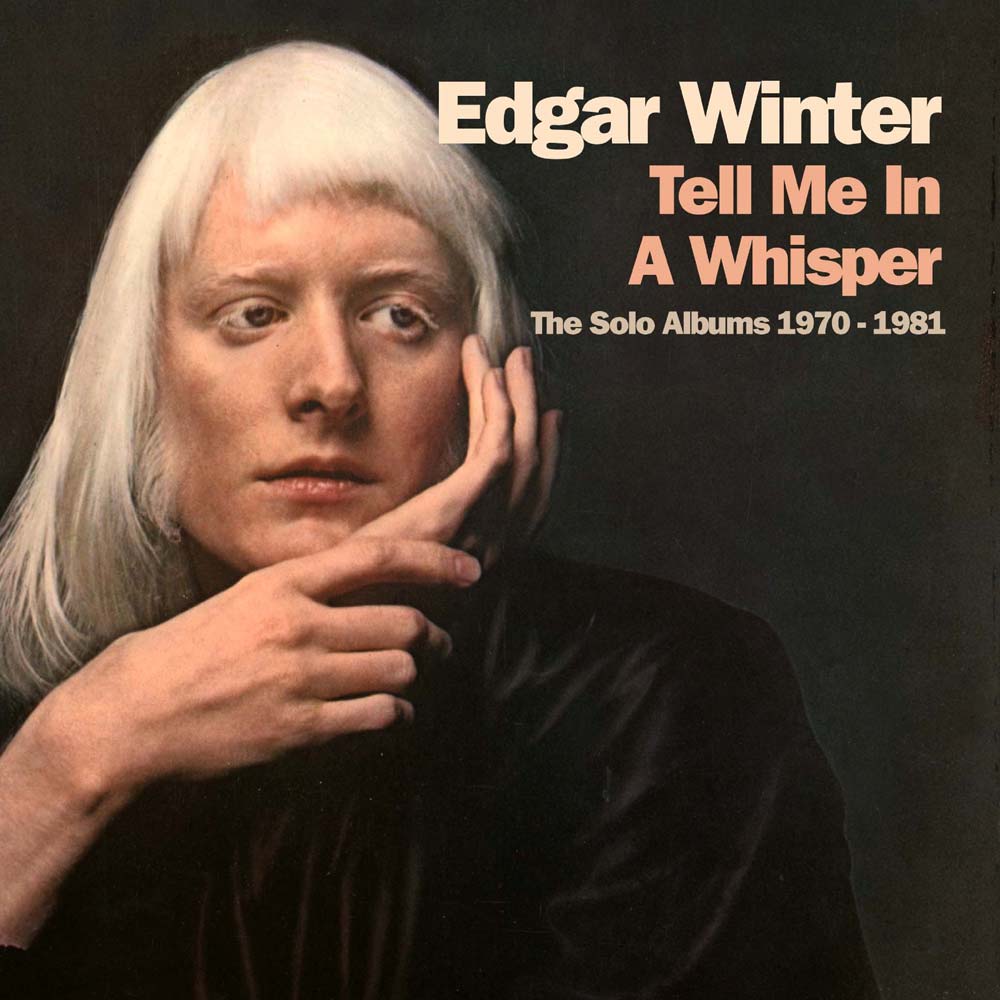

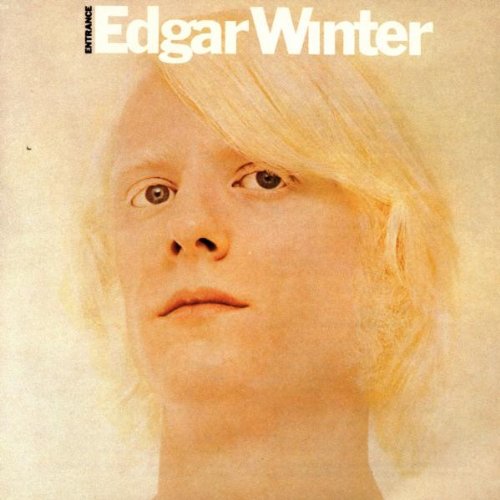




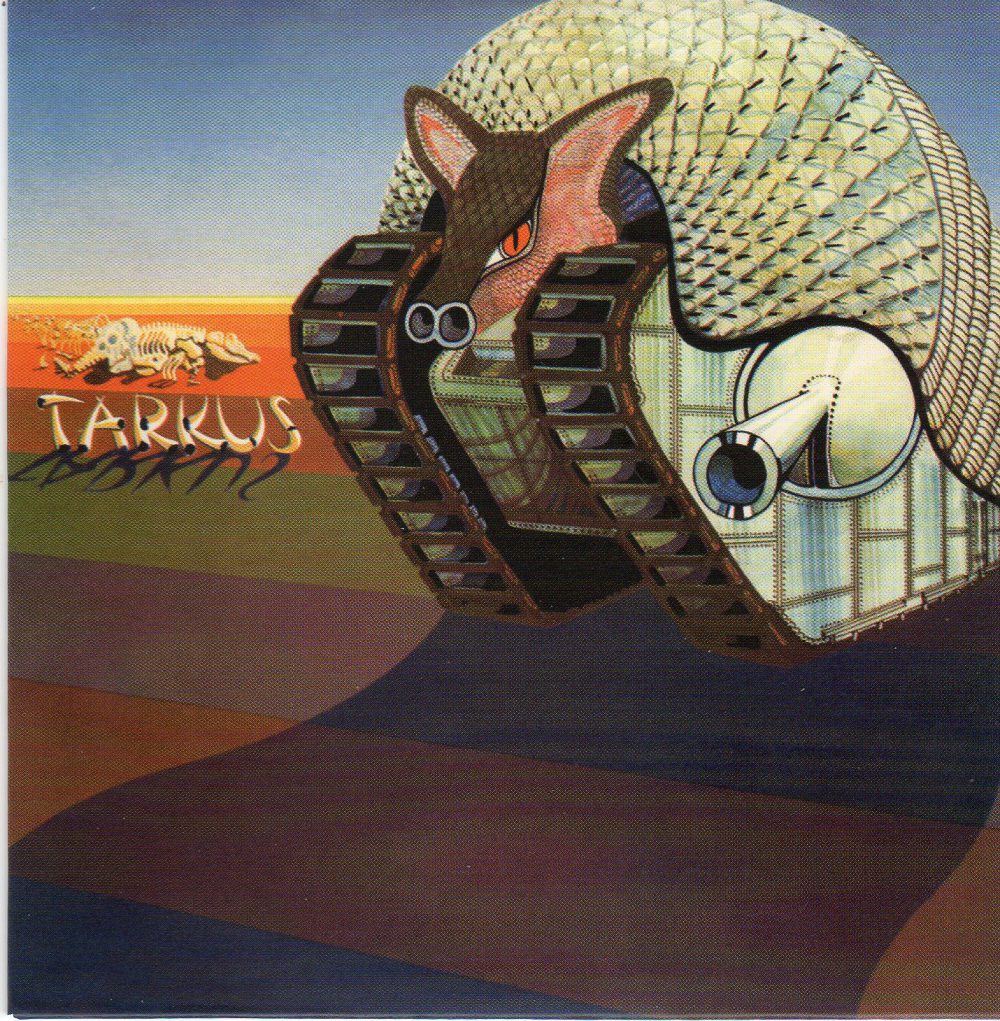
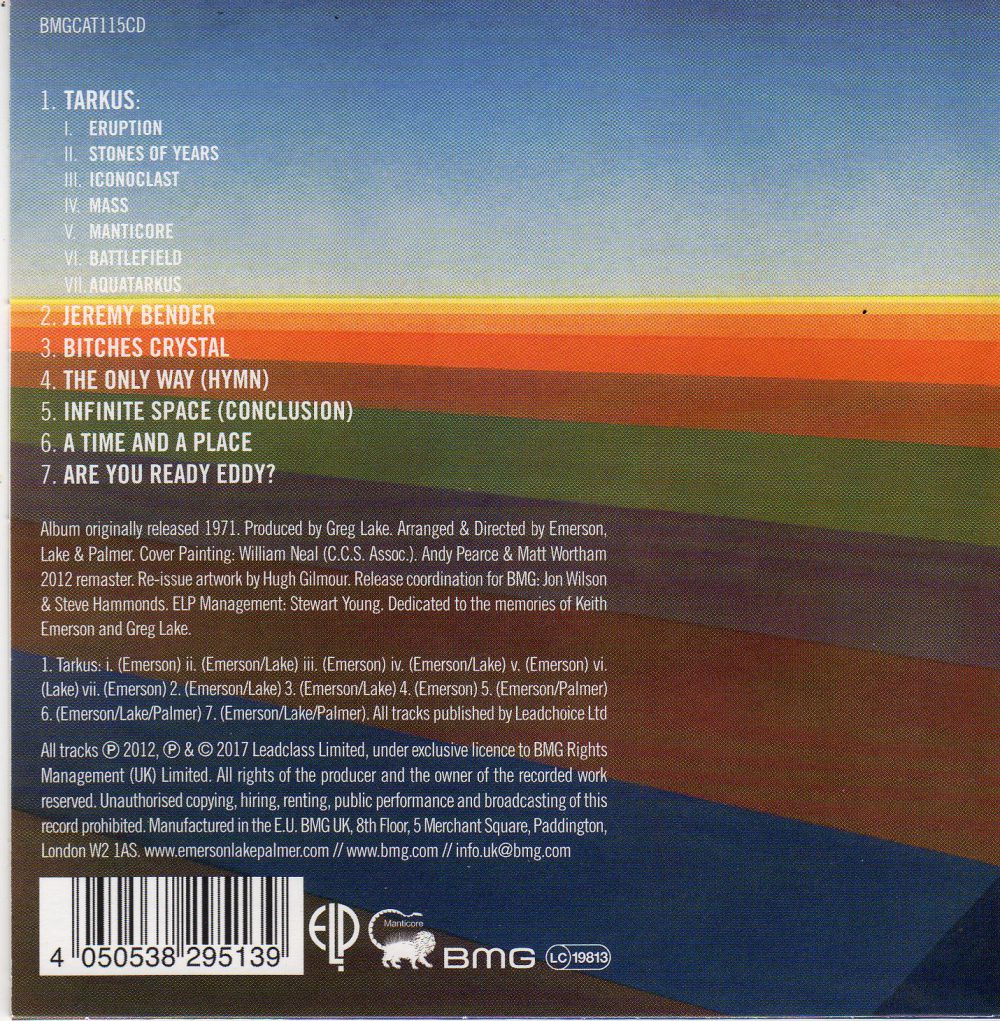
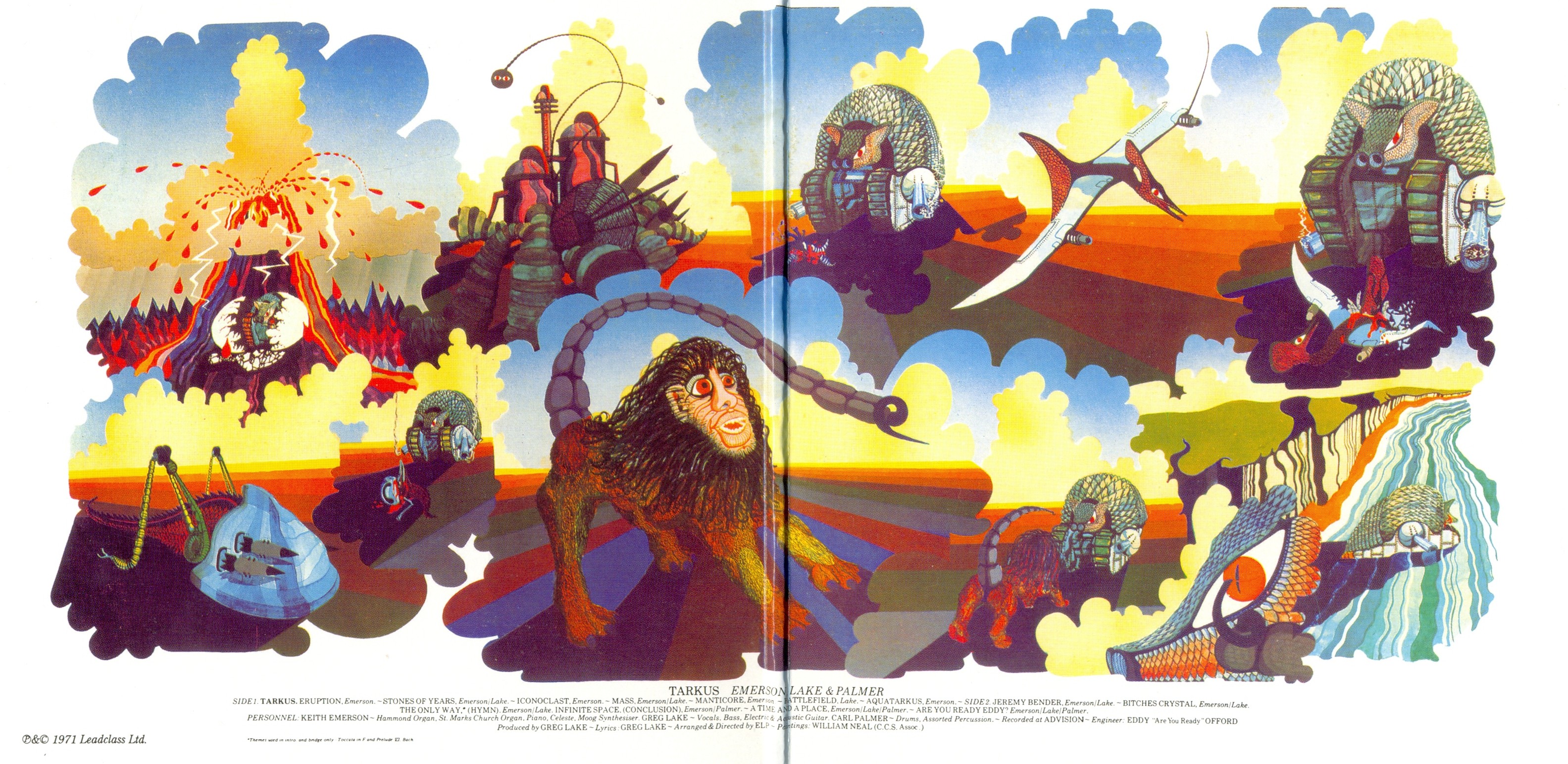


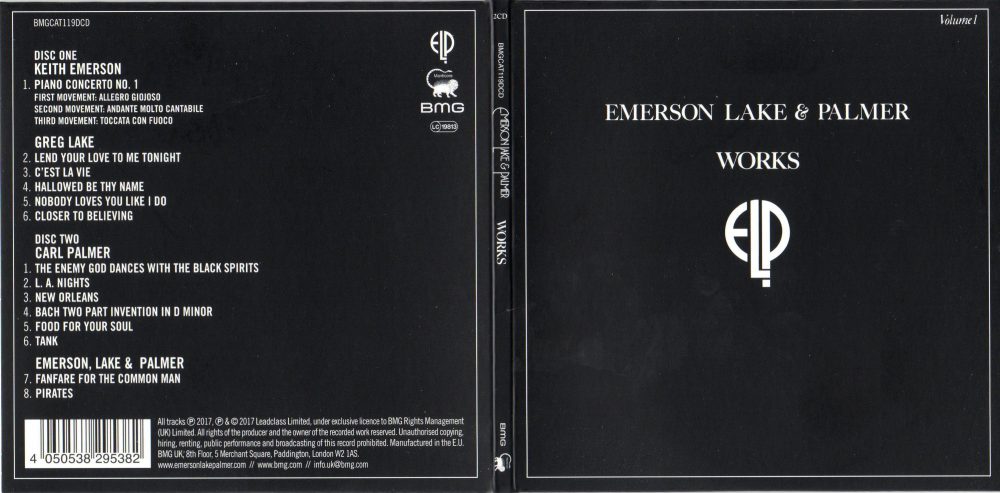
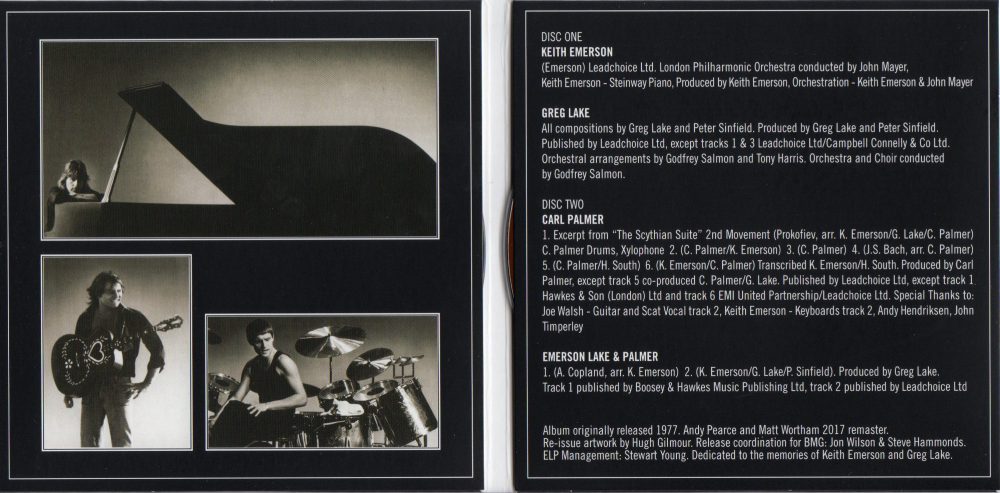


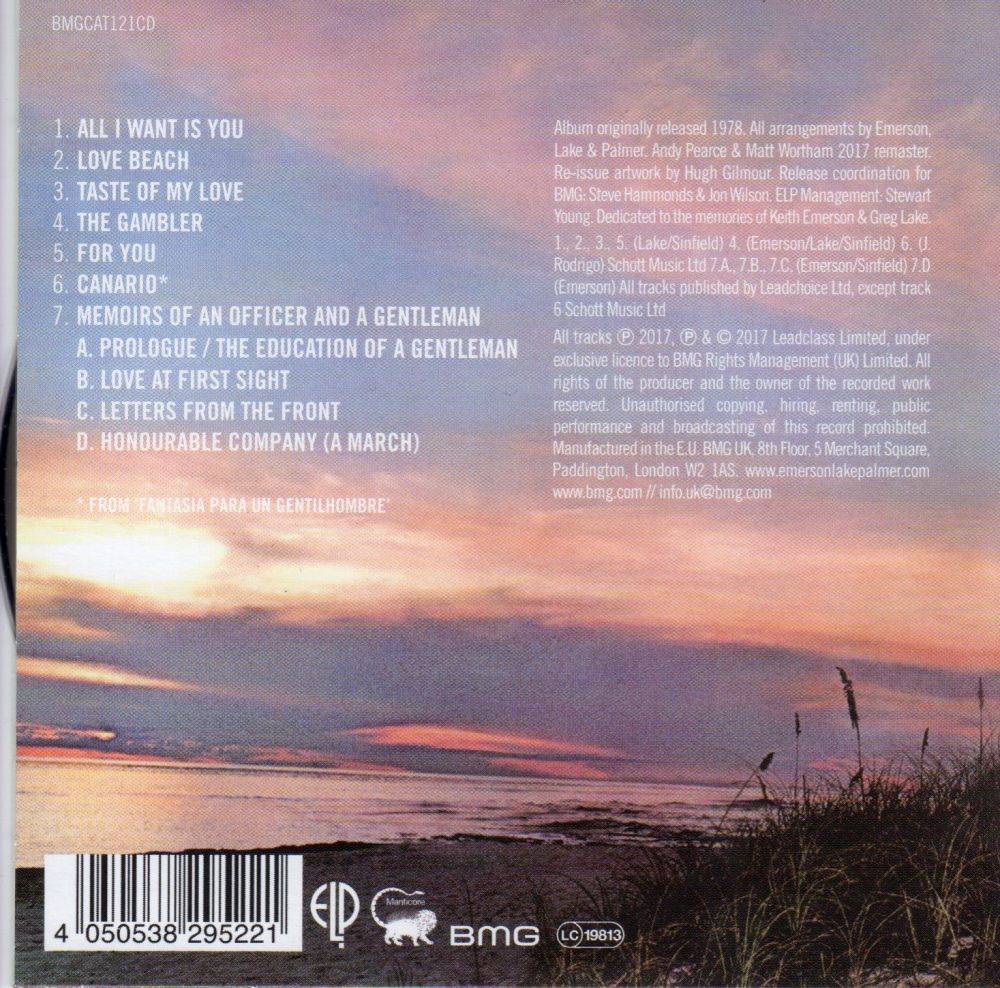
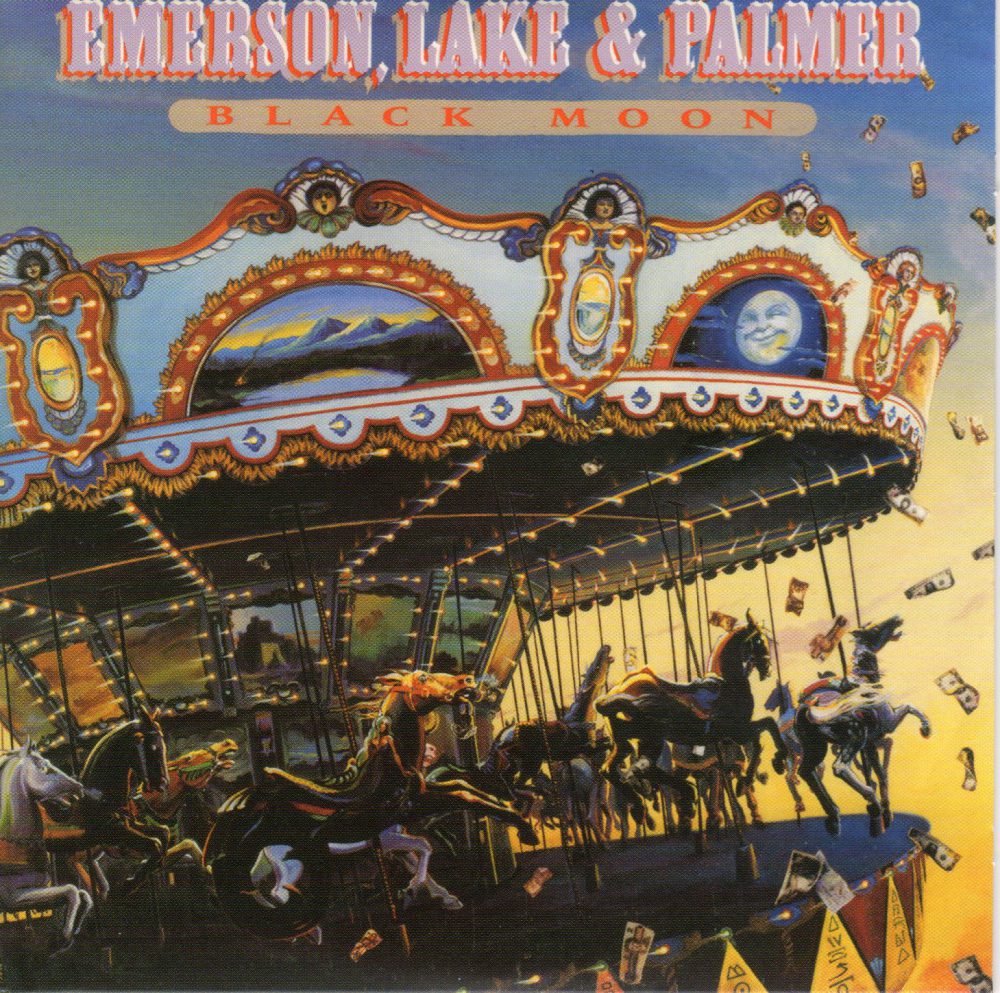
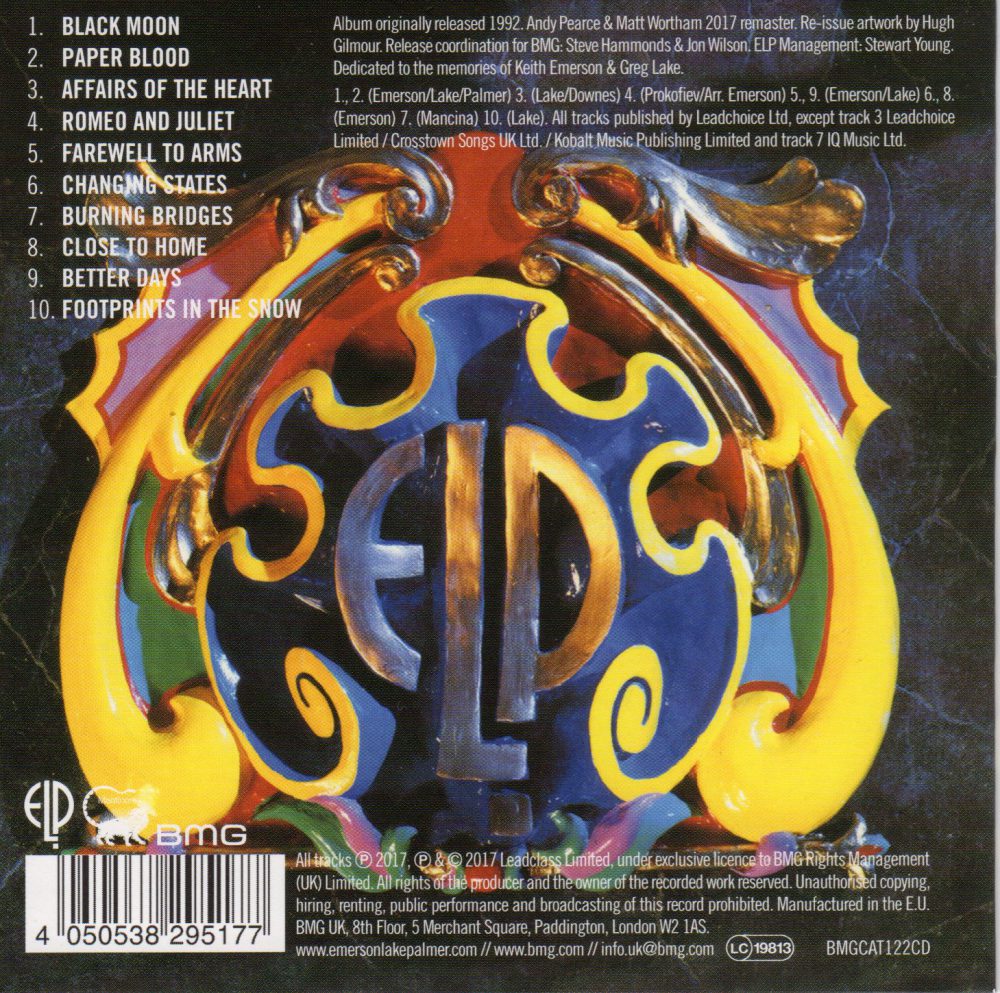


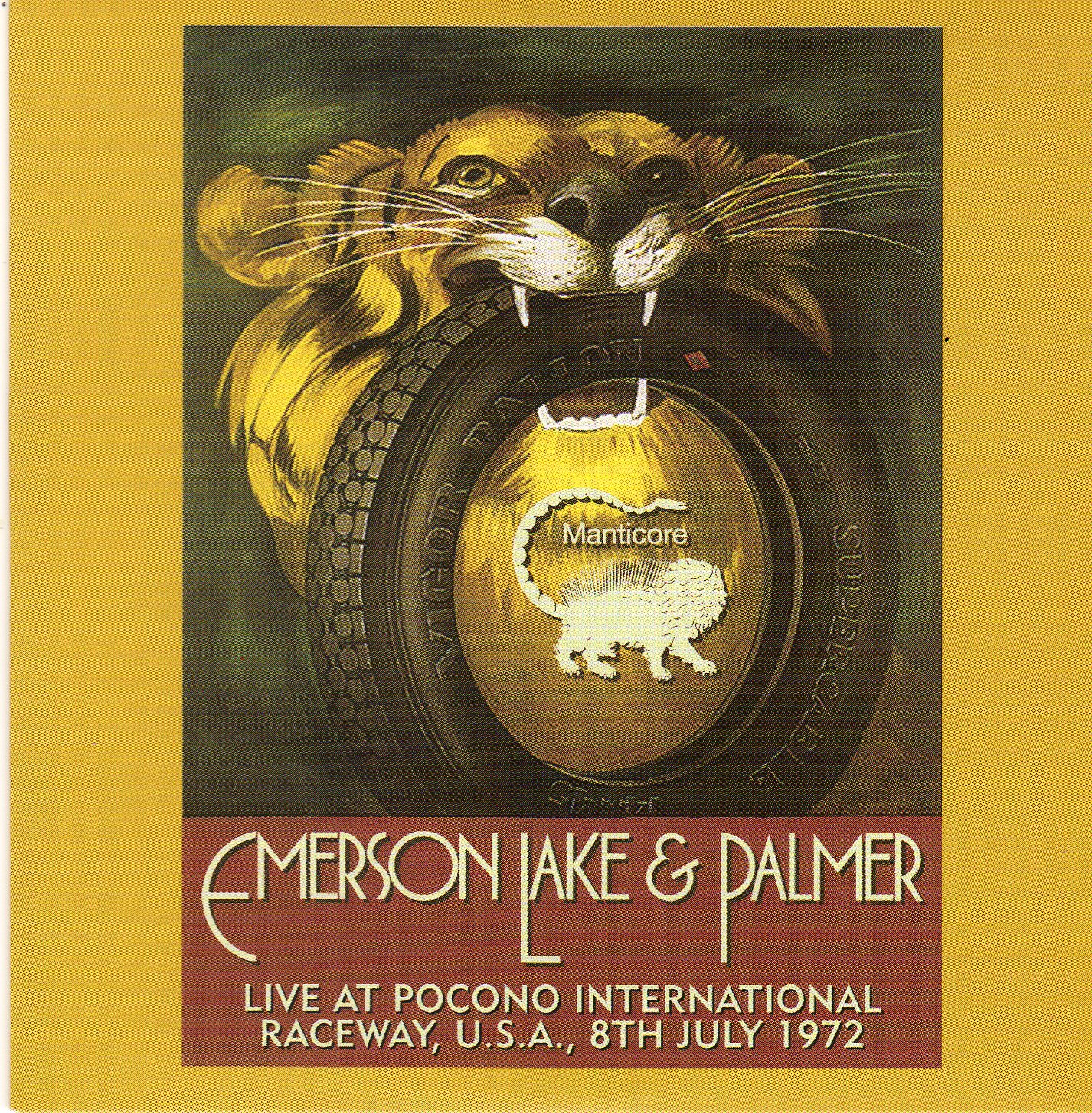

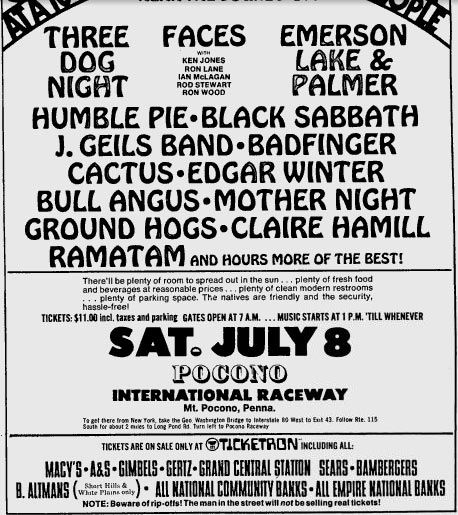



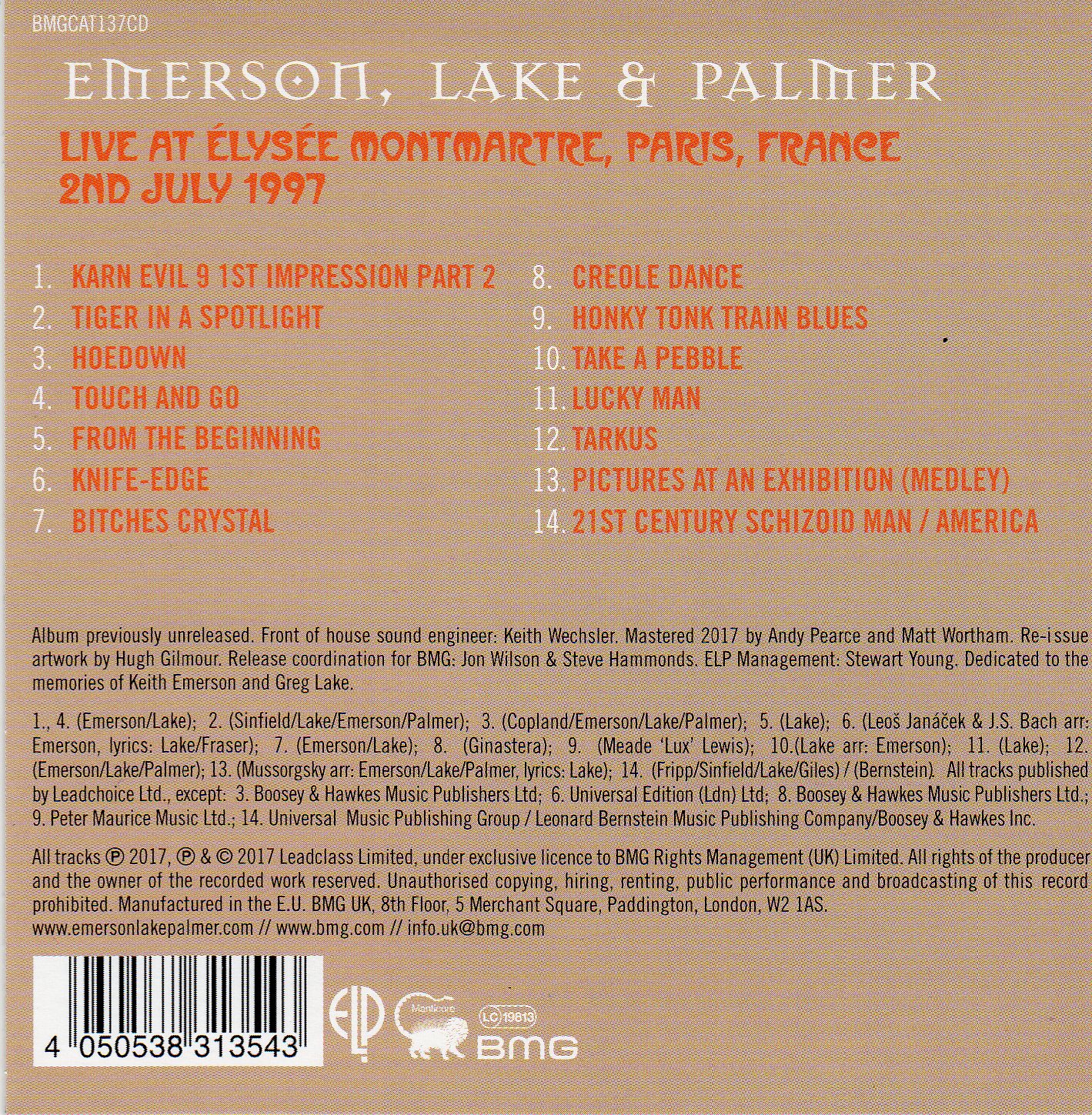
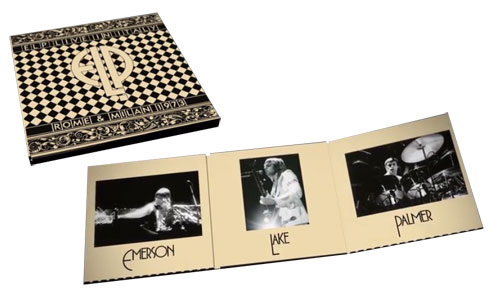
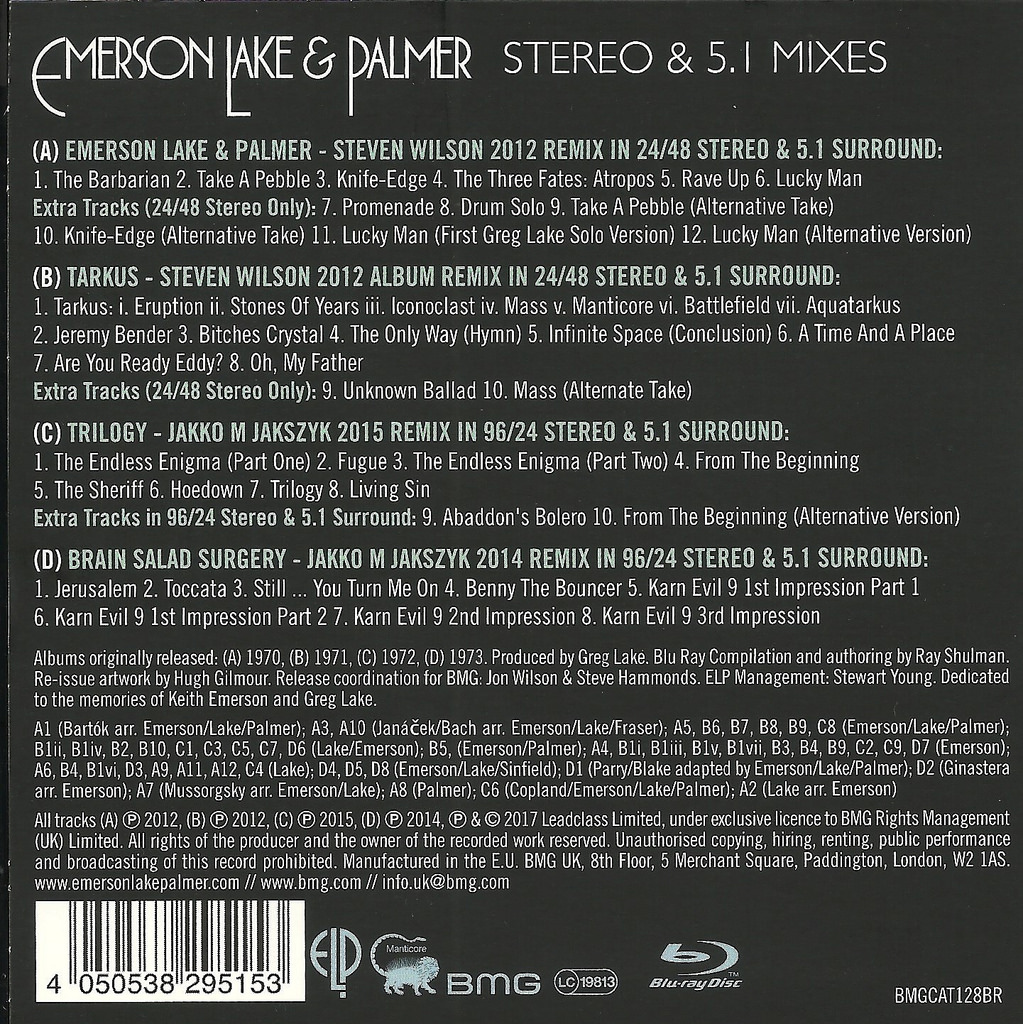

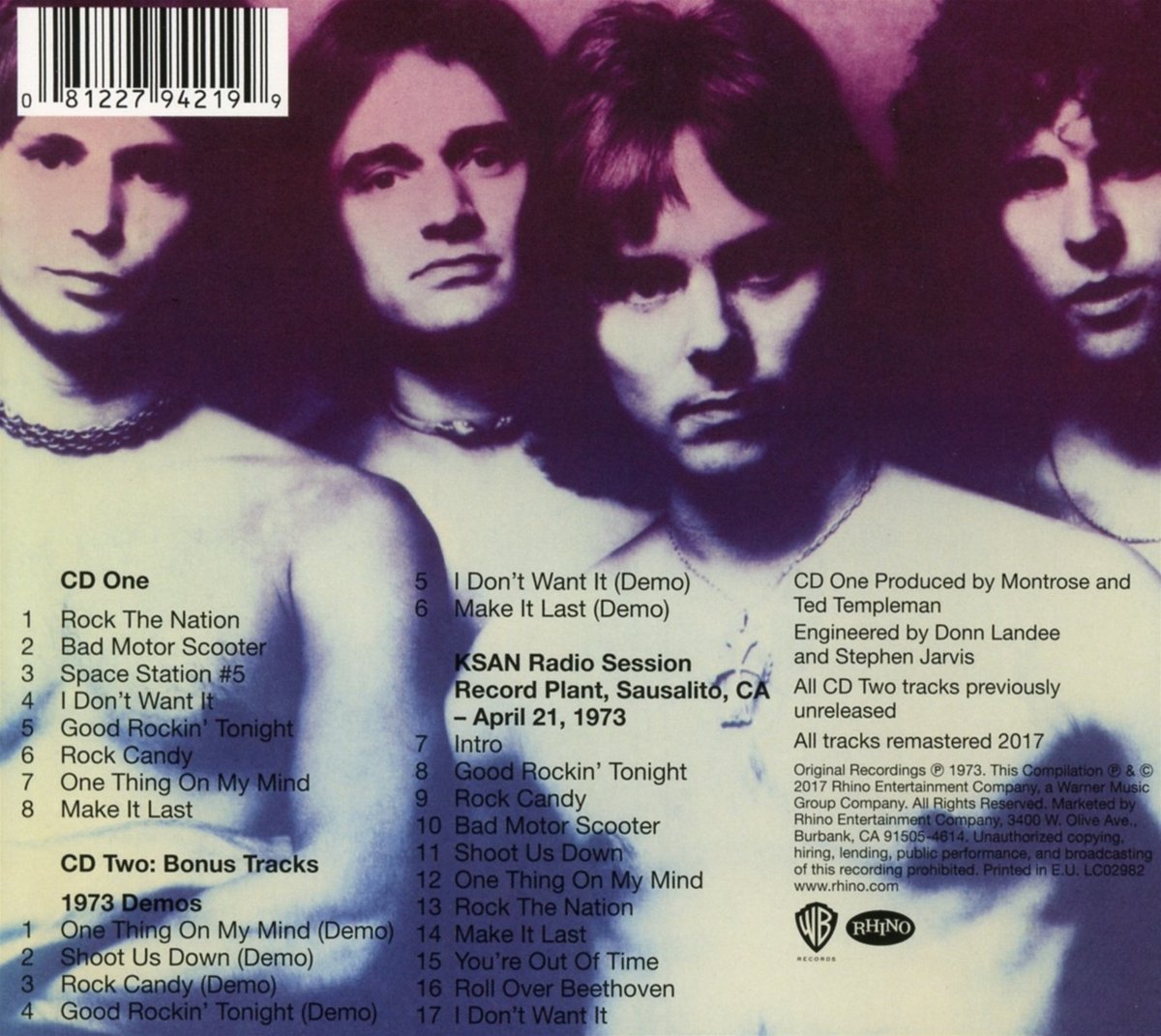


 timtirelli
Commenti recenti