Seguo Greg Iles dal 2014, finora ho “recensito” nove dei suoi romanzi qui sul blog, pensavo ormai di essere abituato al suo stile e alle sue storie, ma con questo nuovo romanzo (pubblicato in Italia in agosto 2020, circa un anno dopo l’uscita negli USA) è riuscito di nuovo ad impressionarmi. Intendiamoci, si tratta di un thriller, con tutti i condimenti tipici di Greg Iles, eppure l’ho trovato ineguagliabile e superlativo.
La capacità che ha Iles di tessere narrazioni articolate è enorme, talento puro che ci conduce attraverso una ragnatela di luoghi, relazioni, considerazioni umane davvero spettacolari. Dopo aver ambientato parecchi dei suoi libri a Natchez, MS, la sua città natale, stavolta Iles crea una cittadina e una comunità fictional, con personaggi tutti nuovi e non correlati a quelli a noi famigliari che avevano caratterizzato i suoi romanzi precedenti. Il risultato è un magnifico affresco, epico e duro, dipinto col fango del fiume Mississippi, con la musica blues sempre presente, dove il male e il bene insiti nell’animo umano sono tratteggiati con estrema cura.
Di thriller belli come questo ce ne sono pochi, giusto la trilogia Millenium del mai troppo compianto Stieg Larsson.
Libro da leggere!
Pag 91 “... spiegando come il fenomeno Trump avesse portato a galla la triste verità che le colpe per cui il Sud è sempre stato criticato -razzismo, l’identitarismo e la xenofobia – erano profondamente radicate nel corpo politico bianco statunitense.”
Pag 369 ” Ma la dura verità è questa figliolo. La corruzione fa parte del capitalismo. Un lubrificante necessario per far funzionare la macchina. data la natura umana, intendo. Perchè questa è la forza matrice del capitalismo: l’avidità. E’ il sistema più pragmatico che esista.”
Pag 375 “La mia filosofia è questa: il bene più grande per il numero più grande di persone. E’ il mio mantra. Ho esercitato la professione legale per sette annie posso dirti una cosa: la giustizia è rara ed effimere.”
Pag 469 “L’errore umano più grande è presumere di conoscere tutto di chi amiamo. Possiamo sicuramente sapere più di chiunque altro al mondo di una persona, ma anche se conosciamo il 99 per cento dei suoi pensieri e dlela sua storia, le incognite restanti potrebbero far crollare tutte le convinzioni che abbiamo sul suo conto.”
Pag 570/571: “Non c’è una conta universale del bene e del male, di quello che è giusto e di quello che è sbagliato. I cristiani con la loro idea del piano di Dio, gli indù con il loro equilibrio karmico … Sono tutte pie illusioni. Impulsi religiosi primitivi. La maledetta coperta di Linus … Non arriverai mai al cuore dell’equazione, il cervello umano non è all’altezza di farlo. La casualità ti farà impazzire.”
“Un romanzo ambizioso che è sia un’avvincente storia di crimini, sia un’indagine approfondita sul dolore, il tradimento e la corruzione. Iles scrive con passione, intensità e impegno assoluto.” — Washington Post “Eccezionale. Crime letterario al suo meglio, scorrevole, ingegnoso, ad alto tasso di tensione, e tuttavia dotato di un profondo intento morale… impossibile smettere di leggerlo.” — The Times “Iles ha creato un suo Mississippi, proprio come Connelly ha fatto con Los Angeles. Si parlerà di questo libro per molto tempo.” — Booklist A volte il prezzo della giustizia è l’anima di un uomo. Marshall McEwan ha lasciato la sua cittadina d’origine in Mississippi a diciotto anni e ha giurato a se stesso di non tornarci più. E così è diventato un importante giornalista di Washington. Ma quando scopre che il padre è malato terminale deve tornare a casa e affrontare il passato. Al suo arrivo si rende conto che Bienville è molto cambiata. Il quotidiano della sua famiglia sta fallendo, Jet Talal, il suo amore giovanile, è sposata con il rampollo di un ricco imprenditore. La città, in cui i corrotti e i potenti spadroneggiano sotto un sottilissimo velo di rispettabilità, è controllata dal Bienville Poker Club. Ma due morti sospette squassano le fragili fondamenta della comunità. Due morti legate ai loschi affari del Bienville Poker Club. Marshall non può fare altro che cercare la verità, anche se presto capisce che il suolo del Mississippi è un campo minato, dove segreti esplosivi possono distruggere le anime ancora più dell’ingiustizia. Greg Iles è uno dei maggiori scrittori statunitensi di oggi, capace di intrecciare trame avvincenti dal ritmo incalzante a drammi umani di grande intensità. “Cemetery Road” ha esordito subito in cima alla classifica del New York Times, rimanendo in testa per settimane. Una storia epica ed emozionante di amicizia, tradimento e segreti sconvolgenti sullo sfondo affascinante e oscuro del profondo Sud americano.
Di Mike Millard su questo blog ne abbiamo parlato più volte, amante del rock proveniente dalla west coast americana, dal 1973 al 1992 registrò parecchi concerti tenutisi in quell’area. Lo fece con una strumentazione di qualità, per quei tempi davvero notevole, portandola all’interno delle arene in questione usando diversi stratagemmi (a volte anche fingendosi disabile e quindi su una sedia a rotelle). Le sue sono dunque registrazioni audience, cioè prese dal pubblico, ma di una qualità micidiale; non è un un caso che ancora oggi – tra il giro di appassionati – siano considerate tra i documenti migliori per quanto riguarda l’epoca d’oro della musica rock. Sì perché con le registrazione audience si ha l’idea esatta di cosa fosse andare ad un concerto rock, la performance dell’artista catturato nella sua essenza più pura: l’umore e le scosse emotive del pubblico, la musica messa su nastro senza artifici (e dunque senza le modifiche e i trucchetti presenti nei dischi dal vivo ufficiali), i commenti dei fans che a tratti finivano sul nastro. La fortuna ha voluto che i LZ fossero tra i suoi gruppi preferiti e, ad esempio, le sue registrazione di alcuni dei sei concerti tenuti nel 1977 a Los Angeles sono per tutti noi testimonianze preziosissime. Nel 1994 Millard decise di togliersi la vita, decisione che non ci permettiamo di giudicare e quindi tralasciamo di commentare gli abissi di dolore a cui deve essere andato incontro. Per moltissimo tempo le sue cassette rimasero archiviate nella sua stanza a casa di sua madre, le registrazioni che circolavano provenivano infatti da copie che lo stesso Millard aveva fatto per amici e altri collezionisti. Successe poi che sua madre finalmente affidò ad amici intimi di suo figlio le tante cassette (si parla di 280 concerti registrati) in modo che potessero essere trasferite e quindi salvate su DAT. Sotto all’articolo riporto (oltre al testo che accompagna la registrazione di JP di cui tra poco parleremo) tutta la lunga storia in caso qualcuno fosse interessato. Per chiudere questo breve riassunto, quando si pensava che i master originali di Millard fossero andati persi, ecco che vengono ritrovati, rimasterizzati e messi gratuitamente in circolo da generosi collezionisti e amanti del rock come noi. E’ dunque doveroso mandare un pensiero a Mike Millard perché grazie ai suoi nastri il rock si mantiene vivo e noi possiamo ancora illuderci di vivere in prima persona i momenti più esaltanti della musica che amiamo.
◊ ◊ ◊
Live Recording reflections
NB: in realtà questa nuova remasterizzazione è fatta non dal master originale (è andato perso?) ma da una copia 1 generation.
1988, a due anni dall’ultima attività con i Firm (disco e tour) JPP torna con “Outrider” (apripista / battistrada) l’unico album solista (se escludiamo l’eccellente colonna sonora del 1982 DEATH WISH II, un disco che su questo blog amiamo moltissimo), disco oggi interlocutorio, non troppo a fuoco, prodotto e arrangiato in maniera non troppo convincente, ma all’epoca mi sembrava il gran ritorno del dio della chitarra che tutti conosciamo. L’album arrivò alla posizione 27 della classifica USA conquistando il disco d’oro.
Sette anni fa scrissi su questo blog una recensione di una data del tour relativo (NY 12 novembre 1988), iniziai quel mio write of winter così:
“Ah, l’Outrider tour, l’ultima volta in cui Page è stato Page; pur non essendo stato un avvenimento memorabile nella storia della musica Rock, per i LZ fan rimane un caposaldo nella storia di Jimmy Page chitarrista Rock. La band non era un granché: Jason Bonham alla batteria (all’epoca ancora immaturo e sopra le righe) e un oscuro session man di Capo Verde al basso (tal Durban Laverde) non permisero a Page di raggiungere gli spazi siderali, i viaggi cosmici a cui aveva abituato con i LZ; persino il grandissimo JOHN MILES era stato istruito ad essere una copia di Plant e scrivere cose trite e ritrite per compiacere MTV … tuttavia con un Page finalmente in ottima forma, i mesi di ottobre e novembre di quel OUTRIDER tour del 1988 furono entusiasmanti… un musicista finalmente di nuovo col completo controllo del suo strumento … “
Le prime date del tour (come spesso capitava con Page) non sono un granché, dal punto di vista chitarristico, Page sembra ancora indietro nella preparazione, ma poi le cose cambiano (soprattutto da ottobre inoltrato) e nel resto della tournée si avrà il Page migliore dal 1973, un Page che nemmeno i tour del 1993 con Coverdale&Page e del 1995/98 con Page&Plant rivedranno più.
Nella (ottima) registrazione (del grande Mike Millard) i primi momenti di Who’s To Blame (da Death Wish II – 1982) contengono tagli e distorsioni (dovuti al mettere in funzione l’equipaggiamento) ed è un peccato perché Who’s To Blame a mio avviso è uno dei grandi pezzi di Page, un brano che sarebbe diventato di riferimento se la storia avesse seguito un percorso diverso e fosse finito sull’ipotetico successore di In Through The Out Door. Come sempre capita con le registrazione del mai dimenticato Mike Millard, la qualità audio è ottima (parlando di fonte audience). John Miles alle tastiere e alla voce fa il suo porco lavoro, mentre Page si fa avanti a colpi di hard rock esoterico. Il Forum di Los Angeles esplode quando Jimmy parte col suo primo assolo (sulla Les Paul dotata di Stringbender), ma si sa, Los Angeles era la seconda patria del dirigibile di piombo. Il Prelude (da Death Wish II – 1982) di Chopin non mi ha mai convinto troppo, quell’effetto alla Santo & Johnny suonato con la mano pesante mi è sempre sembrato un po’ imbarazzante, benché Jimmy lo infarcisca con svisate tutte sue.
Col primo pezzo dei Led Zeppelin il Forum deflagra: Over The Hills And Far Away (da Houses Of The Holy 1973 – Led Zeppelin). John Miles canta come Robert Plant fece sul disco, è davvero incredibile; negli Stati Uniti il biondo cantante della Contea di Durham non è conosciuto né apprezzato a dovere, ma qui in Europa – in primo luogo qui alla Domus Saurea – John Errington in arte Miles è un dio. L’assolo di Page (sempre con lo Stringbender) nell’intermezzo in FA#- è oggetto di venerazione da parte del pubblico. Durban Laverde al basso fa il compitino, mentre Jason Bonham enfatizza il lavoro ritmico.
jimmiepage_62.jpg
Page introduce dapprima lo scopo del concerto e quindi il nuovo brano che è Wanna Make Love (da Outrider) introdotto dal riff di Liquid Mercury (da Outrider). Il brano in realtà non è granché, il testo men che meno, bisognava compiacere come scritto MTV e il pubblico medio americano imbambolato in quegli anni da parecchio hair metal di qualità scadente. Miles è comunque bravissimo e Page si diverte con la leva del vibrato. Jimmy introduce la band e dunque parte con Writes Of Winter (da Outrider), strumentale degno di nota ma che soffre quel tempo di batteria che andava di moda negli anni ottanta, roba da Micheal Schenker Group, non da James Patrick Page. L’effetto Rockpalast (come lo chiamiamo io e il grande Stefanino Piccagliani) rovina infatti un po’ tutte le belle cose che Page fa alla chitarra. Jason qui sembra più legnoso del solito. Laverde neutrale some sempre … va mo là che certa gente ne ha avuto di fortuna in campo musicale. Il brano è collegato – in maniera poco fluida – al successivo tramite la sezione aggiuntiva di Whole Lotta Love versione 1979, ma il gruppo è costretto ad interrompersi perché Page rompe una corda. Tear Down The Walls (da Mean Business 1986 – The Firm) comunque inizia poco dopo. Mi è sempre piaciuta, niente di trascendentale, un buon pezzo rock solare comunque arricchito da contrappunti musicali in puro stile Page. Di nuovo giù il cappello per John Miles che dopo aver affrontato vittoriosamente lo stile del Robert Plant dell’immaginario collettivo, convince anche nel raffronto con lo stile del grande Paul Rodgers. L’assolo di chitarra sullo Stringbender è sporcato da un uso non corretto del delay.
Emerald Eyes (da Outrider) è uno strumentale assai carino (dedicato presumibilmente agli occhi di Patricia Ecker, all’epoca moglie del Dark Lord) qui suonato con convinzione da Page aiutato strumentalmente anche da John Miles. Nella registrazione si sente un fan parlare del pezzo dei Firm che sta per essere presentato: Midnight Moonlight (dal primo album dei Firm 1985) w/Black Mountain Side (da LZ I – 1969). MM come sappiamo deriva dal brano strumentale Swan Song composto da Page nel 1973 e mai portato avanti in modo definitivo dai LZ. Page lo riprese in mano nel 1983 e insieme a Paul Rodgers lo trasformò nella bellissima Midnight Moonligh (Lady), lo presentò dal vivo nel tour americano del 1983 del progetto benefico ARMS e lo incluse nel primo album dei Firm nel 1985. Qui lo presenta John Miles che lo canta tra l’altro in maniera divina. Nella parte centrale dedicata ai ricami chitarristici di Page (il brano è in accordatura aperta) Jimmy accenna anche a Black Mountain Side (e a Kashmir) con gran godimento del pubblico. In My Time Of Dying (da Physical Graffiti 1975 – Led Zeppelin) risveglia tutti dall’incanto appena terminato e trascina il Forum verso i sentieri del blues pesante a base di chitarra slide.
LA Forum
Il bel riff di City Sirens (da Death Wish II – 1982) funge da intro all’assolo di batteria di Jason Bonham, assolo che nel tour di cui stiamo parlando non è mai stato memorabile; molto anni 80, sopra le righe e rigido. Gli accenni a Moby Dick e a Rock And Roll sono gratuiti. Someone To Love (dal primo album dei Firm 1985) è un discreto brano di hard rock suonato e cantato qui con convinzione mentre Prison Blues (da Outrider) è un bluesaccio mediocre con un testo imbarazzante (per le sciocche metafore sessuali), non fosse per Page alla chitarra (sempre disposto a rischiare e a dare nuovi colori) sarebbe un pezzo senza nessuna importanza. Su disco Chris Farlowe si cantò addosso, qui John Miles per certi versi cerca di essere meno ridondante.
Laverde-Bonham-Page-Miles 1988
The Chase (da Death Wish II – 1982) è uno strumentale che in questa occasione serve per dar spazio a Page alla sua solista (sempre con lo stringbender) e ai suoi esperimenti sonori che comprendono la sezione archetto di violino, il bizzarro guitar solo versione tour 1977 e la parte finale di Dazed And Confused (dal primo album dei LZ – 1969) a cui manca però lo swing di Jones e John Bonham.
Wasting My Time (da Outrider) fu il primo singolo dell’album, qui è suonata in modo confuso, qualcosa non funziona nella chitarra di Page, (che alla fine accennerà al fatto di aver rotto una corda).
Blues Anthem (da Outrider) mi è sempre piaciuta parecchio, come scrivo spesso è un quadretto blues color pastello in cui mi riconosco molto. Jimmy con la chitarra acustica insieme a John Miles: un paio di strofe, un ritornello, altre due strofe, uno sconclusionato passaggio strumentale a mo’ di assolo, il ritornello e il finale. Ma poi entra la band, e Page alla solista ci regala l’ennesimo assolo con lo Stringbender, poi ancora il ritornello e la chiusura.
Il finale non poteva che essere dedicato (più o meno) ai Led Zeppelin).
In Custard Pie (da Physical Graffiti 1975 – Led Zeppelin) John Miles è di nuovo bravissimo. La sezione ritmica si rivela ancora una volta non all’altezza di Jimmy Page, manca dinamica, swing e magia. Il riff di Custard Pie è arricchito con passaggi tratti da The Ocean e sul finale da Black Dog (con Miles all’armonica).
Il gruppo esce e quindi torna onstage.
Train Kept-a Rollin’ (di Tiny Bradshaw, Howard Kay e Lois Mann – vecchio cavallo di battaglia degli Yardbirds ripreso dal vivo nel 1968/69 e 1980 dai LZ) è un pezzo che mi entusiasma, sia nella versione di Tiny Bradshaw del 1951, che in quella degli Yardbirds con Jeff Beck e pure in quella degli Aerosmith. Il rifacimento dei LZ non mi è mai parso particolarmente efficace, mentre la versione di Page pare scorra meglio (pur essendo assai simile a quella dei LZ).
Alla vista della doppio manico il pubblico si scalda … il primo arpeggio, le tastiere (suonate da Miles) e il pubblico che canta, questa è la Stairway To Heaven (da IV 1971 – Led Zeppelin) post LZ. La versione non è granché, poco precisa, poco sciolta, nervosa, ma l’emozione è nemica in questi casi. Nell’assolo Page si accartoccia un po’ su se stesso. Inascoltabile il doppio pedale di Jason durante la sezione a bicordi di Page (vedi tour 1975/1977), il figlio del grande John Henry rimarrà sempre un centurione, come diciamo qui dalle mie parti.
Outrider Tour dates
Per i concerti migliori del tour occorrerà aspettare ancora qualche data ma è indubbio che la registrazione di Mike Millard di un concerto del 1988 di Page occorre averla. Concerto comunque godibile, grazie alla versatilità di Miles e alla presenza del Signore Oscuro che tanto amiamo, sì perché un Page con parecchie sbavature ma comunque degno del suo nome è un bel sentire. Page non è un artista solista, al microfono non ci sa granché fare (cosa comunque comune a parecchi chitarristi, in primis Jeff Beck), ma in quegli anni averlo ritrovato dopo il buio del primo post LZ sembrava una gran cosa.
01 Who’s To Blame 02 Prelude 03 Over The Hills And Far Away 04 Liquid Mercury 05 Wanna Make Love 06 Writes Of Winter 07 Tear Down The Walls 08 Emerald Eyes 09 Midnight Moonlight w/Black Mountain Side 10 In My Time Of Dying 11 City Sirens 12 Drum Solo 13 Someone To Love 14 Prison Blues 15 The Chase 16 Bow Solo > Dazed And Confused 17 Wasting My Time 18 Blues Anthem 19 Custard Pie 20 Train Kept A-Rollin’ 21 Stairway To Heaven
We have talked about Mike Millard on this blog few times, he was a rock music lover from the US west coast and from 1973 to 1992 he recorded several concerts held in that area. He did it with quality equipment, for those times truly remarkable, bringing it inside the arenas in question using different stratagems (sometimes even pretending to be disabled and therefore in a wheelchair). His are therefore audience recordings, that is, taken by the public, but of a deadly quality; it is no coincidence that even today – among the circle of fans – they are considered among the best documents regarding the golden age of rock music. Yes, because with audience recording you have the exact idea of what it was like to go to a rock concert, the artist’s performance captured in its purest essence: the mood and emotional shocks of the audience, the music put on tape without artifice (and therefore without the edits and the tricks present in the official live records), the comments of the fans who sometimes ended up on the tape. Luckily LZ were among his favorite bands and, for example, his recordings of some of the six concerts held in 1977 in Los Angeles are precious testimonies for all of us. In 1994 Millard decided to take his own life, a decision that we do not allow ourselves to judge and therefore we neglect to comment on the abysses of pain that he must have gone through. For a very long time his cassettes remained archived in his room at his mother’s house, the records circulating in fact came from copies that Millard himself had made for friends and other collectors. Then it happened that his mother finally entrusted the many tapes (we are talking about 280 recorded concerts) to close friends of his son so that they could be transferred and then saved on DAT. Under the article I carry over (in addition to the text that accompanies the registration of JPP which we will shortly talk about) the whole long story in case anyone is interested. To close this short summary, when it was thought that the original Millard masters had been lost, here they are found, remastered and put into free circulation by generous collectors and rock lovers like us. It is therefore a duty to send a thought to Mike Millard because thanks to his tapes rock remains alive and we can still delude ourselves to experience firsthand the most exciting moments of the music we love.
◊ ◊ ◊
Live Recording reflections
NB: in reality this new remaster is made not from the original master (has it been lost?) but from a 1 generation copy.
1988, two years after the last activity with the Firm (disc and tour) JPP returns with “Outrider” the only solo album (if we exclude the excellent soundtrack of 1982 DEATH WISH II, a record that we love very much on this blog), an interlocutory record today, not too focused, produced and arranged in a not too convincing way, but at the time it seemed to me the great return of the guitar god we all knew. The album reached position 27 on the US chart, earning a gold record.
Seven years ago I wrote on this blog a review of a relative tour date (NY 12 November 1988), I started my write of winter like this:
“Ah, the Outrider tour, the last time Page was Page; while not a memorable event in the history of Rock music, for LZ fans it remains a staple in the history of Jimmy Page rock guitarist. The band was not that great: Jason Bonham on drums (at the time still immature and over the top) and an obscure session man from Cape Verde on bass (a certain Durban Laverde) did not allow Page to reach the sidereal spaces, the cosmic journeys he had accustomed with LZ; even the great John Miles had been instructed to be a copy of Plant and write standard stuff to please MTV … yet with a Page finally in great shape, the October and November months of that 1988 OUTRIDER tour they were thrilling … a musician finally back in full control of his instrument … “
The first dates of the tour (as often happened with Page) are not very good from the guitar point of view, Page still seems to be behind in the preparation, but then things change (especially from late October) and in the rest of the tour you will have the best Page since 1973, a Page that not even the 1993 tours with Coverdale & Page and the 1995/98 tours with Page & Plant will see again.
In the (excellent) recording (by the great Mike Millard) the first moments of Who’s To Blame (from Death Wish II – 1982) contain cuts and distortions (due to putting the equipment into operation) and it is a shame because Who’s To Blame to my notice is one of Page’s great pieces, a track that would have become a reference if the story had followed a different path and ended up on the hypothetical successor of In Through The Out Door. As always happens with the recordings of the never forgotten Mike Millard, the audio quality is excellent (speaking of source audience). John Miles on keyboards and vocals does his dirty job, while Page steps forward with esoteric hard rock. The Los Angeles Forum explodes when Jimmy plays his first solo (on the Les Paul equipped with the Stringbender), but you know, Los Angeles was the second home of the lead blimp. Chopin’s Prelude (from Death Wish II – 1982) has never convinced me too much, that Santo & Johnny effect played with a heavy hand has always seemed a bit embarrassing to me, although Jimmy stuffs it with his own twist.
With the first Led Zeppelin song the Forum explodes: Over The Hills And Far Away (from Houses Of The Holy 1973 – Led Zeppelin). John Miles sings it like Robert Plant did on the record, it’s really amazing; in the United States, the blond singer from County Durham is not well known or appreciated, but here in Europe – primarily here at the Domus Saurea – John Errington aka Miles is a god. Page’s solo (again with the Stringbender) in the interlude in F # – is an object of public veneration. Durban Laverde does his homework on bass, while Jason Bonham emphasizes the rhythmic work.
Page first introduces the purpose of the concert and then the new song which is Wanna Make Love (from Outrider) introduced by Liquid Mercury‘s riff (from Outrider). The song is not really that great, the lyrics least of all, they had to please MTV as written and the average American public in those years stunned by a lot of poor quality hair metal. Miles is still very good and Page has fun with the vibrato bar. Jimmy introduces the band and therefore plays Writes Of Winter (from Outrider), a noteworthy instrumental that suffers from that drum tempo that was fashionable in the eighties, stuff for the Micheal Schenker Group, not James Patrick Page. The Rockpalast effect (as the great Stefanino Piccagliani and I call it) ruins all the good things that Page does on the guitar. Jason here looks more woody than usual. Laverde sounds neutral as always … it goes there that some people have had luck in the music field. The song is connected – in a not very fluid way – to the next one through the additional section of Whole Lotta Love 1979 version, but the group is forced to stop because Page breaks a string. Tear Down The Walls (from Mean Business 1986 – The Firm) however begins shortly after. I have always liked it, nothing transcendental, a good sunny rock piece however enriched by musical counterpoints in pure Page style. Once again hats off to John Miles who, after having successfully faced the style of the Robert Plant, also convinces in the comparison with the style of the great Paul Rodgers. The guitar solo on the Stringbender is soiled by an incorrect use of the delay.
Emerald Eyes (from Outrider) is a very nice instrumental (presumably dedicated to the eyes of Patricia Ecker, wife of the Dark Lord at the time) played here with conviction by Page, also instrumentally helped by John Miles. In the recording we hear a fan talking about the Firm track that is about to be presented: Midnight Moonlight (from Firm’s first album 1985) w / Black Mountain Side (from LZ I – 1969). MM as we know comes from the instrumental piece Swan Song composed by Page in 1973 and never brought forward definitively by LZ. Page picked it up in 1983 and together with Paul Rodgers transformed it into the beautiful Midnight Moonligh (Lady), presented it live on the 1983 American tour of the ARMS charity project and included it in the Firm’s first album in 1985. John introduces it here. Miles sings it in a divine way. In the central part dedicated to Page’s guitar embroideries (the piece is in open tuning) Jimmy also mentions Black Mountain Side (and Kashmir) to the great enjoyment of the public. In My Time Of Dying (from Physical Graffiti 1975 – Led Zeppelin) awakens everyone from the enchantment that has just ended and drags the Forum towards the paths of heavy blues based on slide guitar.
The beautiful riff of City Sirens (from Death Wish II – 1982) serves as an intro to Jason Bonham’s drum solo, a solo that in the tour we are talking about has never been memorable; very 80’s, over the top and stiff. The hints to Moby Dick and Rock And Roll are gratuitous. Someone To Love (from Firm’s first album 1985) is a decent hard rock track played and sung here with conviction while Prison Blues (from Outrider) is a mediocre blues track with embarrassing lyrics (for the silly sexual metaphors), without Page on guitar (given that he is always willing to take risks and give new colors) it would be a piece without any importance. On record Chris Farlowe sung it with much emphasis, here John Miles in some ways tries to be less redundant. The Chase (from Death Wish II – 1982) is an instrumental that on this occasion serves to give space to Page’s lead guitar (always with the Stringbender) and to his sound experiments which include the violin bow section, the bizarre guitar solo version 1977 tour and the final part of Dazed And Confused (from the first album of LZ – 1969) which however lacks the swing of Jones and John Bonham.
Wasting My Time (from Outrider) was the first single of the album, here it is played confusingly, something is wrong with Page’s guitar, (who will eventually hint that he broke a string).
I have always liked Blues Anthem (from Outrider) a lot, as I often write it is a pastel-colored blues picture in which I recognize myself a lot. Jimmy with the acoustic guitar together with John Miles: a couple of verses, a chorus, two more verses, a rambling instrumental passage as a solo, the chorus and the ending. But then the band enters, and Page plays another solo with the Stringbender, then again the chorus and the ending
In Custard Pie (from Physical Graffiti 1975 – Led Zeppelin) John Miles is again good. The rhythm section proves once again to be not at Jimmy Page level, it lacks dynamics, swing and magic. Custard Pie’s riff is enriched with passages from The Ocean and at the end from Black Dog (with Miles on harmonica).
The group exits and then returns onstage.
Train Kept-a Rollin ‘(by Tiny Bradshaw, Howard Kay and Lois Mann – old Yardbirds workhorse shot live in 1968/69 and 1980 by LZ) is a piece that excites me, both in the 1951 version of Tiny Bradshaw , in the one of the Yardbirds with Jeff Beck and also in that of Aerosmith. The one of LZ has never seemed particularly effective, while the version of Page seems to flow better (although very similar to that of the LZ).
At the sight of the double neck the audience warms up … the first arpeggio, the keyboards (played by Miles) and the singing audience, this is the Stairway To Heaven (from IV 1971 – Led Zeppelin) post LZ. The version is not great, not very precise, not very loose, nervous, but the emotion is the enemy in these cases. In the solo, Page curls up a bit on himself. Jason’s double pedal use during the bichord section of Page’ solo (see tour 1975/1977) is a shame, the son of the great John Henry will always remain a centurion, as we say here in my part of the world.
For the best concerts of the tour it will be necessary to wait a few more dates but there is no doubt that Mike Millard’s recording of a 1988 concert by Page is essential. Still enjoyable concert, thanks to the versatility of Miles and the presence of the Dark Lord we love so much, yes because a Page with many smudges but still worthy of his name is a damn good vibe. In my opinion Page is not a solo artist, he doesn’t know much how to deal with the microphone (something common to many guitarists, first of all Jeff Beck) and seems uncertain without a rock-steady project behind him, but in those years having found him after the darkness of the first post LZ seemed a great thing.
01 Who’s To Blame 02 Prelude 03 Over The Hills And Far Away 04 Liquid Mercury 05 Wanna Make Love 06 Writes Of Winter 07 Tear Down The Walls 08 Emerald Eyes 09 Midnight Moonlight w/Black Mountain Side 10 In My Time Of Dying 11 City Sirens 12 Drum Solo 13 Someone To Love 14 Prison Blues 15 The Chase 16 Bow Solo > Dazed And Confused 17 Wasting My Time 18 Blues Anthem 19 Custard Pie 20 Train Kept A-Rollin’ 21 Stairway To Heaven
Known Faults: -Distortion and cuts in the first two minutes as Mike gets set up.
Introduction to the Lost and Found Mike the MICrophone Series
Welcome to JEMS’ Lost and Found Mike the MICrophone series presenting recordings made by legendary taper Mike Millard, AKA Mike the MICrophone, best known for his masters of Led Zeppelin done in and around Los Angeles circa 1975-77. For the complete details on how tapes in this series came to be lost and found again, as well as JEMS’ long history with Mike Millard, please refer to the notes in Vol. One: http://www.dimeadozen.org/torrents-details.php?id=500680.
Until 2020, the Lost and Found series presented fresh transfers of previously unavailable first-generation copies made by Mike himself for friends like Stan Gutoski of JEMS, Jim R, Bill C. and Barry G. These sources were upgrades to circulating copies and in most instances marked the only time verified first generation Millard sources had been directly digitized in the torrent era.
That all changed with the discovery of many of Mike Millard’s original master tapes.
Yes, you read that correctly, Mike Millard’s master cassettes, long rumored to be destroyed or lost, have been found. Not all of them but many, and with them a much more complete picture has emerged of what Millard recorded between his first show in late 1973 and his last in early 1992.
The reason the rediscovery of his master tapes is such a revelation is that we’ve been told for decades they were gone. Internet myths suggest Millard destroyed his master tapes before taking his own life, an imprudent detail likely concocted based on the assumption that because his master tapes never surfaced and Mike’s mental state was troubled he would do something rash WITH HIS LIFE’S WORK. There’s also a version of the story where Mike’s family dumps the tapes after he dies. Why would they do that?
The truth is Mike’s masters remained in his bedroom for many years after his death in 1994. We know at least a few of Millard’s friends and acquaintances contacted his mother Lia inquiring about the tapes at the time to no avail. But in the early 2000s, longtime Millard friend Rob S was the one she knew and trusted enough to preserve Mike’s work.
The full back story on how Mike’s master tapes were saved can be found in the notes for Vol. 18 Pink Floyd, which was the first release in our series transferred from Millard’s original master tapes:
Jimmy Page, The Forum, Inglewood, CA, October 7, 1988
The hero comes home.
This week’s jewel from the Millard mine captures the return of Jimmy Page to what one might call his home court in America, the Fabulous Forum, for the one LA show on what remains to date Page’s only proper solo tour. In fact, outside of his performances with Robert as Page/Plant, since the end of Led Zeppelin in 1980 Jimmy has only performed 60-70 proper concerts depending on one’s definition, 37 on this 1988 trek.
Jimmy Page back at the Forum for a single show on his one and only solo tour was indeed a momentous occasion for fans and the man himself. “I’m really looking forward to playing tonight, Jimmy says earnestly at the top of the show. “Every time I’ve been here before it’s been fantastic.” You know he meant every word.
For Millard, the excitement had to be nearly as high. While he had recorded Page at the ARMS Concert in the same venue in 1983, this was the first full concert appearance by Page in Los Angeles since Led Zeppelin wrapped its six-night Forum ’77 stand on June 27.
Millard of course was hardly alone in terms of anticipation, and the crowd is fully engaged in the show, though in true Mike the Mike fashion, he manages to avoid detrimental audience noise on his recording for the most part. But he did have some recording challenges.
As noted above, Mike took a couple of minutes to get his levels right and mics set up, the result of which is a bit of distortion at the start of the show and a few longish dropouts which we have mitigated to the best of our abilities. Also, somewhere in the microphone to tape deck cable chain, which includes a stop at the microphone power packs, something wasn’t plugged in correctly which caused his recording to go out of phase for most of the show. It flips back and forth on part one and stays steadily out of phase for the remainder of the set.
Happily, phase issues are easily corrected by inverting one channel, which only takes a few clicks of the mouse to do seamlessly on a modern digital audio work station. The result after those fixes are applied is a much narrower, nearly mono recording compared to Mike’s typical stereo spread. While pure speculation on my part, the Nakamichi 550 has three microphone inputs, not the usual two: Left, Right and Blend. I have a hunch Mike may have plugged into the blend input which would explain the narrow sound field.
Technical difficulties aside, this is an excellent recording and likely one of the best captures of the Outrider tour, which saw Page joined by Jason Bonham on drums (fresh off the Atlantic Records 40th Anniversary Zep reunion), singer John Miles and bassist Durban Laverde. Mike sounds like he is near his sweet spot and the capture is clear and powerful. Samples provided.
The tour setlist is an interesting blend of songs from Outrider, other Page solo work, a few Firm tracks, plus songs from the Led Zeppelin oeuvre: “Over The Hills and Far Away,” “In My Time of Dying,” “Dazed and Confused,” “Custard Pie,” “Train Kept A-Rolln’” and of course “Stairway to Heaven.”
All of the Zep-related songs are played with purpose and having not really heard much from this tour before, I was impressed with Jimmy’s playing. For me, “Over The Hills” stands out with some cool extra riffs in the arrangement. “Custard Pie” is interesting as it was never performed live by Led Zeppelin. Finally, Page made a great decision to perform “Stairway” as an instrumental, letting the song’s magical arrangement and musicality carry the day, while also saving Miles from having to attempt to sing it.
As noted above, Page knew his return to the Forum was special and while the setlist is the standard one for the tour, I’m sure this is one of the best performances he gave in 1988.
###
JEMS is proud to partner with Rob, Jim R, Barry G and many others to release Millard’s historic recordings and to help set the record straight about the man himself.
We can’t thank Rob enough for reconnecting with Jim and putting his trust in our Millard reissue campaign. He kept Mike’s precious tapes under wraps for two decades, but once Rob learned of our methods and stewardship, he agreed to contribute the Millard DATs and cassettes to the program. Our releases would not be nearly as compelling without Jim’s memories, photos and other background contributions. As many of you have noted, the stories offer an entertaining complement to Mike’s incredible audio documents.
Big ups to Goody for pitch checking as well as helping address some of the phase and other issues on the recording.
As always, we tip our hat to mjk5510 for his on-going support on JEMS work and beyond. We have friends and we have allies: mjk5510 is both.
Finally, cheers to the late, great Mike the MICrophone. His work never ceases to impress. May he rest in peace.
Pag 11: “Chen si svegliò disorientato, come se ancora stesse dibattendosi in un mare di pensieri”.
Pag 205: “Questa sera ci sarà un ballo. Viene?” La voce di lei arrivò morbida come la luce del pomeriggio.
Pag 249: “Una donna proveniente da una famiglia come la sua doveva vivere con la coda tra le gambe, come si suol dire. Qualunque pettegolezzo, anche il più innocuo, sarebbe stato un disastro. Era l’epoca del puritanesimo comunista, lei forse è troppo giovane per capire. In tutto il paese non esisteva una sola canzone romantica.”
“Il presidente Mao voleva che il popolo si dedicasse alla rivoluzione. Non c’era spazio per l’amore romantico.”
Pag 282: “Mi chiami compagno Fan. E’ un modo di rivolgersi alle persone che non è più popolare, ma per me è un’abitudine. Mi ricorda gli anni della rivoluzione socialista, quando tutti erano uguali e lavoravano per ottenere il medesimo scopo.”
Ieri su questo blog ho fatto un’ardito parallelo tra il vice questore Rocco Schiavone e Ittod, una delle tre personalità di questo blog, oggi ci riprovo e metto in correlazione l’ispettore capo Chen con Stefano. Chen Cao – di cui siamo arrivati a parlare della sua quinta indagine – è infatti riflessivo, formale e soggetto alle rigide regole del bon ton cinese. Personaggio davvero esemplare e riuscitissimo, avvolto da profondi blues pastello.
Una donna in qipao rosso. Qualcuno l’ha uccisa per poi vestirla con l’abito tradizionale, simbolo dell’eleganza borghese degli anni Trenta. Un abito che la Rivoluzione culturale aveva bandito e che nella Shanghai del Duemila è tornato di gran moda. Il suo corpo viene ritrovato in città alle prime luci dell’alba, ma è solo il primo di una serie. Le indagini di un crimine che affonda le sue radici nel recente passato, tragico e tumultuoso, dell’era post-Mao sono affidate all’ispettore capo Chen, l’unico in grado di tracciare il profilo psicologico di un serial killer che colpisce nelle strade di una Shanghai sempre più frenetica e moderna, ma dove le inchieste di polizia sono ancora nelle mani del Partito.
Pag. 48 “.. .fino a Monteverde mi piacerebbe stare in silenzio. Niente Roma, Lazio, politici ladri, la città non funziona, è colpa dei comunisti e altre cazzate così. Grazie!”
Pag. 95/96 “Le grandi rotture di coglioni … I bar senza i gelati Algida, Radio Maria, gli zero dell’Iban … assistere a uno spettacolo di danze folkloristiche.”
Pag. 212 “L’armadietto di Marini aveva il solito ignobile calendario con una zinnona seduta sulla moto, ma ormai quelle foto erano lì più per dovere che per reale desiderio.”
Le indagini del vice questore Rocco Schiavone sono piene di queste fulminanti considerazioni, molto vicine al modo di vedere e sentire di Ittod, una delle personalità di questo blog. Altro esemplare thriller poliziottesco di Manzini.
Era di maggio prende il via tre giorni dopo gli eventi che concludono il precedente romanzo, Non è stagione. Perché l’indagine che lì si era aperta non si è ancora conclusa. C’è poi il fatto più grave, l’assassinio di Adele, una cara amica del vicequestore, uccisa da un killer mentre dormiva nel letto di Rocco. Costretto a scavare nel proprio passato il vicequestore cercherà di chiudere il cerchio una volta per tutte.
«Mettilo agli atti, Italo. In una notte di maggio, alle ore una e dieci, al vicequestore Rocco Schiavone piomba addosso una rottura di decimo grado!». Gli agenti del commissariato di Aosta, che stanno imparando a convivere con la scorza spinosa che ricopre il suo cuore ferito, scherzano con la classifica delle rotture del loro capo, in cima alla quale c’è sempre il caso su cui sta indagando. Ma Rocco è prostrato per davvero. Una donna è morta al posto suo, la fidanzata di un amico di Roma, «seccata» da qualcuno che voleva colpire lui. E quando esce dalla depressione si butta sulle tracce di quell’assassino tra Roma ed Aosta, scavando dolorosamente nel proprio passato, alla ricerca del motivo della vendetta, un viaggio nel tempo che è come una ferita che si apre su una piaga che non ha ancora smesso di sanguinare. Però le rotture sono solo cominciate: un altro cadavere archiviato all’inizio come infarto. Un altro viaggio che si inoltra stavolta nel presente dorato della città degli insospettabili. In questo quarto romanzo, prosegue la serie dei polizieschi scabri, realistici e immersi nell’amara ironia di Rocco Schiavone. Ma in realtà, attraverso le diverse avventure di un poliziotto politicamente scorretto, si svolge un unico racconto. Il racconto della vita di un uomo che si scontra con la impunita e pervasiva corruzione del privilegio sociale, nel disincanto assoluto dell’Italia d’oggi. Un personaggio brutale perché la tenerezza che lo anima sarebbe debolezza, incapace d’amare perché pieno di un amore totale per chi adesso è solo un fantasma, cinico perché la disonestà sembra aver vinto. Un personaggio di una verità e una profondità tali da sembrare che viva di vita propria.
Il piano originale era: quest’anno a settembre torniamo alle Baleari, stavolta a Minorca; ma la situazione in generale ci ha poi resi molto più cauti, tanto da valutare l’opzione di restare alla Domus Saurea; ma poi ho pensato: Surra (Saura insomma) è da febbraio che lavora in smart working da casa, devo farle fare perlomeno qualche giorno lontano da qui. Ecco che allora si decide di tornare a Greendale (Valverde insomma), stessa spiaggia, stesso mare, stesso confortevole Hotel Apollo, un tre stelle superior in cui ci troviamo – ogni volta che ci torniamo – da Page (da dio, insomma).
Page (photo Frank Melfi)
Sistemare i gatti non è mai semplice, tre possono restare alla Domus accuditi da un nostro conoscente, ma tre (Palmiro, Raissa e Minnie) vanno portati a casa di una nostra amica a Nonatown. Il viaggio (40km) è sempre problematico, Raissa miagola tutto tempo e fa la pipì nella gabbietta, Minnie (prima volta che va in trasferta) ci mette il carico e fa l’en plein di bisognini, con tanto di fermate a bordo strada per pulire e dare aria alla Sigismonda (la blues mobile).
Partiamo lunedì 31 agosto, pioggia e brutto tempo, voglia di indossare felpe. Una volta arrivati a destinazione, ci sistemiamo in camera, andiamo a mangiare il pesce e facciamo un giro – coi giacchini antipioggia – tra Valverde, Villa Marina e Cat At The Sea (Gatteo a Mare, insomma). Come sempre lo sguardo cade sulle sfumature blues della vita e di ciò che ci circonda, l’unica vecchia colonia abbandonata di Villa Marina ancora rimasta,
Colonia a Villa Marina – foto TT
piccoli alimentari fuori dal tempo,
Alimentari fuori dal tempo a Gatteo A Mare – foto TT
la vecchia colonia in perenne via di ristrutturazione che fa tanto DDR,
Colonia a Villa Marina – foto TT
Colonia a Villa Marina – foto TT
l’unica libreria ancora aperta, i pini marittimi gonfi d’acqua e il mare che d’un tratto si fa stranamente calmo … stringo a me la pollastrella, meglio tenersi stretti, domani sarà già settembre
Il mare in un giorno di pioggia – 31-08-2020 – foto TT
Il nono mese ci porta un giorno pieno di vita e di colori, mare mosso, spiaggia ancora umida, aria frizzante …
Il mare a settembre – foto TT
sotto l’ombrellone la Gazza, La Repubblica (che avevo detto non avrei più letto da quando è finita in mano agli oligarchi piemontesi ma tant’è …), Il Vagabondo Delle Stelle di Jack London (Saura), il quinto capitolo delle inchieste dell’Ispettore Capo Chen di Qiu Xiaolong (per me) e una nuova edizione di Sandokan di Salgari preso in edicola.
letture sotto l’ombrellone – foto TT
Primo bagno, doccia, un po’ di sole e quindi sulla veranda del ristorantino del bagno Maeba per un pranzetto veloce. Ecco, quello è uno dei posti simbolo per me: la veranda del Bagno Maeba. Dopo un bel bagno, nell’ora in cui quasi tutti tornano in hotel noi rimaniamo in spiaggia a goderci quelle tre/quattro ore di pace quasi assoluta, di reminiscenze del mio passato vacanziero ai Lidi ferraresi, di meditazione blues.
Pranzando nei baretti sul mare – foto TT
La veranda del Bagno Maeba – Pranzando nei baretti sul mare – foto TT
Pranzando nei baretti sul mare – foto Saura T
Nei giorni a seguire il tempo si ristabilisce del tutto, il mare si calma,
Adriatic Sea View – settembre 2020 – foto TT
tempo per fare qualche passeggiata sulla riva del mare con la groupie (Surra dunque). Siamo tra i pochissimi umani ad indossare la mascherina malgrado le spiagge e i bagni siano ancora pressoché pieni. Ci incamminiamo verso Cesenatico, frementi di arrivare in fretta in quel tratto di terra di nessuno che sta tra la frazione in cui siamo e il capoluogo del comune. L’Edificio incompiuto della scuola alberghiera ci riporta di nuovo alla golden age della DDR,
Edificio incompiuto della Scuola Alberghiera – settembre 2020
poco più in là la leggendaria Colonia Dell’Agip, edificio di cui abbiamo parlato più volte su questo blog. Ci fermiamo a rimirarla.
La colonia dell’Agip – settembre 2020 foto TT
La colonia dell’Agip – settembre 2020 foto TT
e scattiamo un selfie in fronte ad essa.
Rock girl and Blues man at the sea – sept 2020 – autoscatto
Puntuale serata a Tavullia a rendere omaggio a Valentino Rossi. In ginocchio davanti alla Yamaha con cui Vale vinse la sua prima gara con quel brand motociclistico al GP di Welkom in Sudafrica,
Saura a Tavullia – settembre 2020 – foto 2020
Pizza insieme ai nostri amici Wakemaniani di Pesaro, The Floro Bisello Perivale Experience, nel ristorante “da Rossi”.
Pizzeria Da Rossi – Tavullia settembre 2020
Tim – Pizzeria da Rossi – Tavullia settembre 2020
La vacanza insomma ricalca gli appuntamenti di ogni anno, quindi non poteva certo mancare il Vecchie Colonie Abbandonate Tour in quella terra dimentica da Page che sta – come detto – tra Greendale e Caesenatensis; ci soffermiamo dinnanzi a quelle che chiamiamo le colone del terrore. Sono edifici in completo abbandono, spettrali, eppure così affascinanti e così note per chi era bambino ai miei tempi nelle mia Emilia e nel Nord Italia.
“La Riviera dei ricordi passa anche da qui, dalle Colonie abbandonate lungo le vie che affiancano le spiagge, a volte costruite sulle spiagge stesse della Romanga. Abbandonate adesso, ma un tempo vive di bagnanti, soprattutto bambini che in Riviera passavano le vacanze. Negli anni ’30 divennero un punto di riferimento d’innovazione architettonica e nel periodo fascista furono centro di attività fisica e rigore. E oggi? Che ne è rimasto oggi di tutta questa storia e tradizione?
C’era una volta la Colonia, verrebbe da dire guardando gli scheletri dei fasti d’un tempo. Bagni al mare, attività ricreative come i corsi di recitazione, di danza con feste anche serali… sono state le “vacanze tipo” di molti bambini italiani.
Il fenomeno delle Colonie marine si fa risalire al 1804. L’Ottocento è stato il secolo che le ha viste nascere, ma è in epoca fascista che queste strutture, oltre a diventare simboli dell’architettura avanguardista degli anni Trenta, vivono il loro momento di massima prosperità con il turismo di massa dedicato anche a bambini e ragazzi che venivano accolti da tutta Italia durante l’estate. In principio si veniva in Colonia per curare le malattie tubercolari, particolarmente diffuse in un’Italia dove i bambini non venivano adeguatamente alimentati, successivamente, con il Paese che cambia, le Colonie diventano sempre più grandi, assumendo le sembianze di quelle che conosciamo oggi. La vita di queste strutture rimane attiva fino agli anni ’70, da allora il loro declino inesorabile le ha portate all’attuale stato di totale abbandono nella maggior parte dei casi.
Le colonie della Riviera Romagnola rappresentano la pietra miliare dello sviluppo turistico delle località Romagnole, tanto che a loro si deve il ruolo di aver permesso la “scoperta del mare” a generazioni di italiani che fino ad allora avevano paura del mare. Lungo i 70 km della costa adriatica sono circa 246 le colonie, di cui almeno i 2/3 oggi sono edifici inutilizzati e abbandonati al degrado.Partendo da nord, le prime colonie che si incontrano sono la Varese e la Monopoli di Stato di Milano Marittima a Cervia, proseguendo verso sud, Cesenatico ne conserva 76, c’è poi Bellaria-Igea Marina, vera e propria cittadella-colonia piena di ruderi sulla spiaggia, per poi arrivare a Rimini dove a Bellariva si trova le famose Colonia Murri e Novarese. A Riccione la colonia Reggiana risulta pericolante, mentre la più fortunata Dalmine è stata riconvertita in un hotel. Si arriva a Cattolica infine, dove l’Acquario Le Navi è ricavato da una delle tante ex colonie della Riviera.
Molte le proposte di recupero, quasi tutte abbandonate anch’esse come questi edifici che invece meriterebbero una rivalutazione ed un riutilizzo, studiando e ricomprendendone il ruolo di contatto con il mare in un tessuto urbano nuovo ma ormai già saturo di edifici e strutture ricettive.
Un’interessante inchiesta di Repubblica approfondisce la storia e il futuro di questi edifici che si possono vedere adagiati sul litorale sospesi in un tempo fermo in attesa di una nuova vita.”
Vecchie Colonie abbandonate tra Valverde e Cesenatico – settembre 2020 – foto TT
Percorriamo quel tratto con un misto di cautela e rispetto, persino l’illuminazione stradale sembra mancante; poco dopo la nuova caserma dei Carabinieri ci si immerge in uno scenario che ogni volta mi sembra improbabile: le vecchie colonie lugubri immerse nel silenzio, tre o quattro nuovissimi alberghi sul lato spiaggia, un paio di ristoranti, un bar e tanto silenzio. Restiamo sul marciapiede lato Colonie passeggiando sotto grandi alberi dipinti di un verde scurissimo e le rimiriamo una volta di più …
Vecchie Colonie abbandonate tra Valverde e Cesenatico – settembre 2020 – foto TT
Vecchie Colonie abbandonate tra Valverde e Cesenatico – settembre 2020 – foto TT
Dario Argento avrebbe potuto usare queste location per uno dei suoi film horror.
Vecchie Colonie abbandonate tra Valverde e Cesenatico – settembre 2020 – foto TT
Vecchie Colonie abbandonate tra Valverde e Cesenatico – settembre 2020 – foto TT
Vecchie Colonie abbandonate tra Valverde e Cesenatico – settembre 2020 – foto TT
Il punto di arrivo è ancora la Colonia dell’Agip by night. Solo l’ingresso è illuminato, il resto è avvolto nell’oscurità. Le geometrie tipiche dello stile legato al razionalismo di Le Corbusier, messe in scena dall’architetto bolognese Giuseppe Vaccaro nel 1937, danno un senso di contemporaneità obliqua, i pilotis, quegli esili colonnini, la cui funzione è quella di isolare la residenza dal terreno, sollevano la casa dal suolo, gli spazi vengono sottratti all’umidità del terreno e hanno luce ed aria, le finestre a nastro … un sapore al contempo moderno e retrospettivo.
La Colonia dell’Agip di Cesenatico di notte – settembre 2020 – foto TT
La Colonia dell’Agip di Cesenatico di notte – settembre 2020 – foto TT
La Colonia dell’Agip di Cesenatico di notte – settembre 2020 – foto TT
La Colonia dell’Agip di Cesenatico di notte – settembre 2020 – foto TT
La Colonia dell’Agip di Cesenatico di notte – settembre 2020 – foto TT
Ci fermiamo un momento sulla spiaggia avvolta dalle tenebre, Cesenatico appare lontana,
Cesenatico in lontananza di notte – settembre 2020 – foto TT
squarci di blu strappano la trapunta nera del cielo, meglio tornare in hotel.
Tra Cesenatico e Valverde by night – settembre 2020 – foto TT
L’indomani la giornata è splendida, il mare è una meraviglia, quello che frega la riviera Adriatica è la sabbia scura del fondale, vi fosse quella bianca l’effetto a volte sarebbe quello della Sardegna
Greendale sea – settembre 2020 – foto TT
io e la pollastrella ci concediamo un lungo bagno, il mare è tutto per noi, la pace interiore raggiunge il clou, sento le tossine delle stress lasciare il mio animo.
Greendale sea – settembre 2020 – foto TT
La sera la passiamo a Cesenatico, in quel luogo incantato che è il Porto Canale progettato da Leonardo Da Vinci
Porto Canale di Cesenatico – settembre 2020 – foto TT
Tra le vecchie abitazioni ormai ristrutturate che furono dei pescatori vi è ancora qualche angolo pieno di concretissimo blues,
Porto Canale di Cesenatico – settembre 2020 – foto TT
classico selfie sul ponte,
Moonlight in Cesenatico: Rock Girl & Blues Man – Porto Canale di Cesenatico – settembre 2020 – foto TT
Porto Canale di Cesenatico – settembre 2020 – foto TT
e davanti al mini traghetto che porta i turisti da una parte all’altra del canale (durata viaggio 30 secondi).
Moonlight in Cesenatico: Rock Girl & Blues Man – Porto Canale di Cesenatico – settembre 2020 – foto TT – settembre 2020 – foto TT
Non potevano mancare le puntate al Kartodromo Happy Valley di Cervia. Due serate, quattro gare, quattro vittorie di Saura. Dopo due anni che non correva in kart. Non finisce mai di sorprendermi. Stavolta non ci sono femmine in gara, solo maschi, e lei li batte tutti, sempre! Sono parecchi anni che veniamo da queste parti, l’ho portata all’Happy Valley spesso, quante gare avrà fatto qui, 20? 25? in due/tre occasioni è arrivata seconda, in tutte le altre prima.
Saura at the races – Kartodromo Happy Valley – Cervia settembre 2020 – foto TT
Saura at the races – Kart n.44 – Kartodromo Happy Valley – Cervia settembre 2020 – foto TT
La osservo quando mi sfreccia davanti, la sua postura dice tutto: talento, determinazione, follia. Una vera speed queen.
Saura at the races – Kartodromo Happy Valley – Cervia settembre 2020 – foto TT
L’ultimo giorno porta sempre un po’ di malinconia, l’ultimo sole, le ultime letture, l’ultimo pranzetto sulla spiaggia. La sera festeggiamo la riuscita della mini vacanza con i favolosi krapfen delle Tre Palme, una pasticceria che serve i bomboloni caldi più buoni che io abbia mai sentito dalle 21,30 in poi. Tutti gli anni, a qualunque ora della sera (sia che si arrivi alle 21,30 che alle 2 di notte), c’è la fila per entrare, e quando scrivo fila intendo fila. Minimo 20 minuti d’attesa, ma ne vale la pena.
Greendale – settembre 2020 – foto TT
La mattina del ritorno attraversiamo un pezzo di Romagna prima di prendere l’autostrada, i pini marittimi, i colori pigri dei paesini dell’entroterra … la mia regione non sarà forse la più bella ma ne sono molto innamorato. Uno stop a Nonatown per raccattare i gatti (Minnie rifà l’en plein durante il tragitto verso casa) ed eccoci arrivati. Dopo la prima sgambata nelle campagne Minnie torna in casa ancora un po’ frastornata dai cambiamenti dell’ultima settimana,
Minnie – Settembre 2020 – foto TT
mentre Palmiro polleggia davanti alla porta di casa.
Palmiro – settembre 2020 – foto TT
Io sono tranquillo, se non altro anche in questi tempi difficili e precari mi sono fatto qualche giorno di mare, così metto su qualcosa nello stereo e ritorno al solito tran tran blues, ovvero vivere nel mio mondo immaginario.
I won’t have to worry Take me, take me Promise not to wake me ‘Till it’s morning It’s all been true
Passo l’estate così, dentro e fuori dal lavoro, circumnavigando i territori della mia Emilia. L’insoddisfazione di fondo cerca di tenermi inchiodato mentre il fuoco sacro del blues e del rock mi spronano a cercare un’alternativa. Pur avendo lo sguardo che mi scappa lontano oltre le colline, i miei occhi si riempiono dei colori e dei paesaggi proletari della campagna in cui sono immerso: l’erba arsa dal sole, le viti col loro carico d’uva ormai prossime alla vendemmia, i pomodori (o pomidoro) che brillano nel loro colore scarlatto.
La colonia felina della Domus Saurea acquisisce nuovi membri, oltre ai nostri sei gatti altri tre se ne aggiungono ogni giorno all’ora dei pasti, gatti sbandati, dimenticati qui da vicini che se ne sono andati, da storie che non riesco ad immaginare. Nero (da me ribattezzato Rodolfo, per tutti noi Roddy) arrivato tre anni fa con Strichetto (la nostra Stricchi insomma), portato in Emilia dalle Marche da una famiglia che ora appunto non abita più qui, non ebbe la prontezza di Stricchi di accasarsi qui alla Domus dopo aver fatto due più due e ora gatto randagio che vaga sconsolato per le campagne. Roddy ringhia in continuazione, tutti gli altri gatti (Palmiro in primis) gli danno addosso, ma sa che qui ha un porto sicuro, ci conosce, è guardingo ma si fa accarezzare. Ozzy, gatto nero smunto e dai tratti orientali, abiterebbe a poco più di cento metri da qui ma non è amato, sfamato e curato a sufficienza, per questo bazzica sempre qui intorno. Mesi fa girava con una zampina posteriore dolorante, provammo a prenderlo per portarlo dal veterinario ma essendo gatto poco avvezzo al contatto umano non si fece prendere. Oggi zoppica un po’, ma sta abbastanza bene, inizia a farsi accarezzare. Il Rossetto è un gatto bianco e rosso di cui non sappiamo nulla. Si presenta qui alla Domus con atteggiamento circospetto, non riesco nemmeno ad allungargli una ciotola di cibo, scappa appena mi avvicino, dieci metri sembrano essere la sua minima distanza di sicurezza, così deve accontentarsi degli avanzi che gli altri felini della Domus gli lasciano. E’ bello studiare le interazioni dei gatti, vedere che Palmiro, il Ras del quartiere, una volta capito che un nuovo gatto maschio si assoggetta alla suo status di maschio alfa, lo accetta nel gruppo. Maschio alfa … e chi lo avrebbe detto, una cotolettina di pelo arrivata alla Domus grazie ad una peripezia cosmica (qui la storia https://timtirelli.com/2012/06/28/il-gatto-palmiro/ ), predisposto alla musica AOR (ma traviato al blues nero del delta), di indole social democratica (lascia che mangino prima tutti i membri della sua colonia aspettando diligentemente il suo turno scrutando l’orizzonte), si è trasformato in un maestoso e per niente comodo felino tutto nero, killer al bisogno, tutore assoluto dell’ordine nei territori intorno alla Domus. Solo alla sera torna a volte ad essere quel gattone sentimentale a cui eravamo abituati, quando mi cerca e si stende su di me come a dire “Sono qui Tyrrell, non aver paura, ci penso io a proteggerti”.
Il Gatto Palmiro – Domus Saurea Estate 2020 – foto TT.
Il gatto Palmiro – agosto 2020
Così, oltre ai gatti, spendo la mia vita tra un salto a Nonatown, la mia amata hometown …
Tim estate 2020 – NNT
NNT Partecipanza Agraria – estate 2020 – foto TT
NNT Partecipanza Agraria – estate 2020 – foto TT
tra sobrie serate (con dress code ben definito) passate con gli amici …
Sobrie serate con gli amici – Tim col costumino del tour del 1977 – estate 2020 – foto Saura T.
e la spesa settimanale alla Coop.
Tim pronto per la spesa settimanale – estate 2020
In pausa pranzo, nonostante temperature esterne proibitive, misuro vecchi quartieri artigiani nel silenzio agostano alla ricerca del blues.
Mutina Ovest Blues – foto TT
Mutina Ovest Blues – foto TT
Mutina Ovest Blues – foto TT
SURRA IS THE NAME.
La pollastrella lavora da casa in smart working ormai da mesi e mesi. Arriva un corriere a consegnare un pacco. Suona, legge sul pacco nome e indirizzo e chiede “Surra?“.
“Beh in realtà sarebbe Saura”
“Scusa?”
“Sì sì, sono Surra. Grazie”.
Fuori a cena con Surra – foto TT
FEBBRE KEITH RICHARDS
Sono tempi da accordatura aperta in SOL, sono tempi giusti per imparare a dovere i pezzi di Keith Richards. Brown Sugar, (la mia amata) Tumbling Dice, You Can’t Always Get What You Want … una meraviglia. Certo, col capotasto mobile l’intonazione della chitarra è sempre a rischio ma suonare quei pezzi come andrebbero suonati è uno spettacolo.
Danelectro e pedaliera – agosto 2020 foto TT
◊ ◊ ◊
◊ ◊ ◊
L’UOMO CHE ANDAVA D’ACCORDO CON TUTTI TRANNE CHE CON SE STESSO
I tre uomini che sono (il politicamente corretto Stefano, il distruttore preda della furia iconoclasta Ittod e Tim, colui che media tra i due) faticano a elaborare l’idea che vuole che l’uomo che loro tre formano sia visto come un compagnone, un amicone, uno simpatico. La troika che ho dentro di me pensa io sia un cagacazzo piuttosto antipatico e tenebroso e per questo rimase sorpresa un paio di anni fa quando si sentii dire da Mr Pike: “No no, tu sei simpatico, eccome se lo sei!”.
Ne discutevo l’altra sera con Surra a cena. Le riportavo quello che un’amica e collega mi aveva detto la mattina “sei amico di tutti, che fortuna che hai” e divertito le raccontavo le sciocchezzuole che nascono tra me e il mio amico e collega d’ufficio Pavve.
Pavve è d’impostazione uno spiccio, non ha tempo e indole per il sentimentalismo, ma io cerco sempre di portarlo su quel versante e la cosa diverte entrambi.
Esempio di messaggio mattutino che ci scambiamo dai due poli opposti dell’ufficio:
Pavve “dove vai oggi a pranzo?”
Tim: “prima di tutto buongiorno Pavve! Com’è andato il weekend al lago? Oggi andrò a pranzo da Meg” (ristobar della zona).
Pavve: “Mi burisci subito!” (Mi riprendi subito di prima mattina)! Ok, vengo anche io da Meg, amico del cuore, mandami il menù.”
Amico del cuore … ah ah ah.
Sempre a Surra racconto che in pausa caffè a volte capita che ci si ritrovi in alcuni colleghi, tutti con la stessa fede calcistica e con la voglia di sottolinearlo.
Pavve: ”Oh, da quando è arrivato Tim qui in azienda ci sono solo interisti. Prima che arrivasse stavamo tutti “schissi” (termine emiliano che sta per “schiacciati“, inteso come “tutti a testa bassa”) adesso siamo dappertutto e ci facciamo notare”.
Le descrivo un’ultimo rilievo di Pavve “Quando Tim mercoledì se ne andrà la situazione qui sarà questa” (e mostra la foto di un paesaggio desertico, arido, deprivante)
Sperando di non annoiarla le parlo anche dell’ultimo pranzo con i colleghi, sempre da Meg. I titolari, una volta saputo che sarebbe stato il mio ultimo giorno, ci offrono una bottiglia di prosecco e una tazzina personalizzata per me. Una volta usciti, il capo mi prende da una parte e mi dice: “Sono basito dalla gentilezza di quelli di Meg, a te vogliono bene tutti e sei amico di tutti, ma come mai?”.
Io me la rido, ma schiavo dell’autoanalisi, la cosa mi fa pensare. Mi tornano in mente i miei cugini, quando ci troviamo insieme a cena e mi vedono entrare subito in empatica con i titolari dei locali, esclamano quasi all’unisono “Come lo zio Lino!” (Brian insomma).
Chiedo a Surra: “Sono davvero come mio padre? Mi pare così inverosimile. Eppure se mi guardo allo specchio vedo i suoi lineamenti, se la gente mi riporta questo rilievi un fondo di verità ci sarà, ma allora perché credo d’essere sempre preda degli sbalzi d’umore, sempre sul lato sbagliato della strada, sempre dalla parte meno comoda dell’umore?”
Surra mi guarda e dice “L’uomo che andava d’accordo con tutti tranne che con se stesso”! Ecco.
L’UOMO CHE ANDAVA D’ACCORDO CON TUTTI TRANNE CHE CON SE STESSO – TT agosto 2020 Domus Saurea – foto Saura T.
◊ ◊ ◊
◊ ◊ ◊
BARCELLONA BAYERN 2 – 8
Vedere il Barcellona prendere otto goal dal Bayern Monaco durante le fasi finali della Champions League è stato impressionante. La grande era moderna del Barca credo sia davvero finita.
Barca – Bayern 2 – 8 – august 2020
JUST MY IMAGINATION (RUNNING AWAY WITH ME) – DDR Blues
Alla continua ricerca di un’alternativa al capitalismo spietato, rifletto sul passato e me lo dipingo con i colori che più mi fanno comodo. La DDR è sempre nei miei pensieri.
The Brühl Project, Leipzig, designed by architect Harry Müller, GDR, 1968
FILM
Balloon – Il Vento Della Libertà TTT½ a proposito della DDR ecco un buon film tratto da una storia vera, una famiglia con un solo desiderio, scappare all’Ovest. Il tenente colonnello che li insegue si lascia andare a qualche amara verità.
◊ ◊ ◊
◊ ◊ ◊
1917 – TTTT½ film sulla prima guerra mondiale di produzione angloamericana. Spettacolare.
◊ ◊ ◊
◊ ◊ ◊
Puzzle – TTTT versione americana del 2018 di un film argentino del 2010. “Mettere ordine al caos“. Bello.
◊ ◊ ◊
◊ ◊ ◊
7500 – TTT½ produzione tedesca-austriaca-statunitense, anno 2019. Tentativo di dirottamento da parte di terroristi islamici.
◊ ◊ ◊
◊ ◊ ◊
Equipaggio Zero / Troop Zero -TTTT½ produzione statunitense del 2019 – Georgia 1977 un gruppo di bambini outsiders alle prese con un sogno. La musica Rock è ben presente nel film. Molto bello.
◊ ◊ ◊
◊ ◊ ◊
The Deep -TTTT – produzione norvegese-islandese del 2012. Tratto da una storia vera. “Una storia che apre una breccia sui limiti del corpo umano.” Paesaggi nordici, la vita in mare, il dramma. Ottimo film.
◊ ◊ ◊
◊ ◊ ◊
SERIE TV:
Alias Grace / L’Altra Grace -TTT½ – miniserie canadese del 2017.
◊ ◊ ◊
◊ ◊ ◊
Designed Survivor – TTTT – triller politico di produzione americana (2016-2019). Ho appena terminato i 21 episodi della prima stagione. Designed Survivor è imbevuto della retorica USA e dei buoni sentimenti che piacciono al pubblico patriottico a stelle e strisce, avrebbe tutto per non piacermi eppure mi tiene incatenato ad essa. L’avevo accantonata dopo il primo episodio, ma l’amico Jaypee mi ha detto di insistere e così eccomi qui prigioniero di Kiefer Sutherland
◊ ◊ ◊
◊ ◊ ◊
Sul piatto della Domus
◊ ◊ ◊
◊ ◊ ◊
◊ ◊ ◊
◊ ◊ ◊
◊ ◊ ◊
◊ ◊ ◊
◊ ◊ ◊
◊ ◊ ◊
◊ ◊ ◊
◊ ◊ ◊
◊ ◊ ◊
◊ ◊ ◊
◊ ◊ ◊
◊ ◊ ◊
◊ ◊ ◊
◊ ◊ ◊
◊ ◊ ◊
◊ ◊ ◊
◊ ◊ ◊
◊ ◊ ◊
◊ ◊ ◊
◊ ◊ ◊
◊ ◊ ◊
◊ ◊ ◊
Tim in Abbey Road – agosto 2020
◊ ◊ ◊
◊ ◊ ◊
PERDERE LA FINALE DI EUROPA LEAGUE BLUES
Depresso, senza voglia di far nulla, l’accidia che spinge, è così che vivo questo post finale. Il mio amico Mario si diceva tranquillo, ma io non lo ero per niente, speranzoso sì, ma preoccupato. La vita è questa, raramente vinci, l’ho elaborato da tempo, eppure ogni sconfitta fa male. Conte ci ha portato a un passo dallo scudetto e dalla Europa League, niente male certo ma la stagione ci lascia l’amaro in bocca, specialmente dopo i malumori messi in piazza dall’allenatore a quanto parte ora accantonati. Tornando alla partita … il Siviglia non mi è piaciuto, perdere da una squadra così brucia parecchio e Banega mi è diventato molto antipatico. Gli spagnoli tirano a non far giocare l’avversario, si lamentano in continuazione, si buttano a terra … avranno anche vinto la coppa ma sono dei poveretti. Sono stati più freddi e cinici, ma il loro football è davvero misero. Noi non siamo stati gli stessi delle ultime settimane e abbiamo pagato l’inesperienza ma siamo stati anche sfortunati e poco precisi. Ad ogni modo la stagione è finita, tra un mese si riparte, con che giocatori, con che spirito si vedrà.
Siviglia Inter 21-8-2020
Sono comunque già passati alcuni giorni da questa maledetta finale ma ancora tribolo a ricollocarmi nel mondo. Vivo sul divano, fisso lo schermo spento della TV mentre Saura – preoccupata – mi prepara qualcosa da mangiare là in cucina.
Fissare la televisione spenta – foto TT
Mi butto sul letto in questi pomeriggi afosi e perdo ore a fissare i riflessi del sole che filtrano attraverso le tapparella della finestra.
Fissare i riflessi del sole che filtrano dalle tapparelle – foto TT
Verso sera scendo a scrutare la Borgo Massenzio skyline in cerca di risposte.
Fissare i tramonti estivi alla Domus – foto TT
poi sulla balconata osservo la pioggia di temporali estivi cadere pesante.
Minnie, in apprensione, mi viene vicino e medita sui blues che stanno scuotendo il suo umano di riferimento.
Minnie cerca di consolarmi – foto TT
Inter, io ti amo alla follia, però non farmi sempre soffrire.
OUTRO
Cerco così di distrarmi e dunque di sbarazzarmi di me stesso cercando bevande che mi facciano volare e di cui mi ha messo a conoscenza il mio amico Paolino P.:
A pranzo ero solito andare allo Zippo Café, un ristorantino tavola calda vicino al posto in cui lavoravo. Il locale non era niente male, design semplice e dignitoso, cucina discreta. Spesso me ne andavo lì da solo, bevevo un’acqua frizzante fredda, ordinavo spaghetti alla carbonara, prosciutto e melone o secondi tipo petto di pollo con spinaci, e pensavo ai fatti miei. Avventori andavano e venivano, occupando e liberando i tavoli così velocemente che, se filmata, la cosa poteva essere trasmessa in loop in una di quelle mostre dedicate all’arte moderna col titolo “la pausa pranzo”.
Le ampie vetrate davano su di un ampio parcheggio dove ogni giorno lasciava la sua macchina il mio amico e collega Mario Bruce Corradinsteen. Lo avevo conosciuto trent’anni prima, ero appena arrivato nell’azienda in cui lavorava e, malgrado il suo approccio sempre un po’ sgrauso, dopo poco diventammo amici, a tal punto che fu l’unico con cui rimasi in contatto quando me ne andai dieci anni più tardi. Nel corso del tempo diventò più che un fratello e una delle presenze su cui si fondava la mia vita. Condividevamo visione del mondo, della politica e un’amore smisurato per la stessa squadra di calcio, un’entità sportiva che ci faceva palpitare il cuore. Spesso guardavamo le partite trasmesse dalla televisione insieme, tra imprecazioni, bestemmie, disperazione e improvvisi scoppi di gioia cosmica, il tutto col gusto delizioso che solo lo sport (e una paio di bicchierini di Rum Legendario) che tanto amavamo sapeva darci.
Durante questi pasti veloci come mio solito ponderavo il senso della vita, il caos esistenziale in cui eravamo immersi, il caso che aveva dato origine a tutto. Mi passavano di fianco donne incorniciate nelle loro vesti estive: ampie gonne svolazzanti, leggeri pantaloni alla Capri sfrangiati appena sotto il ginocchio, canottiere da cui maliziosamente correvano in parallelo le spalline dei reggiseni, camicette fru-fru fatte di nastri e pizzi e di una foggia decisamente fuori dal tempo per le giovani donne del sud che le indossavano. Il problema erano le calzature. A parte qualcuna che indossava scarpe estive degne di nota con tacco medio, intreccio blu e greige e magnifico cinturino che correva intorno al collo del piede, e qualcun’altra che portava sneakers della mia marca preferita, quasi tutte avevano i sandali, calzatura contro la quale, con i miei amici, avevo iniziato da anni una campagna denigratoria. C’erano sandali e sandali, vero, ma troppo spesso la gente finiva per indossare modelli, dal punto di vista estetico, irricevibili. Pensavo inoltre che se si decideva di indossarli la cura del piede doveva essere assoluta, quando tutto quello che vedevo era pelle trascurata e talloni screpolati.
Una volta terminati gli spaghetti, finito il melone e sorseggiato l’ultimo goccio di acqua frizzante come fosse la mia Belgian Blanche preferita, me ne rimanevo appollaiato sullo sgabello qualche minuto cercando di sbarazzarmi di me stesso prima di tornare in ufficio. In quel frangente lo sguardo tornava a cadere sulla macchina di Corradinsteen e iniziai ad elaborare l’idea di lasciargli sul finestrino dei bigliettini, utilizzando pezzetti della commessa riposta sul tavolo. La cosa si protrasse per diverse settimane ogni qualvolta mi fermavo a pranzo allo Zippo. Mi divertiva immaginare le facce che avrebbe fatto il mio amico un volta che – a fine turno – sarebbe arrivato alla macchina e, nell’atto di aprire la portiera, si sarebbe trovato il bigliettino davanti al naso.
I messaggini che gli lasciavo erano di stampo calcistico, volutamente infantili, e alludevano ai personaggi cardine che preferivo della nostra squadra del cuore.
Ripensandoci oggi scuoto la testa, sorrido tra me e me e mi chiedo che cosa avrà mai pensato Mario Bruce. Molto tempo dopo venni poi a sapere che il mio sodale conservò negli anni tutti i bigliettini; lo fosse venuto a sapere il mio amico Paolino P. ci avrebbe dato delle “nase fruste“*.
BOOTLEGS: Led Zeppelin,Long Beach, CA March 11, 1975 (Mike Millard Master Tapes via JEMS and Dadgad The Lost and Found Mike the MICrophone Tapes Volume 37) – TTT½
Mike Millard Legacy intro
Di Mike Millard su questo blog ne abbiamo parlato più volte, amante del rock proveniente dalla west coast americana, dal 1973 al 1992 registrò parecchi concerti tenutisi in quell’area. Lo fece con una strumentazione di qualità, per quei tempi davvero notevole, portandola all’interno delle arene in questione usando diversi stratagemmi (a volte anche fingendosi disabile e quindi su una sedia a rotelle). Le sue sono dunque registrazioni audience, cioè prese dal pubblico, ma di una qualità micidiale; non è un un caso che ancora oggi – tra il giro di appassionati – siano considerate tra i documenti migliori per quanto riguarda l’epoca d’oro della musica rock. Sì perché con le registrazione audience si ha l’idea esatta di cosa fosse andare ad un concerto rock, la performance dell’artista catturato nella sua essenza più pura: l’umore e le scosse emotive del pubblico, la musica messa su nastro senza artifici (e dunque senza le modifiche e i trucchetti presenti nei dischi dal vivo ufficiali), i commenti dei fans che a tratti finivano sul nastro. La fortuna ha voluto che i LZ fossero tra i suoi gruppi preferiti e, ad esempio, le sue registrazione di alcuni dei sei concerti tenuti nel 1977 a Los Angeles sono per tutti noi testimonianze preziosissime. Nel 1994 Millard decise di togliersi la vita, decisione che non ci permettiamo di giudicare e quindi tralasciamo di commentare gli abissi di dolore a cui deve essere andato incontro. Per moltissimo tempo le sue cassette rimasero archiviate nella sua stanza a casa di sua madre, le registrazioni che circolavano provenivano infatti da copie che lo stesso Millard aveva fatto per amici e altri collezionisti. Successe poi che sua madre finalmente affidò ad amici intimi di suo figlio le tante cassette (si parla di 280 concerti registrati) in modo che potessero essere trasferite e quindi salvate su DAT. Sotto all’articolo riporto (oltre al testo che accompagna la registrazione di RP di cui tra poco parleremo) tutta la lunga storia in caso qualcuno fosse interessato. Per chiudere questo breve riassunto, quando si pensava che i master originali di Millard fossero andati persi, ecco che vengono ritrovati, rimasterizzati e messi gratuitamente in circolo da generosi collezionisti e amanti del rock come noi. E’ dunque doveroso mandare un pensiero a Mike Millard perché grazie ai suoi nastri il rock si mantiene vivo e noi possiamo ancora illuderci di vivere in prima persona i momenti più esaltanti della musica che amiamo.
◊ ◊ ◊
Live Recording reflections
Benché in molti considerino i concerti tenuti dai LZ negli anni che vanno dal 1968 al 1980 delle esperienze cosmiche, degli eventi determinanti per le vite di chi gli ha vissuti (e io non ho nessun dubbio a tal proposito), è ben essere realisti e schietti (e chi frequenta questo blog sa che cerchiamo di esserlo con buona determinazione) e ammettere che dal 1975 in poi i tour del gruppo furono grandiosi dal punto di vista dello spettacolo, del botteghino, del business, ma che non sempre lo furono dal punto di vista musicale. Il chitarrista spento e disconnesso causa uso di sostanze chimiche, il cantante alle prese con grossi problemi alla voce dovuti ad una presunta operazione alle corde vocali (avvenuta forse tra il 1973 e il 1974), a continue bronchiti e influenze e soprattutto ad un uso scriteriato della (incredibile) voce nei primi 5 anni di esistenza del gruppo (se entri a freddo – senza nessun riscaldamento vocale – e parti con Immigrant Song, sera dopo sera, è chiaro che prima o poi paghi dazio). Il tour del 1975 ne è la prova più evidente: il gruppo arriva a Chicago nel gennaio del 1975, Robert Plant si becca l’influenza che per tutta la durata della tournée tormenterà lui e di conseguenza gli spettatori presenti ai concerti. Questo concerto di Long Beach di cui scriviamo oggi non ha grandi estimatori tra i fan storici del gruppo eppure a me a tratti non sembra niente male ma è chiaro che ne parlo perché di questo concerto esiste la registrazione del leggendario Mike Millard, registrazione recentemente rimasterizzata dal Team JEMS in collaborazione con Dadgad (tra l’altro nostro personale amico, che il Dark Lord lo abbia in gloria); sebbene esista da qualche anno anche una eccellente versione soundboard, quello che riescono a dare le Mike Millard recording in termini di pathos non ha confronto, dunque versione questa da preferire.
Il tour del 1975 si apre con due warm-up gig a Rotterdam (11/01) e a Brussels (12/01) per poi prendere il largo nel Nord America dal 18/01 in Minnesota al 27/03 in California e ritornare in Europa in maggio per le cinque date di Earls Court a Londra. Lo show dell’11/03 è la prima di due date che si tengono alla Long Beach Arena, un edificio con una capacità di 15.000 posti per quanto riguarda i concerti.
Long Beach Arena
Long Beach Arena
ANNOUNCER: the house lights are down, now, so you’ll have a good view. The people behind the stage, keep your seats. You have a good seats now. Thank you very much. The American return of Led Zeppelin.”The American return of Led Zeppelin”.
E’ questo che dice l’annunciatore prima che il gruppo si lanci in Rock And Roll. La qualità audio è sin da subito fantastica (come sottolineo sempre, tenendo presente che si tratta di una registrazione audience … presa dal pubblico insomma). Ti sembra di essere al concerto, posizionato nelle prime file. Voce e strumenti sono ben bilanciati e perfettamente distinguibili, i ragazzi della Showco sapevano davvero il fatto loro. La voce di Robert non è disastrosa come mi sembrava di ricordare. Non amo molto Sick Again, un discreto per quanto anonimo brano rock che i LZ hanno comunque spesso suonato dal vivo. Durante l’uso dell’effetto Phaser 90 della MXR, il suo della chitarra copre un po’ troppo gli altri strumenti.
RP: Good evenin’! Good eveeenin’! We must apologize for the, um, the slight delay, but, um, we couldn’t get into the building. And, we haven’t got any tickets. Um, it’s a fact. A sort of well known scalper, well, he, he, you know, I mean, we blew it, you know. And it was blown as well. So tonight we’re gonna tell you what we intend to do. We intend to take six and a half years of changes and give you, and give you just a little taste of the six and a half years. A little bit from here, a pinch of the best. The best rock, if you take my meaning. It starts like this.
Over The Hills And Far Away non è niente male. La qualità audio si conferma altissima. Nel tour del 1975 il suono di chitarra di Page era più pulito del solito, forse persino troppo, un pelo di sustain in più non avrebbe guastato. Buono il lungo assolo di Page, sostenuto come sempre da un inarrestabile Bonham e da un perfetto Jones.
RP: Thank you very much. Thank you very much. Ah, feeling really invigorated by the English weather you, you’ve been havin’, you know. It’s, uh, it’s put us back into the healthy, um, you know, sometimes on the road you gets a bit, uh, and then you get the English weather in L.A., that’s too much. So watch out. If you intend to sit still, forget it. We just managed, uh, not only to get a record label together, but to get an album together, Physical Graffiti. And, um, once again it has a large variety of material and, um, thoughts of our consciousness. We gonna play some of it for you. This is the first one. It comes from way way back, older than my boots.
In My Time Of Dying è suonata molto bene, d’altra parte è un brano in accordatura aperta e con questo accorgimento di solito i chitarristi sono facilitati nell’adempiere al loro dovere. La voce di Robert regge, il chilometraggio blues le dà suggestive sfumature. Bonham è di nuovo uno spettacolo, e Jones tiene tutti agganciati al terreno. Che magnifico bassista.
RP Thank you. I see the front row’s filling up very slowly. Who is Atlantic Records? Bloody state. Right, now this is a song that you definitely will have heard before, unless you’ve had your ears shut for two and a half years. It depicts a tale, or rather it, it lends itself to a series of events and, and places and ports of call throughout the world that we stopped at where, fortunately, the foot of Western man hadn’t trodden too often. And it was in these places that everything seemed to be good and wholesome and cheap and clean. And the red lights always shone brightly. In fact, ‘The Song Always Remained the Same.’
The Song Remains The Same / The Rain Song. L’introduzione di TSRTS è uno di quei momenti che ti fa comprendere come il buraccione LZ sia componente fondamentale del successo interplanetario della band. Qualità audio sempre altissima, tanto che una volta di più occorre mandare un pensiero al grande, grandissimo Mike Millard. The Rain Song in alcuni momenti pare disgiunta, forse a causa dei problemi al Mellotron.
RP: Ladies and gentlemen. For the benefit of anybody who was making a bootleg then, the twelve-string was out of tune on ‘Song Remains the Same.’ Sunny California. Hang on, tick. Is that gonna be alright? We gonna, um, we gonna continue with John Paul Jones trying to manipulate a mobile orchestra. John Paul Jones on mellotron, who I might add is looking a little bit harassed with the sounds that are coming out of it. Harassed. Excuse me. This song is, um, it’s a song that we created, or it created itself in amongst a lot of chaos and, um, change. And yet the song is basically quite a very straight forward, straight thinking thing. Lateral thinking, as my friend James puts it. Uh, this is a song about the wasted land, the land that was once green and fertile. ‘Kashmir.’
In Kashmir (altro pezzo in accordatura aperta) la batteria trattata con effetti non crea l’atmosfera giusta secondo me, il Mellotron continua ad avere problemi ma la versione del pezzo è buona. Robert la canta con grinta.
RP: John Paul Jones on mellotron. A complete Pakistani orchestra, all in one pool player. John’s been studying and concentrating a lot on the keyboards. He’s also got into Chuck Randall and, uh. You will excuse us if we have a good time, won’t you? This is another track that features, uh, hang on, John’s in trouble. And, this short break should be really filled up with a bit of schpeel, but, um, I really can’t tell schpeely things. There’s a man in the wings who is very good at doing Lenny Bruce imitations. This is a track about another song about a journey, um, a journey which will never, ever be finished for anybody. It’s called ‘No Quarter.’
Ogni volta che parte No Quarter ho i brividi: il suono di tastiera galleggiante, quello tondo, corposo e pieno della batteria di Bonham, l’alone di mistero e di sopranaturale del pezzo, la profondità del cosmo che ci schiaccia verso paure ancestrali … ec lavòr, ragàs (come diciamo qui in Emilia)! L’assolo di piano (con qualche problema di collegamento tra i vari cavi che genera fastidiosi rumori di fondo) di Jones e di chitarra di Page stasera sono poco ispirati e un po’ tediosi, alla batteria Bonham invece è sempre superlativo.
RP: John Paul Jones, grand piano. The taste of naughty equipment. We seem to have a little trouble on the keyboard side of things at the moment. There’s a little bit of buzzin’ and hummin’. But nevertheless, we shall hot things up a little bit. Now, a long time ago, in the South of Ameri, in the South of North America, there was a guy called Robert Johnson who wrote a lot of really good blues things, and this maybe should be a tribute to his art, or capabilities, this next song, ‘cuz anyway, it’s, it’s slightly relative in its, where it comes from. This is a song all about motorcars, but on the other hand. The drumming and the hammering is by courtesy of Acme Quaalude Company, Limited, in the back. This is a guy building a chicken pen. Can you hear it? I mean, over to our roving reporter. Shithead. This is called ‘Trampled Underfoot.’
In Trampled Underfoot Robert fatica, ma con stile ed esperienza rende le sbavature quasi un marchio distintivo. Anche qui John Paul Jones e Jimmy Page hanno problemi di ispirazione ma la carica del brano riesce a celare queste performance opache.
RP: Yes, that’s one for the motor car trade, or the trade or the motorcar. Uh, Jimmy just broke two strings, and John Bonham is just about to have a hernia. Hang on a bit. We’d like to dedicate this next song to, uh, The Chateaux Marmont, and the Continental Hyatt House, and all the places where there’s cockroaches on the floor. And, um, we’re gonna feature now, in fact, the, the grand work and the grand percussion skills of the one and only Mr Dynamo! Mr Cockstarch! John Bonham! ‘Moby Dick!’
Durante il giro di Moby Dick, il gruppo pare a tratti fuori tempo, sarà forse per il suono di batteria completamente cambiato e sicuramente peggiorato. Verso la fine il solito lavoro sui timpani sintetizzati, ma anche qui il sound non sembra funzionare e quindi convincere. Ad ogni modo 21 minuti di follia tambureggiante.
RP: Bonzo Bonham! Let’s hear it for John Bonham, ‘Moby Dick!’ John Bonham. John Henry Bonham. Gardener of the year. Good evening. Nice of you to make it. Ahh. I didn’t see you on the way in. …, hold on, vocal diarrhea. A long time ago, uh, when I was nineteen, and we all got together in a room that cost two dollars fifty for a week. Just in case it didn’t work. To see if it could work. The second thing that we tried made us sure. The first thing that we did was sign a contracts. Second thing that we did, we were really sure that we should be together from now until the ultimate finale of the big bright light. And this is the second thing.
Devo ancora rimarcare l’ottima qualità audio, in cuffia a buon volume l’inizio di Dazed And Confused è una meraviglia. Considerati i problemi alla voce, Robert si dimostra un grande: coraggioso e impavido. Benché il gruppo non fosse al suo massimo, la Dazed And Confused del 1975 rappresenta uno dei picchi dei LZ. Tra i 28 e i 40 minuti di esoterismo musicale, dipinto con i colori della decadente grandeur che il gruppo sfoggiava a quel tempo. Scrivo questo al minuto 5:30, sembra incredibile che nel 1975 avessero questa forza espressiva. L’entrata di Bonham prima del magniloquente arpeggio MI- / DO (su cui stasera Robert canta il testo di Woodstock) è uno di momenti ritmici patrimonio della umanità. Se avessi potuto essere presente ad un concerto – seppur standard – come questo e dunque aver vissuto una Dazed And Confused di tale spessore, ne sarei uscito pronto per imbarcarmi su un vascello diretto a sfidare le maestose insidie di Capo Horn. L’uscita di Bonham dalla sezione dell’arpeggio citato è di nuovo un esempio del suo grandissimo talento. Il lavoro del Dark Lord con l’archetto di violino è efficace e seducente. Quando va sugli alti sembra di soccombere al canto delirante delle sirene di Ulisse. Mi fanno davvero pena i fan dei LZ che non vanno oltre il 1972, perché una Dazed And Confused come questa vale tantissimo. La qualità sonora è semplicemente perfetta, che razza di nastro audience questo! Durante la sfuriata elettrica Page è un portento (sporco, illuminato, ispirato) e Bonhan e Jones sono poderosi. 28 minuti di estasi e tempesta elettrica. Solo i Led Zeppelin!
( assente nella registrazione: RP: On guitar, Jimmy Page. That was a combination of, um, key signatures that just will never occur again. Amidst the, um, rushing and the screaming of cowboys. (Our cowboy in the sand.) Um, now and again there comes, uh, a song that we really, really really dig and we find that we can get right across with no trouble at all. This is for the people beyond the third row. The people in the darkness)
Stairway To Heaven inizia bene, la voce di Robert non ha scricchioli e quando entra Bonham tutto sembra paradossalmente ancora più chiaro. La pedaliera basso si sente benissimo, quelli delli Showco erano davvero i numeri uno al quel tempo per quanto riguarda la amplificazione dei concerti Rock. Buono l’assolo di chitarra, che comprende il 4 giri di bicordi che qui alla Domus Saurea appassionano molto.
RP: Long Beach! Thank you very much for your time and, uh, goodnight. Well?
Come spesso capitava in quegli anni, di ritorno sul palco per i bis, il gruppo si presentava in condizioni discutibili. Il riff di Whole Lotta Love è suonato da Page con poca dinamica e la band sembra scollata. Peggiora anche il suono degli strumenti., Solo il basso di Jones sembra essere all’altezza. The Crunge è un po’ approssimativa, la sezione Theremin invece funziona a dovere. L’intenzione di Plant in Black Dog è quella giusta, peccato il sound meno definito di chitarra e batteria.
Ladies and gentlemen of Long Beach, goodnight. Sleep well. Half a quaalude with water
Registrazione dunque eccellente di un discreto (a tratti ottimo) concerto dei LZ.
Qui l’audio pubblicato due settimane fa su youtube:
◊ ◊ ◊
◊ ◊ ◊
◊ ◊ ◊
(macaroni)ENGLISH
Mike Millard Legacy intro
We have talked about Mike Millard on this blog few times, he was a rock music lover from the US west coast and from 1973 to 1992 he recorded several concerts held in that area. He did it with quality equipment, for those times truly remarkable, bringing it inside the arenas in question using different stratagems (sometimes even pretending to be disabled and therefore in a wheelchair). His are therefore audience recordings, that is, taken by the public, but of a deadly quality; it is no coincidence that even today – among the circle of fans – they are considered among the best documents regarding the golden age of rock music. Yes, because with audience recording you have the exact idea of what it was like to go to a rock concert, the artist’s performance captured in its purest essence: the mood and emotional shocks of the audience, the music put on tape without artifice (and therefore without the edits and the tricks present in the official live records), the comments of the fans who sometimes ended up on the tape. Luckily LZ were among his favorite bands and, for example, his recordings of some of the six concerts held in 1977 in Los Angeles are precious testimonies for all of us. In 1994 Millard decided to take his own life, a decision that we do not allow ourselves to judge and therefore we neglect to comment on the abysses of pain that he must have gone through. For a very long time his cassettes remained archived in his room at his mother’s house, the records circulating in fact came from copies that Millard himself had made for friends and other collectors. Then it happened that his mother finally entrusted the many tapes (we are talking about 280 recorded concerts) to close friends of his son so that they could be transferred and then saved on DAT. Under the article I carry over (in addition to the text that accompanies the registration of RP which we will shortly talk about) the whole long story in case anyone is interested. To close this short summary, when it was thought that the original Millard masters had been lost, here they are found, remastered and put into free circulation by generous collectors and rock lovers like us. It is therefore a duty to send a thought to Mike Millard because thanks to his tapes rock remains alive and we can still delude ourselves to experience firsthand the most exciting moments of the music we love.
◊ ◊ ◊
Live Recording reflections
Although many consider the concerts held by the LZ in the years from 1968 to 1980 of cosmic experiences, of the decisive events for the lives of those who lived them (and I have no doubt about it), we got to be realistic and frank (and those who frequent this blog know that we are straight shooters ) and admit that from 1975 onwards the group tours were great from the point of view of the show, the box office, the business, but that it was not always the case from the musical point of view. The guitarist turned off and disconnected due to the use of chemical substances, the singer struggling with major voice problems due to an alleged vocal cord operation (perhaps between 1973 and 1974), to continuous bronchitis and influences and above all to a reckless use of the (incredible) voice in the first 5 years of existence of the group (if without any vocal warming you start a show with Immigrant Song, evening after evening, it is clear that sooner or later you pay duty). The 1975 tour is the most evident proof of this: the group arrives in Chicago in January 1975, Robert Plant gets the influence that for the duration of the tour will torment him and consequently the spectators present at the concerts. This Long Beach concert we are writing about today does not have great admirers among the historical fans of the group and yet at times it does not seem that bad but it is clear that I am talking about it because of this concert there is the recording of the legendary Mike Millard, a recording recently remastered by the JEMS team in collaboration with Dadgad (our personal friend, may the Dark Lord bless him); although an excellent soundboard version exists, what Mike Millard recordings can do in terms of pathos has no comparison, so this version is preferred.
The 1975 tour opens with two gig warm-ups in Rotterdam (11/01) and Brussels (12/01) and then take off in North America from 18/01 in Minnesota to 27/03 in California and return to Europe in may for the five dates of Earls Court in London. The 11/03 show is the first of two dates held at the Long Beach Arena, a building with a capacity of 15,000 seats for concerts.
ANNOUNCER: the house lights are down, now, so you’ll have a good view. The people behind the stage, keep your seats. You have a good seats now. Thank you very much. The American return of Led Zeppelin. “The American return of Led Zeppelin”.
This is what the announcer says before the group launches into Rock And Roll. The audio quality is immediately fantastic (as I always emphasize, bearing in mind that it is an audience recording … taken by the public in short). You seem to be at the concert, positioned in the front rows. Voice and instruments are well balanced and perfectly distinguishable, the Showco guys really knew what they were doing. Robert’s voice is not as disastrous as I seemed to remember. I don’t like Sick Again, a discreet though anonymous rock song that LZ have often played live anyway. While using the MXR’s Phaser 90 effect, the guitar covers a little too much the other instruments.
RP: Good evenin ‘! Good eveeenin ‘! We must apologize for the, um, the slight delay, but, um, we couldn’t get into the building. And, we haven’t got any tickets. Um, it’s a fact. A sort of well known scalper, well, he, he, you know, I mean, we blew it, you know. And it was blown as well. So tonight we’re gonna tell you what we intend to do. We intend to take six and a half years of changes and give you, and give you just a little taste of the six and a half years. A little bit from here, a pinch of the best. The best rock, if you take my meaning. It starts like this.
Over The Hills And Far Away is not bad. The audio quality is confirmed to be very high. On the 1975 tour, Page’s guitar sound was cleaner than usual, perhaps even too much, a hair of more sustain would have helped the general impression. Page’s long solo is good, supported as always by an unstoppable Bonham and a perfect Jones.
RP: Thank you very much. Thank you very much. Ah, feeling really invigorated by the English weather you, you’ve been havin ‘, you know. It’s, uh, it’s put us back into the healthy, um, you know, sometimes on the road you get a bit, uh, and then you get the English weather in L.A., that’s too much. I know watch out. If you intend to sit still, forget it. We just managed, uh, not only to get a record label together, but to get an album together, Physical Graffiti. And, um, once again it has a large variety of material and, um, thoughts of our consciousness. We gonna play some of it for you. This is the first one. It comes from way way back, older than my boots.
In My Time Of Dying it played very well, on the other hand it is a piece in open tuning and with this trick guitarists are usually facilitated in fulfilling their duty. Robert’s voice is okay, the blues mileage gives it suggestive nuances. Bonham is again sublime, and Jones keeps everyone hooked to the ground. What a magnificent bass player.
RP Thank you. I see the front row’s filling up very slowly. Who is Atlantic Records? Bloody state. Right, now this is a song that you definitely will have heard before, unless you’ve had your ears shut for two and a half years. It depicts a tale, or rather it, it lends itself to a series of events and, and places and ports of call throughout the world that we stopped at where, fortunately, the foot of Western man hadn’t trodden too often. And it was in these places that everything seemed to be good and wholesome and cheap and clean. And the red lights always shone brightly. In fact, ‘The Song Always Remained the Same.’
The Song Remains The Same / The Rain Song. The introduction of TSRTS is one of those moments that makes you understand how the LZ “buraccione” (sound impact) is a fundamental component of the band’s interplanetary success. Audio quality is always very high, so much so that once more it is necessary to send a thought to the great, great Mike Millard. The Rain Song at times seems disjointed, perhaps due to problems with the Mellotron.
RP: Ladies and gentlemen. For the benefit of anybody who was making a bootleg then, the twelve-string was out of tune on ‘Song Remains the Same.’ Sunny California. Hang on, tick. Is that gonna be alright? We gonna, um, we gonna continue with John Paul Jones trying to manipulate a mobile orchestra. John Paul Jones on mellotron, who I might add is looking a little bit harassed with the sounds that are coming out of it. Harassed. Excuse me. This song is, um, it’s a song that we created, or it created itself in among a lot of chaos and, um, change. And yet the song is basically quite a very straight forward, straight thinking thing. Lateral thinking, as my friend James puts it. Uh, this is a song about the wasted land, the land that was once green and fertile. ‘Kashmir.’
In Kashmir (another piece in open tuning) the drumes are treated with effects and they does not create the right atmosphere in my opinion, the Mellotron continues to have problems but the version of the piece is nice enough. Robert sings it with determination.
RP: John Paul Jones on mellotron. A complete Pakistani orchestra, all in one pool player. John’s been studying and concentrating a lot on the keyboards. He’s also got into Chuck Randall and, uh. You will excuse us if we have a good time, won’t you? This is another track that features, uh, hang on, John’s in trouble. And, this short break should be really filled up with a bit of schpeel, but, um, I really can’t tell schpeely things. There’s a man in the wings who is very good at doing Lenny Bruce imitations. This is a track about another song about a journey, um, a journey which will never, ever be finished for anybody. It’s called ‘No Quarter.’
Every time No Quarter starts I get chills: the floating keyboard sound, the round, full-bodied Bonham’s drums, the halo of mystery and supernatural of the piece, the depth of the cosmos that crushes us towards ancestral fears .. . ec lavòr, ragàs (as we say here in Emilia, what a great work, boys!)! The piano solo (with some connection problems between the various cables that generate annoying background noises) of Jones and Page’s guita solo tonight are not very inspired and a little tedious, Bonham drums it is always superlative.
RP: John Paul Jones, grand piano. The taste of naughty equipment. We seem to have a little trouble on the keyboard side of things at the moment. There’s a little bit of buzzin ‘and hummin’. But nevertheless, we shall hot things up a little bit. Now, a long time ago, in the South of Ameri, in the South of North America, there was a guy called Robert Johnson who wrote a lot of really good blues things, and this maybe should be a tribute to his art, or capabilities , this next song, ‘cuz anyway, it’s, it’s slightly relative in its, where it comes from. This is a song all about motorcars, but on the other hand. The drumming and the hammering is by courtesy of Acme Quaalude Company, Limited, in the back. This is a guy building a chicken pen. Can you hear it? I mean, over to our roving reporter. Shithead. This is called ‘Trampled Underfoot.’
In Trampled Underfoot Robert struggles, but with style and experience makes the burrs almost a distinctive brand. Here, too, John Paul Jones and Jimmy Page have problems of inspiration but the charge of the song manages to conceal these opaque performances.
RP: Yes, that’s one for the motor car trade, or the trade or the motorcar. Uh, Jimmy just broke two strings, and John Bonham is just about to have a hernia. Hang on a bit. We’d like to dedicate this next song to, uh, The Chateaux Marmont, and the Continental Hyatt House, and all the places where there’s cockroaches on the floor. And, um, we’re gonna feature now, in fact, the, the grand work and the grand percussion skills of the one and only Mr Dynamo! Mr Cockstarch! John Bonham! ‘Moby Dick!’
During the Moby Dick riff section, the group seems maybe out of time, perhaps due to the completely changed and certainly worsened drums sound. Towards the end we have the usual work on the synthesized timpani, but even here the sound does not seem to work and therefore convinces. Anyway 21 minutes of drumming madness.
RP: Bonzo Bonham! Let’s hear it for John Bonham, ‘Moby Dick!’ John Bonham. John Henry Bonham. Gardener of the year. Good evening. Nice of you to make it. Ahh. I didn’t see you on the way in. …, hold on, vocal diarrhea. A long time ago, uh, when I was nineteen, and we all got together in a room that cost two dollars fifty for a week. Just in case it didn’t work. To see if it could work. The second thing that we tried made us sure. The first thing that we did was sign a contracts. Second thing that we did, we were really sure that we should be together from now until the ultimate finale of the big bright light. And this is the second thing.
Still I have to point out the excellent audio quality, in headphones at good volume the beginning of Dazed And Confused is a marvel. Considering the problems with the voice, Robert proves to be great: brave and fearless. Although the group was not at its best, the 1975 Dazed And Confused represents one of the peaks of LZ. Between 28 and 40 minutes of musical esotericism, painted in the colors of the decadent grandeur that the group sported at that time. I write this at 5:30, it seems incredible that in 1975 they had this expressive force. Bonham’s entry before the magniloquent E- / C arpeggio (on which Robert sings Woodstock’s text tonight) is one of humanity’s rhythmic moments. If I could have been present at a concert – albeit standard – like this and therefore had lived a Dazed And Confused of such thickness, I would have come out ready to embark on a vessel directed to challenge the majestic pitfalls of Cape Horn. Bonham’s exit from the aforementioned arpeggio section is again an example of his tremendous talent. The Dark Lord’s work with the violin bow is effective and seductive. When he goes on high tones we seems to succumb to the delusional song of the sirens of Ulysses. I really pity LZ fans who don’t go beyond 1972, because a Dazed And Confused like this is worth a lot. The sound quality is simply perfect, what kind of audience tape this is! During the electric outburst Page is a portent (dirty, illuminated, inspired) and Bonhan and Jones are powerful. 28 minutes of ecstasy and electric storm. Only Led Zeppelin!
(absent in this recording: RP: On guitar, Jimmy Page. That was a combination of, um, key signatures that just will never occur again. Amidst the, um, rushing and the screaming of cowboys. (Our cowboy in the sand.) Um, now and again there comes, uh, a song that we really, really really dig and we find that we can get right across with no trouble at all. This is for the people beyond the third row. The people in the darkness)
Stairway To Heaven starts well, Robert’s voice has no creaks and when Bonham enters everything seems paradoxically even clearer. Jones’ bass pedal is so clear, Showco was really the number one at that time as regards the amplification of the Rock concerts. The guitar solo is focused enough and it includes the 4 bichords lickes that here at Domus Saurea we are very passionate about.
RP: Long Beach! Thank you very much for your time and, uh, goodnight. Well?
As often happened in those years, returning on stage for encores, the group presented itself in questionable conditions. The Whole Lotta Love riff is played by Page with little dynamics and the band seems to be unglued. The sound of the instruments also worsens. Only Jones’ bass seems to be up to par. The Crunge is a bit rough, the Theremin section works properly. The attitude of Plant in Black Dog is the right one, too bad the less defined sound of guitar and drums make things worse.
Ladies and gentlemen of Long Beach, goodnight. Sleep well. Half a quaalude with water
Therefore excellent recording of a discreet (sometimes excellent) concert by LZ.
Here the audio published two weeks ago on youtube:
◊ ◊ ◊
[Youtube = http: //www.youtube.com/watch? V = flGMqcj9Nv4 & t = 428s]
◊ ◊ ◊
◊ ◊ ◊
Note che accompagnano la registrazione / Notes accompanying the recording:
Led Zeppelin Long Beach Arena, Long Beach, CA, March 11, 1975 Mike Millard Master Tapes via JEMS and Dadgad The Lost and Found Mike the MICrophone Tapes Volume 37
Transfer: Mike Millard Master Cassettes > Yamaha KX-W592 Cassette Deck (Dolby off) > Sony R-500 DAT > Analog Master DAT Clone > Focusrite Scarlett 6i6 > Sound Forge Audio Studio 13.0 capture > Adobe Audition 3.0 > iZotope RX and Ozone > Peak Pro 6 > FLAC
01 Rock And Roll
02 Sick Again
03 Over The Hills And Far Away
04 In My Time Of Dying
05 The Song Remains The Same
06 The Rain Song
07 Kashmir
08 No Quarter
09 Trampled Underfoot
10 Moby Dick
11 Dazed And Confused
12 Stairway To Heaven
13 Whole Lotta Love / The Crunge
14 Black Dog
Known Faults: None
Introduction to the Lost and Found Mike the MICrophone Series
Welcome to JEMS’ Lost and Found Mike the MICrophone series presenting recordings made by legendary taper Mike Millard, AKA Mike the MICrophone, best known for his masters of Led Zeppelin done in and around Los Angeles circa 1975-77. For the complete details on how tapes in this series came to be lost and found again, as well as JEMS’ long history with Mike Millard, please refer to the notes in Vol. One: http://www.dimeadozen.org/torrents-details.php?id=500680.
Until 2020, the Lost and Found series presented fresh transfers of previously unavailable first-generation copies made by Mike himself for friends like Stan Gutoski of JEMS, Jim R, Bill C. and Barry G. These sources were upgrades to circulating copies and in most instances marked the only time verified first generation Millard sources had been directly digitized in the torrent era.
That all changed with the discovery of many of Mike Millard’s original master tapes.
Yes, you read that correctly, Mike Millard’s master cassettes, long rumored to be destroyed or lost, have been found. Not all of them but many, and with them a much more complete picture has emerged of what Millard recorded between his first show in late 1973 and his last in early 1992.
The reason the rediscovery of his master tapes is such a revelation is that we’ve been told for decades they were gone. Internet myths suggest Millard destroyed his master tapes before taking his own life, an imprudent detail likely concocted based on the assumption that because his master tapes never surfaced and Mike’s mental state was troubled he would do something rash WITH HIS LIFE’S WORK. There’s also a version of the story where Mike’s family dumps the tapes after he dies. Why would they do that?
The truth is Mike’s masters remained in his bedroom for many years after his death in 1994. We know at least a few of Millard’s friends and acquaintances contacted his mother Lia inquiring about the tapes at the time to no avail. But in the early 2000s, longtime Millard friend Rob S was the one she knew and trusted enough to preserve Mike’s work.
The full back story on how Mike’s master tapes were saved can be found in the notes for Vol. 18 Pink Floyd, which was the first release in our series transferred from Millard’s original master tapes:
Led Zeppelin, Long Beach Arena, Long Beach, CA, March 11, 1975
The time has come.
We now know Mike Millard captured hundreds of great concerts, but without question Mike The Mike’s most famous works are his recordings of Led Zeppelin. Mike recorded his favorite band a total of ten times, five shows in 1975 and another five in 1977.
His now legendary rig, AKG 451 microphones and Nakamichi 550 cassette deck, was purchased in early 1975 for the express purpose of recording the upcoming Zeppelin shows at the Long Beach Arena and The Forum. Mike wanted to upgrade his gear to get the best possible results. Did he ever.
He tested out his new rig at a March 5, 1975 show by Rod Stewart and Faces at the Forum, six days prior to Zeppelin’s first SoCal date in Long Beach. The new equipment passed with flying colors: The Faces tape (Vol. 13 in our series) is outstanding. Mike was ready for “the American return of Led Zeppelin” as the stage announcer says just before the band takes the stage.
Since our Millard series resumed we’ve seen a few message board posts asking why we were waiting to do Mike’s Zeppelin tapes. The answer is we wanted to do them right, which isn’t as simple as it sounds as I will attempt to explain.
All of Mike’s Zeppelin masters in our possession come from the first batch of tapes Rob S borrowed from Mike’s mother and transferred to DAT. It’s no surprise Rob started with Mike’s best-known recordings, but that means our source is a 1644 DAT, not the master cassettes themselves.
The good news is Rob made excellent transfers from cassette to DAT, and while it would have been ideal to do azimuth correction on playback (as we do with all of Mike’s master cassettes), tape alignment doesn’t appear to be a material issue.
Mike’s Led Zeppelin recordings have been widely circulated for decades and exist in bootleg and download form in myriad versions, largely owning to the many remasters in circulation.
The provenance of extant Millard Zeppelin recordings can be cloudy. Around 2010, JEMS transferred a verified, unmarked set of first generation cassettes made by Mike himself. These tapes were transferred Dolby On, though Millard almost certainly played back his masters Dolby Off, which was his standard practice when making copies: master off, copy on.
Where other sources originate is murkier, though we know some trace back to a set of VHS Hi-Fi tapes Mike made from his masters for a collector who sent him a VHS recorder to do the transfers. These VHS tapes were then converted to DAT and often circulate as first-gen sources.
Anyone who has compared JEMS’ flat, Dolby-on transfers with the various remasters from other sources know they sound quite different. Many of us have grown accustomed to the remasters’ sound, which have often gone through a fair amount of processing to boost or drop frequencies, tame hiss, compress, expand, etc. That’s not a criticism of them, simply stating a fact. In fact, some of them are uncanny in terms of the fidelity they derived from the circulating sources.
Given that, the question I pondered about the transfers of Mike’s LZ cassette masters to DAT Rob made in the early 2000s is how would they compare to the remasters? Would they disappoint because the sound we are all used to is somewhat removed from the original sound? Or would that one true generation closer make a difference?
I did a few comparisons between Rob’s DATs and circulating versions, and struggled to land on a clear POV. Because we had a lot of other Millard tapes to work through, I figured the Zep masters could wait.
But a couple of months ago I decided to reach out to Dadgad, as I admired the work he had done on some key Zeppelin soundboards and the JEMS transfer of 6/27/77. Of the folks who had done a substantial number of Zep remasters, I liked what he and Winston did best. That’s my subjective opinion and it is a subject for which many collectors seem to have strong opinions.
There was also a decision to be made about what order to release the Zeppelin shows given the hodgepodge approach we have taken with Millard’s work so far. Chronological felt like the obvious and correct answer. With that decided, I sent Dadgad a sample of the Millard 3/11/75 Long Beach recording and what he sent back convinced me we had found the right path for this tape.
After some back and forth we settled on a version that polishes and sharpens Mike’s master tape while still keeping the music sounding natural. Dadgad found the power in the recording and the performance has never sounded fresher to my ears. Of course, we’re fortunate to have a soundboard recording of this particular show, and a good one at that, but it doesn’t diminish the appeal of Mike’s master which captures the performance and the atmosphere in excellent quality. Samples provided.
The performance itself surely needs no endorsement. As Jim says below, the SoCal run is one of the peaks of the ’75 tour. While I personally lose a little interest in the “Moby Dick” and “Dazed and Confused” portions of these shows, the first half of the set, “Rock and Roll” through “Trampled Underfoot” is pretty fucking great. Listening anew, I found appreciation for Robert Plant’s friendly, casual manner. He may have looked like a rock god fronting the biggest band in the land, but he addressed the audience in a charmingly informal manner.
Here’s what Jim R recalled about the first Led Zeppelin ’75 Long Beach show:
I attended the Led Zeppelin concert with Mike Millard on March 11th, 1975. It was at the Long Beach Arena.
This was the beginning of the wheelchair era, which itself had two phases. Initially, a friend of ours named Mike L (who was partially paralyzed) offered to bring in Mike’s equipment using his personal wheelchair. Mike L got the gear in for this show but was extremely late the following night (3/12) which explains why Mike only got a partial recording of the second Long Beach show. More on that when we post the 3/12 recording. By the time Zep was back in LA for the start of the Forum run on March 24, Millard had gotten his own chair and I pushed him in. “If you want a job done right, you do it yourself.”
We sat in Riser Section 20, Row B. One row up off the floor and even with about the 10th row of the floor. Definitely a PA recording.
During the show, you can hear Plant comment, “I see the front row is filling up slowly… bloody Atlantic Records.” It was opening night in the LA area, and because this was a highly anticipated show, the music industry had numerous ticket holds. Limited inventory due to those holds likely explains why Mike and I sat in the Risers. We had much better seats for the other nights; 5th row on the floor was our “worst” seat.
On March 10, the night before Long Beach, Mike and I actually drove down to San Diego and timed that show for tape flips to make sure we didn’t miss a note in Long Beach. Which begs the question, why didn’t we record the first San Diego show? The answer is the San Diego show was general admission in a venue that was already acoustically challenged. Mike only wanted to record from his preferred locations, which is why we went to such lengths to get the seats he desired for Long Beach and Inglewood. Hard as it is to believe now, if Millard couldn’t record from the location he wanted, he would stand down, preferring no tape at all to a recording not up to his high standards.
Speaking of questions, we have seen a few message board posts inquiring if Mike ever met any rock stars. The answer is yes. Here’s one of those stories.
Between the Long Beach and Forum shows there was a 12-day gap where the band performed in Seattle, Vancouver and a second San Diego concert (bizarrely there was no Bay Area stop on the ’75 tour). LA was their hub for all the West Coast dates. Knowing this, we checked the tour schedule, and on an off night took a drive to the Continental Riot House in Hollywood (Riot instead of Hyatt, as Plant had renamed it). As luck would have it, three of the four members of the group were in the lobby: Plant, Bonham and Jones. Page was presumably up in his room.
I brought along printed photos from the Long Beach 3/12 show where I shot from the 3rd row. Mike and I got autographs from all three guys, who were cordial and liked the pictures. Bonham was especially boisterous and fun. We then followed them to the Rainbow Room where we watched them eat hamburgers.
Led Zeppelin was still near their peak for these ’75 shows. An electric buzz in the building. Awesome shows every night. Mike and I attended all seven Long Beach, LA Forum and San Diego performances. We couldn’t get enough Zep. But it still bugged Mike for years that he didn’t record the full 3/12 show.
I hope you enjoy the March 11 recording. I’ve included some pictures from the show. Keep in mind my pictures from the other performances turned out much better since we had much closer seats.
Cheers to Mike.
###
JEMS is proud to partner with Rob, Jim R and Barry G to release Millard’s historic recordings and to help set the record straight about the man himself.
We can’t thank Rob enough for reconnecting with Jim and putting his trust in our Millard reissue campaign. He kept these precious tapes under wraps for two decades, but once Rob learned of our methods and stewardship, he agreed to contribute the Millard DATs and cassettes to the program. Our releases would not be nearly as compelling without Jim’s memories and photos. As many of you have noted, the stories offer a wonderful complement to Mike’s incredible audio documents.
As always, post-production support comes from the skilled hand of mjk5510, our partner and friend.
Finally, cheers to the late, great Mike the MICrophone. His work never ceases to impress. May he rest in peace.
Si parla di questo pezzo da così tanti anni che mi sembra quasi incredibile poterlo ascoltare oggi. All’epoca si scriveva fosse un reggae scritto nel 1973 da Keith e Jimmy e dedicato alla figlia di quest’ultimo. Oggi non mi sembra plausibile, per di più sulle scatole dei nastri originali vi è riportata la data 5-10-74, dunque non è una outtake di Goats Head Soup, l’album del 1973 dei Rolling, benché sia contenuta nella nuova versione del disco in uscita il 4 settembre. Oggi il canale del gruppo su Youtube l’ ha messa in circolazione, ed è un piacere davvero poterla ascoltare.
RS 1974
A Keith Richards par di ricordare che “noi arrivammo allo studio per iniziare delle sessions mentre i Led Zeppelin finivano le loro (senza dubbio quelle di Physical Graffiti ndTim) e mi sembra Jimmy decise di rimanere. Non avevamo intenzione di registrala come canzone vera e propria, ma solo come demo, come dimostrazione del feel che potevano esprimere, ma devo dire che alla fine venne fuori bene, con una formazione come quella poi meglio usarla”.
KR 1974
Al primo ascolto mi è sembrata un po’ sconclusionata e confusa, al quarto invece mi è parsa magnifica. Una outtake certo, non rifinita, slabbrata, ma vivida e pieno di ardore. Keith che parte con un riff reggae rock, arricchito dal lavoro di Page, poi Jimmy enfatizza un accordone sostenuto e sospeso e quindi si passa al bel ritornello melodico con Jagger jaggering away. Segue un mini intervento alla solista di Jimmy e di nuovo il riff, accordone, ponte e ancora il bel ritornello con sotto il lavoro di Jimmy tra ritmica e solista. Finale tipico dei Rolling di quel periodo, con la lead guitar di Page che si infila sinuosa.
JPP 1974
Scambio qualche impressione col nostro Polbi:
Polbi: “Ho sempre voluto sentire i miei due chitarristi preferiti insieme, sarà un po’ grezza ma mi piace molto. Page con la sua maestosità cosmica riesce a trasformarsi in un perfetto lead guitarist per gli Stones. Dio benedica il Rock e tutto quello che si porta appresso.”
Tim: “Se non ci fosse il Rock non so dove saremmo. Gli Stones 1971/75 sono i miei preferiti, l’arrivo di Wood è stata una disgrazia, avrebbero dovuto prendere Page :-), si sarebbe trasformato in un chitarrista perfetto per loro come dici tu, senza la cazzonaggine priva di talento di Wood e il distacco di Taylor”
Polbi: “Esattamente. Ora voglio sentire tutto il catalogo degli Stones 1966/75 con Page :-)’Il distacco di Taylor’, per quanto lo ami è una considerazione perfetta. Specialmente dal vivo suonava spesso per i cazzi suoi.”
Insomma, bel pezzo rock suonato insieme a Page e a Ric Grech dei Traffic / Blind Faith. Oltre alle tre outtake ormai molto reclamizzate, la deluxe edition conterrà anche il mitologico album dal vivo Brussels Affair del 1973, uno dei live album più entusiasmanti della musica Rock sebbene incredibilmente mai pubblicato dal gruppo negli anni d’oro.
◊ ◊ ◊
◊ ◊ ◊
ENGLISH
We have been talking about this song for so many years that it seems almost incredible to be able to listen to it today. At the time it was written that it was a reggae composed in 1973 by Keith and Jimmy and dedicated to the latter’s daughter. Today it does not seem plausible to me, moreover on the boxes of the original tapes there is the date 5-10-74, therefore it is not an outtake of Goats Head Soup, the RS 1973 album, although it is contained in the new version of the record out on September 4th. Today the group on Youtube channel has put it into circulation, and it is a real pleasure.
RS 1974
Keith Richards says, “My recollection is we walked in at the end of a Zeppelin session. They were just leaving, and we were booked in next and I believe that Jimmy decided to stay. We weren’t actually cutting it as a track, it was basically for a demo, a demonstration, you know, just to get the feel of it, but it came out well, with a lineup like that, you know, we better use it.”
KR 1974
At first listen it seemed a bit rambunctious and confused, at the fourth it seemed magnificent to me. Yes, sure, just an outtake, unfinished, tattered, but vivid and full of ardor. Keith starts it with a reggae rock riff, enriched by the work of Page, then Jimmy emphasizes a sustained and suspended chord, the bridge and then everything moves on to the beautiful melodic refrain with Jagger jaggering away. A lead guitar mini-intervention follows and then again the riff, the chord, the bridge and the beautiful refrain with Jimmy’s work being a mix between the rhythmic and the soloist. Typical ending a la Rolling Stones of that era, with Page’s lead guitar twisting sinuously.
JPP 1974
I exchange some impressions with our Polbi:
Polbi: “I’ve always wanted to hear my two favorite guitarists together, it will be a little rough but I like it a lot. Page with his cosmic majesty he can transform himself into a perfect lead guitarist for the Stones. God bless Rock and all that it carries with it. “
Tim: “If there wasn’t Rock I don’t know where we would be. The 1971/75 Stones are my favorites, Wood’s arrival was a disgrace, they would have had to take Page :-), he would have turned into a perfect guitarist for them, like you say, without Wood’s untalented nonsense and Taylor’s detachment “
Polbi: “Exactly. Now I want to hear the whole Stones 1966/75 catalog with Page :-) ‘The detachment of Taylor’, as much as I love him it is a perfect consideration. Especially live he often played for himself.”
In short, nice rock song played together with Page and Ric Grech of Traffic / Blind Faith. In addition to the three very popular outtakes, the deluxe edition will also contain the mythological live album Brussels Affair from 1973, one of the most exciting live albums of Rock music although incredibly never released by the group in the golden years.
Eric Cantona è stato un gran calciatore, ed ora è un gran attore. Uomo di talento il bad boy del calcio inglese, non c’è che dire, di talento e di carattere. Pur avendo giocato in parecchie squadre, sono stati gli anni spesi al Manchester United a renderlo famoso, insieme al noto l’episodio – per molti deprecabile – che gli valse una lunga squalifica e l’allontanamento momentaneo dal mondo del football. Successe nel gennaio del 1995, il Manchester United giocava in casa del Crystal Palace, Cantona fu espulso e, mentre raggiungeva il sottopassaggio, il tifoso del Palace e membro del Fronte Nazionale Britannico (formazione di estrema destra) Matthew Simmons – sceso nelle prime file degli spalti – gli urlò “ tornatene a fare in culo in Francia, francese bastardo” facendo il saluto nazista. Cantonà (i cui nonni materni furono costretti a fuggire dalla Spagna al tempo della guerra civile spagnola) sopportò per un po’ ma poi scatto e con un colpo di kung fu colpì il tifoso idiota con un calcio nel petto.
Smesso i panni del calciatore, Eric si è scoperto attore, ottimo attore direi.
Ho appena finito di guardare i sei episodi della prima stagione di Lavoro A Mano Armata, e li ho trovati proprio ben fatti. Eric è un portento, così come l’altra figura protagonista Suzanne Clément. La serie affronta il tema angosciante della perdita del lavoro a 50 e passa anni e dunque della cinica e violenta spregiudicatezza del sistema capitalista. Serie consigliatissima.
A 57 anni il disoccupato Alain Delambre crede di aver trovato il lavoro ideale, ma le cose si mettono male quando scopre di essere solo una pedina in un gioco di potere.


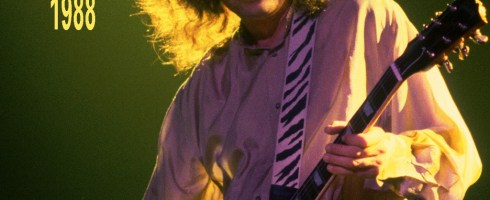
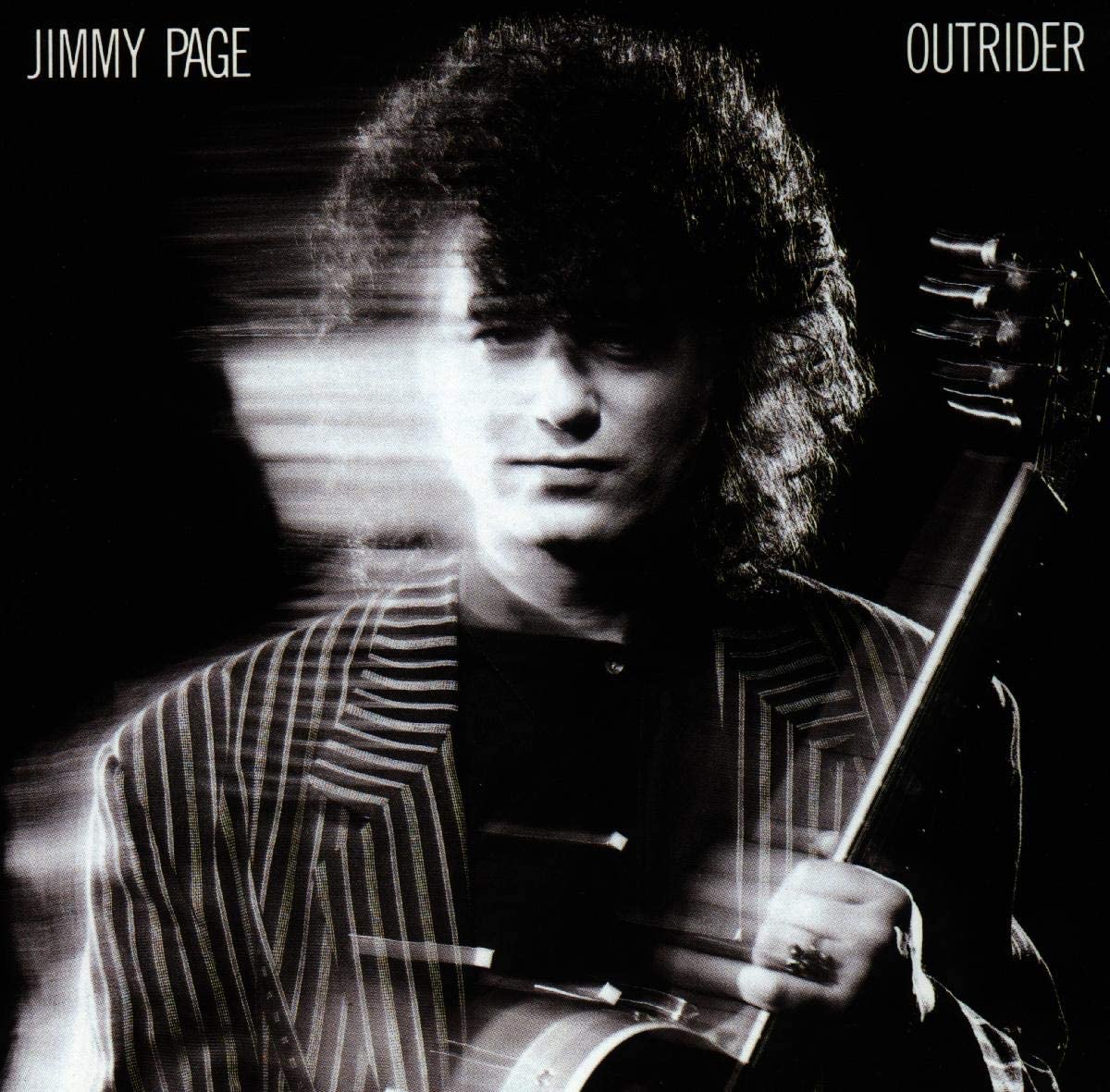
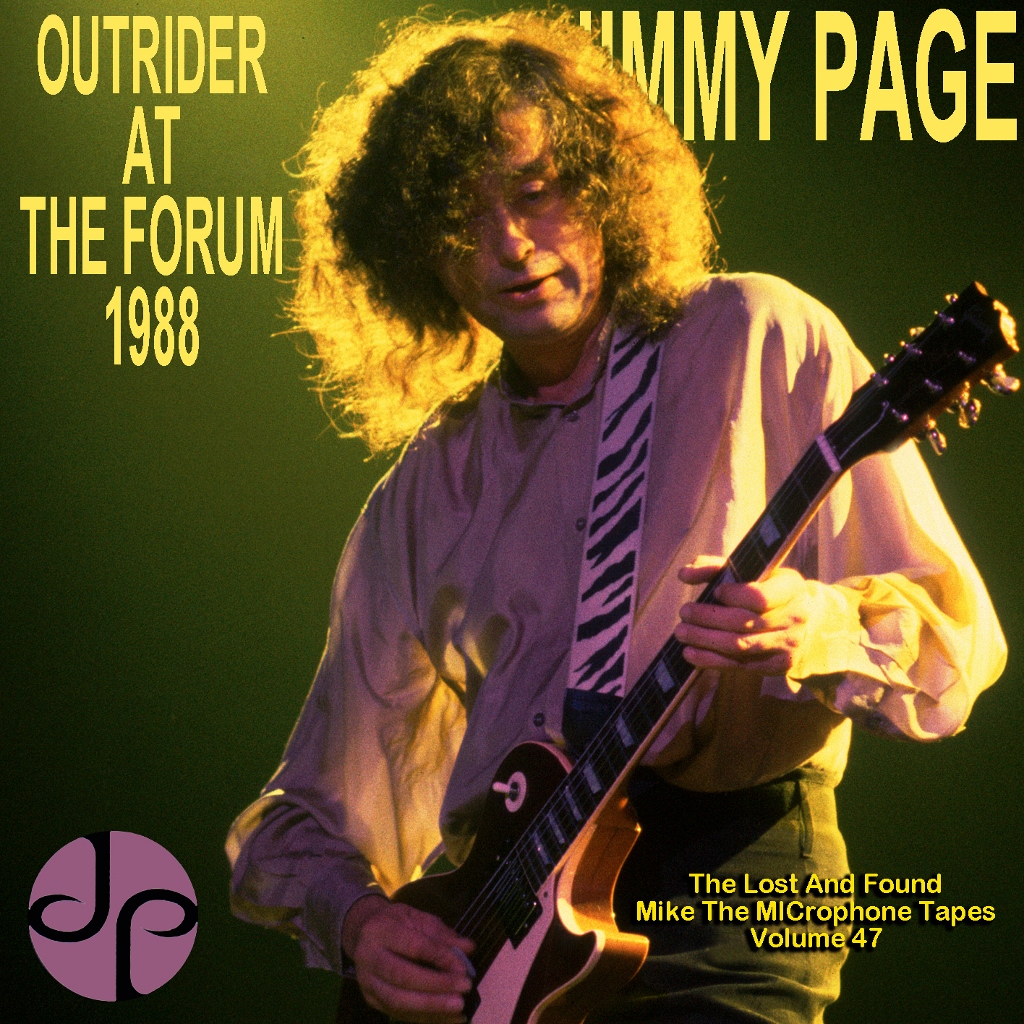
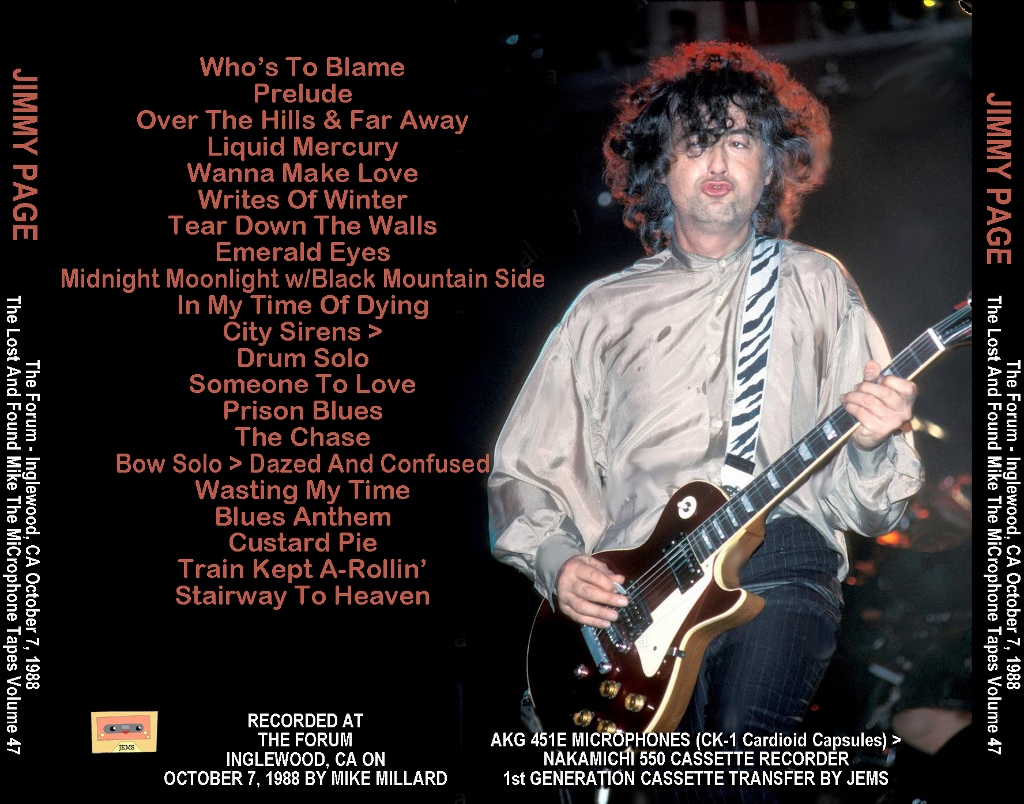


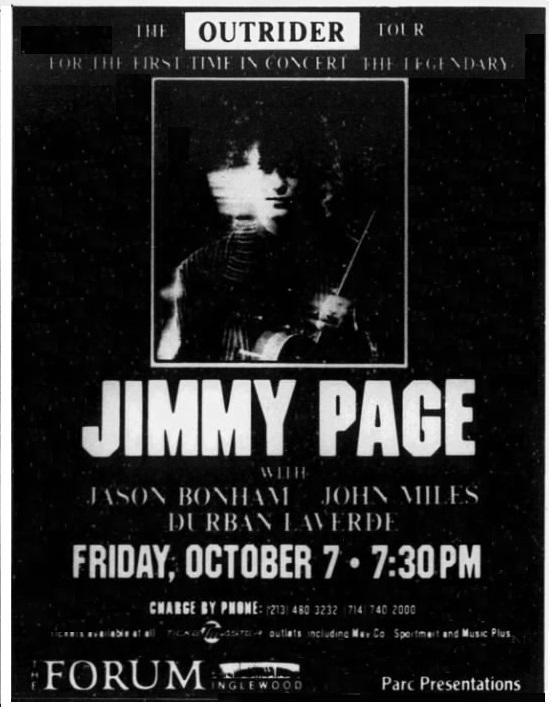
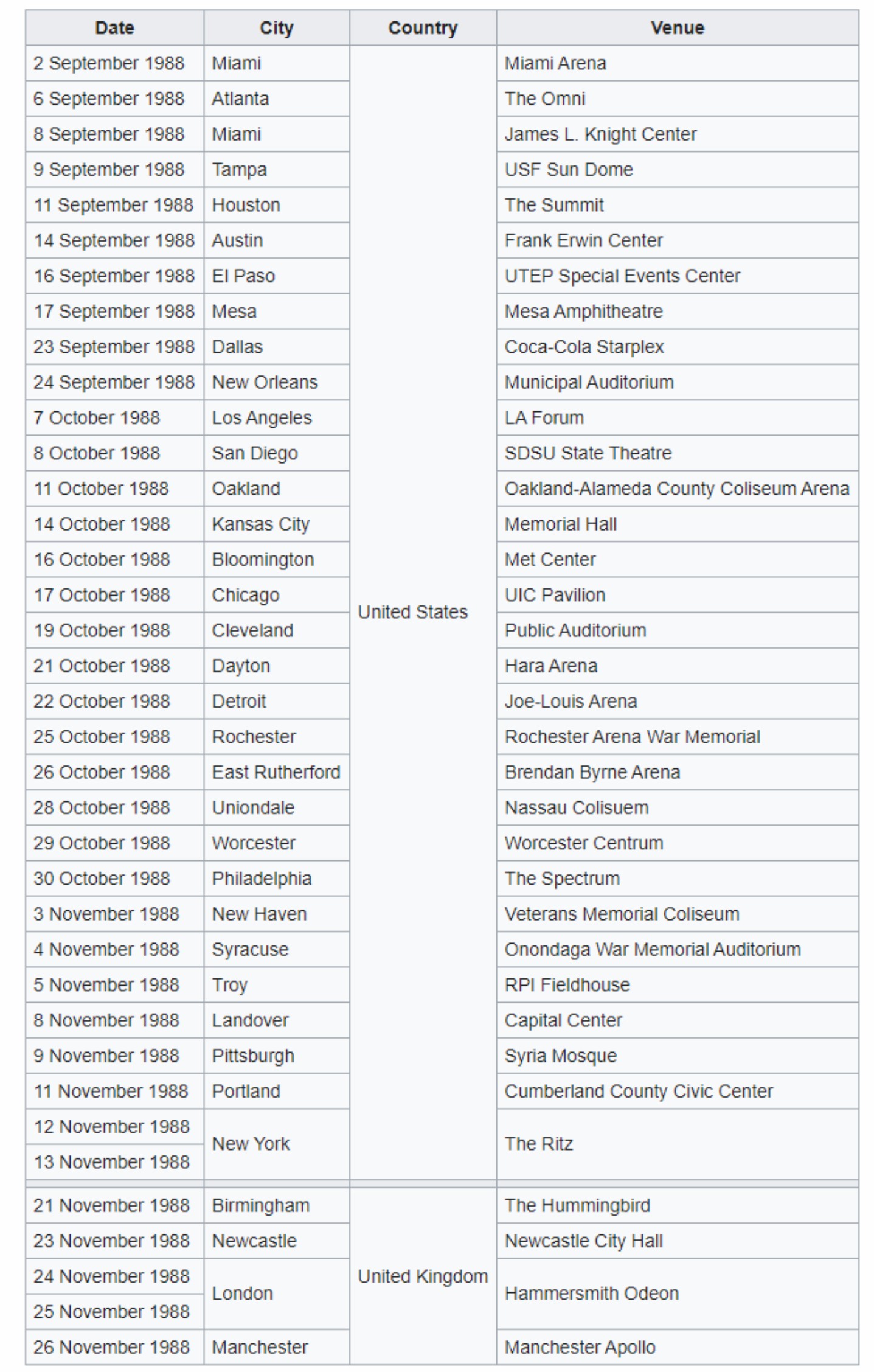
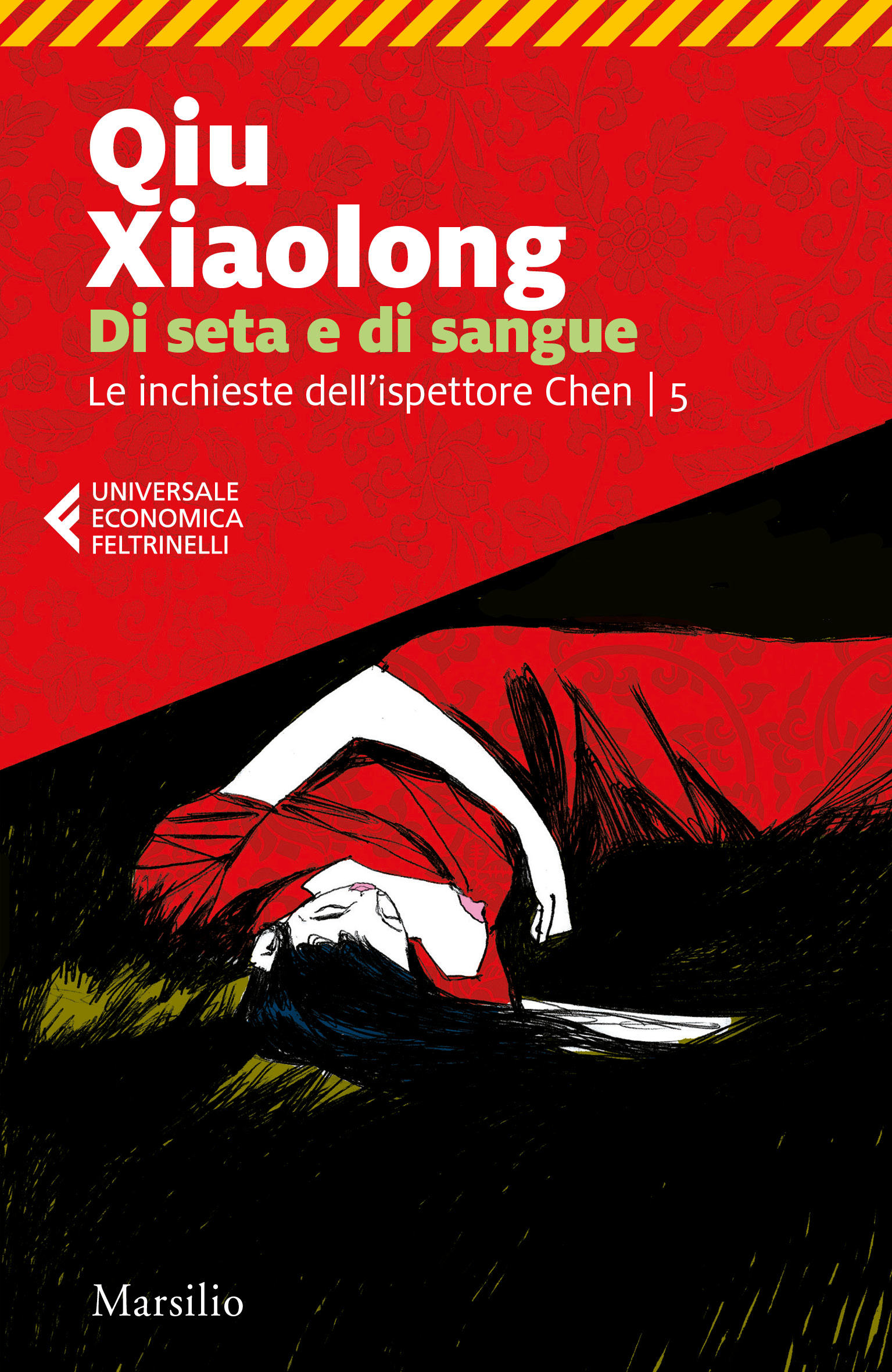

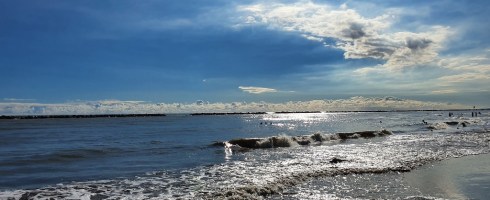

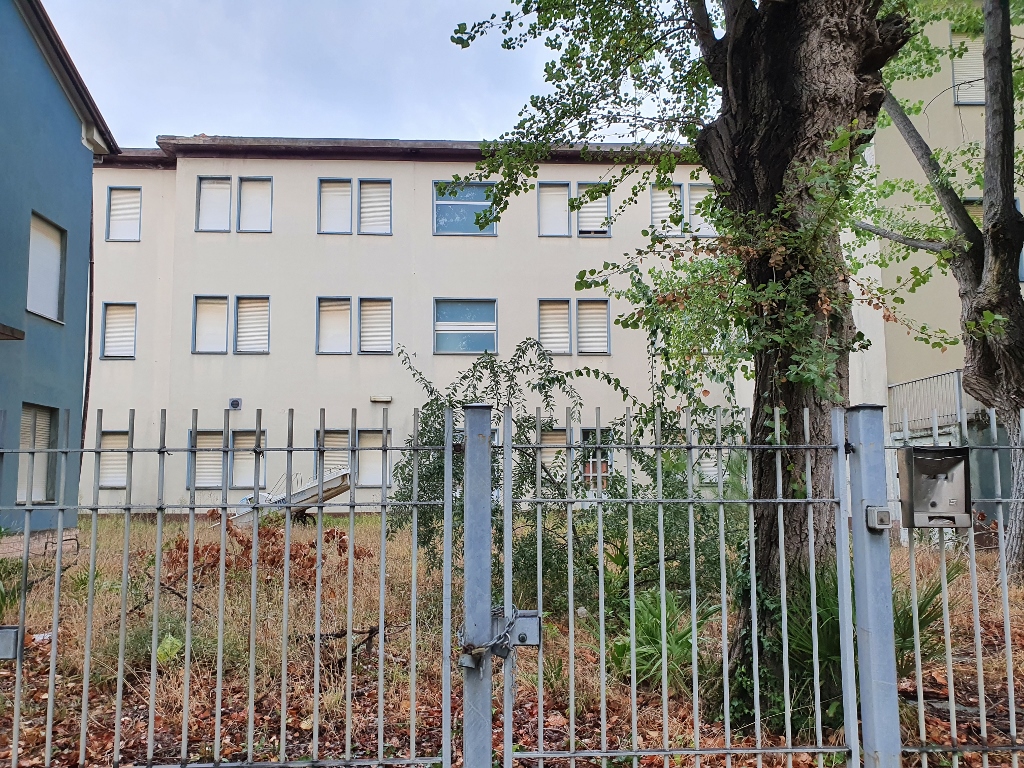

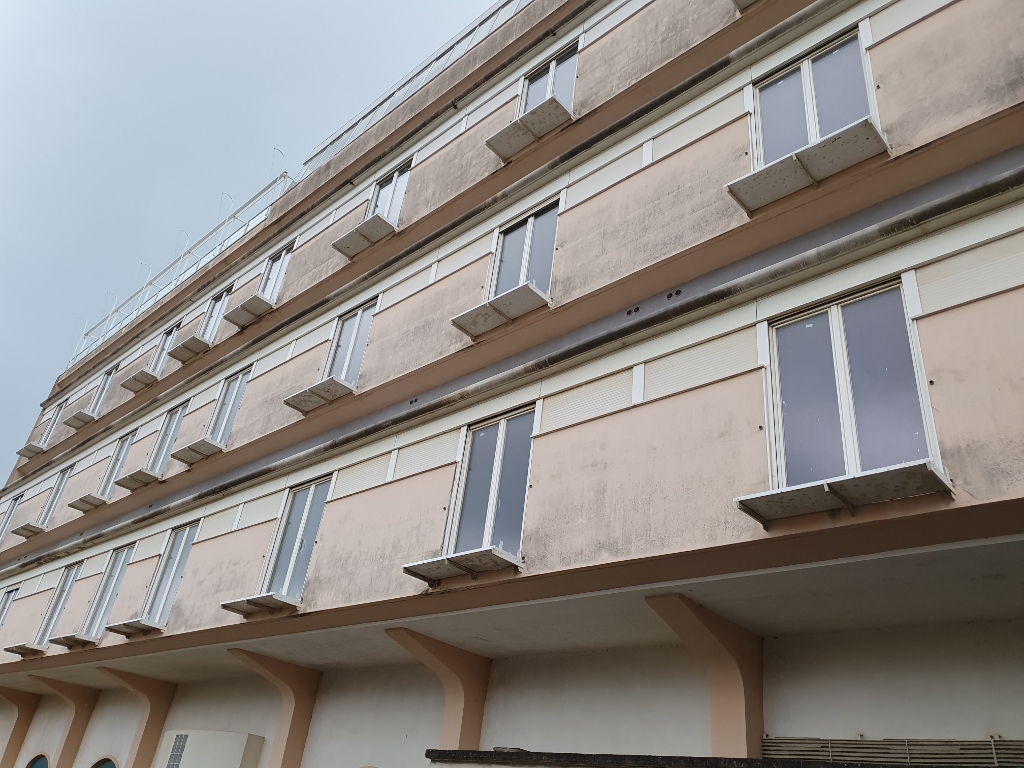
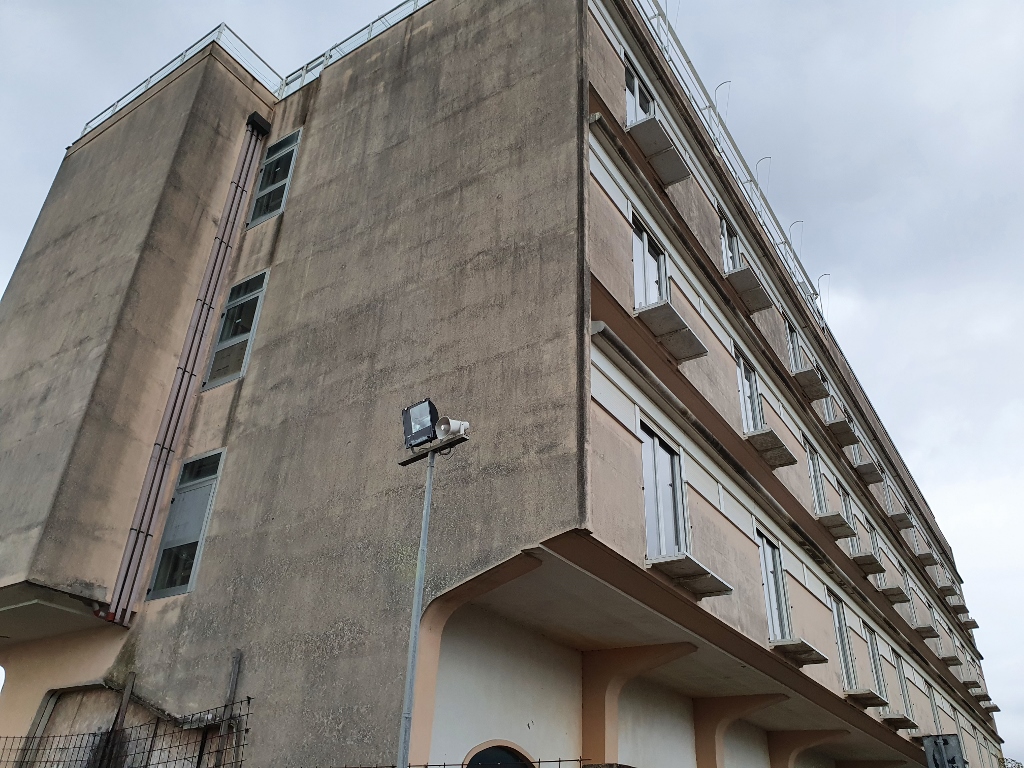
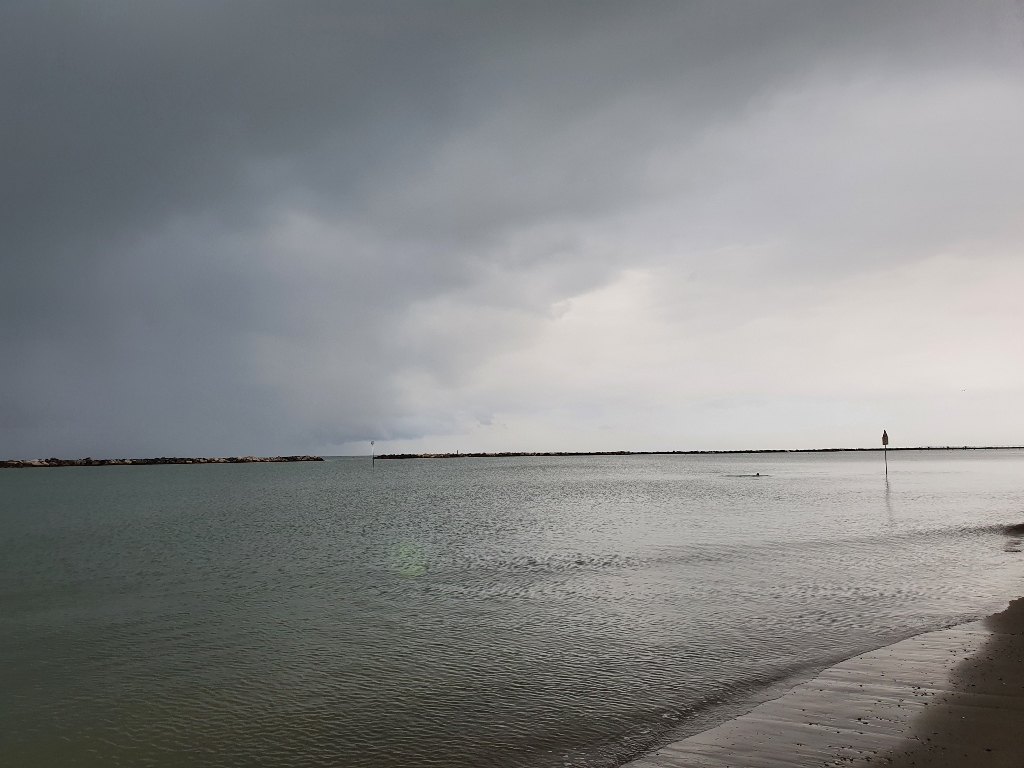
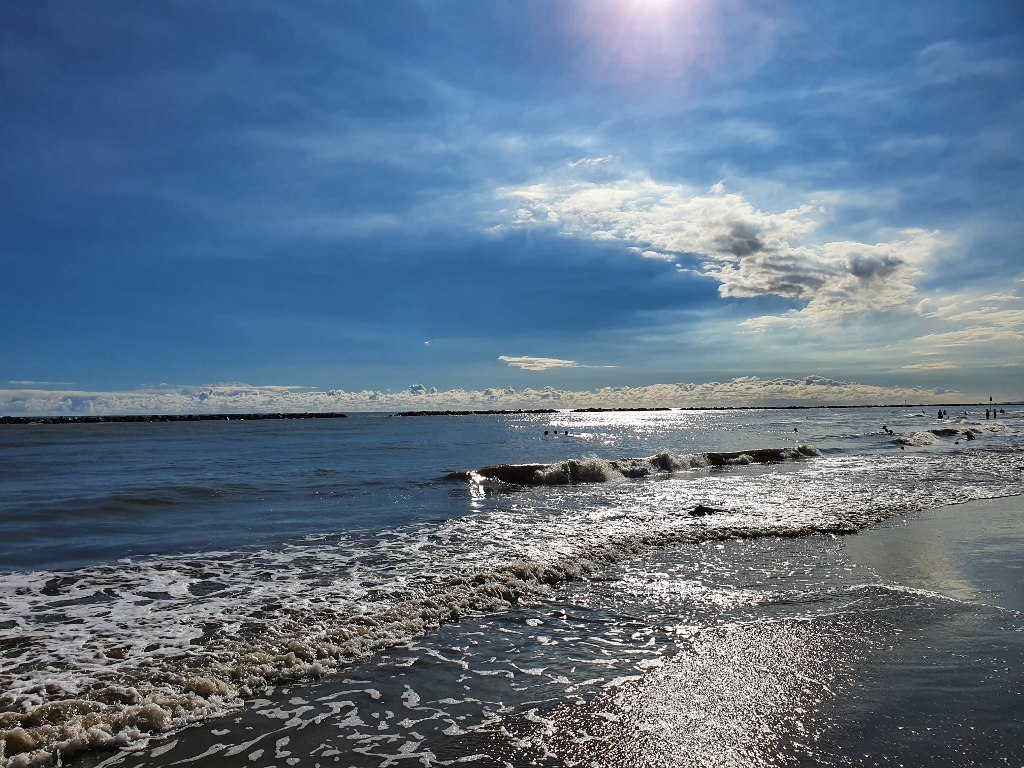
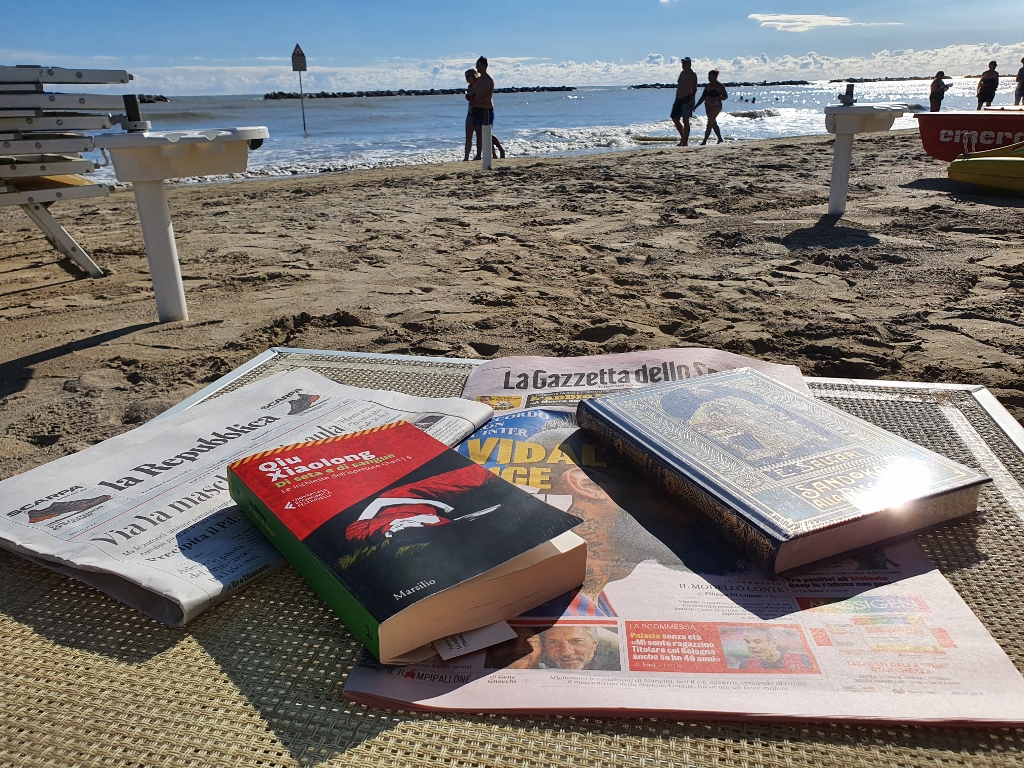
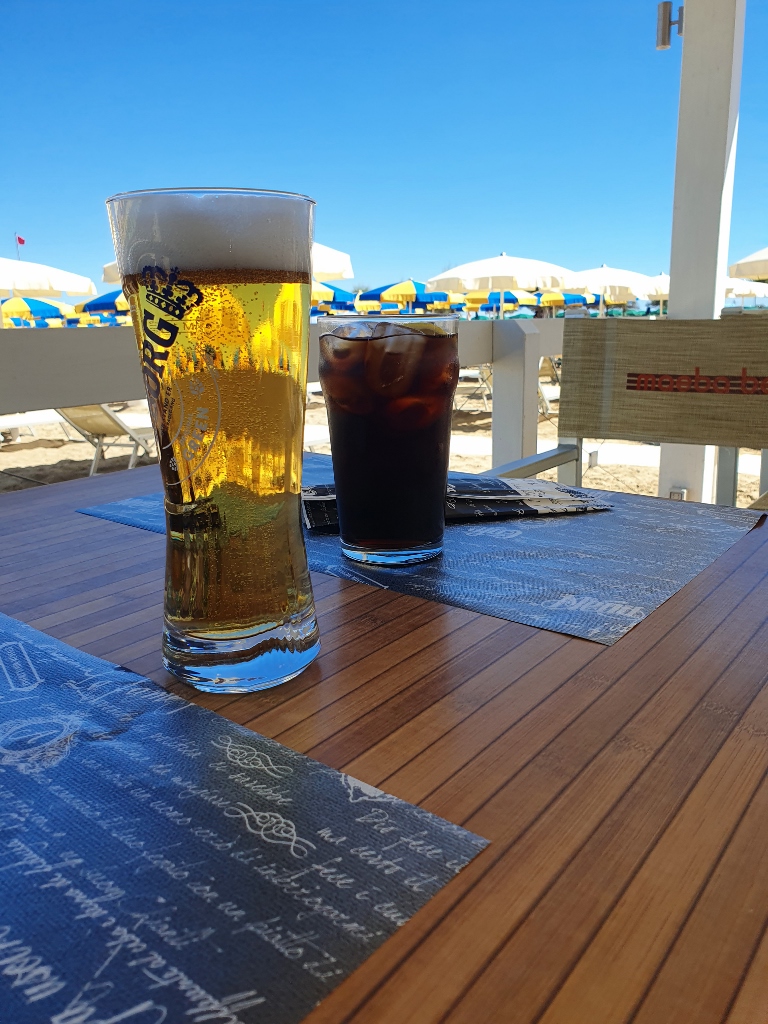
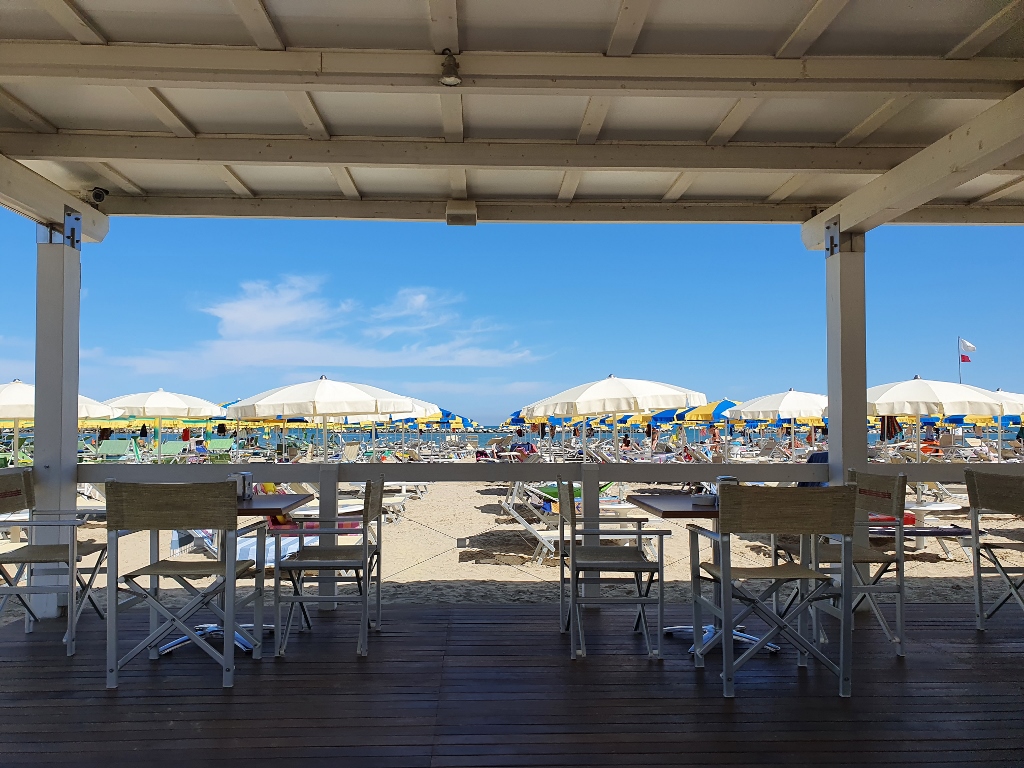
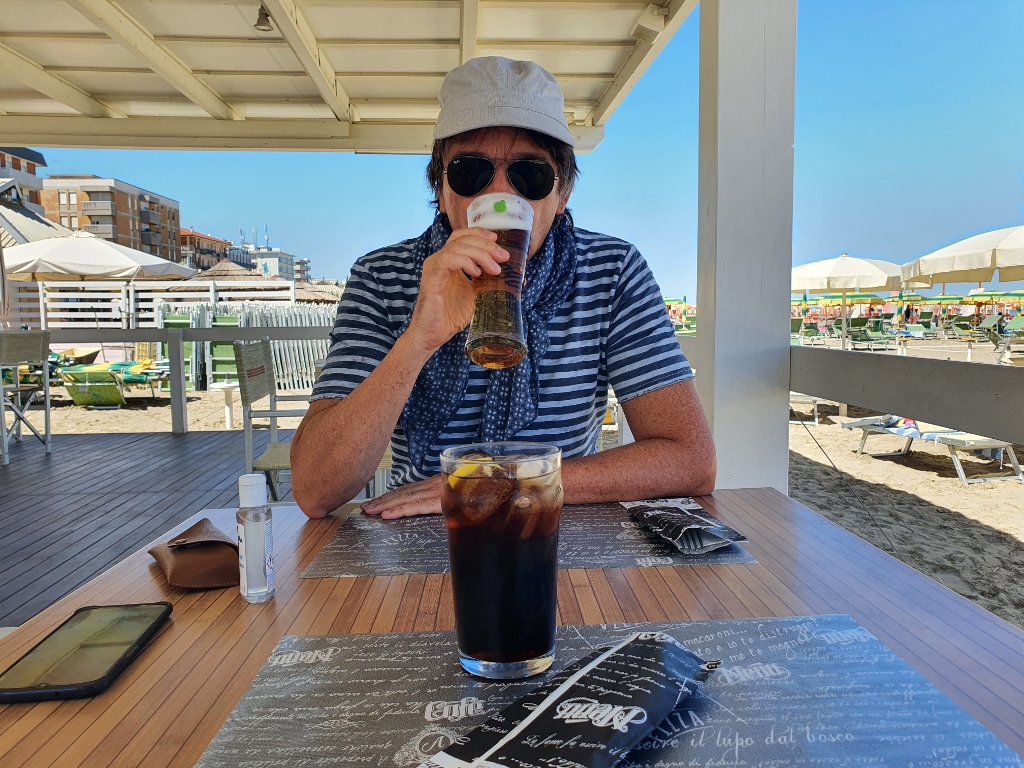

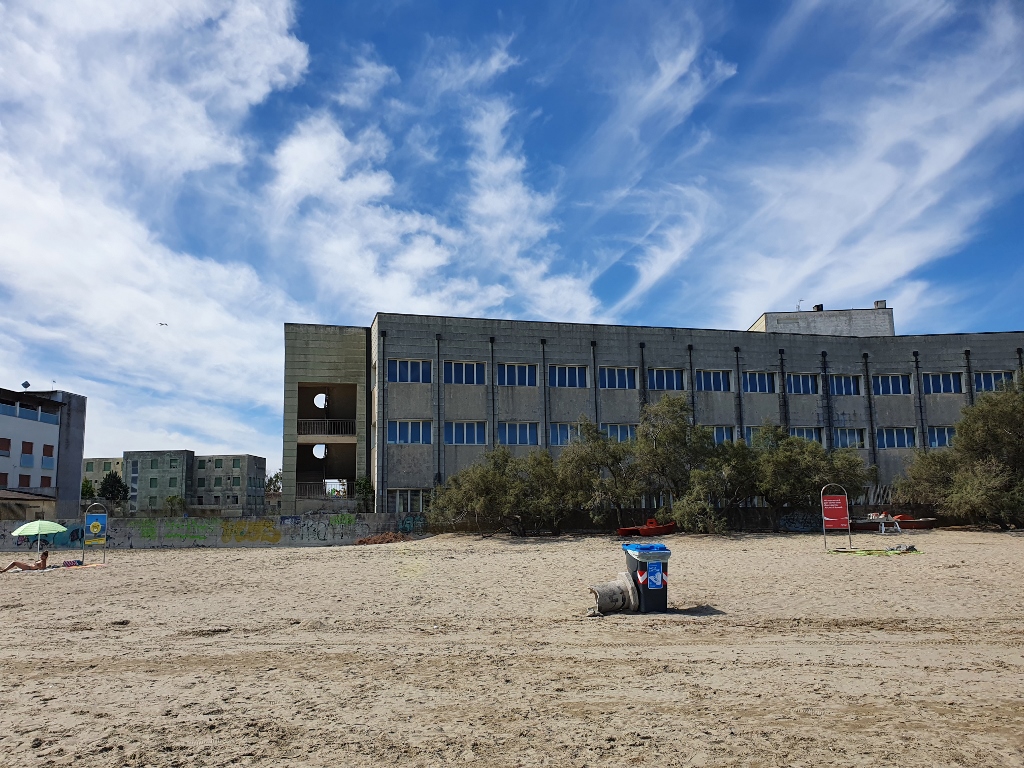
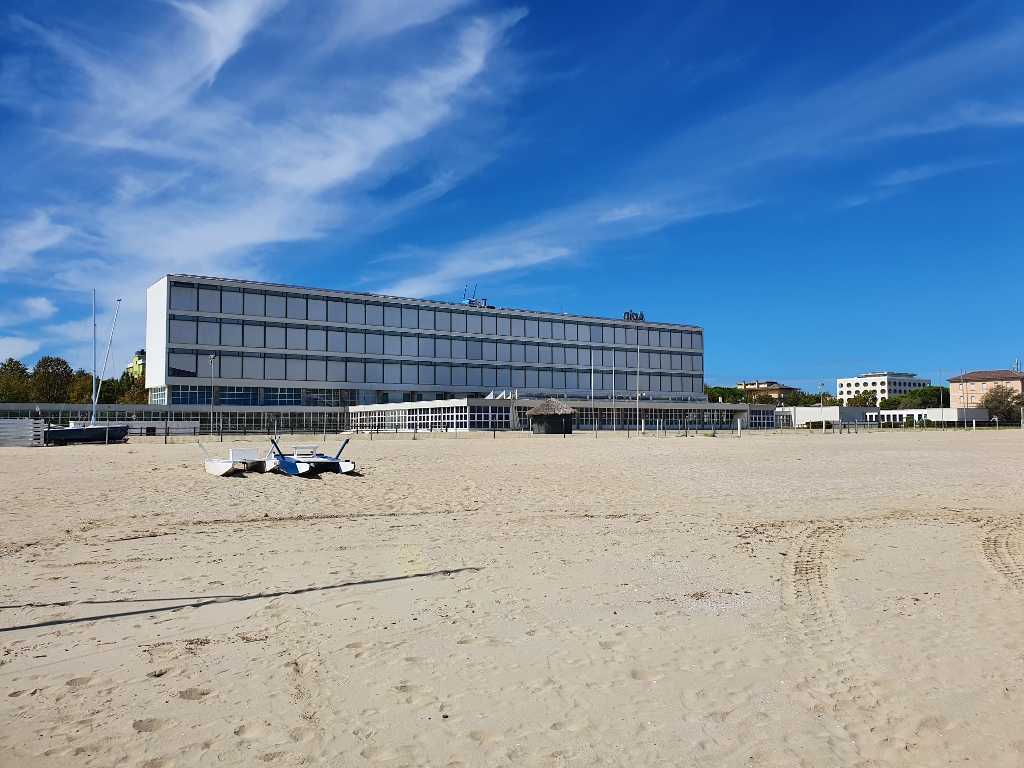

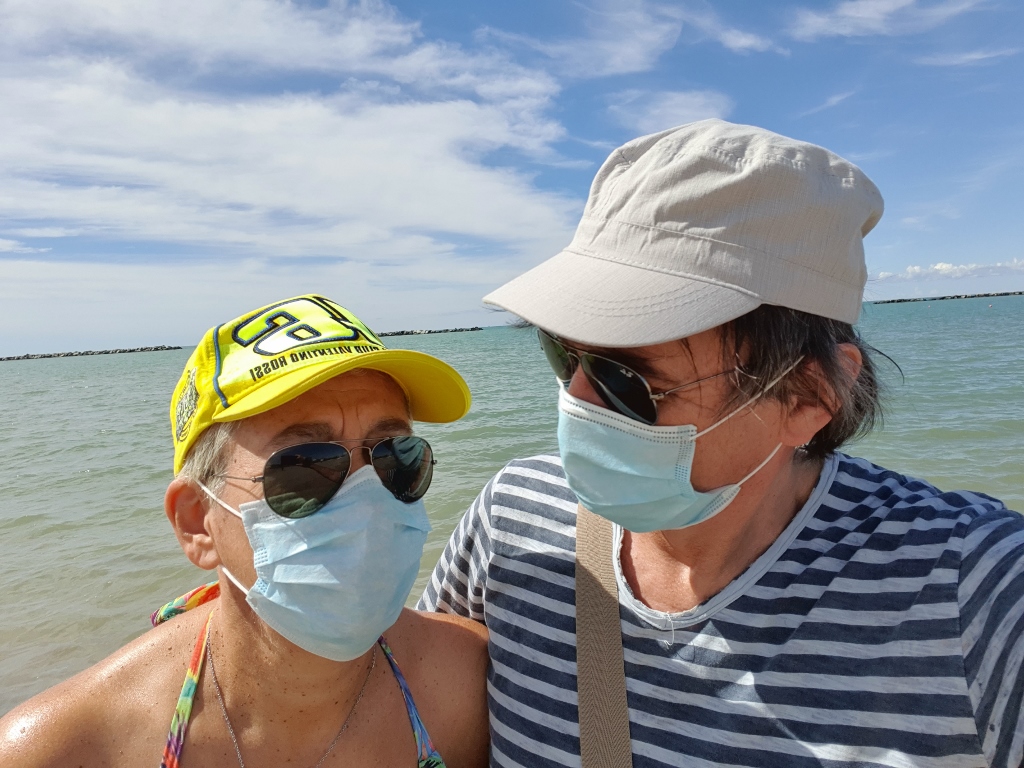
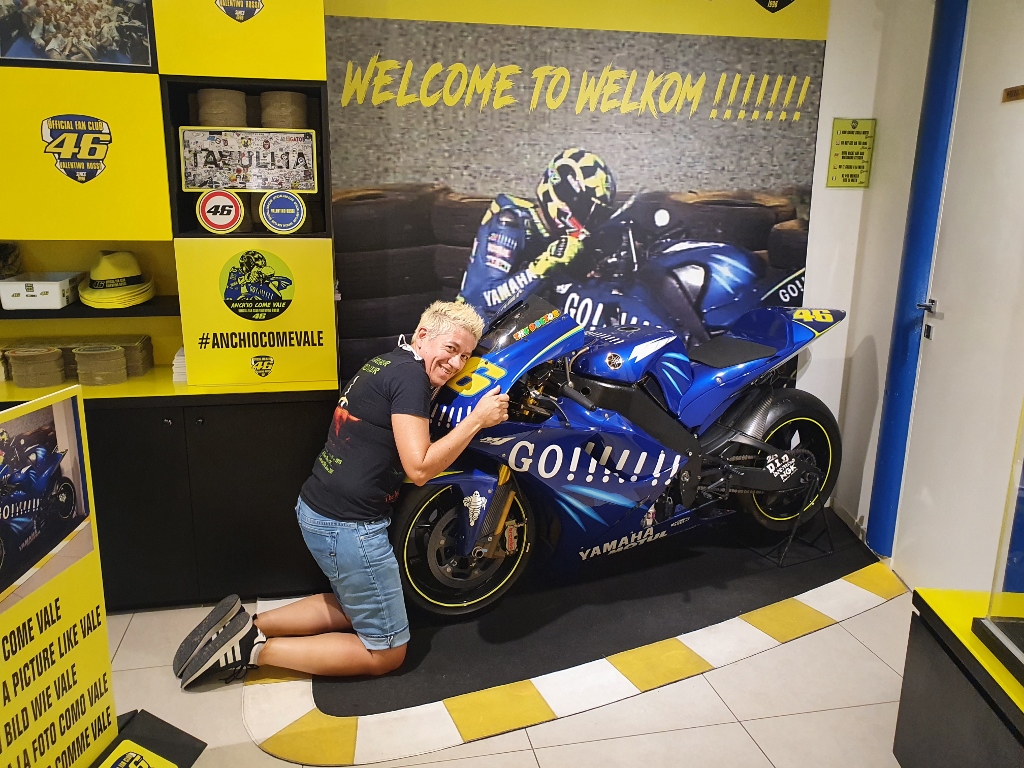

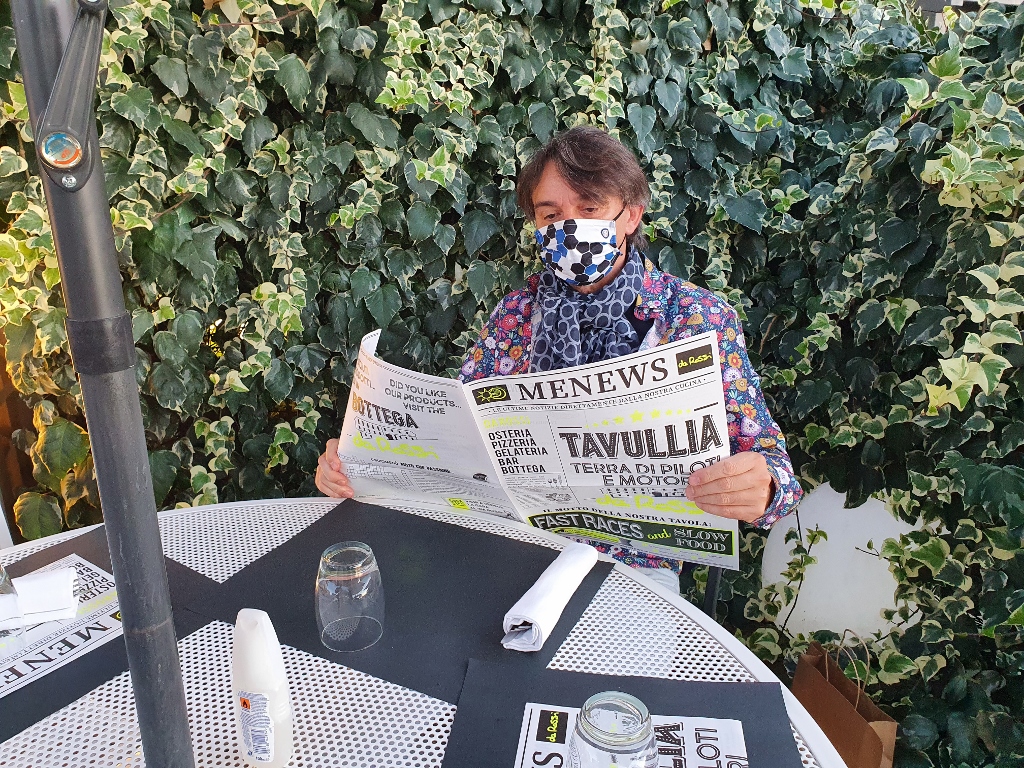

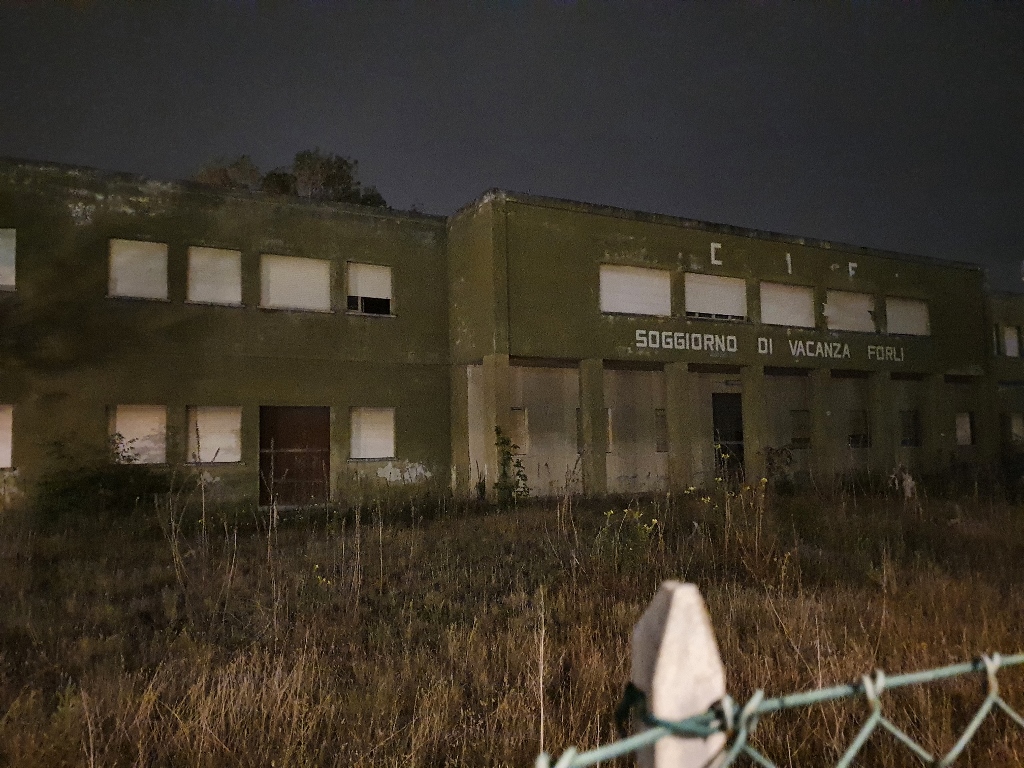
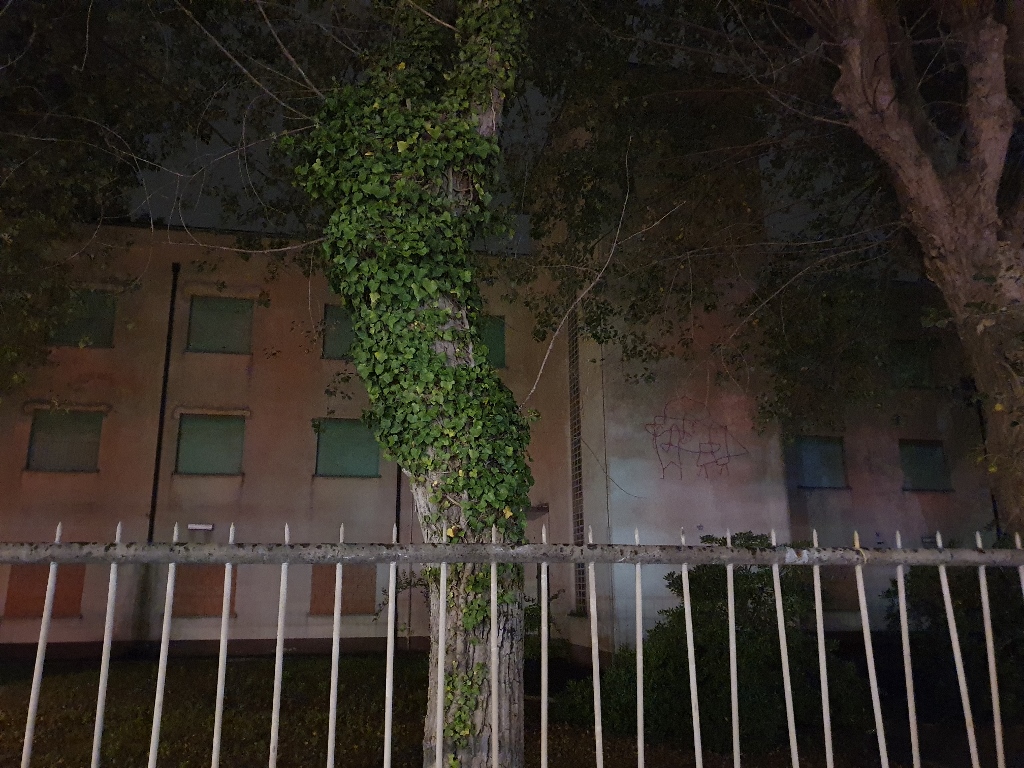
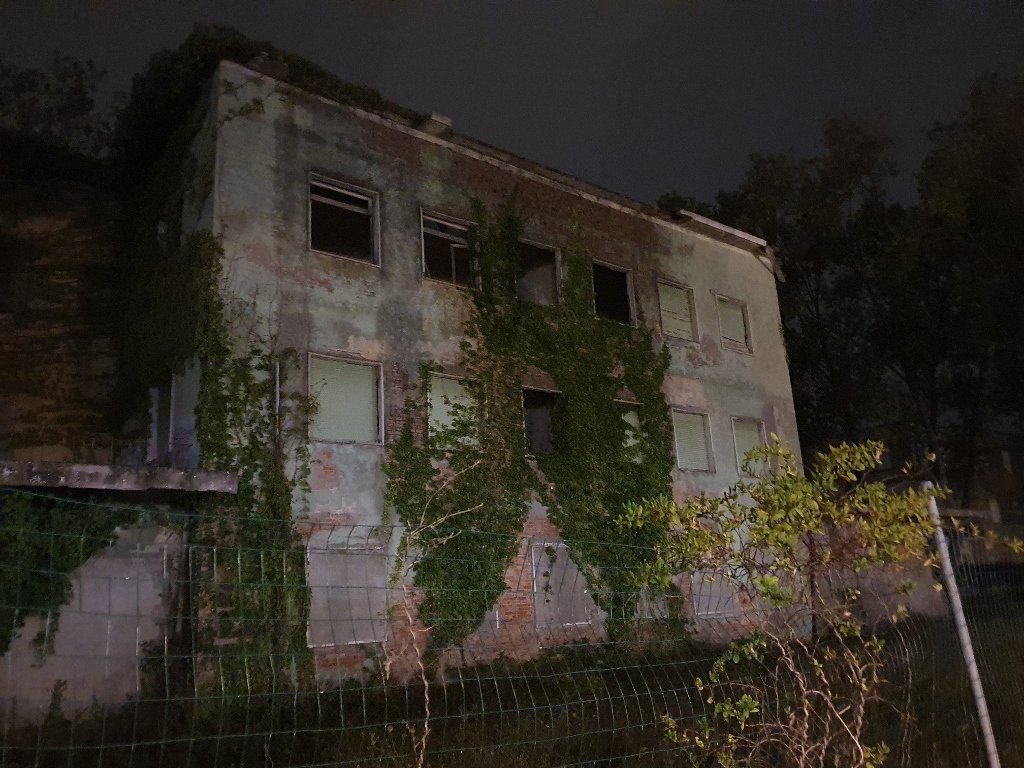

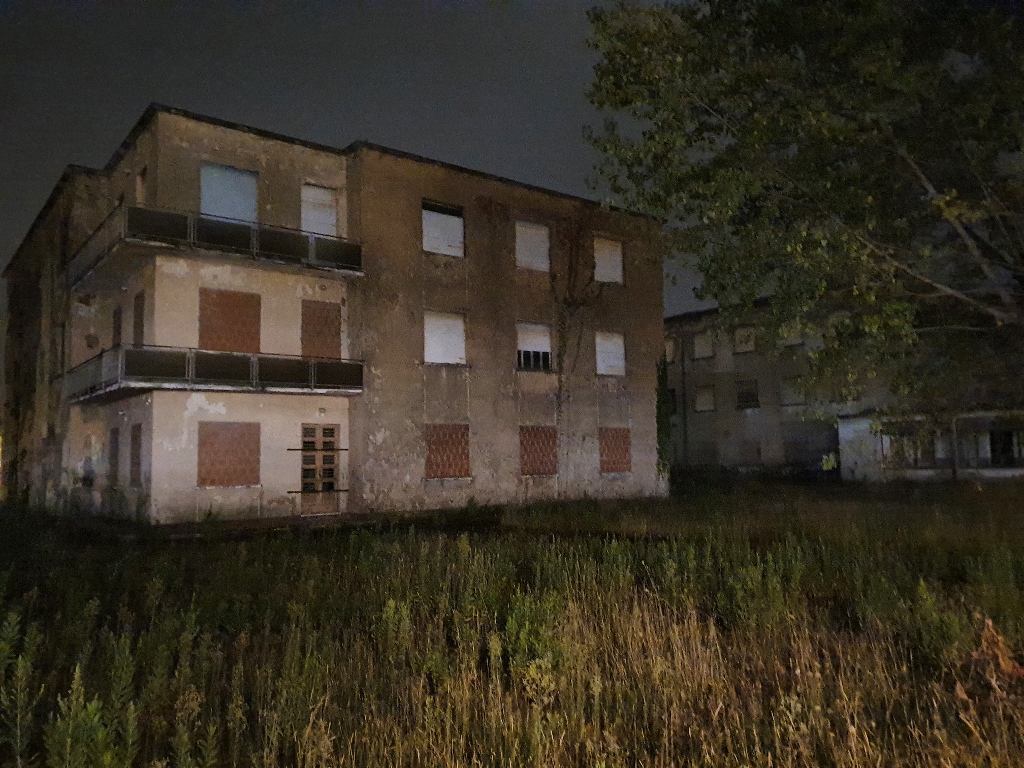
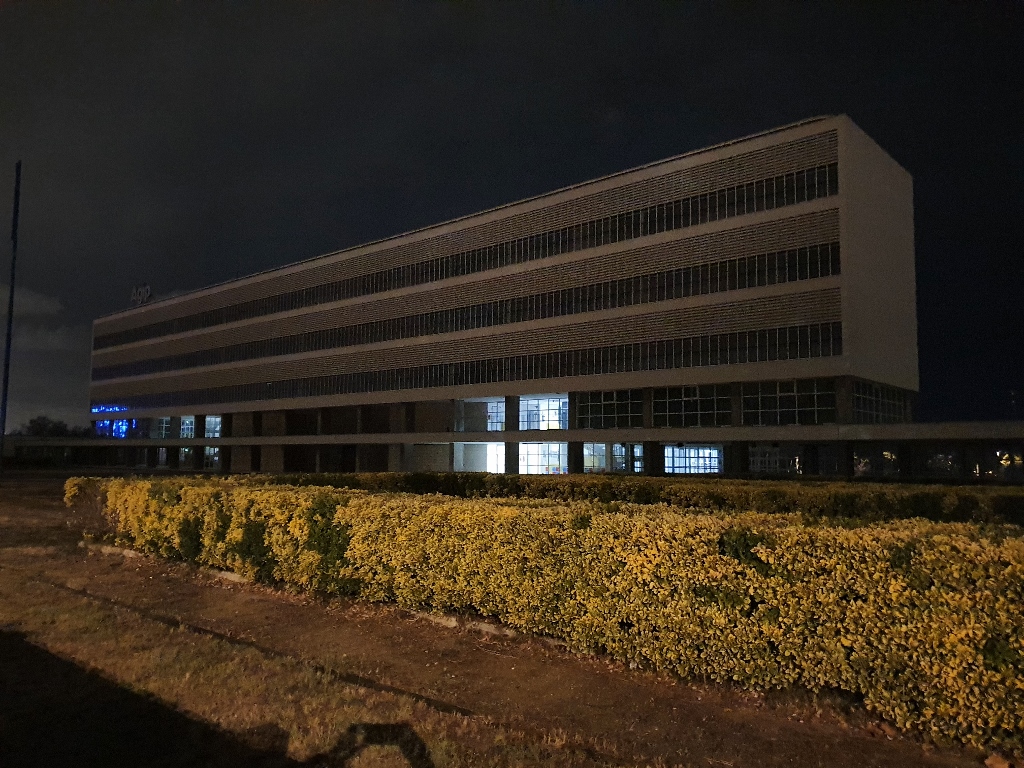

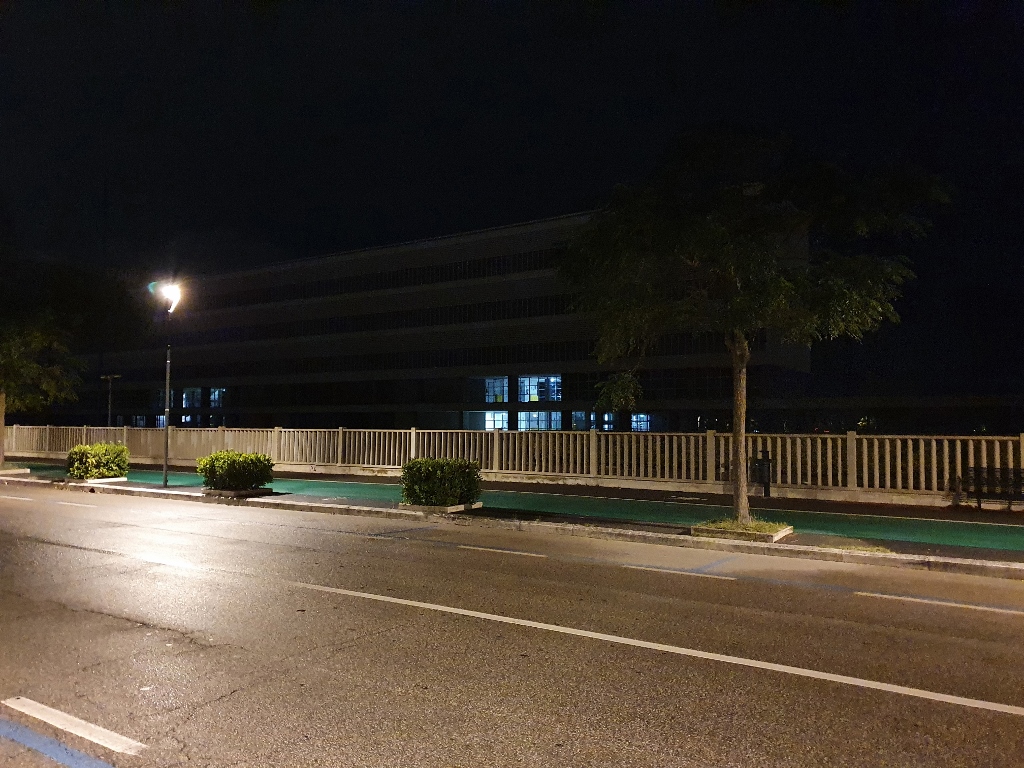
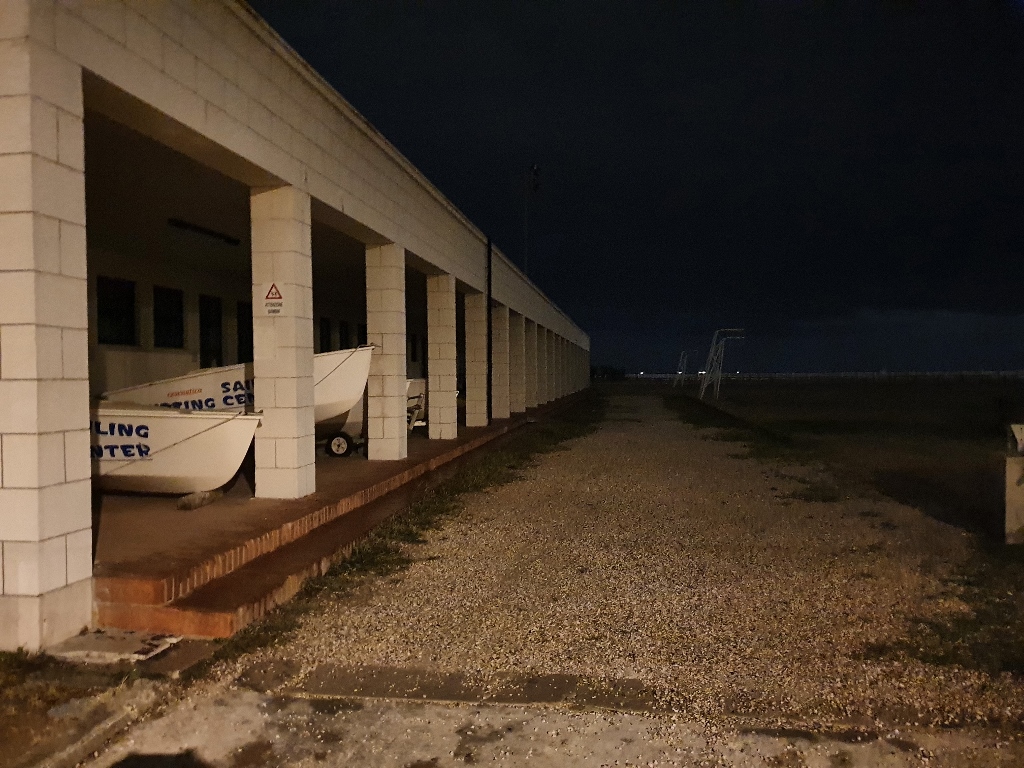
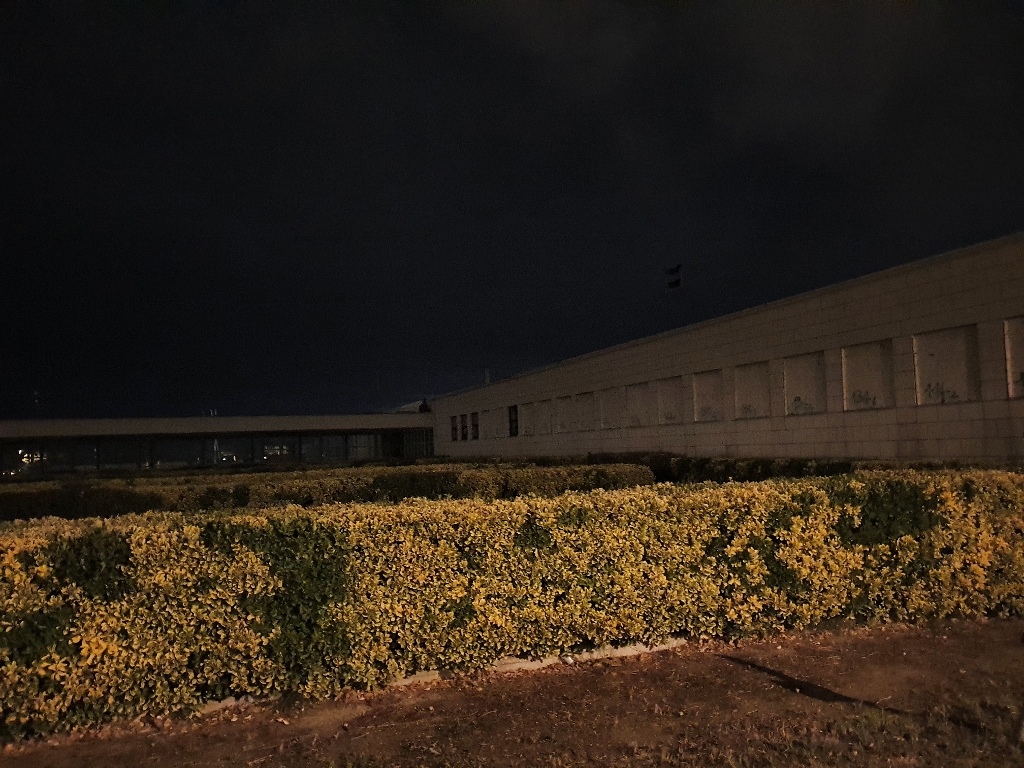
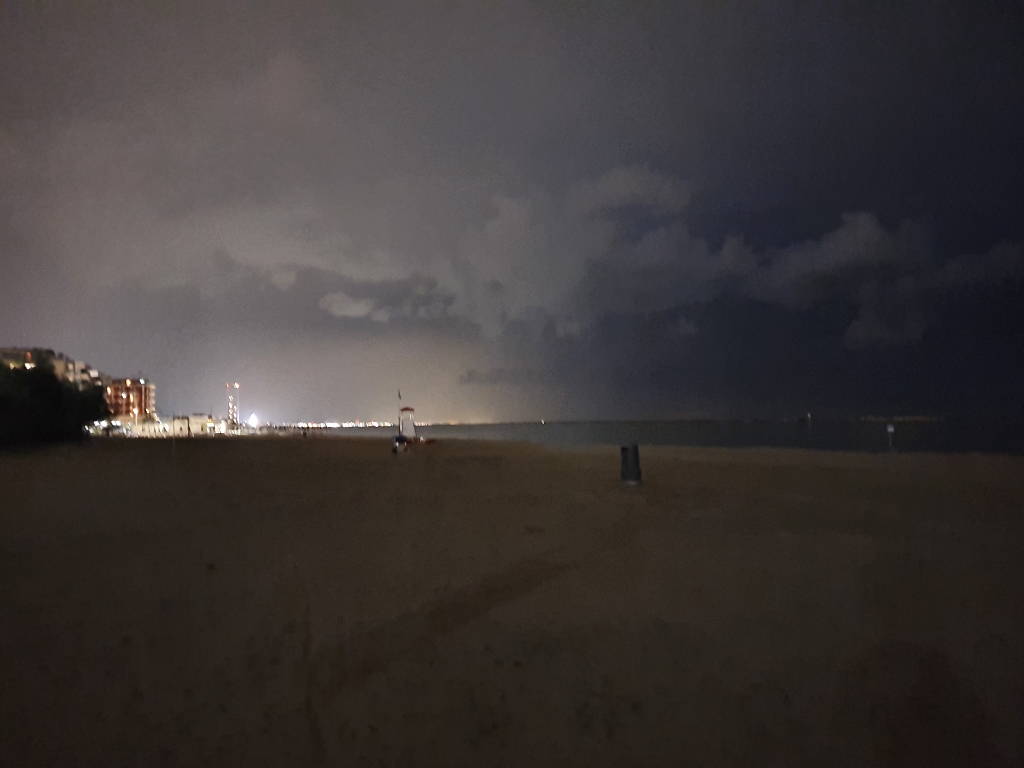
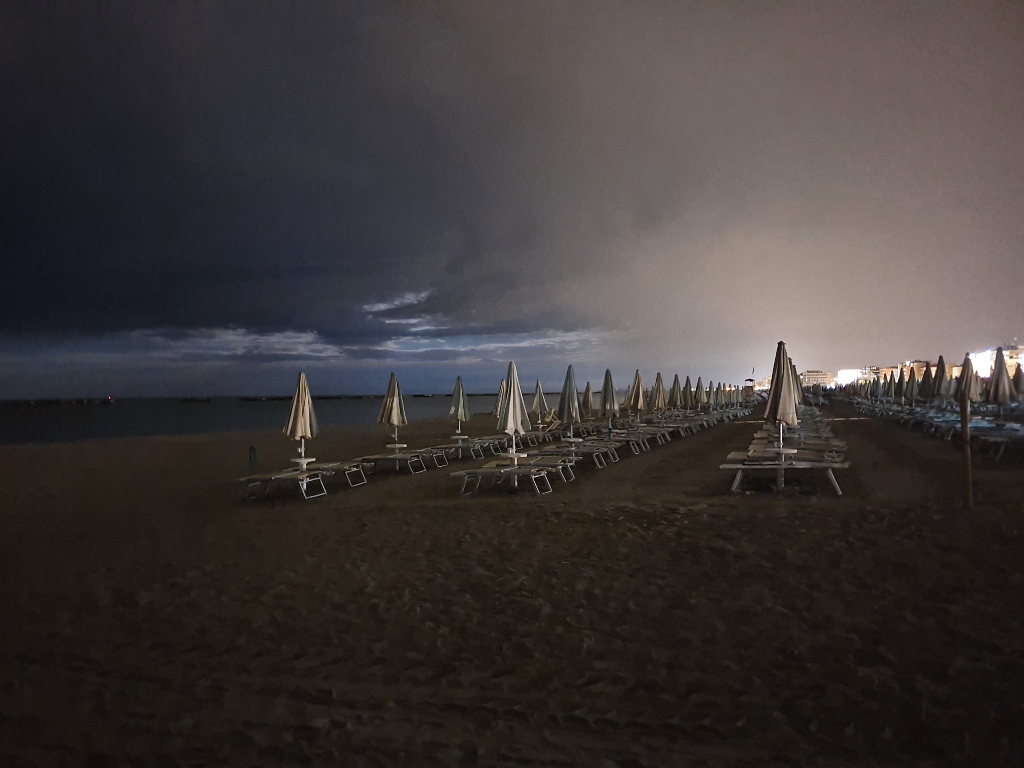

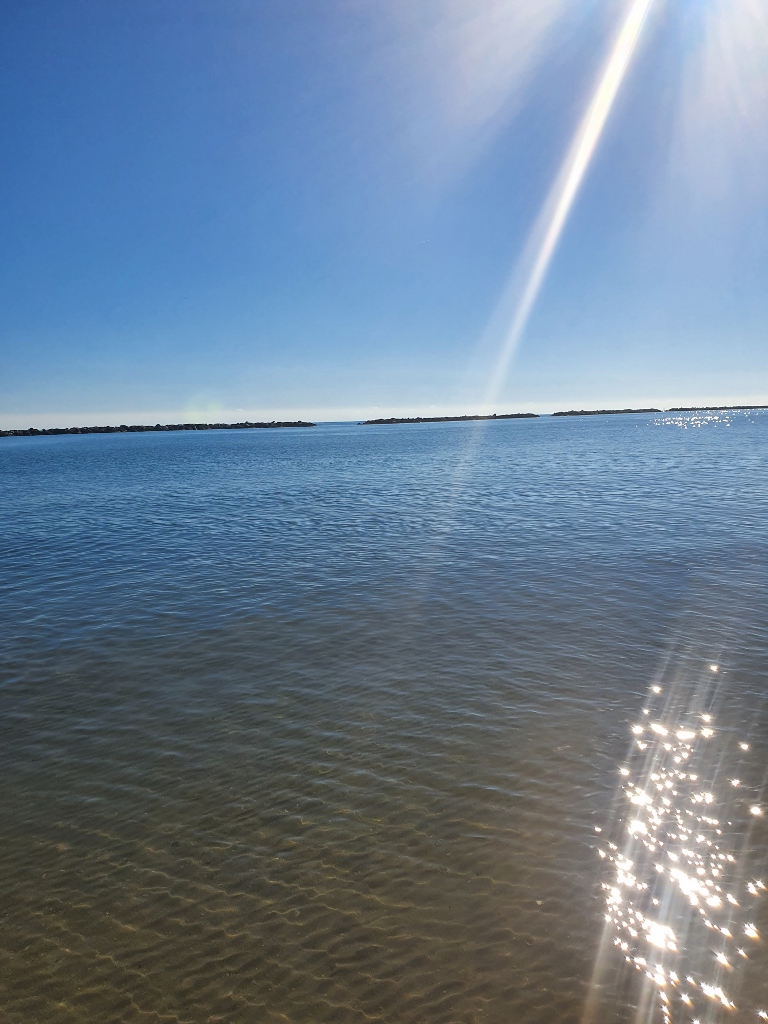

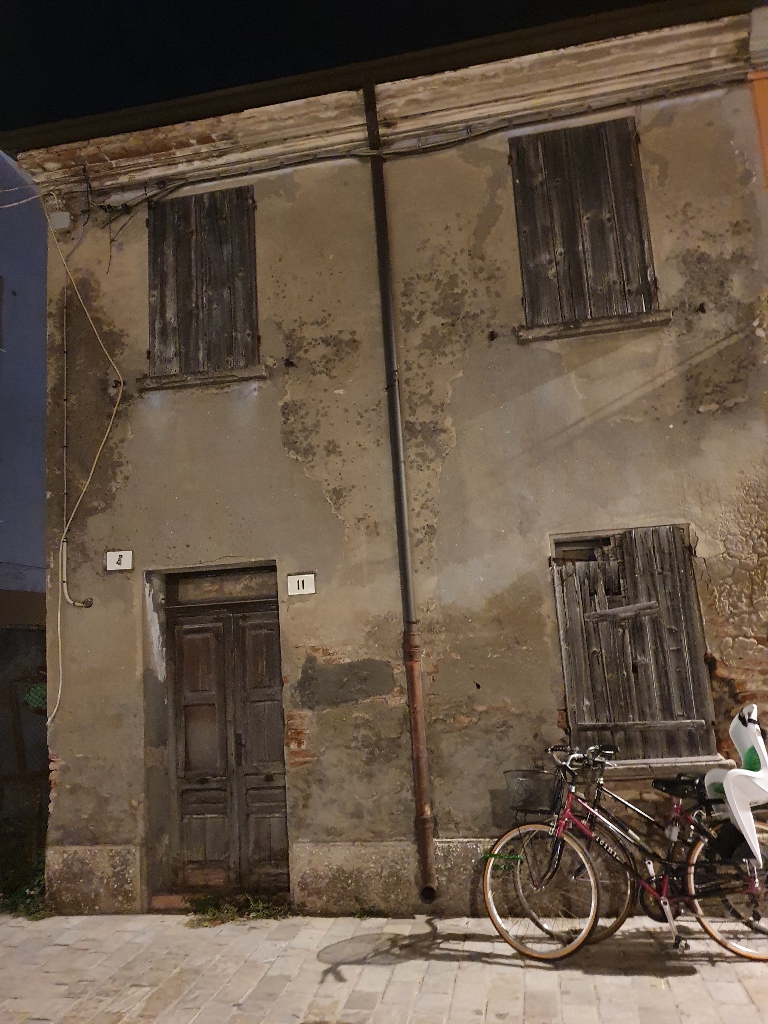
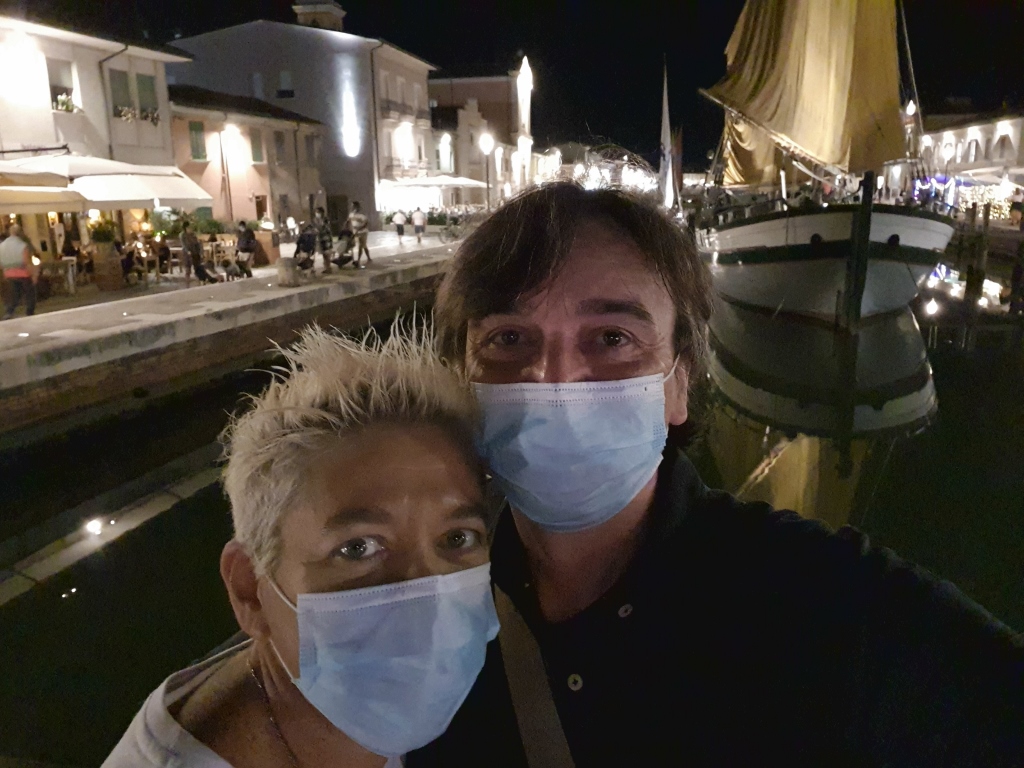
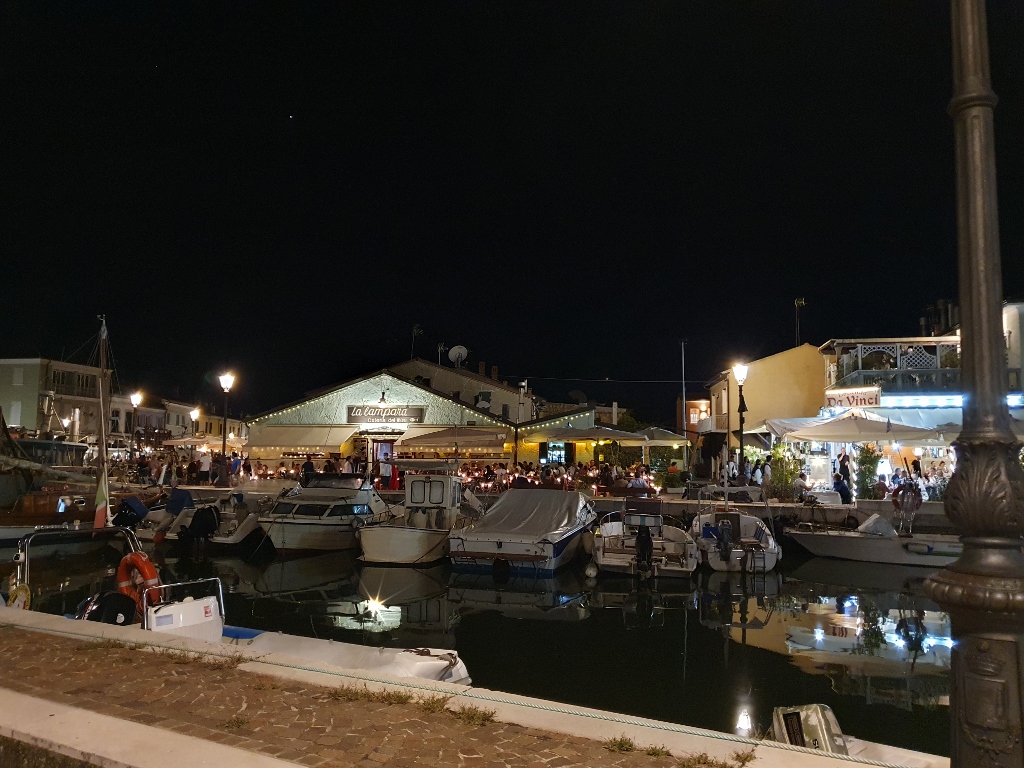


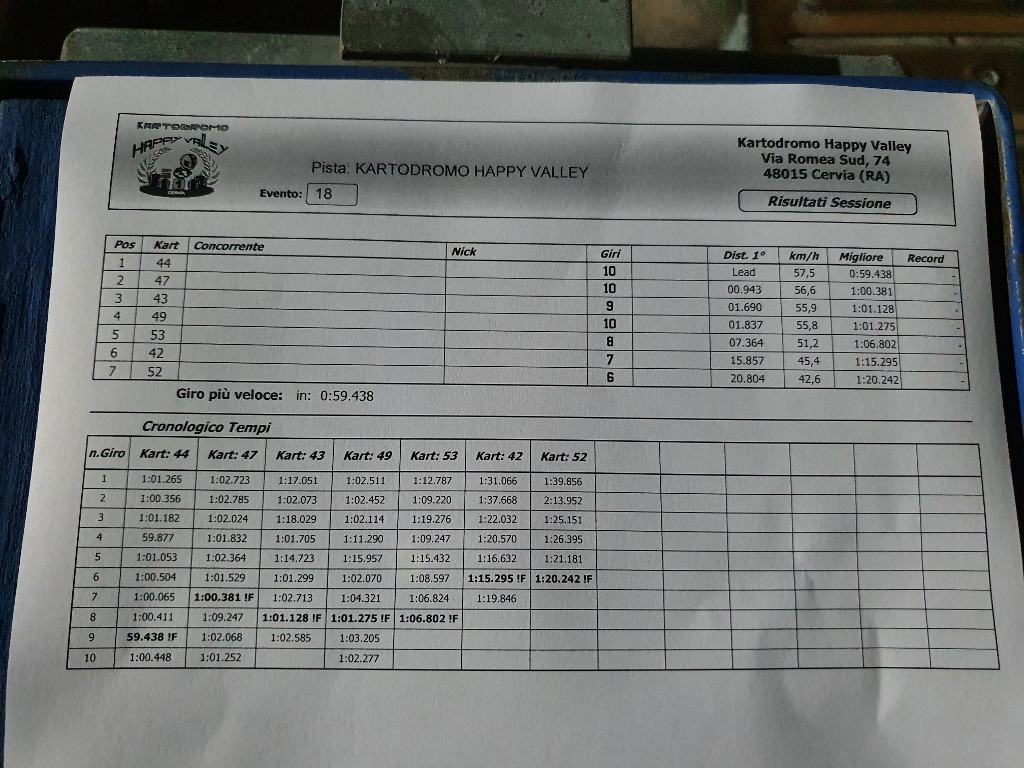


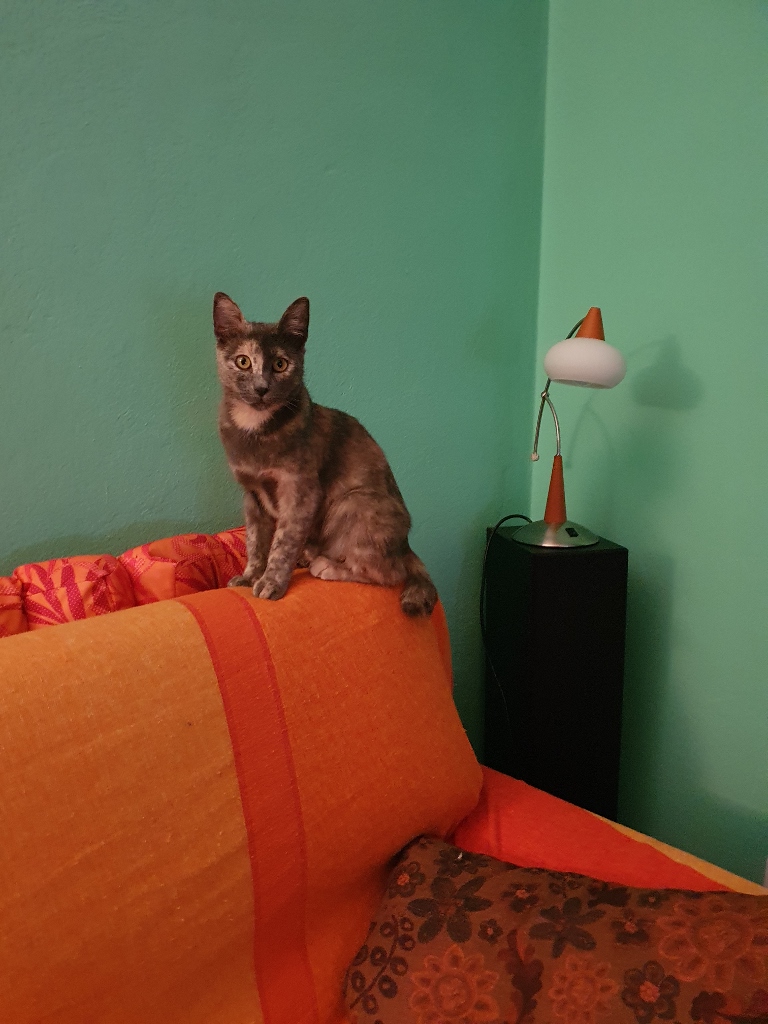

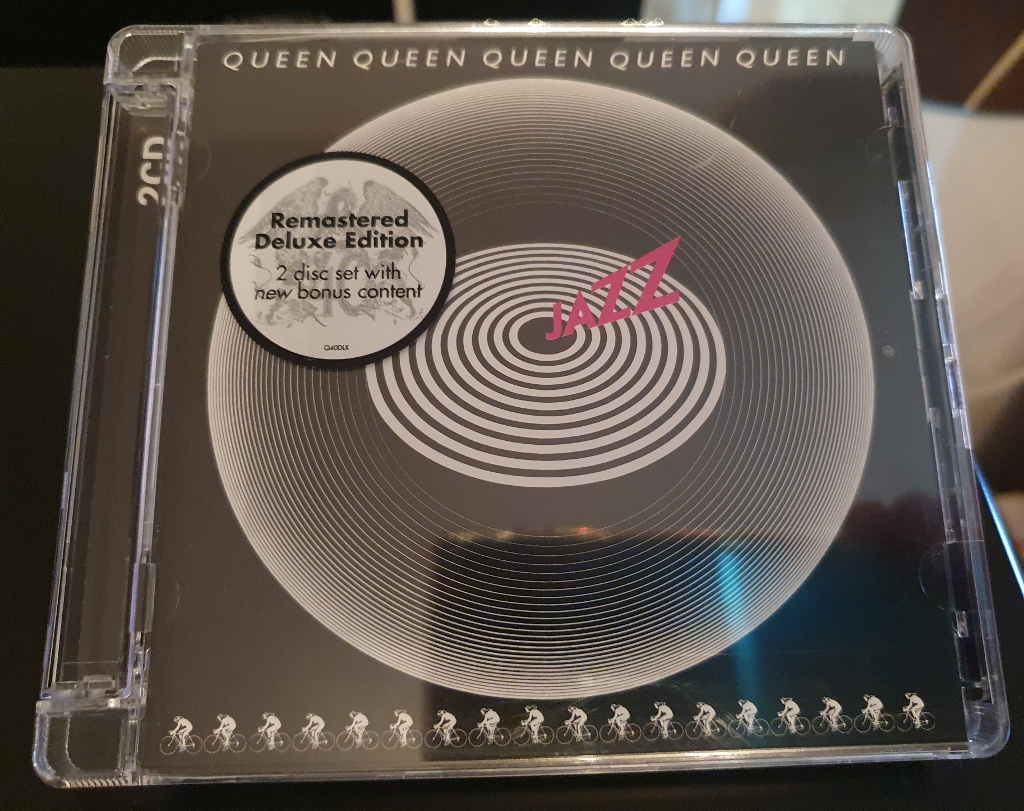
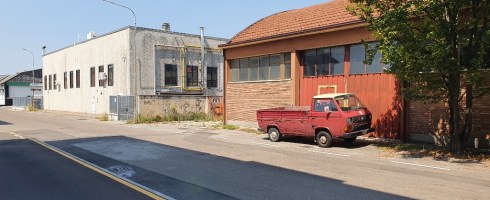

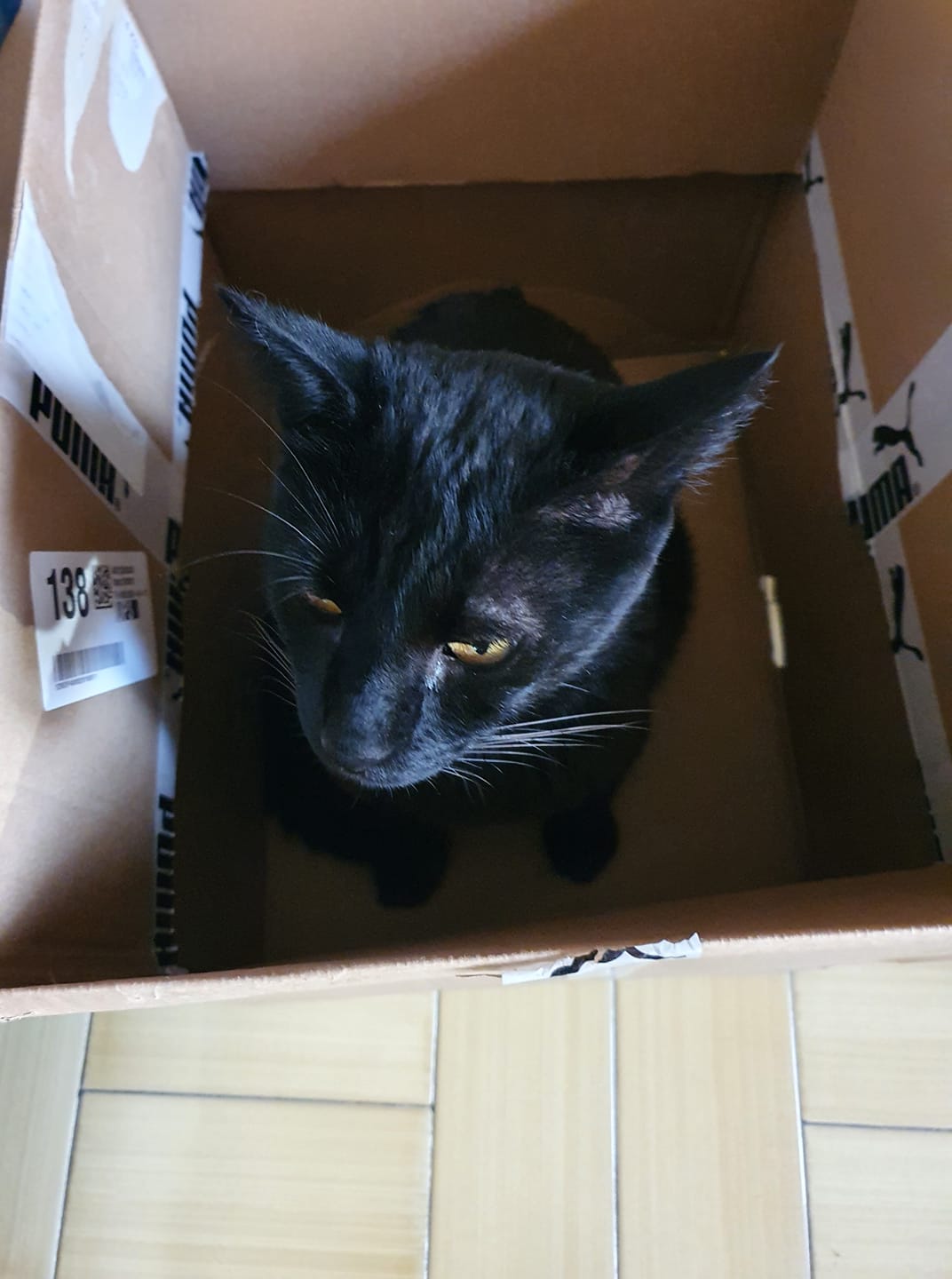


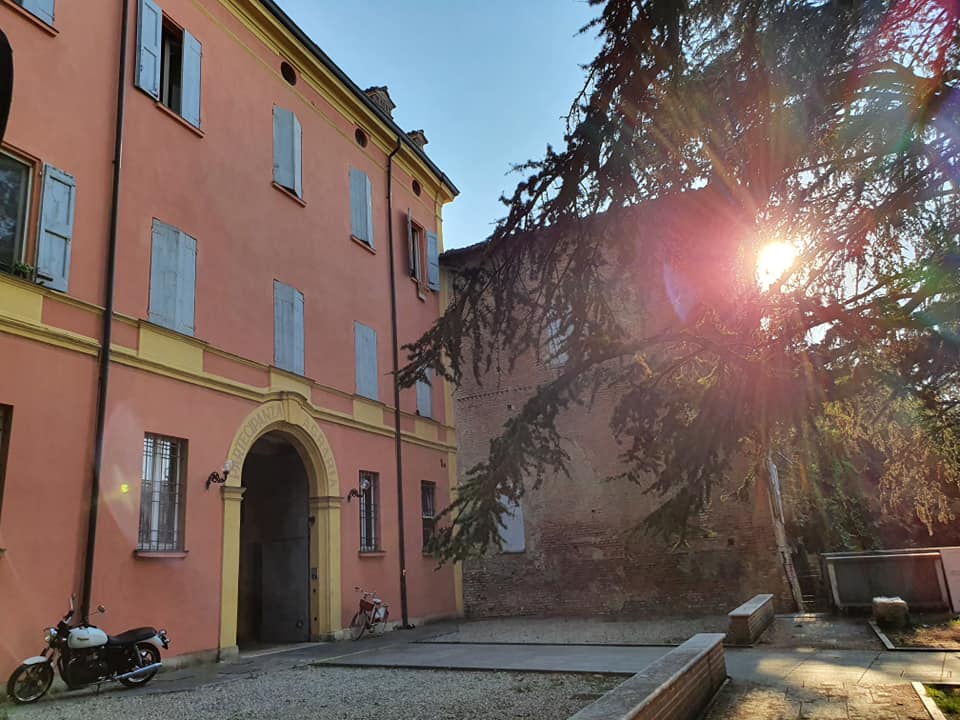

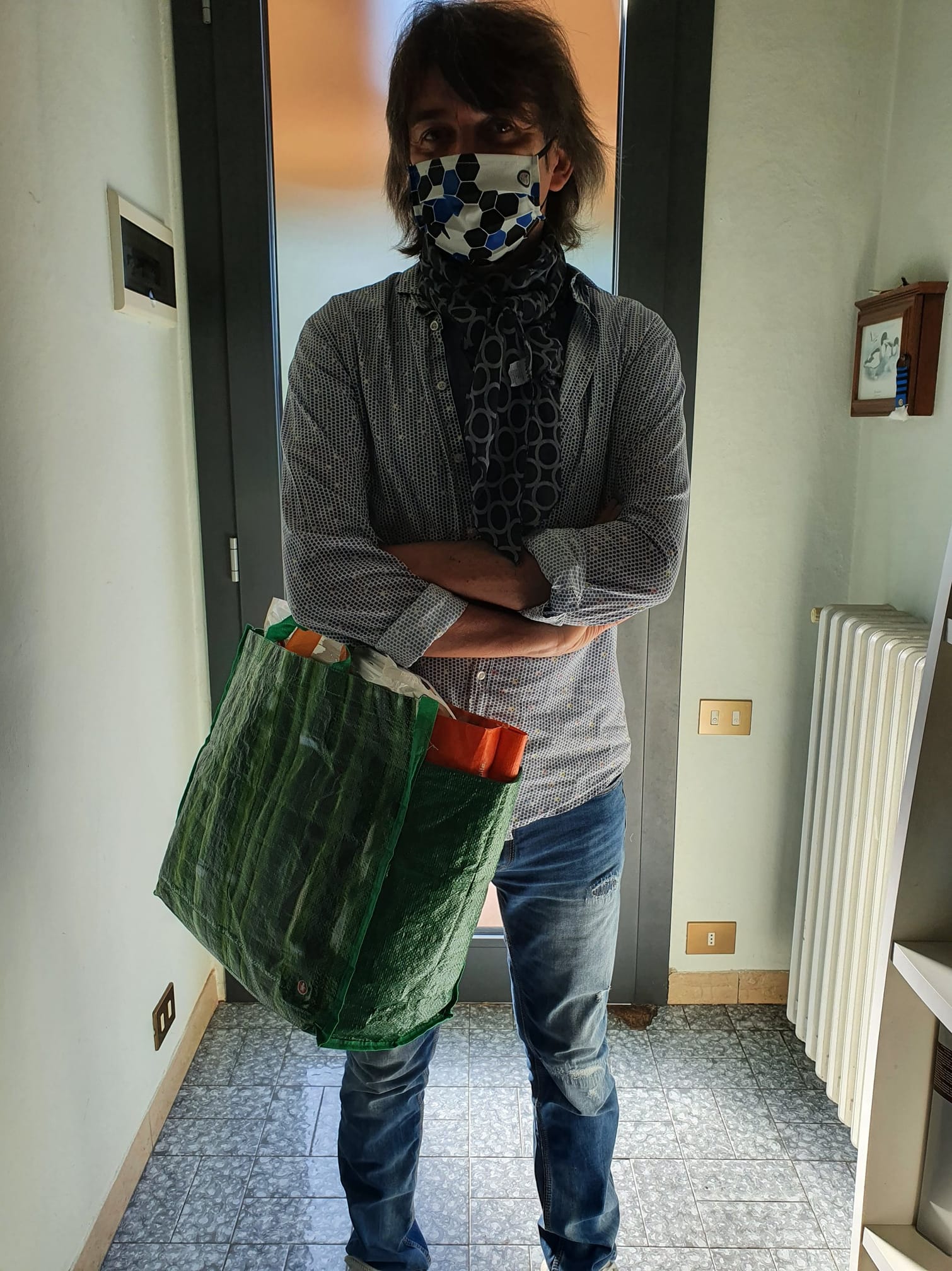
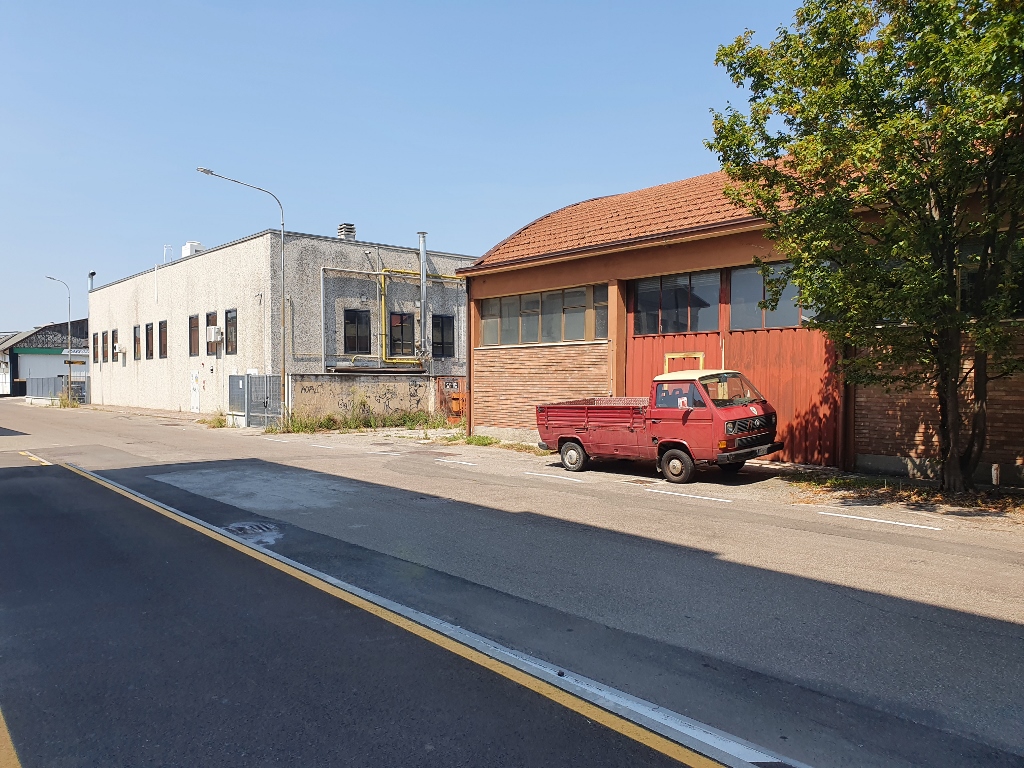
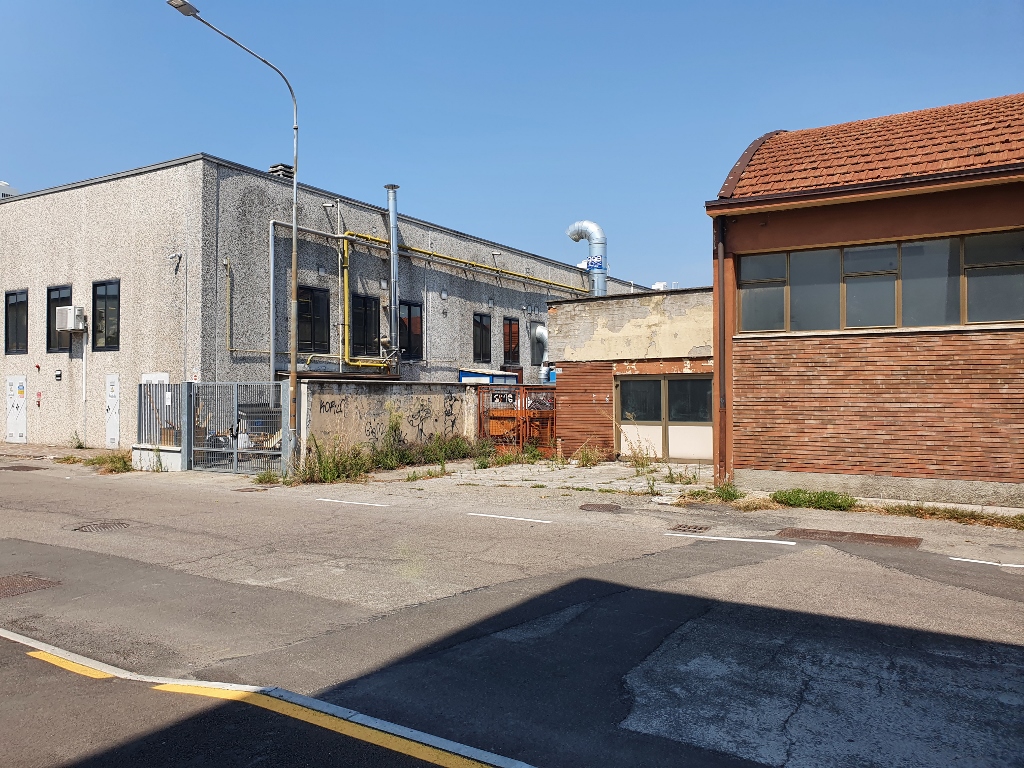


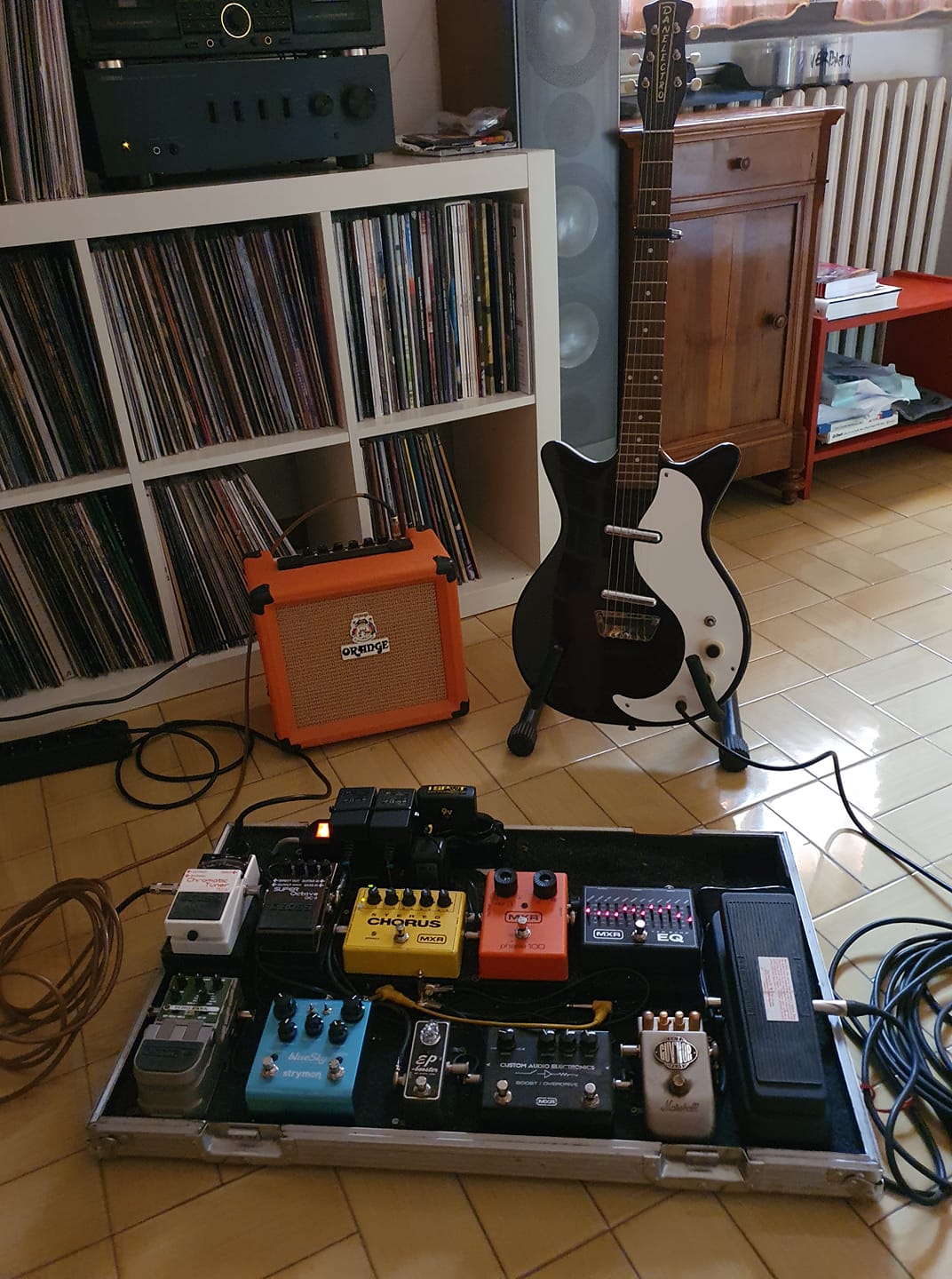


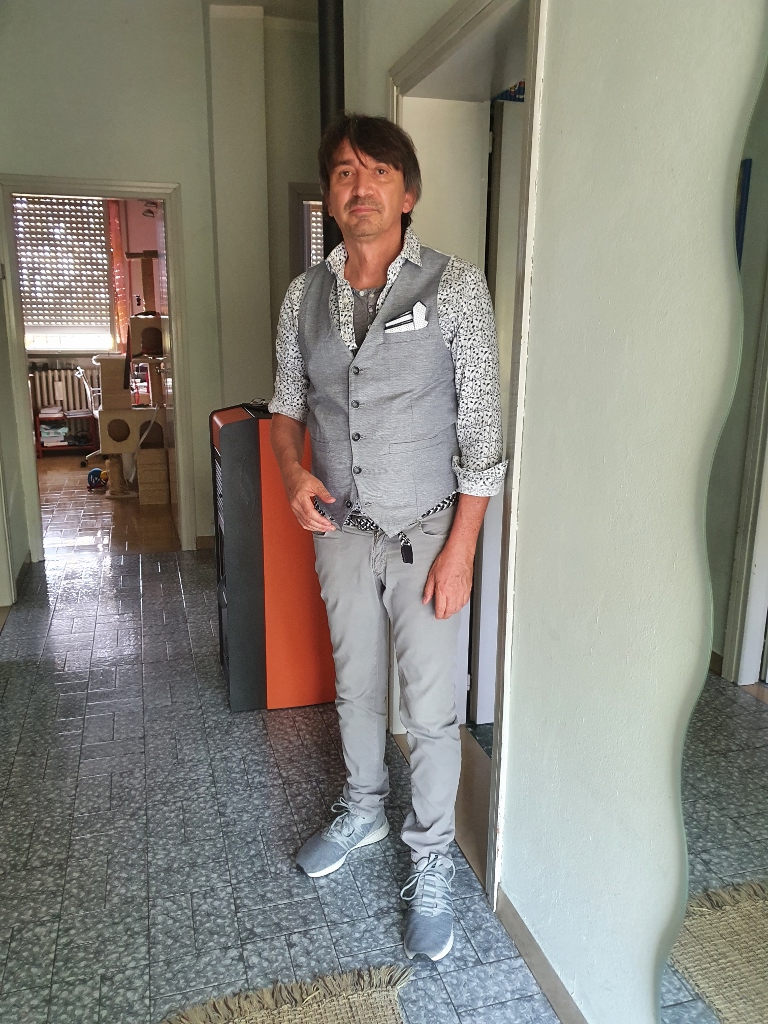


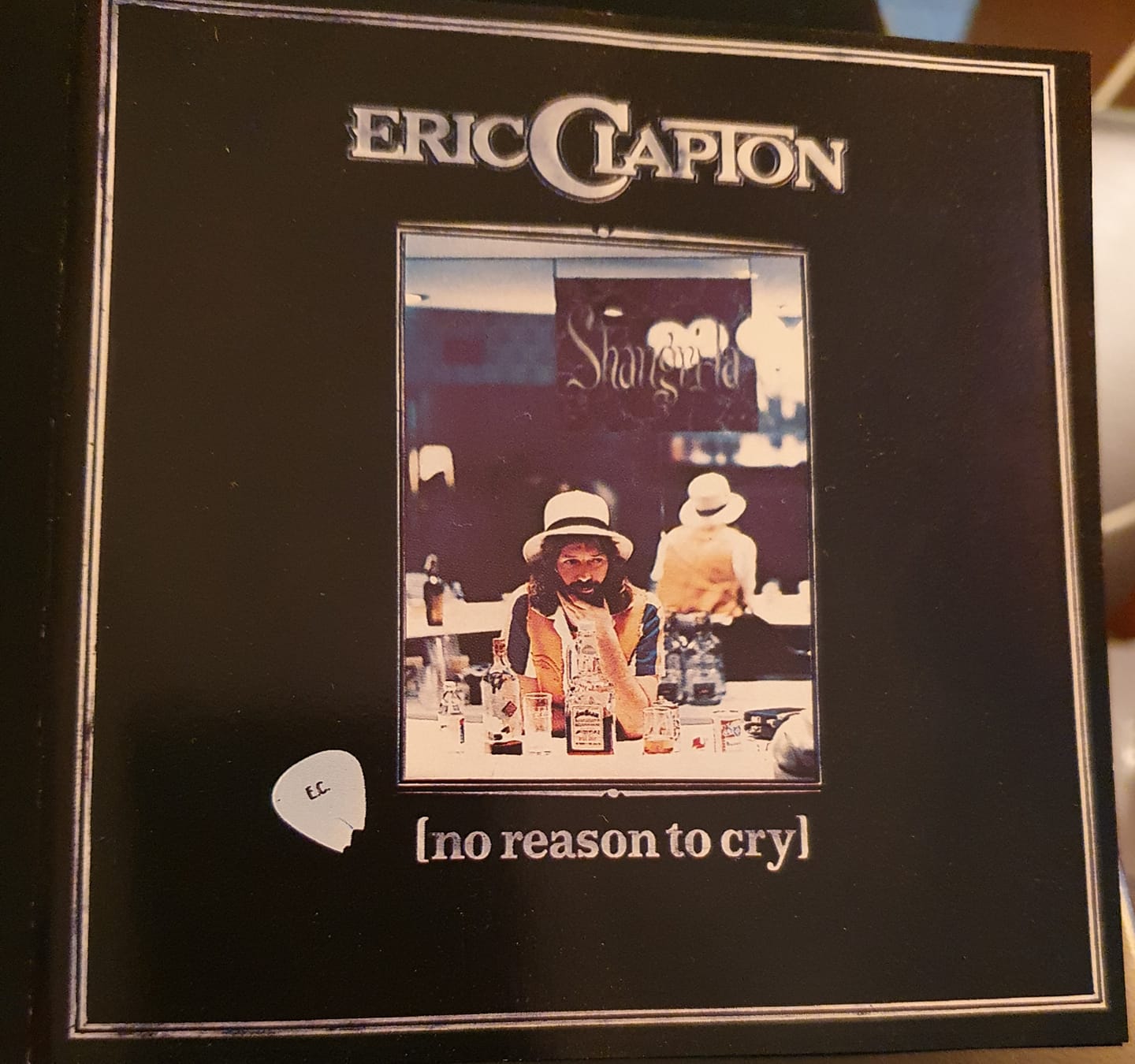
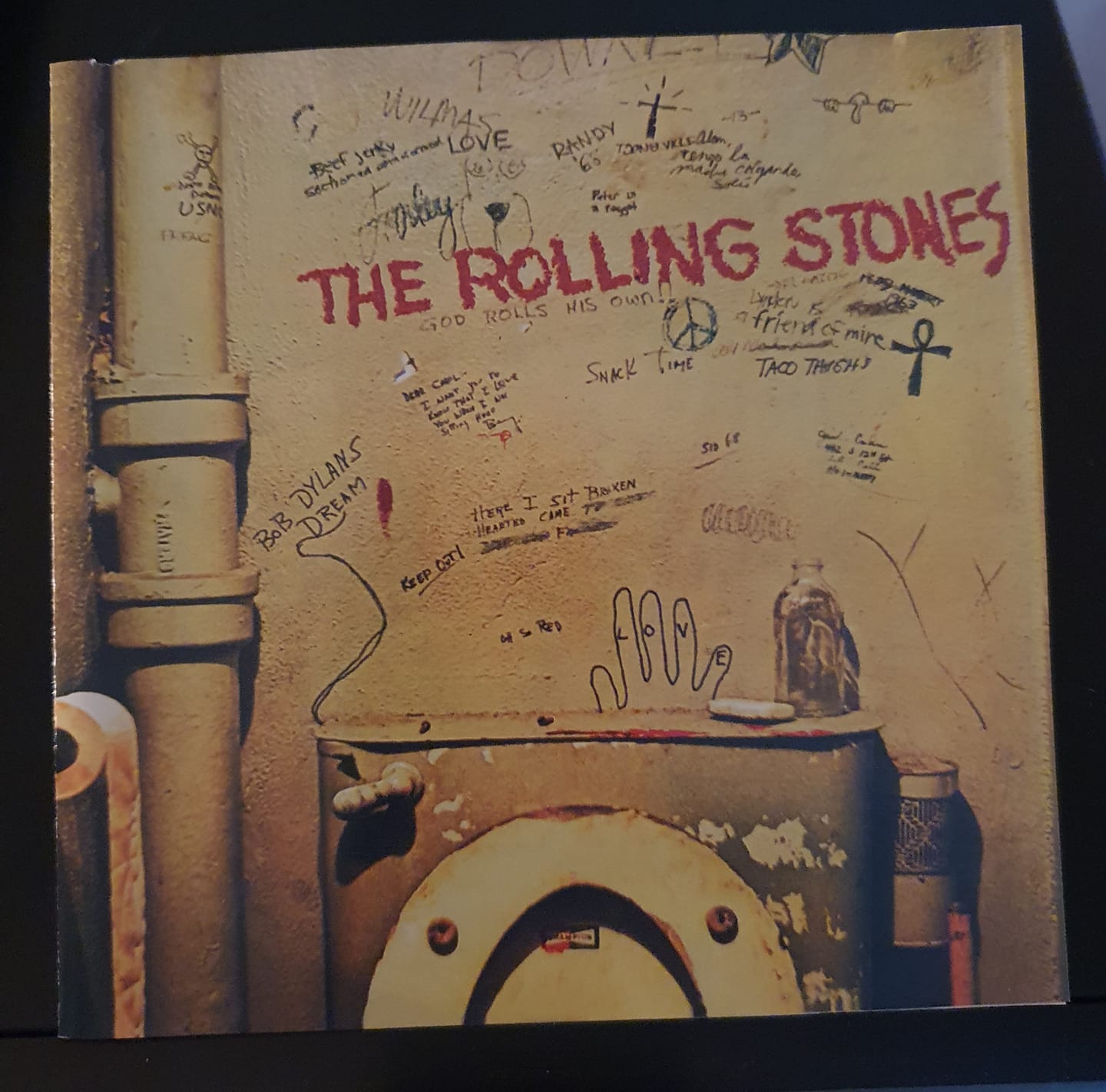
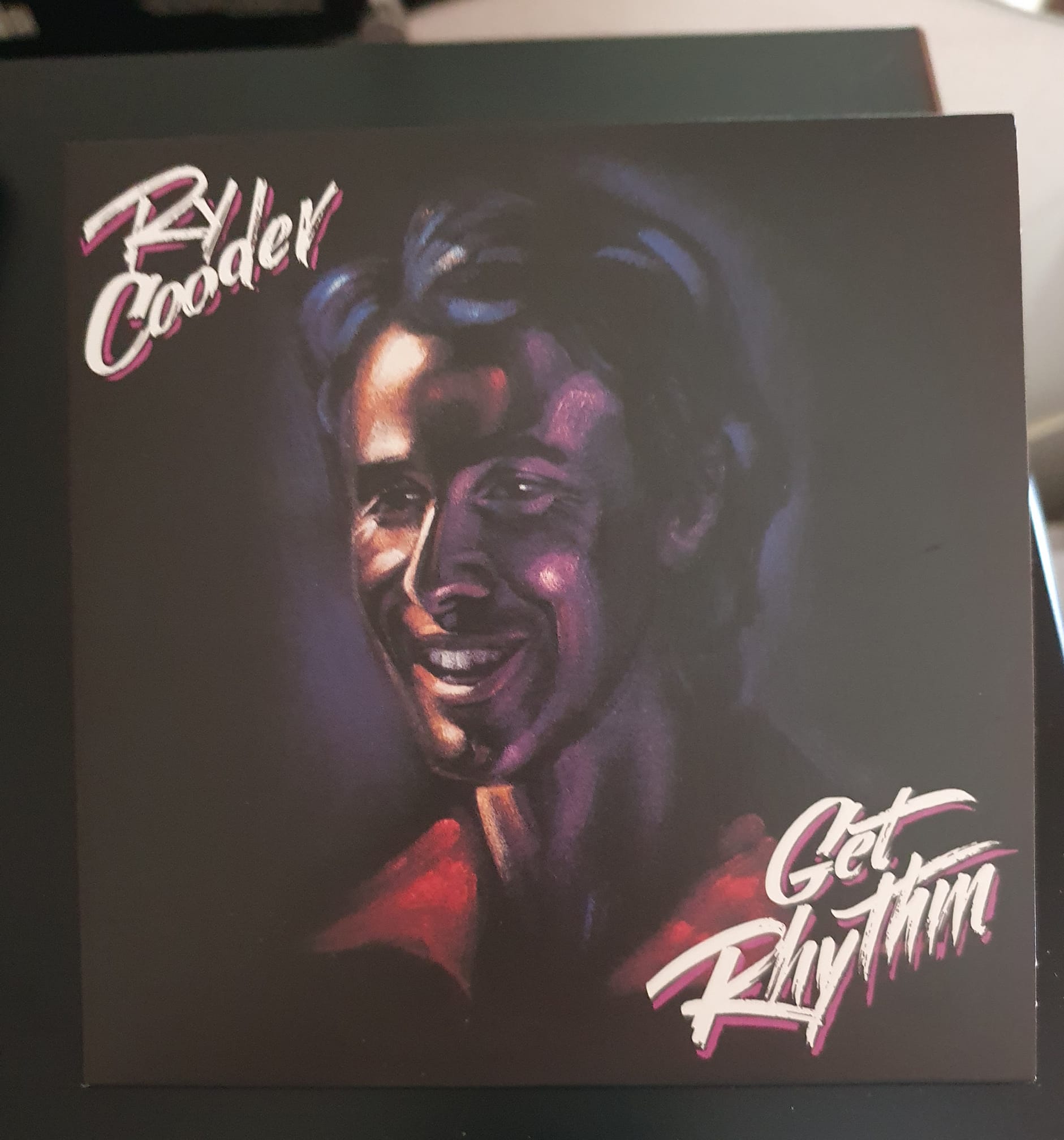


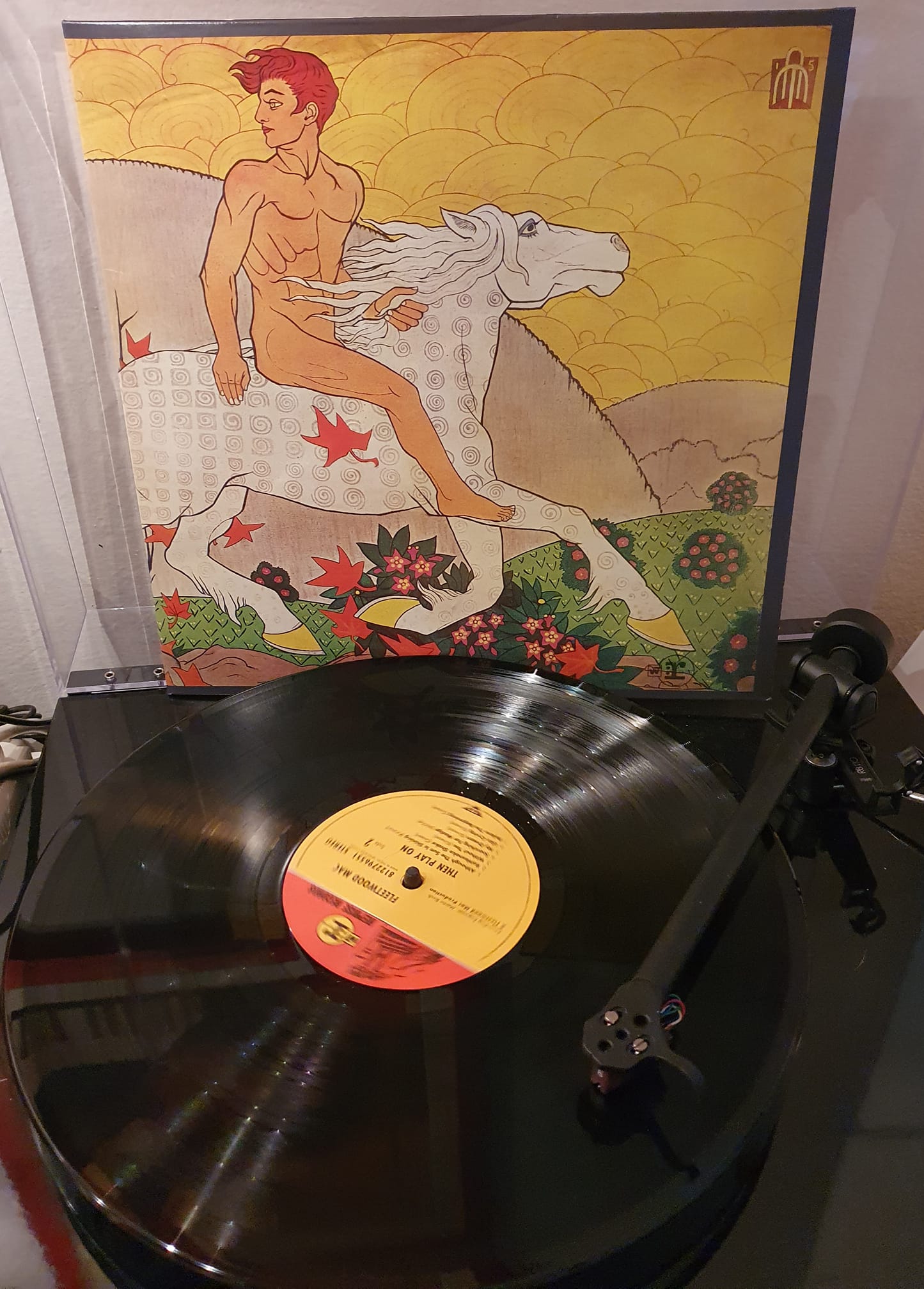
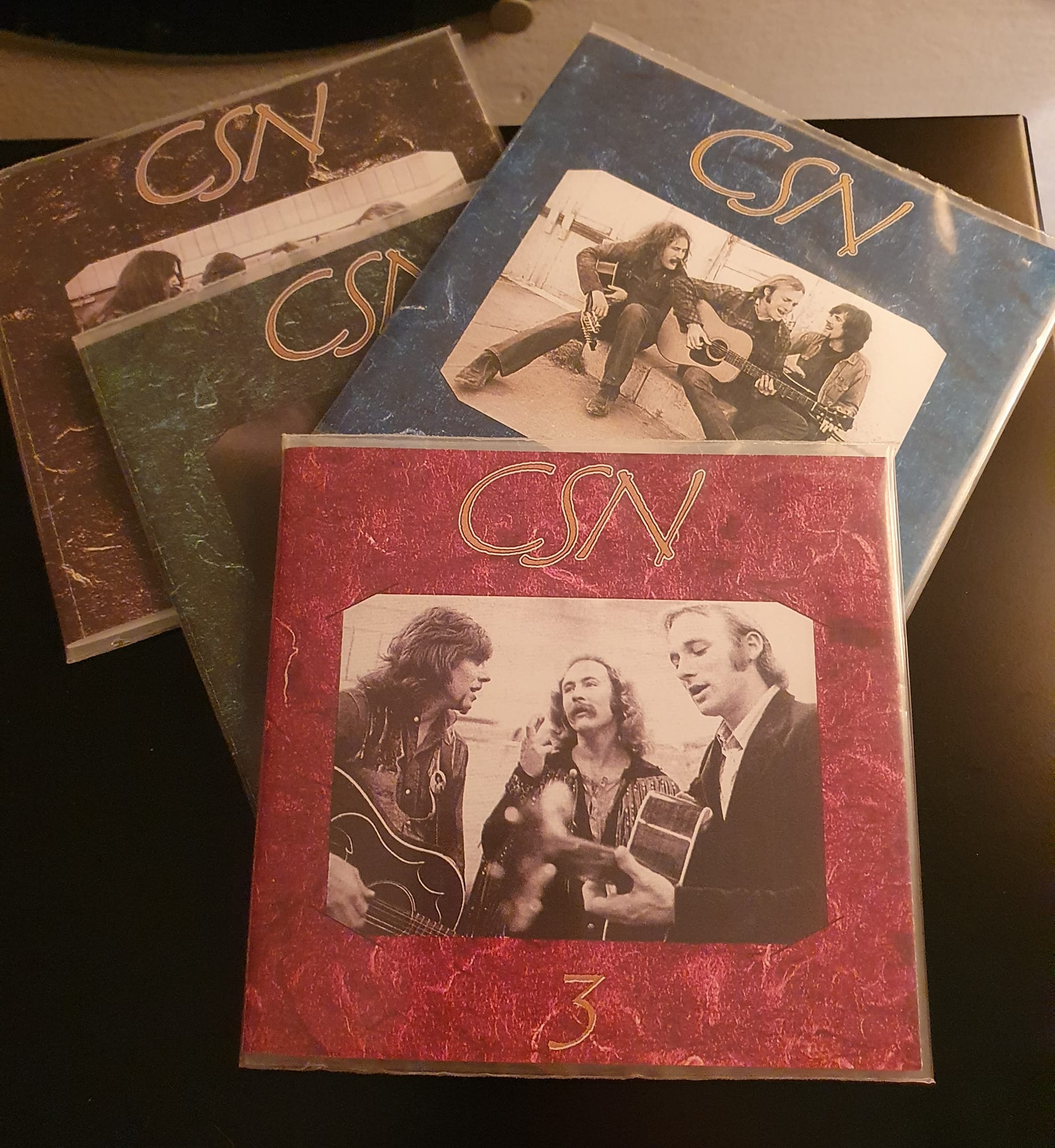

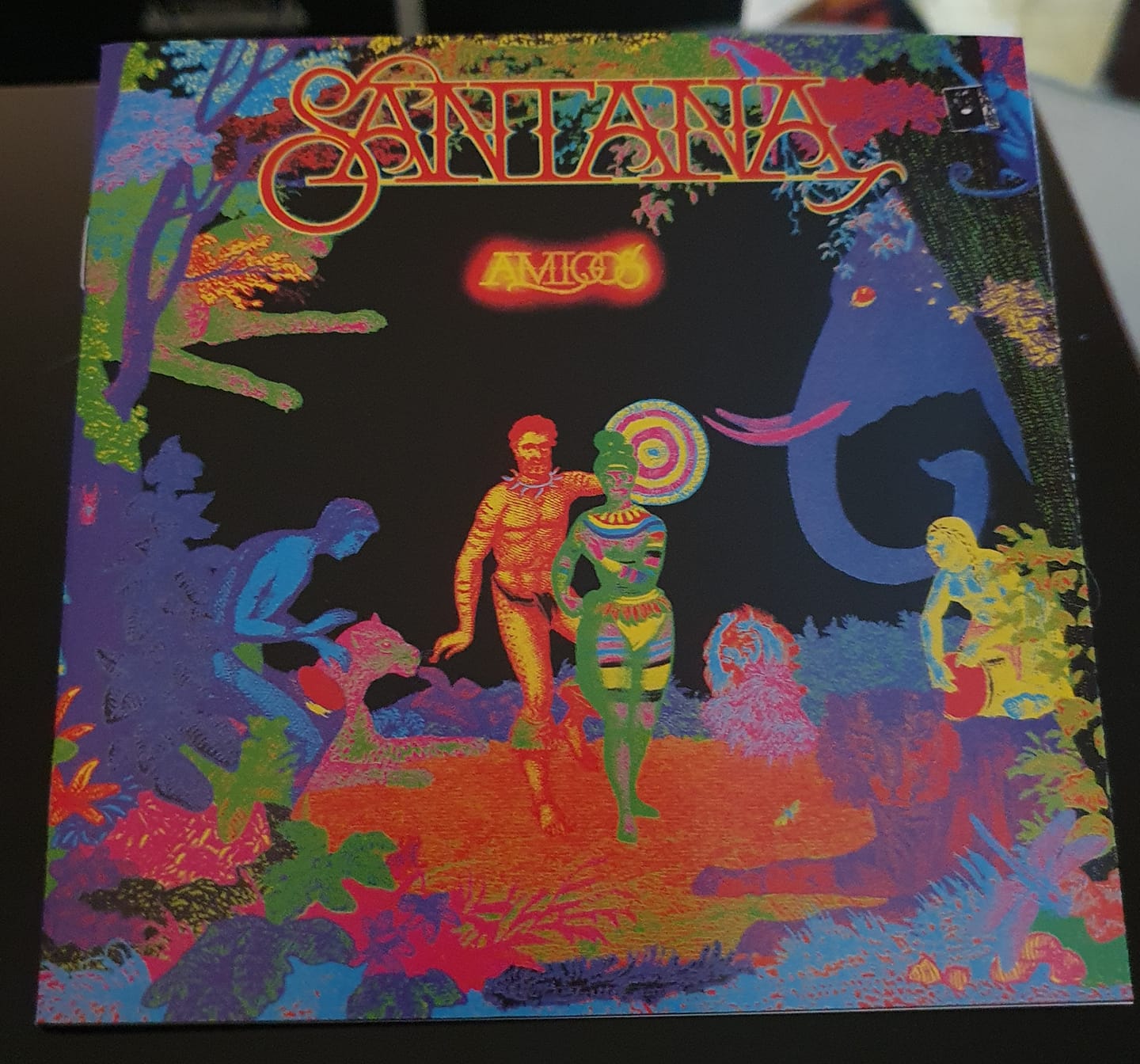
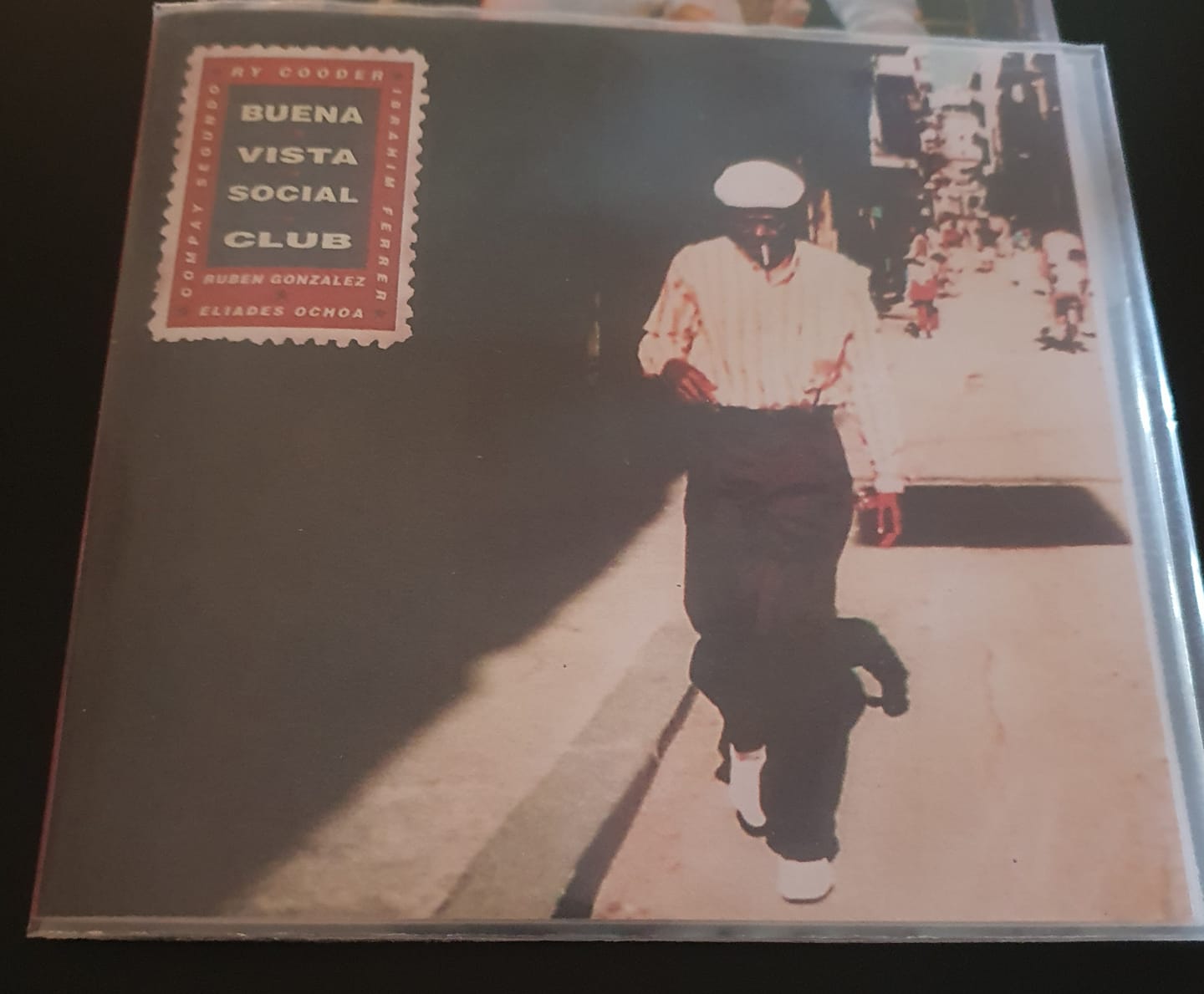
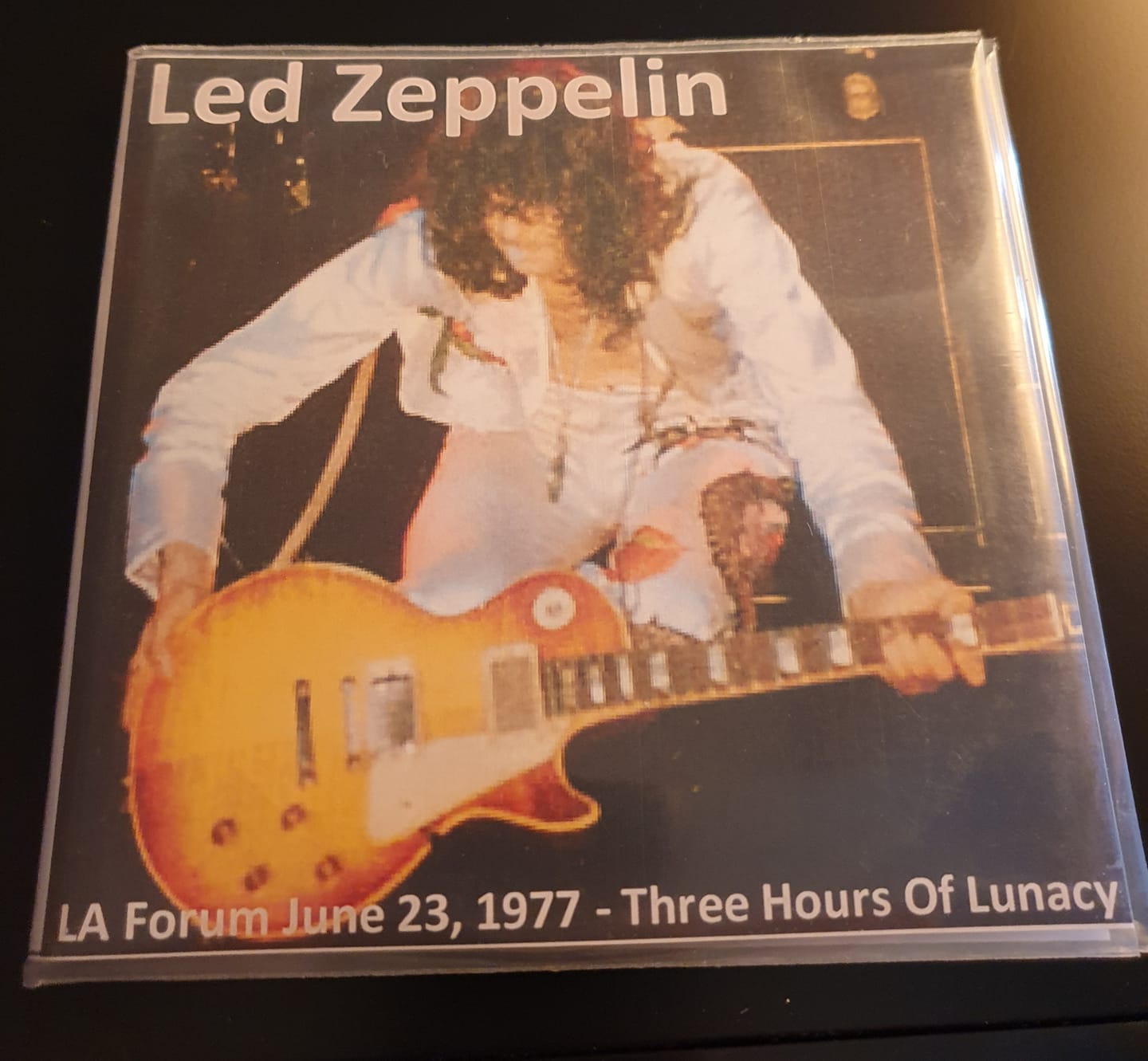
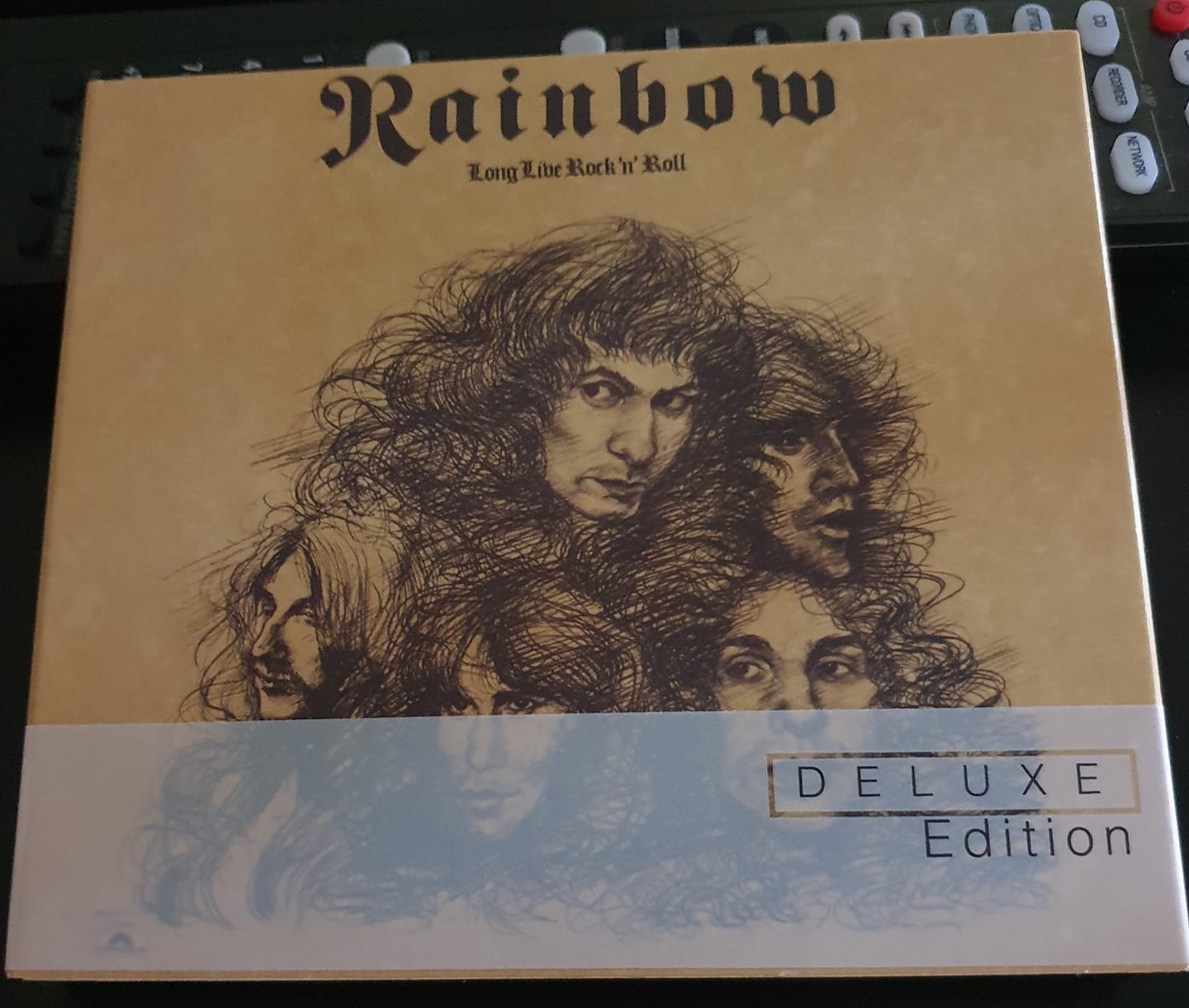


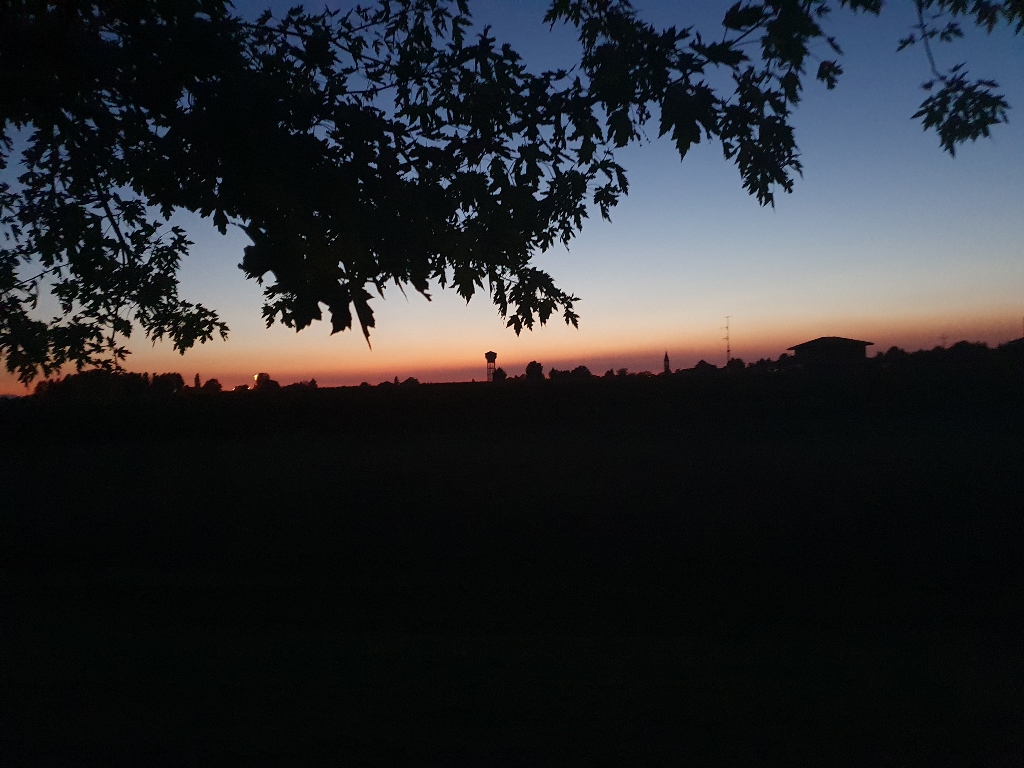


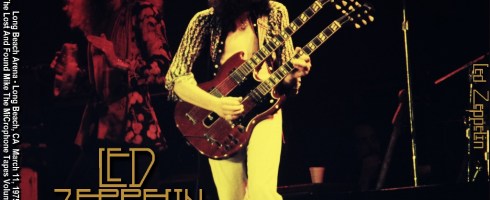


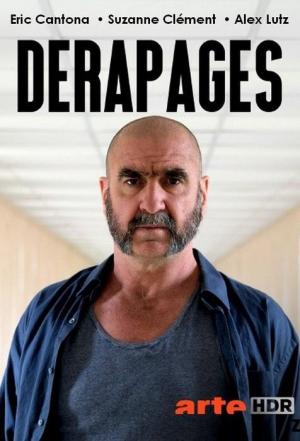

 timtirelli
Commenti recenti